Affiliate disclosure: As an Amazon Associate we earn from qualifying purchases. This post contains affiliate links — if you buy through them we may earn a small commission at no extra cost to you. This never affects our recommendations.
As an Amazon Associate we earn from qualifying purchases at no extra cost to you.

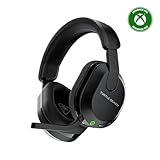

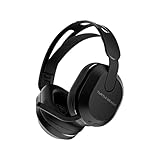


Title: Best Bluetooth Gaming Headset in 2026: Honest Picks for Every Setup
In a hurry? See the top-rated Bluetooth Gaming Headset deals available right now:
🛒 Check Bluetooth Gaming Headset Prices on Amazon →🛒 Best Price Today on Amazon
Prime members get fast, free shipping on everything above, plus member-only deals. New members get a 30-day free trial — cancel anytime.
Start 30-Day Prime Free Trial →See Today’s Amazon DealsThe Bluetooth Gaming Reality Check
Before we get into the picks, let’s be blunt about something most buying guides skip: Bluetooth is not ideal for competitive gaming. That’s not a knock on the technology — it’s just physics and protocol design.
Bluetooth 5.0 Low Latency Mode delivers around 32ms of audio delay. AAC codec (common on Apple devices and many gaming headsets) runs at roughly 80ms. Standard SBC — the fallback codec on nearly every BT device — sits at 150ms or more. For a battle royale or first-person shooter where audio cues mean life and death, any of those figures is a liability.
By contrast, dedicated 2.4GHz wireless connections used by premium gaming headsets deliver sub-1ms effective latency — effectively imperceptible. That’s why every serious gaming headset that includes Bluetooth also ships with a 2.4GHz USB dongle.
So why are you reading a Bluetooth gaming headset guide?
Because Bluetooth is the right choice in a growing number of real-world gaming scenarios:
- Nintendo Switch in handheld mode — no USB-A port for a dongle means BT or wired only
- Mobile gaming on Android or iOS
- Casual console play where you’re also taking calls or listening to music on the side
- Cross-device flexibility — connect to PC via 2.4GHz while staying paired to your phone via BT simultaneously
- Work-from-home hybrid setups where the same headset handles meetings, music, and evening gaming sessions
The best headsets in 2026 thread the needle: they offer dual wireless (2.4GHz + Bluetooth simultaneously), so you can game with zero latency on PC while your phone stays paired for calls. That’s the configuration this guide is built around.
Quick Comparison Table
| Headset | BT Version | Latency Mode | Battery | Codec |
|---|---|---|---|---|
| SteelSeries Arctis Nova Pro Wireless | BT 5.0 | 2.4GHz primary + BT simultaneous | 22h (BT) / infinite (dual-battery) | SBC, AAC |
| Sony INZONE H9 | BT 5.0 | 2.4GHz primary + BT simultaneous | 32h | SBC, AAC |
| JBL Quantum 810 | BT 5.0 | 2.4GHz primary + BT simultaneous | 35h | SBC, AAC, aptX Adaptive |
| Corsair HS65 Wireless | BT 5.2 | 2.4GHz primary + BT (not simultaneous) | 24h | SBC, AAC |
| Jabra Evolve2 55 | BT 5.0 | BT only (no 2.4GHz) | 36h calls / 40h music | SBC, AAC, aptX |
The 5 Best Bluetooth Gaming Headsets in 2026
SteelSeries Arctis Nova Pro Wireless
SteelSeries Arctis Nova Pro Wireless on Amazon
Key Specs
- Wireless: 2.4GHz + Bluetooth 5.0 simultaneously
- Driver size: 40mm neodymium
- Frequency response: 10–40,000 Hz
- Microphone: Retractable ClearCast Gen 2, bidirectional noise cancellation
- ANC: Active Noise Cancellation
- Battery: Hot-swappable dual battery system (effectively infinite)
- Compatibility: PC, PlayStation, Bluetooth devices
- Weight: 338g
The Arctis Nova Pro Wireless is the benchmark. SteelSeries built a headset that treats 2.4GHz and Bluetooth as genuinely co-equal connections rather than tacking BT on as an afterthought. With the dual-battery hot-swap system — two batteries in rotation via the included base station — you never have to take the headset off to charge. One battery charges in the station while the other powers your session.
The simultaneous dual-wireless is the headline feature for productivity-gaming hybrids. Your PC game audio comes over 2.4GHz at near-zero latency, while your phone remains connected via BT 5.0. A call comes in — the headset mixes it in automatically. This works extremely well in practice.
The 40mm drivers are tuned with a slight V-shaped EQ out of the box (boosted bass and treble, slightly recessed mids), which suits gaming and music but may feel fatiguing on long sessions without EQ adjustment via Sonar software. ANC quality is above-average but not Sony-class — it’s better described as “very good hearing protection” than “noise elimination.”
Pros & Cons
Pros:
- Truly simultaneous 2.4GHz + BT — the gold standard for dual-device users
- Infinite battery via hot-swap system
- Excellent build quality; premium aluminum headband
- Sonar software is one of the best EQ/spatial audio suites on PC
- ClearCast Gen 2 mic is among the best retractable mics on any headset
Cons:
- Expensive at ~$349
- Base station required for full feature set (less portable)
- ANC lags behind Sony INZONE H9 and consumer leaders
- Xbox users need a separate adapter
Who It’s For
Power users who game on PC and need the headset to double as a professional communication device. If you’re on calls during the day and gaming at night and refuse to switch headsets, this is your answer. Also ideal for streamers who need clean mic quality and zero audio gaps.
Sony INZONE H9
Key Specs
- Wireless: 2.4GHz + Bluetooth 5.0 simultaneously
- Driver size: 40mm
- Frequency response: 5–20,000 Hz (BT) / 5–40,000 Hz (wired)
- Microphone: Detachable boom, noise cancelling
- ANC: Yes — class-leading Sony ANC
- Battery: Up to 32 hours (ANC off) / 22 hours (ANC on)
- Compatibility: PC, PlayStation 5 (optimized), Bluetooth devices
- Weight: 325g
Sony brought its consumer audio pedigree — the same ANC DNA from the WH-1000XM5 — directly into a gaming package. The result is a headset with genuinely impressive noise cancellation that competes with Sony’s own flagship consumer cans. If you game in a noisy environment (open office, shared apartment, kids nearby), the INZONE H9 is the most effective ANC gaming headset available.

Like the Arctis Nova Pro Wireless, it supports simultaneous dual wireless, so 2.4GHz handles game audio at sub-latency while BT keeps your phone connected. PlayStation 5 integration is deep: 3D audio via Tempest Engine works natively without extra software on PS5.
The INZONE H9’s audio signature leans toward accurate and flat — better for competitive gaming (clear footstep directionality) than the bass-heavy tuning of many gaming headsets. Some users will find it sounds “too clinical” for music listening without EQ.
Battery life is excellent at 32 hours ANC-off, though heavy ANC use drops that to 22 hours — still class-competitive.
Pros & Cons
Pros:
- Best-in-class ANC among gaming headsets
- Simultaneous 2.4GHz + BT
- Excellent PS5 native integration (Tempest 3D Audio)
- Clean, accurate audio signature good for competitive play
- 32-hour battery at moderate use
Cons:
- PC software (INZONE Hub) is functional but basic vs. SteelSeries Sonar or Corsair iCUE
- No hot-swap battery — you do run out eventually
- Boom mic is detachable but not retractable; more fragile in transit
- Slight firmware update instability reported in early 2026 (mostly resolved)
Who It’s For
PlayStation 5 primary gamers who also want BT for phone use. Also excellent for anyone in a loud environment who needs ANC to concentrate — the H9 punches well above its price bracket for noise isolation.
JBL Quantum 810
Key Specs
- Wireless: 2.4GHz + Bluetooth 5.0 simultaneously
- Driver size: 40mm QuantumSOUND Signature
- Frequency response: 20–20,000 Hz
- Microphone: Detachable boom, beamforming noise cancellation
- ANC: Active Noise Cancellation
- Battery: 35 hours (2.4GHz) / 44 hours (BT only)
- Compatibility: PC, PlayStation, Xbox, Switch, Bluetooth devices
- Weight: 330g
- Notable codec: aptX Adaptive (on supported Android devices)
The Quantum 810 is the best value dual-wireless headset in this guide. At roughly $149, it delivers simultaneous 2.4GHz + BT, ANC, a detachable boom mic, and aptX Adaptive codec support — a feature set that would have cost twice as much two years ago.
aptX Adaptive is worth calling out specifically. On supported Android devices (most flagship Android phones since 2022), aptX Adaptive dynamically adjusts bitrate between 279kbps and 420kbps, with latency as low as 50ms — much better than AAC’s ~80ms and dramatically better than SBC’s ~150ms. For mobile gaming, this matters.
JBL’s QuantumSPATIAL 360 spatial audio (PC via software) is decent but not exceptional. The bass tuning is aggressive — fun for action games and EDM, less ideal for competitive footstep tracking without EQ adjustment. ANC quality is good but a step behind Sony’s offering.
At $149, the compromises are acceptable: build quality leans slightly plasticky, PC software is adequate rather than excellent, and mic quality is serviceable but not broadcast-grade.
Pros & Cons
Pros:
- Exceptional value — dual wireless + ANC + aptX Adaptive under $150
- Best battery life in this guide (35h / 44h)
- Wide compatibility: PC, PlayStation, Xbox, Switch
- aptX Adaptive meaningfully improves mobile gaming experience
Cons:
- Bass-heavy tuning requires EQ to be competitive-viable
- Build quality feels plasticky at this price (though not fragile)
- ANC trails Sony INZONE H9 by a meaningful margin
- PC software is basic
Who It’s For
Budget-conscious gamers who play across multiple platforms and want BT flexibility without paying a premium. Especially strong pick for Android mobile gamers who can take advantage of aptX Adaptive.
Corsair HS65 Wireless
Corsair HS65 Wireless on Amazon
Key Specs
- Wireless: 2.4GHz + Bluetooth 5.2 (not simultaneous — switch modes)
- Driver size: 50mm neodymium
- Frequency response: 20–20,000 Hz
- Microphone: Removable, omnidirectional
- ANC: No
- Battery: 24 hours
- Compatibility: PC, PlayStation, Switch (BT mode), Bluetooth devices
- Weight: 260g
The HS65 Wireless is the honest entry-level pick. Critical caveat upfront: unlike the three headsets above, the HS65 does not support simultaneous dual wireless. You connect via 2.4GHz or Bluetooth — not both at the same time. Switching modes requires a physical button hold.
That said, BT 5.2 is the newest protocol in this guide. While BT 5.2 itself doesn’t mandate LC3 (Low Complexity Communication Codec), the version sets the groundwork for it, and Corsair’s firmware has been updated to support lower-latency BT connections than typical 5.0 implementations.

What the HS65 gets right: it’s light (260g), comfortable for long sessions, and Corsair’s iCUE software integration is among the best on PC for EQ customization. The 50mm drivers deliver surprisingly full sound for an entry-level headset. At $79, it’s hard to argue with the build-to-price ratio.
What it gives up: no ANC, no simultaneous dual wireless, shorter battery, and a non-retractable mic that can’t be stowed away.
Pros & Cons
Pros:
- Best price in the guide at ~$79
- Lightest headset (260g) — comfortable for marathon sessions
- 50mm drivers deliver solid audio for the price
- Excellent iCUE software integration
- BT 5.2 for marginally better BT performance
Cons:
- No simultaneous dual wireless — you must choose a mode
- No ANC
- Omnidirectional mic picks up room noise
- 24-hour battery is shortest here
Who It’s For
Gamers on a strict budget who want the option to switch to Bluetooth for Switch or mobile use, but primarily game on PC or PlayStation and don’t need dual-mode simultaneously. Strong first wireless headset.
Jabra Evolve2 55
Key Specs
- Wireless: Bluetooth 5.0 only (no 2.4GHz gaming dongle)
- Driver size: 40mm
- Frequency response: 20–20,000 Hz
- Microphone: Integrated 6-mic array, professional-grade noise cancellation
- ANC: Yes — UC-certified professional ANC
- Battery: 36 hours (calls) / 40 hours (music)
- Compatibility: Bluetooth multipoint (2 devices simultaneously), USB-C / USB-A dongle for UC platforms
- Weight: 186g
The Jabra Evolve2 55 is the wildcard pick in this guide — it’s not marketed as a gaming headset at all. It’s a professional unified communications (UC) headset that happens to be exceptional for casual gaming, work-from-home hybrid setups, and anyone who spends more time in meetings than fragging.
Why it’s here: If your gaming is mostly casual (RPGs, strategy, indie games), you value call quality above all else, and you need Bluetooth multipoint (connected to laptop + phone simultaneously via BT), the Evolve2 55 outperforms dedicated gaming headsets on communication quality by a significant margin. The 6-microphone array with professional beamforming captures your voice with remarkable clarity and rejection of background noise — genuinely superior to any boom mic on a gaming headset.
The honest limitation: There is no 2.4GHz dongle. For competitive gaming, the ~32ms BT 5.0 Low Latency latency is the ceiling. The Evolve2 55 is not a competitive gaming tool. Accept that and it becomes the best headset in this list for anyone whose “gaming” is really a secondary function of a device they primarily use for professional work.
The USB dongle supports Microsoft Teams and Zoom certifications. The fit is compact and lighter than most gaming headsets. Battery at 36–40 hours is class-leading.
Pros & Cons
Pros:
- Best microphone quality in this guide — professional UC-grade
- Bluetooth multipoint: two BT devices simultaneously
- Exceptional ANC for focus work
- Extremely light at 186g
- 36–40 hour battery
Cons:
- No 2.4GHz wireless — BT-only, so 32ms+ latency minimum
- Expensive at ~$449 for a single-radio device
- No gaming-oriented audio tuning
- Over-ear style leans bulky for a BT-only headset
Who It’s For
Remote workers who occasionally game. Professionals who use the headset 8 hours a day for calls and want it to double for casual evening gaming without switching devices. Not for competitive or FPS gaming.
Buyer’s Guide FAQ
Q: Can Bluetooth work for competitive gaming?
Technically yes, practically no — for most genres. BT 5.0 Low Latency Mode at ~32ms is on the edge of perceptibility for audio. In single-player story games, RPGs, and strategy titles, you likely won’t notice. In CS2, Valorant, or any title where audio cues are survival-critical, 32ms is a meaningful disadvantage versus 2.4GHz sub-1ms. Use 2.4GHz for competitive play; use BT for everything else.
Q: What codec should I prioritize?

For Bluetooth gaming: aptX Low Latency (aptX LL) is the gold standard if supported, delivering ~40ms latency. aptX Adaptive (available on JBL Quantum 810) hits ~50ms on compatible Android devices. AAC (~80ms) is acceptable for casual gaming and music on Apple devices. SBC (~150ms) is the fallback — use it only when nothing better is available. LC3 (BT 5.2+) is the emerging standard that may reshape BT gaming latency in 2026-2027 as more headsets adopt it.
Q: What is dual wireless and do I need it?
Dual wireless means the headset connects to two wireless sources simultaneously: typically 2.4GHz (for PC game audio) and Bluetooth (for a smartphone). Phone calls mix into your gaming audio seamlessly. You need it if you regularly take calls during gaming sessions or use a single headset across PC and mobile without re-pairing. The SteelSeries Arctis Nova Pro Wireless, Sony INZONE H9, and JBL Quantum 810 all support true simultaneous dual wireless.
Q: Can I use a Bluetooth gaming headset with Nintendo Switch?
Yes — and this is one of the strongest use cases for BT gaming headsets. Nintendo Switch in handheld mode lacks a USB-A port for 2.4GHz dongles, making Bluetooth the practical wireless option. The latency trade-off is less impactful for most Switch games, which skew toward single-player and casual titles. The Corsair HS65 Wireless and JBL Quantum 810 both pair easily via BT in Switch handheld mode.
Q: Is BT 5.2 significantly better than BT 5.0 for gaming?
For raw latency, not dramatically — both support Low Latency Mode at ~32ms. BT 5.2’s main improvements are LC3 codec support (for future headsets), more stable connections in congested 2.4GHz environments, and better multipoint handling. As headset firmware matures and more devices support LC3, BT 5.2 and 5.3 will become more meaningful. For now, it’s a minor differentiator.
Verdict
Best overall: Sony INZONE H9 — best balance of ANC quality, simultaneous dual wireless, PS5 integration, and price at ~$229.
Best for power users: SteelSeries Arctis Nova Pro Wireless — no compromises on features, mic quality, or flexibility; justifies the $349 price for anyone who needs the full package.
Best value: JBL Quantum 810 — simultaneous dual wireless + ANC + aptX Adaptive under $150 is genuinely remarkable.
Best budget pick: Corsair HS65 Wireless — if $79 is the ceiling, the HS65 delivers solid wireless gaming with BT as a bonus mode.
Best for professionals: Jabra Evolve2 55 — the clear choice when work communication quality matters more than gaming features.
The throughline: if you game competitively, buy a headset with 2.4GHz and use that mode for gaming. The Bluetooth connectivity is a genuine and useful secondary feature — for calls, for mobile gaming, for Switch handheld, for music during commutes. The best headsets in 2026 treat both radios as first-class citizens. That’s the spec to shop for.
Prices reflect approximate retail as of May 2026. Verify current pricing before purchase.
Related Articles
Looking for more on this topic? Browse the hand-picked guides below — each one applies the same scoring rubric used in this review.
Frequently Asked Questions
Is Bluetooth latency low enough for gaming?
For single-player, co-op and chat it is fine, but standard Bluetooth SBC adds roughly 150 to 200 milliseconds of audio delay, which is enough to desync footsteps in competitive shooters. Codecs like aptX Low Latency and LE Audio LC3 cut this to around 40 milliseconds. For serious esports use, switch to the 2.4GHz dongle instead.
Why do the best Bluetooth gaming headsets also include a dongle?
Because the two connections solve different problems. The 2.4GHz dongle gives near-wired latency for PC and console gaming, while Bluetooth handles your phone, tablet or Switch. Dual-connection models let you run both at once, so you can hear game audio from the dongle and take a phone call without unpairing anything.
How long should the battery last?
Good Bluetooth gaming headsets deliver 30 to 70 hours per charge, and Bluetooth mode typically outlasts 2.4GHz mode by a wide margin because it draws less power. Look for USB-C fast charging that gives several hours from a fifteen-minute top-up, which is the feature that actually matters when you forget to charge overnight.
Will it work with PS5, Xbox and Nintendo Switch?
PS5 and Switch both accept the 2.4GHz USB dongle, and Switch also supports Bluetooth audio natively. Xbox is the exception because Microsoft uses a proprietary wireless protocol, so you need a headset explicitly listing Xbox Wireless support or you must connect through the controller jack. Always check the console compatibility list before buying.
Is the microphone good enough for team chat?
Detachable boom microphones on gaming models are far clearer than the tiny built-in mics used in Bluetooth mode. Note that on standard Bluetooth, activating the mic switches the connection to a low-quality bidirectional profile that noticeably degrades game audio. Using the dongle keeps full-quality audio and mic input running simultaneously.