

- Top Pick: Skytech Gaming Archangel 5 Gaming PC, Intel i5 14400F 2.5GHz, NVIDIA RTX 5060, 1TB NVMe SSD, 16GB DDR5 RAM 6000, 750W Gold PSU, Wi-Fi, Win 11, Desktop
- Best Value: Skytech Gaming Archangel 5 Gaming PC, AMD Ryzen 7 7700X 4.5GHz, NVIDIA RTX 5070 12GB, 1TB Gen4 NVMe SSD, 32GB DDR5 RAM 6000, 750W Gold PSU, 360 ARGB AIO, Wi-Fi, Win 11, Desktop
- Premium Choice: Skytech Gaming Archangel 5 Gaming PC, AMD Ryzen 7 7700 3.8GHz, NVIDIA RTX 5060, 1TB NVMe SSD, 32GB DDR5 RAM 6000, 750W Gold PSU, Wi-Fi, Win 11, Desktop
🛒 Best Price Today on Amazon
Prime members get fast, free shipping on everything above, plus member-only deals. New members get a 30-day free trial — cancel anytime.
- Top Skytech Archangel Ryzen 7700X Rtx Picks for 2026
- Skytech Archangel 5 at a Glance
- CPU & Gaming Performance
- GPU & Resolution Targets
- RAM & Storage Loadout
- Build Quality & Thermals
- Connectivity & Upgrade Path
- Who It’s For
- Verdict
- Related Guides
- Frequently Asked Questions
- More Gaming PC Reviews
- Related Articles
- Related Guides
Top Skytech Archangel Ryzen 7700X Rtx Picks for 2026
Here are our current top skytech archangel ryzen 7700x rtx picks, compared on real Amazon owner reviews, price, and features. Live prices update below.
As an Amazon Associate we earn from qualifying purchases at no extra cost to you.



Prime
Editor's Pick
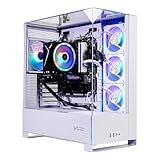
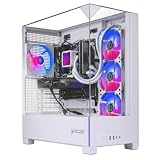
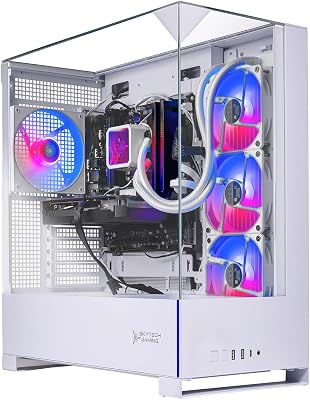
Skytech Gaming Archangel 5 Gaming PC, AMD Ryzen 7 7700 3.8GHz, NVIDIA RTX 5060, 1TB NVMe SSD, 32GB DDR5 RAM 6000, 750W Gold PSU, Wi-Fi, Win 11, Desktop
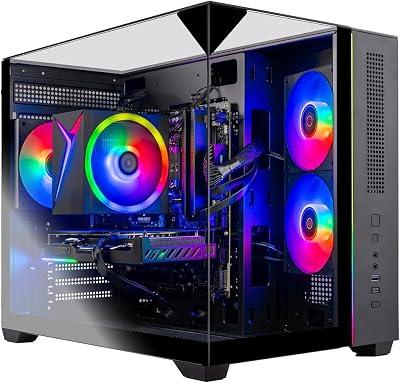
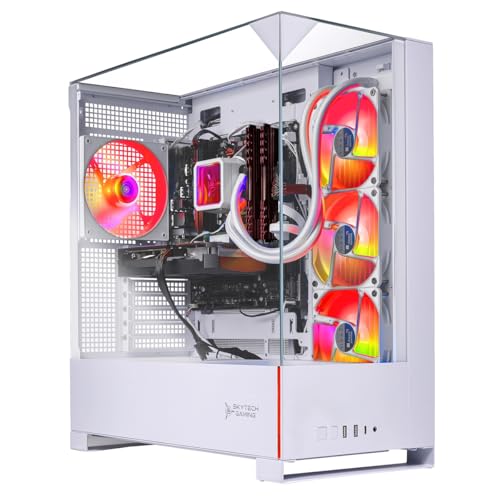
The Skytech Gaming Archangel 5 is the AMD answer to Skytech’s Shadow 5 line: it pairs the eight-core Ryzen 7 7700X with an NVIDIA GeForce RTX 5070 (12GB) at around $1,899.99. The headline appeal is the platform: AM5 is AMD’s current desktop socket and a meaningful upgrade path for future CPUs. This Skytech Archangel 5 review walks through the hardware, where the 7700X sits in AMD’s gaming line-up, build quality and value, and how the configuration compares with its Intel-based sibling at the same price.
30
Skytech Gaming Archangel 5 Gaming PC, AMD Ryzen 7 7700X 4.5GHz, NVIDIA RTX 5070 12GB, 1TB Gen4 NVMe SSD, 32GB DDR5 RAM 6000, 750W Gold PSU, 360 ARGB AIO, Wi-Fi, Win 11, Desktop
In Stock
Updated: July 24, 2026




As an Amazon Associate we earn from qualifying purchases. Product prices and availability are accurate as of the date/time indicated.
Skytech Archangel 5 at a Glance
| Component | Specification |
|---|---|
| CPU | AMD Ryzen 7 7700X (8 cores, 16 threads, 4.5 GHz base) |
| GPU | NVIDIA GeForce RTX 5070 12GB GDDR7 (Blackwell) |
| RAM | see listing (DDR5) |
| Storage | 1TB SSD |
| Motherboard form factor | AM5 desktop board (see listing) |
| PSU | see listing |
| Cooling | Skytech high-performance cooler (see listing) |
| Case | Skytech Archangel tempered-glass chassis |
| Approx price | around $1,899.99 |
CPU & Gaming Performance
The Ryzen 7 7700X is an 8-core, 16-thread Zen 4 chip with a 4.5 GHz base clock and substantial boost headroom. In gaming it is a strong performer — eight modern cores are more than sufficient to feed an RTX 5070 at 1440p without bottlenecking — and although it is not an X3D part, it is the well-regarded standard Ryzen 7 of its generation. Its single-threaded performance is in the upper bracket and its 16 threads cover streaming, recording and background workloads comfortably. The bigger point is platform: the 7700X sits on AM5, which AMD has committed to supporting for multiple processor generations, so a future drop-in upgrade to a newer Ryzen — including a future X3D part — is a realistic option without rebuilding the system. For more context on the current AMD desktop CPU landscape and where the gaming-focused X3D parts sit relative to the 7700X, see our Ryzen 7 9700X gaming PCs guide.
GPU & Resolution Targets
The RTX 5070 with 12GB of GDDR7 is the part of this system that defines its gaming character. It is a current-generation Blackwell GPU built for high-refresh 1440p, and with DLSS 4 it is a credible choice for high-settings 1440p in the more demanding modern titles. 12GB of VRAM is enough for current 1440p texture workloads in the great majority of cases. Pairing the 5070 with a Ryzen 7 7700X is a sensible match — the CPU is more than capable of feeding the GPU at 1440p without becoming the obvious limiting factor. For wider context see our best prebuilt gaming PCs under $2,000 roundup.
RAM & Storage Loadout
The Archangel 5 ships with a 1TB SSD, a reasonable starting capacity that most owners will want to extend within a year as game installs continue to grow. The exact RAM capacity is not specified in the product name — confirm from the listing — but AM5 is a DDR5-only platform, so any memory configuration here will be DDR5, which is a future-friendly position. A Ryzen 7 7700X build at this price typically ships with 16GB of DDR5 as a baseline; a 32GB configuration, if offered, is the more comfortable choice for streaming, multi-tasking and long-term headroom. The standard AM5 memory speed pairing for the 7700X is in the 5600-6000 MT/s range, which is well-tuned for the platform; check the listing for the exact configured speed.
Build Quality & Thermals
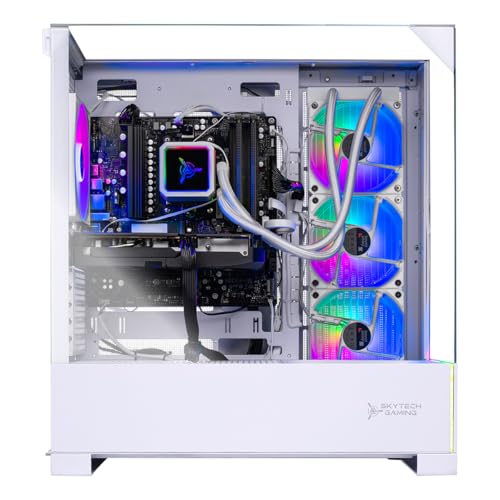
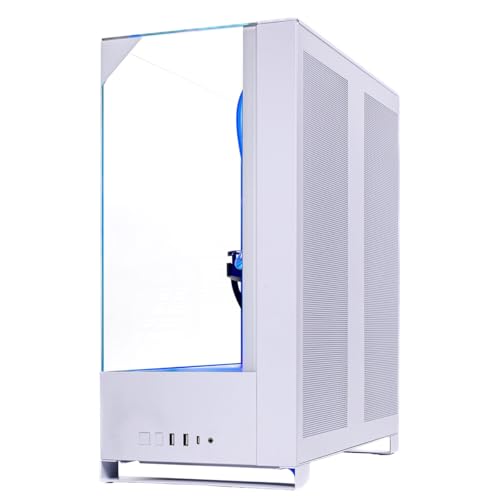
Skytech is one of the larger, better-known prebuilt-PC brands in the US, and the Archangel chassis is one of its long-running case designs — a contemporary tempered-glass tower with RGB and a clear airflow path. The 7700X is a moderately power-hungry chip under sustained all-core load, so the cooling solution matters; the listing should specify whether the unit ships with a substantial air cooler or an AIO liquid cooler, and either is a sensible match. As is now standard on Skytech systems, units arrive with a clean Windows install and no bloatware, which is a small but appreciable quality-of-life advantage.
Connectivity & Upgrade Path
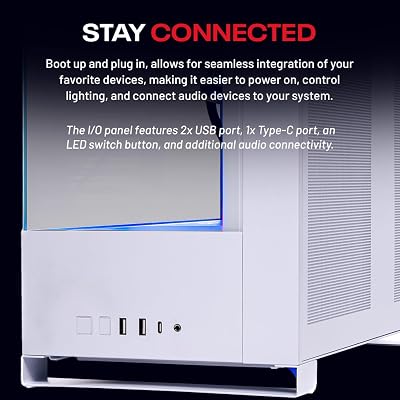
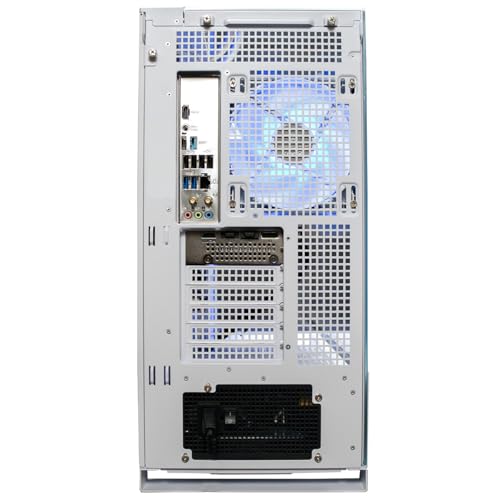
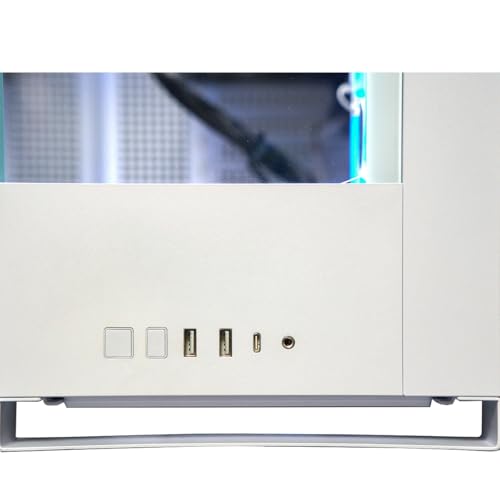
The biggest practical advantage of the Archangel 5 over its Intel-based sibling is the AM5 platform itself. AMD has committed to AM5 for multiple processor generations, so future CPU upgrades — including the kind of drop-in jump to an X3D part many buyers eventually want — are a realistic option without replacing the motherboard. DDR5 memory is similarly future-friendly. Display outputs from the RTX 5070 cover the latest DisplayPort and HDMI standards for high-refresh and high-resolution monitors. Storage upgrades are straightforward on a conventional Skytech build, with case space for additional drives. Confirm specifics like WiFi standard and USB layout against the seller listing for your unit.
Who It’s For
The Archangel 5 is for the buyer who wants a confident 1440p gaming PC on the current AM5 platform from a recognised prebuilt brand. If you game at 1440p high-refresh, value an upgrade-friendly platform, and want a well-built Skytech tower without assembling parts, this is squarely your machine. It is also a sensible choice for a buyer who plans to drop in an X3D-class Ryzen later for a noticeable gaming lift without changing anything else. It is less suited to the enthusiast targeting 4K gaming — that is firmly RTX 5080-class territory — or to a buyer who specifically prefers Intel.
Verdict
At around $1,899.99 the Skytech Archangel 5 is a well-judged AM5 gaming PC. The Ryzen 7 7700X is a strong gaming CPU in its own right, the RTX 5070 is well matched to 1440p, and the AM5 platform gives the buyer a genuinely meaningful upgrade path — including the option of a future X3D drop-in for a gaming lift. For the buyer who wants strong current-generation 1440p gaming from a known prebuilt brand with room to grow, it earns a recommendation. Alternatives at lower price points are covered in our best prebuilt gaming PCs under $1,500 roundup.
Put alongside the Intel-based Shadow 5 at the same price, the Archangel 5’s case for itself comes down to the platform. If long-term CPU upgradability matters to you, AM5 is the better long-term home. If you specifically want Intel’s many-thread headroom for heavy productivity workloads, the Shadow 5 has the edge there. For pure gaming with the RTX 5070, the two are very close, and the decision is more about which ecosystem you want to live in for the next few years than about any meaningful gap in frame rates.
Frequently Asked Questions
Is the Skytech Archangel 5 good for 1440p gaming?
Yes. The RTX 5070 with 12GB of GDDR7 is a strong 1440p card, and with DLSS 4 it is comfortable at high settings in modern titles.
Why is AM5 a future-friendly platform?
AMD has committed to the AM5 socket for multiple processor generations, so future CPU upgrades — including X3D parts — are realistic without replacing the motherboard.
Should I pick the 7700X over the i7-14700F?
If you value a long-term CPU upgrade path, the 7700X on AM5 wins. The 14700F has more threads for heavy multi-threaded work but sits on a now-mature Intel platform.
Is 1TB of storage enough on the Archangel 5?
It is a reasonable start, but most owners will want to add a second SSD within a year if they keep a sizeable game library installed.
More Gaming PC Reviews
- KOTIN Prebuilt Gaming PC Review: Ryzen 7 7800X3D + RTX 5060 Ti (2026)
- Skytech Storm Review: Ryzen 5 5500 + RTX 5060 Ti Gaming PC (2026)
- Skytech Archangel Review: Intel i5-14400F + RTX 5060 Gaming PC (2026)
- Skytech Azure 3 Review: Ryzen 7 5700 + RTX 5060 Gaming PC (2026)
- Skytech Shadow 5 (AMD) Review: Ryzen 7 8700F + RTX 5060 Ti Gaming PC (2026)
- Skytech King 95 Review: Ryzen 7 7800X3D + RX 9070 XT Gaming PC (2026)
- ZOTAC MEK Gaming PC Review: RTX 5080 + Ryzen 7 9800X3D (2026)
- Thermaltake LCGS View u2770-380 Review: Core Ultra 7 270K Gaming PC (2026)
Affiliate Disclosure: As an Amazon Associate, we earn from qualifying purchases. If you click a link and make a purchase, we may earn a small commission at no extra cost to you. Prices and availability are accurate as of publication and may change.
Ready to decide? Our #1 pick for 2026 is the CPU.
Live price & availability on Amazon.


