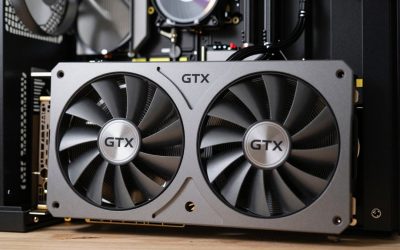
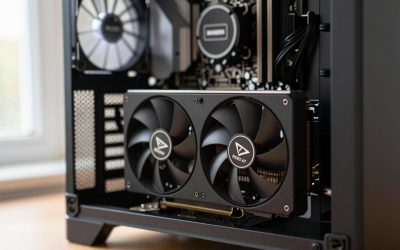
- Top Pick: ASUS Dual GeForce RTX 5060 Ti 16GB GDDR7 OC Edition Gaming Graphics Card
- Best Value: GIGABYTE Radeon RX 9070 XT Gaming OC 16G Graphics Card, PCIe 5.0, 16GB GDDR6, GV-R9070XTGAMING OC-16GD Video Card
- Premium Choice: GIGABYTE GeForce RTX 5070 Ti Gaming OC 16G Graphics Card, 16GB 256-bit GDDR7, PCIe 5.0, WINDFORCE Cooling System, GV-N507TGAMING OC-16GD Video Card
The Ryzen 7 9800X3D sits at an unusual position in the build landscape. It is one of the most capable gaming processors available, yet its 3D V-Cache advantage means that any GPU you pair with it will almost certainly be the limiting factor. That makes the pairing decision more consequential than usual, because you are committing to a premium platform and need a graphics card that fully exploits what the chip unlocks.
Three questions drive this guide. Will the GPU bottleneck before the CPU does? Does the card match the resolution you actually play at? And is there room to upgrade later without replacing the entire platform? The picks below answer those questions across every budget tier.
As an Amazon Associate we earn from qualifying purchases at no extra cost to you.


Quick Picks
| Pick | Tier | Why |
|---|---|---|
| ASUS Dual RTX 5060 Ti 16GB | Budget | High-refresh 1080p without wasting 9800X3D potential |
| GIGABYTE RX 9070 XT Gaming OC | Value | Strongest raw raster performance per dollar at 1440p |
| GIGABYTE RTX 5070 Ti Gaming OC | Performance | Ray tracing headroom for 1440p and entry 4K |
| ASUS TUF RTX 5080 | Enthusiast | Consistent 4K gaming without upscaling crutches |
| ASUS ROG Astral RTX 5090 | Uncompromising | Maximum frame rates and VRAM for future-proofing |
How We Chose
We selected GPUs that represent the clearest value inflection points when paired specifically with the 9800X3D. A card that is overkill for a cheaper CPU might be the sweet spot here, and vice versa. Performance figures below reflect approximate ranges drawn from launch coverage by TechPowerUp, Tom’s Hardware, Gamers Nexus, Hardware Unboxed, and TechSpot. Individual results will vary by driver version, test bench, and game settings.
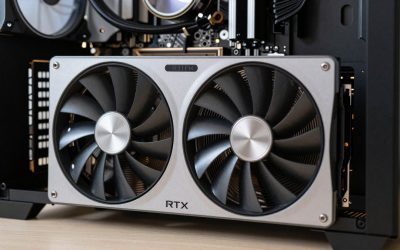
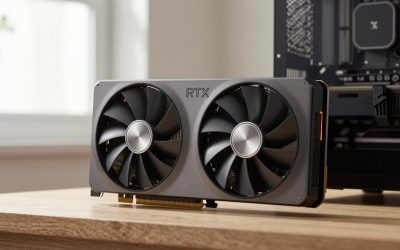
ASUS Dual GeForce RTX 5060 Ti 16GB GDDR7 OC Edition Gaming Graphics Card
This card makes sense for anyone who wants to enjoy the 9800X3D’s frame rate consistency in competitive and esports titles at 1080p without spending four figures on a GPU. TechPowerUp and TechSpot launch reviews place it roughly in the 130-170 fps range in demanding titles at 1080p with high settings, which the X3D chip sustains without throttling. At 1440p it remains playable in most titles but begins to show its limits in the heaviest new releases. It is the right entry point if your monitor is 1080p and you plan to upgrade the GPU in a year or two. The con here is that it is noticeably wide for a mid-range card, and its ray tracing performance trails its raster performance by a significant margin.
GIGABYTE Radeon RX 9070 XT Gaming OC 16G
The 9070 XT is the value champion at 1440p. Hardware Unboxed and Gamers Nexus benchmark suites consistently show it delivering 140-190 fps in demanding AAA titles at 1440p with ultra settings, making it the most natural GPU pairing for the 9800X3D at that resolution. The X3D’s cache ensures the CPU never pulls the chain here. At 4K it is playable with some settings adjustments, and at 1080p it is essentially unlimited by the card itself. AMD’s FSR 4 upscaling adds further headroom if needed. The primary drawback is ray tracing: it can compete when RT is enabled, but in the heaviest path-traced titles it falls behind NVIDIA options at a similar price point.
GIGABYTE GeForce RTX 5070 Ti Gaming OC 16G
If ray tracing matters to you and you play at 1440p, this is the card that lets the 9800X3D stretch its legs. Tom’s Hardware and TechPowerUp data suggest 150-200 fps in standard raster at 1440p, and roughly 90-130 fps with full RT and DLSS Quality enabled in titles that support it. At 4K it is a capable card with DLSS 4 frame generation bridging gaps in the heaviest releases. The X3D’s strength in 1% low performance means you get smoother frame pacing than a same-tier GPU on a lesser CPU would deliver. The downside is power draw and thermals under sustained load, which can make small-form-factor chassis a challenge for this particular cooler design.
ASUS TUF Gaming GeForce RTX 5080 16GB GDDR7 OC Edition
The 5080 is the enthusiast sweet spot for 4K gaming on this platform. Gamers Nexus and Hardware Unboxed reviews indicate 100-140 fps in the most demanding native 4K titles, rising to comfortable levels with DLSS 4 when you push settings to ultra. The 9800X3D keeps the CPU thread well clear of any bottleneck, which is critical at this tier because a slower processor would hold the card back in 1% low scenarios. At 1440p it is overkill, which is exactly what you want if you prioritize longevity. The con is simple math: you are paying a substantial premium over the 5070 Ti for roughly 15-20% more performance in most scenarios.
ASUS ROG Astral GeForce RTX 5090 32GB GDDR7 OC Edition
This is the card for people who built the 9800X3D system in 2026 as a multi-year platform and want zero compromise at 4K or beyond. Tom’s Hardware and TechPowerUp figures show 140-200 fps in native 4K across a broad range of titles, with the 32GB GDDR7 buffer handling texture-heavy scenarios that 16GB cards struggle with at max settings. Frame generation pushes it further still. The X3D is one of very few processors that will not limit this card in any gaming scenario we are aware of. The obvious drawbacks are price and physical size; this card will not fit in every chassis, and the cost of entry is difficult to justify for anyone not targeting the highest settings at 4K or higher.
Platform Costs to Budget For
The 9800X3D lives on AM5, so your motherboard choice is flexible within that socket. A solid B650 or B850 board handles all current and expected future CPUs on the platform, typically in the $150-$250 range. Pair it with at least 32GB of DDR5 running at 6000 MT/s with CL30 timings, which the X3D benefits from more than most chips due to cache interaction patterns. For cooling, the 9800X3D runs cooler than previous X3D parts thanks to its relocated cache, but a quality dual-tower air cooler or a 240mm AIO is still the minimum sensible investment to avoid thermal events during sustained loads.
Bottleneck Check by Resolution
At 1080p, even the RTX 5060 Ti is more likely to be the limiting component than the 9800X3D. The CPU simply does not bottleneck current-generation GPUs at this resolution. At 1440p the gap widens further in the GPU’s favor, and the 9070 XT or 5070 Ti represents the natural ceiling of what the platform needs without spending excessively. At 4K, the GPU does nearly all the work regardless of what CPU you use, meaning the 9800X3D’s advantage here is entirely about frame consistency and 1% lows rather than raw average fps. No pick in this guide will be CPU-limited on this platform at any mainstream resolution.
Our Verdict
The RX 9070 XT is the best GPU for Ryzen 7 9800X3D owners who want the strongest overall value proposition at 1440p. The RTX 5080 is the best choice for anyone targeting 4K without compromise. Everything else in this guide is a reasonable answer to a specific budget or use-case constraint.
FAQ
Does the 9800X3D bottleneck the RTX 5090?
No. In gaming scenarios, the 9800X3D does not limit the 5090 at any common resolution. The CPU’s 3D cache maintains 1% low performance at levels that prevent any perceptible stutter even when the GPU is saturating its own limits at 4K.
Is 16GB of VRAM enough for a GPU paired with this CPU?
At 1440p, yes, for the near term. At 4K with ultra textures and heavy mods, 16GB can become a constraint in specific titles. The 5090’s 32GB is the safe option for anyone prioritizing longevity at the highest resolutions.
Should I wait for a newer GPU or buy now?
The cards listed here are the current generation. The 9800X3D’s platform longevity on AM5 means a GPU upgrade in the future will be a simple swap. Buying the best card within your budget today is the more practical path than waiting.
Do I need a larger power supply for a high-end pick?
Yes. The 5080 and 5090 require 850W and 1000W or higher PSUs respectively, with good transient response. The 9800X3D draws modest power itself, so the GPU is almost entirely responsible for sizing your supply.
Sources and Methodology
All performance ranges in this guide are approximate and drawn from launch reviews by TechPowerUp, Tom’s Hardware, Gamers Nexus, Hardware Unboxed, and TechSpot. These outlets tested the referenced GPUs on their respective review platforms, which may include CPUs other than the 9800X3D. Figures are presented as ranges to account for test variation and should be treated as indicative rather than definitive.