- Top Pick: OHAYO 60W Computer Speakers for Music and Gaming, Active Bluetooth 5.3, Stereo 2.0 Speakers for Desktop PC or Laptop, 3.5mm Aux RCA USB Input, 1 Pair, Black
- Best Value: OHAYO 60W Computer Speakers for Gaming and Music, Active Bluetooth 5.3, Stereo 2.0 Speakers for Desktop PC Monitor or Laptop, Surround Sound Speaker, 3.5 mm Aux RCA Input, USB-Powered, 1 Pair, White
- Premium Choice: PreSonus Eris 3.5 Powered Studio Monitors, Pair — 3.5” Active Near
A gaming PC and a music-production PC want many of the same things, but the priorities are flipped. In a digital audio workstation (DAW) what matters most is a CPU with plenty of cores and threads to run virtual instruments, effects chains and mixing in real time, generous RAM to hold large sample libraries, fast storage, and — crucially — a machine that stays quiet so fan noise does not bleed into a recording. The GPU, the star of any gaming rig, is far less important here. This guide rounds up the best gaming PCs for music production in 2026: prebuilt desktops whose multi-core processors, memory and cooling make them genuinely good studio machines as well as capable gaming rigs.
- Best Gaming PCs for Music Production at a Glance
- 1. CLX Horus Gaming PC – AMD Ryzen 9 9950X3D, GeForce RTX 5080, 360mm Tryx Liquid Cooling
- 2. Skytech Gaming O11 Vision Gaming PC, AMD Ryzen 7 7800X3D, NVIDIA RTX 5060
- 3. Skytech Gaming O11 Vision Gaming PC, AMD Ryzen 7 7700X, NVIDIA RTX 5070
- 4. Skytech Gaming Azure 3 Desktop PC, Ryzen 7 7700X (5.4GHz boost), NVIDIA RTX 50-series
- 5. Skytech Gaming Azure 3 Gaming PC, AMD Ryzen 7 5700, NVIDIA RTX 5060
- 6. Skytech Gaming Archangel Gaming PC, Intel i5 14400F, NVIDIA RTX 5060, 1TB
- How to Choose a Gaming PC for Music Production
- Frequently Asked Questions
- Related Guides
- Related Articles
- Related Guides
Our picks were chosen on what actually drives a smooth session: CPU core and thread count for plug-in-heavy projects, RAM capacity for sample streaming, fast NVMe storage, and cooling that can run controlled and quiet rather than loud. We have included a deliberate price spread — from around $1,199 to around $5,499 — because the right studio PC depends on how demanding your projects are. We lead with the balanced, high-core builds that suit most producers and are honest about where a model is really a GPU-first gaming showpiece. Below you will find an at-a-glance comparison of all six, then a closer look at each and a buyer’s guide written specifically around cores, memory and acoustics.
As an Amazon Associate we earn from qualifying purchases at no extra cost to you.





🛒 Best Price Today on Amazon
Prime members get fast, free shipping on everything above, plus member-only deals. New members get a 30-day free trial — cancel anytime.
Best Gaming PCs for Music Production at a Glance
| PC | Best For | Standout Spec | Approx Price |
|---|---|---|---|
| CLX Horus (Ryzen 9 9950X3D) | Large, plug-in-heavy sessions | 16-core Ryzen 9, 360mm liquid cooling | around $5,499 |
| Skytech O11 Vision (Ryzen 7 7800X3D) | Balanced studio + gaming | 8-core X3D, airflow O11 case | around $1,899 |
| Skytech O11 Vision (Ryzen 7 7700X) | Mainstream DAW workhorse | 8-core Ryzen 7, RTX 5070 | around $1,999 |
| Skytech Azure 3 (Ryzen 7 7700X) | Value 8-core producer build | 8-core Ryzen 7, RTX 50-series | around $1,799 |
| Skytech Azure 3 (Ryzen 7 5700) | Budget home studio | 8-core Ryzen 7, RTX 5060 | around $1,299 |
| Skytech Archangel (Intel i5 14400F) | Entry studio starter | 10-core i5, 1TB storage | around $1,199 |
1. CLX Horus Gaming PC – AMD Ryzen 9 9950X3D, GeForce RTX 5080, 360mm Tryx Liquid Cooling

CLX Horus Gaming PC - AMD Ryzen 9 9950X3D 4.3GHz, GeForce RTX 5080, 360mm Tryx AIO, 96GB DDR5 RGB Memory, 4TB 990 EVO M.2, WiFi, Win 11 Home, Black, AI-Accelerated


As an Amazon Associate we earn from qualifying purchases. Product prices and availability are accurate as of the date/time indicated.
The CLX Horus is the flagship pick for serious music production, and it earns the spot on its processor alone. The Ryzen 9 9950X3D is a 16-core, 32-thread CPU — the kind of horsepower that lets a busy DAW project run dozens of virtual instruments, software synths and effect chains without the audio dropouts that plague lesser machines. Paired with a 360mm liquid cooler, that CPU can sustain heavy mixing loads while the large radiator keeps fan speeds, and noise, in check. At around $5,499 it is the premium option here.
For producers who build orchestral templates, layered electronic tracks or large session files, this is the machine that removes the CPU as a bottleneck. The high core count is exactly what real-time audio processing thrives on, the 360mm liquid loop is the quiet-running choice for long studio sessions, and there is ample headroom for big sample libraries in memory. The RTX 5080 is overkill for audio work, so view it as a bonus for gaming rather than a reason to buy — but if you want a no-compromise studio and gaming hybrid, the Horus is the standout.
Pros: 16-core Ryzen 9 9950X3D for plug-in-heavy DAWs, 360mm liquid cooling runs quiet under load, huge headroom.
Cons: Highest price here by far; the RTX 5080 GPU is wasted on pure audio work.
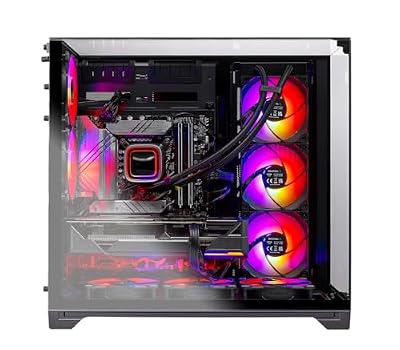
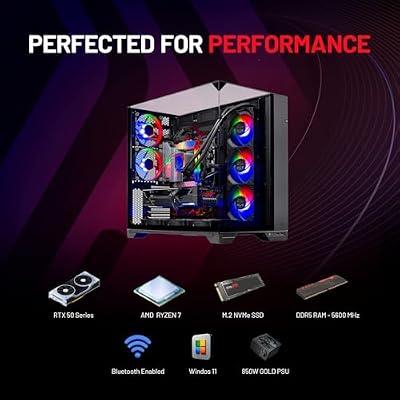
2. Skytech Gaming O11 Vision Gaming PC, AMD Ryzen 7 7800X3D, NVIDIA RTX 5060
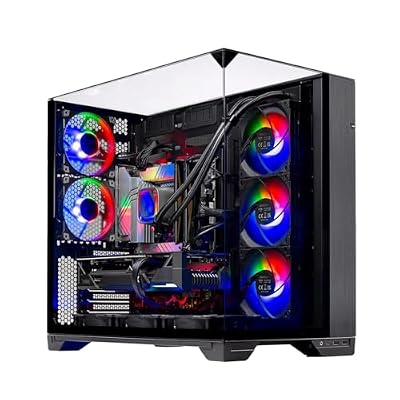
Skytech Gaming O11 Vision Gaming PC, AMD Ryzen 7 7700X 4.5GHz, NVIDIA RTX 5070 12GB, X670 Board, 1TB Gen4 NVMe SSD, 32GB DDR5 RAM 5600, 850W Gold ATX 3 PSU, 360 ARGB AIO, Wi-Fi, Win 11, Desktop







As an Amazon Associate we earn from qualifying purchases. Product prices and availability are accurate as of the date/time indicated.
The Skytech O11 Vision with the Ryzen 7 7800X3D is the balanced pick that suits most producers. Its eight-core, sixteen-thread X3D processor delivers the strong multi-threaded performance DAWs need for tracking and mixing, and the popular O11-style case is built around airflow, which helps the system run cool and controlled rather than ramping fans into your microphone. At around $1,899 it strikes a sensible balance between studio capability and cost.
This is the machine for the home or project-studio producer who wants real headroom for instruments and effects without the flagship outlay. The eight-core X3D chip handles substantial plug-in counts comfortably, the airflow-focused chassis supports quiet, steady cooling for recording, and the modest RTX 5060 keeps the price down while still covering casual gaming. For a producer who values cores, sensible acoustics and value over a big graphics card, this is the well-rounded choice and our pick of the mainstream Skytech builds for the studio.
Pros: 8-core X3D CPU ideal for DAWs, airflow case aids quiet cooling, balanced studio value.
Cons: Modest GPU; 360mm-class cooling on pricier models runs even quieter.
3. Skytech Gaming O11 Vision Gaming PC, AMD Ryzen 7 7700X, NVIDIA RTX 5070
Skytech Gaming O11 Vision Gaming PC, AMD Ryzen 7 7700X 4.5GHz, NVIDIA RTX 5070 12GB, X670 Board, 1TB Gen4 NVMe SSD, 32GB DDR5 RAM 5600, 850W Gold ATX 3 PSU, 360 ARGB AIO, Wi-Fi, Win 11, Desktop
As an Amazon Associate we earn from qualifying purchases. Product prices and availability are accurate as of the date/time indicated.
The Skytech O11 Vision with the Ryzen 7 7700X is a strong mainstream studio workhorse. The 7700X is an eight-core, sixteen-thread processor with plenty of multi-threaded grunt for running a DAW’s mixer, virtual instruments and effects, and it sits in the same airflow-oriented O11-style case that helps keep temperatures and fan noise under control. At around $1,999 it pairs that capable CPU with a more powerful RTX 5070 for those who also game seriously.
This is the pick for a producer who wants a dependable eight-core engine for music work and a genuinely capable graphics card on the side. For audio, the core count is the headline: it gives you room to stack instruments and plug-ins before you hit the CPU ceiling, while the well-ventilated chassis supports the quiet, sustained operation a recording space needs. The RTX 5070 is more than audio requires, so think of it as a dual-purpose bonus. As a do-it-all studio-and-gaming desktop with ample cores, the 7700X O11 Vision is an easy recommendation.
Pros: 8-core 7700X handles big DAW projects, airflow case for quiet running, capable RTX 5070 for dual use.
Cons: GPU exceeds audio needs; X3D models edge it on raw multi-thread headroom.
4. Skytech Gaming Azure 3 Desktop PC, Ryzen 7 7700X (5.4GHz boost), NVIDIA RTX 50-series

Skytech Gaming PC Azure 3, Ryzen 7, RTX 5070 Ti, 32GB RAM, 1TB SSD | Windows 11, AMD 7800X3D, NVIDIA 5070 Ti, Gen4 NVMe SSD, DDR5 5600, 850W GOLD ATX 3 PSU, 360 ARGB AIO , Wi-Fi 5


As an Amazon Associate we earn from qualifying purchases. Product prices and availability are accurate as of the date/time indicated.
The Skytech Azure 3 with the Ryzen 7 7700X is the value eight-core producer build. It brings the same capable eight-core, sixteen-thread 7700X — boosting up to 5.4GHz — to a more affordable chassis, giving you the multi-threaded performance music production rewards at a lower entry point. At around $1,799 it is a smart way to get serious DAW headroom without paying for a flagship case or top-tier graphics.
This is the machine for the cost-conscious producer who prioritises cores and value over showpiece looks. The 7700X gives you the thread count to run instrument-heavy projects and a deep mix, fast NVMe storage keeps sample loading and project saves quick, and the included RTX 50-series GPU covers gaming and any light visual work. To keep it quiet in a recording space, a well-set fan curve helps, but the fundamentals — cores, memory headroom and fast storage — are exactly what a studio build needs. For eight-core performance on a sensible budget, the Azure 3 is a strong value pick.
Pros: 8-core 7700X at a lower price, fast NVMe storage, strong multi-thread value for DAWs.
Cons: Standard airflow case; tune fan curves for the quietest recording sessions.
5. Skytech Gaming Azure 3 Gaming PC, AMD Ryzen 7 5700, NVIDIA RTX 5060
The Skytech Azure 3 with the Ryzen 7 5700 is the budget home-studio pick. It still offers an eight-core, sixteen-thread processor — the thread count that matters most for running a DAW — at a more accessible price, paired with an RTX 5060 and a 1TB drive. At around $1,299 it is one of the most affordable ways to get a true eight-core machine for music production.
This is the desktop for the newer or budget-minded producer building a first real studio PC. Eight cores give you genuine room to run virtual instruments and effects in moderate projects, the 1TB of storage holds your DAW, plug-ins and a starter sample collection, and the RTX 5060 covers casual gaming. The 5700 is a previous-generation chip rather than the latest X3D, so very large, plug-in-saturated sessions will favour the pricier builds, but for songwriting, beat-making and mixing typical projects it is plenty. As an affordable eight-core foundation for a home studio, it delivers the essentials well.
Pros: Affordable 8-core CPU, 1TB storage, capable foundation for typical home-studio projects.
Cons: Previous-gen CPU; very large plug-in sessions suit the higher-core builds.
6. Skytech Gaming Archangel Gaming PC, Intel i5 14400F, NVIDIA RTX 5060, 1TB

Skytech Gaming PC Desktop, Intel i5 14400F, RTX 5060, 16GB RAM, 1TB SSD | Windows 11, NVMe SSD, DDR5 6000, 750W GOLD PSU, Wi-Fi 5, Archangel 5 Series


As an Amazon Associate we earn from qualifying purchases. Product prices and availability are accurate as of the date/time indicated.
Rounding out the list is the Skytech Archangel with the Intel Core i5 14400F, the entry studio starter. The i5 14400F is a ten-core processor (combining performance and efficiency cores) that brings capable multi-core performance to the most affordable price here, paired with an RTX 5060 and a 1TB drive. At around $1,199 it is the budget gateway into a desktop that can handle a DAW.
This is the machine for someone starting out in music production who needs a capable, affordable PC rather than a studio flagship. The ten-core i5 manages tracking, MIDI work and moderate mixing well, the 1TB drive gives space for your software and projects, and the RTX 5060 handles casual gaming. As an Intel-based build it is a strong value, though heavy real-time projects with many demanding plug-ins will eventually favour the higher-core Ryzen models above. For a first studio PC or a capable songwriting and recording machine on a tight budget, the Archangel is a sensible entry point.
Pros: 10-core i5 at the lowest price here, 1TB storage, capable entry studio machine.
Cons: Lowest core ceiling here; heavy plug-in mixes favour the 8-core+ Ryzen builds.
How to Choose a Gaming PC for Music Production
The single most important component for music production is the CPU, and specifically its core and thread count. A DAW spreads virtual instruments, effects and mixing across as many threads as it can, so more cores translate directly into more plug-ins running in real time before you hit dropouts. That is why this guide leads with high-core machines like the 16-core CLX Horus and the eight-core X3D and 7700X Skytech builds — for audio, those cores matter far more than the graphics card that sells a gaming PC.
RAM and storage come next, because they decide how smoothly large projects load and stream. Sample-based instruments and big orchestral libraries can consume a lot of memory, so generous RAM keeps everything responsive, while a fast NVMe SSD streams samples and saves projects quickly. Every build here includes fast NVMe storage; if you work with extensive sample libraries, plan to add more RAM and a second drive over time, and prioritise capacity for the libraries you actually use.
Acoustics are the detail most gaming-focused buyers overlook but every producer should weigh. If you record with a microphone in the same room, fan and pump noise can bleed into your takes, so a machine that runs cool and quiet is a real advantage. Liquid cooling with a large radiator, like the 360mm loop on the CLX Horus, and airflow-oriented cases like the O11-style Skytech chassis help keep the system controlled and quiet under sustained load. A sensible fan curve and placing the tower a little further from the mic help too.
Finally, be honest about the GPU and match the build to your projects and budget. A powerful graphics card does little for pure audio work, so do not overpay for one unless you also game seriously or do visual production — for a studio-only machine, cores, memory and quiet cooling are where your money is best spent. Decide how demanding your sessions are, prioritise thread count and RAM headroom, favour a quiet-running cooler, and pick the PC on this list that fits how you make music.
Frequently Asked Questions
How many CPU cores do I need for music production?
More than you might think, because a DAW spreads instruments, effects and mixing across threads. An eight-core, sixteen-thread chip like the Ryzen 7 7700X or 7800X3D in the Skytech builds handles substantial projects comfortably, while the 16-core Ryzen 9 9950X3D in the CLX Horus suits very large, plug-in-heavy sessions. Core count, not the graphics card, is the specification that most affects real-time audio performance.
Does the graphics card matter for a music production PC?
Not much for pure audio work. A DAW relies on the CPU, RAM and storage rather than the GPU, so a powerful card like the RTX 5080 in the CLX Horus is essentially a gaming bonus rather than a studio benefit. If you only produce music, you can prioritise cores and quiet cooling over the GPU; if you also game or do video work, a stronger card earns its place.
Why does a quiet PC matter for recording?
If you record with a microphone in the same room, fan and pump noise can be captured in your takes and is hard to remove afterward. A machine that runs cool and quiet — helped by a large liquid-cooling radiator like the CLX Horus’s 360mm loop or an airflow-focused case like the Skytech O11 Vision — keeps the noise floor low. A gentle fan curve and a little distance between the tower and the mic help further.
Can these gaming PCs be used as a real studio computer?
Yes. Because they pair high-core processors with plenty of RAM and fast NVMe storage, builds like the eight-core Skytech O11 Vision models or the 16-core CLX Horus make capable DAW machines as well as gaming rigs. The main adjustment is acoustic — favour the quieter-cooled models and tune fan curves — but the underlying hardware is exactly what music production rewards.
Related Guides
- Best Gaming PCs
- Best NVMe SSDs
- Best RAM for Your Build
- Best Gaming Monitors
- Best CPU Coolers
- Best Gaming Headsets
Affiliate Disclosure: As an Amazon Associate, we earn from qualifying purchases. If you click a link and make a purchase, we may earn a small commission at no extra cost to you. Prices and availability are accurate as of publication and may change.