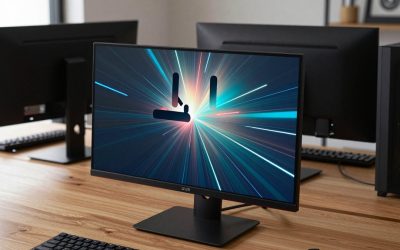
- Top Pick: Dell Precision 3620 / T3620 Entry Level Music Production Workstation PC, Intel i7-6700 up to 4.0GHz 32GB DDR4 RAM, 512GB SSD + 2TB HDD, Intel HD Graphics 530, HDMI, USB 3.0, Windows 11 Pro (Renewed)
- Best Value: Akai Professional MPC Key 37 G2 Next-Gen Standalone Production Keyboard
- Premium Choice: Native Instruments Maschine Mk3 Drum Controller
🛒 Best Price Today on Amazon
Prime members get fast, free shipping on everything above, plus member-only deals. New members get a 30-day free trial — cancel anytime.
- Top Music Production Cpus Picks for 2026
- Best Music Production CPUs at a Glance
- 1. AMD Ryzen 7 5700X 8-Core, 16-Thread Unlocked Desktop Processor
- 2. AMD Ryzen 7 5800X 8-Core, 16-Thread Unlocked Desktop Processor
- 3. AMD Ryzen 7 5700G 8-Core, 16-Thread Processor with Radeon Graphics
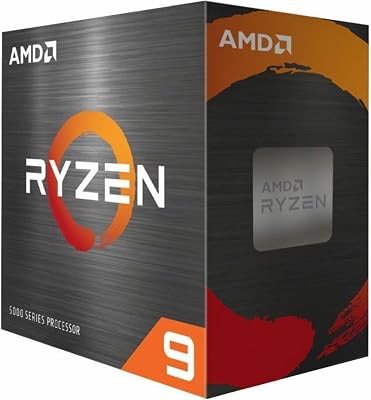
- 4. AMD Ryzen 5 5600X 6-Core, 12-Thread Processor with Wraith Stealth Cooler
- 5. AMD Ryzen 5 5600G 6-Core, 12-Thread Processor with Radeon Graphics
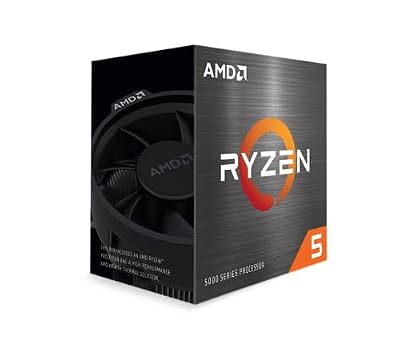
- 6. AMD Ryzen 5 5500 6-Core, 12-Thread Processor with Wraith Stealth Cooler
- How to Choose a CPU for Music Production
- Frequently Asked Questions
- Related Guides
- Related Articles
- Related Guides
Top Music Production Cpus Picks for 2026
Here are our current top music production cpus picks, compared on real Amazon owner reviews, price, and features. Live prices update below.
As an Amazon Associate we earn from qualifying purchases at no extra cost to you.




Music production asks for a specific kind of processor. A big session in a DAW like Ableton, FL Studio, Logic or Cubase can stack dozens of tracks, virtual instruments and CPU-hungry plugins, all of which need to be processed in real time while you monitor with the lowest possible latency. That combination — many simultaneous tracks plus tight, glitch-free low-latency monitoring — is what separates a great music production CPU from an ordinary one, and it leans heavily on core count and strong per-core performance. This guide rounds up the best music production CPUs in 2026, focused on multi-core AMD Ryzen processors that keep large projects stable and monitoring tight.
Our picks were chosen on what genuinely matters for a DAW workstation: core and thread count for running many tracks and plugins, per-core performance for responsive low-latency work, value, and whether a chip includes a cooler or graphics. They are all from AMD’s well-regarded Ryzen 5000 family, a popular, mature and affordable platform for audio, and we are clear about which are standard CPUs needing a graphics card and which are APUs with built-in graphics. Prices run from around $84 up to around $248. Below is an at-a-glance comparison of all six, then a closer look at each and a buyer’s guide built around cores, latency and value for music production.
Best Music Production CPUs at a Glance
| Processor | Best For | Standout Spec | Approx Price |
|---|---|---|---|
| AMD Ryzen 7 5700X | Large projects, plugin-heavy mixes | 8 cores / 16 threads, unlocked | around $248 |
| AMD Ryzen 7 5800X | High-performance DAW work | 8 cores / 16 threads, higher clocks | around $210 |
| AMD Ryzen 7 5700G | All-in-one audio build | 8 cores / 16 threads, Radeon graphics | around $208 |
| AMD Ryzen 5 5600X | Best value for producers | 6 cores / 12 threads, includes cooler | around $180 |
| AMD Ryzen 5 5600G | Compact build, no GPU needed | 6 cores / 12 threads, Radeon graphics | around $185 |
| AMD Ryzen 5 5500 | Budget DAW starter | 6 cores / 12 threads, includes cooler | around $84 |
1. AMD Ryzen 7 5700X 8-Core, 16-Thread Unlocked Desktop Processor

As an Amazon Associate we earn from qualifying purchases. Product prices and availability are accurate as of the date/time indicated.
The AMD Ryzen 7 5700X leads this list for music production because it pairs a generous eight cores and sixteen threads with excellent efficiency, making it a superb engine for large, plugin-heavy sessions. It is an unlocked Ryzen 5000 processor that runs cool and slots into the affordable AM4 platform. At around $248 it is the priciest pick here, and for serious producers it earns it.
For a DAW workstation, those eight cores and sixteen threads are exactly what you want: more threads mean more simultaneous tracks, virtual instruments and demanding plugins running without crackles or dropouts, and the headroom lets you push buffer sizes lower for tighter monitoring latency. The 5700X’s efficiency also keeps it cool and quiet, which matters in a studio. If your projects are large and your plugin chains heavy, the eight-core 5700X is the music production pick to build around.
Pros: Eight cores and sixteen threads for big sessions, efficient and cool-running, unlocked, ideal for low-latency work.
Cons: Highest price here; does not include a cooler or integrated graphics.
2. AMD Ryzen 7 5800X 8-Core, 16-Thread Unlocked Desktop Processor


As an Amazon Associate we earn from qualifying purchases. Product prices and availability are accurate as of the date/time indicated.
The AMD Ryzen 7 5800X is the high-performance eight-core pick. It shares the 5700X’s eight cores and sixteen threads but pushes higher clock speeds, trading some efficiency for extra per-core grunt. It is fully unlocked on the AM4 platform, and at around $210 it offers flagship-class eight-core performance at a competitive price.
For music production this chip delivers both halves of the equation: eight cores and sixteen threads for running many tracks and plugins at once, plus higher clock speeds for snappy, responsive performance in latency-sensitive tasks like recording and live monitoring. Strong per-core speed helps single-threaded plugin processing and keeps the DAW feeling immediate. The 5800X runs warmer than the 5700X, so pair it with a capable cooler, but for a producer who wants maximum eight-core performance for demanding sessions, it is an excellent choice.

Pros: Eight cores and sixteen threads with higher clocks, strong per-core speed, great for demanding low-latency work.
Cons: Runs hotter and needs a good cooler; no bundled cooler or integrated graphics.
3. AMD Ryzen 7 5700G 8-Core, 16-Thread Processor with Radeon Graphics

AMD Ryzen™ 7 5700G 8-Core, 16-Thread Desktop Processor with Radeon™ Graphics


As an Amazon Associate we earn from qualifying purchases. Product prices and availability are accurate as of the date/time indicated.
The AMD Ryzen 7 5700G is the all-in-one pick, an eight-core, sixteen-thread APU with Radeon graphics built in. That integrated graphics is the key distinction: it lets you build a complete music production machine without a separate video card, which simplifies the build and lowers cost. At around $208 it brings eight-core capability and onboard graphics together.
For a producer this is the chip to choose when you want eight cores for handling large sessions but have no need for a dedicated GPU — which is common in audio work, since DAWs rely on the CPU, not the graphics card. The built-in Radeon graphics drive your monitors perfectly well for music software, the eight cores and sixteen threads handle plenty of tracks and plugins, and skipping a graphics card frees up budget for interfaces or monitors. For a clean, self-contained eight-core audio build, the 5700G is a smart, space-saving pick.
Pros: Eight cores and sixteen threads with built-in Radeon graphics, no GPU needed, ideal for a self-contained studio PC.
Cons: APU has slightly less cache than the 5700X/5800X; integrated graphics, not for heavy 3D.
4. AMD Ryzen 5 5600X 6-Core, 12-Thread Processor with Wraith Stealth Cooler

AMD Ryzen 5 5600X 6-core, 12-thread unlocked desktop processor with Wraith Stealth cooler

As an Amazon Associate we earn from qualifying purchases. Product prices and availability are accurate as of the date/time indicated.
The AMD Ryzen 5 5600X is the best-value pick for music production, and the chip most home-studio producers should look at first. It offers six cores and twelve threads with strong per-core performance, and crucially it includes the Wraith Stealth cooler in the box. At around $180 — cooler included — it is outstanding value for a capable DAW processor.
For the vast majority of producers, six cores and twelve threads comfortably handle real-world sessions with plenty of tracks, instruments and plugins, while the 5600X’s excellent per-core speed keeps low-latency monitoring tight and the DAW responsive. Including a competent cooler means it runs quietly out of the box with nothing extra to buy, which suits a studio. Unless your projects are genuinely enormous, the 5600X delivers the performance you need for noticeably less money, making it the value sweet spot of this list.
Pros: Six cores and twelve threads, strong per-core speed for low-latency work, includes a cooler, superb value.
Cons: Six cores rather than eight; very large plugin-heavy projects favour the Ryzen 7 chips.
5. AMD Ryzen 5 5600G 6-Core, 12-Thread Processor with Radeon Graphics

AMD Ryzen™ 5 5600G 6-Core 12-Thread Desktop Processor with Radeon™ Graphics

As an Amazon Associate we earn from qualifying purchases. Product prices and availability are accurate as of the date/time indicated.
The AMD Ryzen 5 5600G is the compact, no-GPU-needed pick. It is a six-core, twelve-thread APU with Radeon graphics integrated, letting you build a complete, affordable music production PC without a separate graphics card. At around $185 it brings six-core capability and onboard graphics together for small studio builds.
This is the processor to choose for a tidy, budget-conscious audio machine — a small-form-factor or starter studio PC where you do not want or need a dedicated GPU. The integrated Radeon graphics run your DAW and monitors without issue, the six cores and twelve threads handle a healthy number of tracks and plugins for typical projects, and skipping a graphics card keeps the build compact and cheaper. For a self-contained six-core production PC that leaves room in the budget for audio gear, the 5600G is a sensible, space-saving choice.
Pros: Six cores and twelve threads with built-in Radeon graphics, no GPU required, great for compact studio builds.
Cons: APU trades some cache versus the 5600X; integrated graphics rather than discrete.
6. AMD Ryzen 5 5500 6-Core, 12-Thread Processor with Wraith Stealth Cooler

AMD Ryzen 5 5500 6-Core, 12-Thread Unlocked Desktop Processor with Wraith Stealth Cooler


As an Amazon Associate we earn from qualifying purchases. Product prices and availability are accurate as of the date/time indicated.
Rounding out the list is the AMD Ryzen 5 5500, the budget DAW starter. It offers six cores and twelve threads and includes the Wraith Stealth cooler, and at around $84 it is comfortably the most affordable processor here. It is the entry point for getting into music production on a real budget.
This is the chip for a first studio PC or a cost-conscious build where you want genuine multi-core capability without spending much. Six cores and twelve threads are plenty for learning the ropes and running moderate sessions with a reasonable track and plugin count, and the included cooler means there is nothing else to buy to get started. It is worth being honest that its per-core performance and cache trail the pricier 5600X and Ryzen 7 chips, so very large, latency-critical projects will outgrow it — but as an affordable foundation for a beginner producer, the 5500 punches well above its price.

Pros: Very affordable, six cores and twelve threads, includes a cooler, great budget starting point.
Cons: Lower per-core performance and cache than the 5600X; large pro sessions will outgrow it.
How to Choose a CPU for Music Production
For music production, core and thread count is the foundation, because a DAW spreads tracks, virtual instruments and plugins across as many threads as it can. More cores and threads mean you can run more simultaneous tracks and demanding plugins before you hear crackles or dropouts. Eight-core, sixteen-thread chips like the Ryzen 7 5700X, 5800X and 5700G give serious producers real headroom for big sessions, while six-core, twelve-thread processors like the Ryzen 5 5600X, 5600G and 5500 handle the typical home-studio project comfortably. Match the core count to how large your sessions actually get.
Per-core performance is the other half of the equation, and it is what keeps monitoring tight and low-latency. When you record or play a virtual instrument live, you want the smallest possible buffer size for minimal delay, and a single overloaded core can cause glitches even when others are idle — so strong single-thread speed matters as much as raw core count. Higher-clocked chips like the 5800X and the efficient 5700X and 5600X excel here, keeping the DAW responsive and low-latency monitoring stable. For latency-sensitive work, do not chase cores alone; prioritise good per-core speed too.
Integrated graphics versus a discrete card is a decision audio producers should make deliberately, because music software leans on the CPU rather than the GPU. If you do not game or do graphics work on the same machine, an APU like the 5700G or 5600G — with Radeon graphics built in — lets you skip a graphics card entirely, simplifying the build and freeing budget for an audio interface, monitors or plugins. If you already own or want a GPU, the standard 5700X, 5800X, 5600X and 5500 leave the choice to you. For a pure studio PC, integrated graphics are often all you need.
Finally, weigh value, cooling and the rest of the system together. Some chips, like the 5600X and 5500, include a competent cooler in the box, which saves money and noise in a studio, while hotter or higher-end chips like the 5800X benefit from a stronger aftermarket cooler for quiet operation. Remember that a stable, low-latency studio also depends on plenty of fast RAM, a quick SSD for sample libraries, and a good audio interface — the CPU is central but not the whole picture. Set your session size, prioritise the right balance of cores and per-core speed, decide whether you need integrated graphics, and pick the processor on this list that fits your studio and budget.
Frequently Asked Questions
How many CPU cores do I need for music production?
It depends on your session size. Six cores and twelve threads, as on the Ryzen 5 5600X, comfortably handle the typical home-studio project with plenty of tracks, instruments and plugins. If you build very large, plugin-heavy sessions or run many virtual instruments at once, an eight-core, sixteen-thread chip like the Ryzen 7 5700X or 5800X gives valuable headroom. Match the core count to how demanding your projects realistically are.
Does CPU speed affect audio latency?
Yes, indirectly but importantly. Low-latency monitoring relies on running a small audio buffer, and a CPU that cannot keep up — especially a single overloaded core — produces crackles and dropouts at low buffer sizes. Strong per-core performance, as on the higher-clocked Ryzen chips here, helps the DAW process audio in time and lets you run tighter buffers, so good single-thread speed matters alongside core count for responsive, glitch-free monitoring.
Do I need a graphics card for a music production PC?
Usually not. DAWs and most audio plugins rely on the CPU rather than the graphics card, so for a pure studio machine an APU with integrated graphics — like the Ryzen 7 5700G or Ryzen 5 5600G — drives your monitors perfectly well and lets you skip a separate GPU. That simplifies the build and frees budget for audio gear. You only need a discrete graphics card if you also game or do graphics-heavy work on the same PC.
Is an eight-core chip worth it over a six-core for a DAW?
Only if your projects demand it. For most producers, a six-core, twelve-thread chip like the Ryzen 5 5600X handles real-world sessions with room to spare and offers the best value. An eight-core, sixteen-thread processor like the Ryzen 7 5700X or 5800X is worth the extra cost if you regularly build large, plugin-heavy sessions or run many virtual instruments simultaneously and need the additional headroom. Buy the cores your sessions actually require.
Related Guides
- Best CPUs for Video Editing
- Best RAM for Your Build
- Best NVMe SSDs
- Best CPU Air Coolers
- Best Microphones for Recording
- Best Budget PC Setup
Affiliate Disclosure: As an Amazon Associate, we earn from qualifying purchases. If you click a link and make a purchase, we may earn a small commission at no extra cost to you. Prices and availability are accurate as of publication and may change.