- Top Pick: OHAYO 60W Computer Speakers for Music and Gaming, Active Bluetooth 5.3, Stereo 2.0 Speakers for Desktop PC or Laptop, 3.5mm Aux RCA USB Input, 1 Pair, Black
- Best Value: KSIPZE LED Lights for TV, 16.5ft TV led Backlight for 45-75 Inch TVs RGB TV Backlight Behind Music Sync Smart APP & Button Control TV LED Strip Lights USB Powered for Bedroom/Gaming
- Premium Choice: NBBUFF 16.4FT USB RGB Led Lights for TV 32-75Inch with Remote & App Control
Here is the honest truth: a television has nothing to do with how your music sounds. Audio quality in a studio comes from your interface, monitors, room treatment and ears — not the screen. What a large 4K TV genuinely does for music production is give your eyes room to work. A modern DAW session sprawls: a long arrangement timeline, a tall mixer with dozens of channels, automation lanes, a piano roll and several plugin windows all competing for space. A big, sharp panel lets you see more of that session at once instead of constantly scrolling and resizing. This guide rounds up the best gaming TVs in 2026 to serve as that studio display.
- Best Gaming TVs for a Music-Production Studio at a Glance
- 1. Samsung 48-Inch OLED S90D 4K UHD Smart TV Bundle with Quantum HDR+, 144Hz Gaming
- 2. LG 77-Inch Class OLED evo C4 Series Smart TV with Magic Remote
- 3. Samsung 70-Inch Class Crystal UHD U8000F 4K Smart TV (2026 Model)
- 4. Samsung 65-Inch Class QLED Q7F Series Vision AI Smart TV (2026 Model)
- 5. Sony 75-Inch Class 4K Ultra HD BRAVIA 3 LED Smart TV with Google TV, Dolby Vision
- 6. Samsung 85-Inch Class 4K Crystal UHD DU8000 Series with Object Tracking Sound
- How to Choose a TV for Your Music-Production Studio
- Frequently Asked Questions
- Related Guides
- Related Articles
- Related Guides
Our picks were chosen for the studio desk: 4K resolution so timeline labels and tiny plugin text stay crisp, generous size so the mixer and arrangement fit together, low input lag (Game Mode) so editing feels immediate, and panel behaviour that suits a dim, glare-prone room. Prices run from around $478 to around $1,600, including an OLED that excels in a darkened studio. None of these is a colour-accurate reference monitor for video scoring or album-art work, and we say so where it matters — but as a spacious, responsive canvas for a DAW, each fits the role. Below is an at-a-glance comparison, then a closer look at every set and a buyer’s guide written for the producer’s desk.
As an Amazon Associate we earn from qualifying purchases at no extra cost to you.


🛒 Best Price Today on Amazon
Prime members get fast, free shipping on everything above, plus member-only deals. New members get a 30-day free trial — cancel anytime.
Best Gaming TVs for a Music-Production Studio at a Glance
| TV | Best For | Standout Spec | Approx Price |
|---|---|---|---|
| Samsung 48″ OLED S90D Bundle | Dim-studio clarity, deep blacks | 48″ OLED, 144Hz | around $1,598 |
| LG 77″ OLED evo C4 | Large OLED studio canvas | 77″ OLED evo, Magic Remote | around $2,000 |
| Samsung 70″ Crystal UHD U8000F | Best value DAW display | 70″ 4K Crystal UHD | around $478 |
| Samsung 65″ QLED Q7F Vision AI | Bright-room QLED desk panel | 65″ 4K QLED | around $700 |
| Sony 75″ BRAVIA 3 4K Google TV | Big-screen mixer + media | 75″ 4K, Google TV, Dolby Vision | around $848 |
| Samsung 85″ Crystal UHD DU8000 | Wall-sized arrangement view | 85″ 4K, Object Tracking Sound | around $1,300 |
1. Samsung 48-Inch OLED S90D 4K UHD Smart TV Bundle with Quantum HDR+, 144Hz Gaming
The Samsung 48-inch OLED S90D leads this studio list because OLED is genuinely well suited to the producer’s environment. It is a 48-inch 4K OLED panel with Quantum HDR+ and a 144Hz refresh, and its self-lit pixels deliver perfect blacks, infinite contrast and excellent off-angle clarity. At around $1,598 as a bundle it is a premium but compelling studio display.
For music production in a typically dim, light-controlled room, OLED’s deep blacks and per-pixel contrast make a dark DAW interface look crisp and easy on the eyes through long late-night sessions, with no backlight glow washing out the blacks. The 48-inch size is the most desk-friendly here, sitting close without dominating, while 4K keeps tiny plugin text and timeline labels sharp and the 144Hz panel plus Game Mode make editing feel instant. It is not a calibrated reference display for colour-critical scoring or artwork, so keep that on a proper monitor — but as a sharp, high-contrast studio canvas, the OLED S90D is the standout.
Pros: OLED perfect blacks ideal for a dim studio, desk-friendly 48″, 4K sharpness, 144Hz with Game Mode.
Cons: Premium price; OLED needs care with static DAW elements over very long static periods.
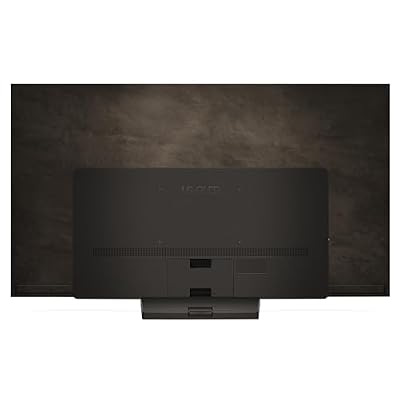
2. LG 77-Inch Class OLED evo C4 Series Smart TV with Magic Remote

LG 77-Inch Class OLED evo C4 Series Smart TV 4K Processor Flat Screen with Magic Remote AI-Powered with Alexa Built-in (OLED77C4PUA, 2024)




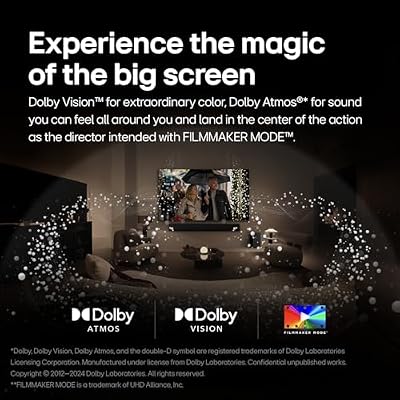



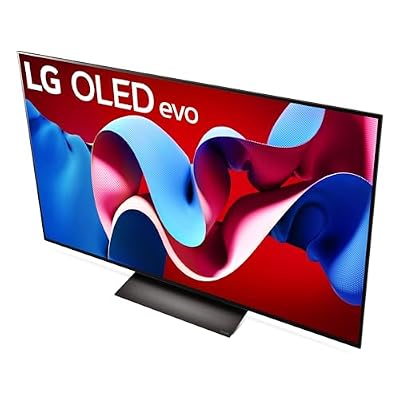




As an Amazon Associate we earn from qualifying purchases. Product prices and availability are accurate as of the date/time indicated.
The LG 77-inch OLED evo C4 is the large OLED studio pick, pairing the same self-lit OLED strengths with a vast 77-inch canvas. LG’s OLED evo panel brightens the picture over standard OLED, the webOS platform and Magic Remote make navigation easy, and Game Mode keeps input lag low. It is the premium big-screen option here.
For a producer who wants to see an entire session at a glance, 77 inches of OLED is luxurious: the arrangement timeline, a full mixer and several plugin windows can all sit open together, with OLED’s perfect blacks keeping a dark DAW theme looking clean across the whole surface. The off-angle clarity means the edges of the big panel stay accurate as you lean around the desk, and 4K keeps text legible even at this size when you sit an appropriate distance back. As ever it is a consumer TV rather than a colour-reference monitor, so it is for layout and editing rather than critical colour work — but as a huge, high-contrast studio display, the C4 is hard to top.
Pros: Large 77″ OLED evo canvas, brighter OLED, perfect blacks, webOS and Magic Remote, low-lag Game Mode.
Cons: Highest price here; big footprint; consumer colour calibration only.
3. Samsung 70-Inch Class Crystal UHD U8000F 4K Smart TV (2026 Model)
The Samsung 70-inch U8000F is the best-value DAW display, and the sensible starting point for most producers. It is a 70-inch 4K Crystal UHD panel with Tizen, multiple HDMI inputs and a low-lag Game Mode. At around $478 it offers a huge amount of usable workspace for a fraction of the OLEDs’ cost.
For music production the appeal is straightforward real estate: 70 inches of 4K lets you stretch the arrangement timeline wide while keeping the mixer and a couple of plugin windows in view, so you scroll and resize far less. The Crystal UHD panel keeps channel labels and small plugin text readable, and Game Mode makes click-and-drag editing feel responsive rather than laggy. It is an LCD rather than OLED, so blacks are not as deep in a dark studio, and it is not colour-calibrated — but if you want maximum DAW workspace per dollar and can live without OLED contrast, this is the value champion of the list.
Pros: Large 70″ 4K canvas at a low price, Game Mode, multiple HDMI, plenty of DAW workspace.
Cons: LCD blacks less inky than OLED in a dim room; consumer colour calibration.
4. Samsung 65-Inch Class QLED Q7F Series Vision AI Smart TV (2026 Model)
The Samsung 65-inch Q7F is the bright-room QLED pick. Its quantum-dot panel gets punchier and more saturated than Crystal UHD and handles ambient light better than OLED, making it a strong choice for a studio that is not blacked out. It runs Samsung’s Vision AI platform with Game Mode and several HDMI inputs, at a desk-friendly 65-inch size.
For a producer working in a brighter room — a spare bedroom studio with a window, say — QLED’s higher brightness keeps the DAW readable where OLED might feel dim or show reflections, and the 65-inch size sits comfortably close on a desk. The quantum-dot panel renders mixer text and timeline detail crisply, and the low-lag Game Mode keeps editing snappy. It shares the same family as the QLED set in our machine-learning guide, so it is a versatile panel; just remember it is a consumer TV, not a reference monitor, so it is for layout and editing rather than colour-critical scoring work.
Pros: Bright QLED handles ambient light well, desk-friendly 65″, crisp text, low-lag Game Mode.
Cons: Not OLED-deep blacks for a dark studio; consumer colour calibration only.
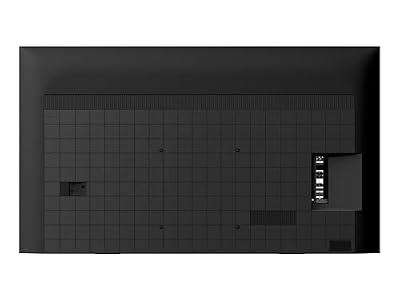
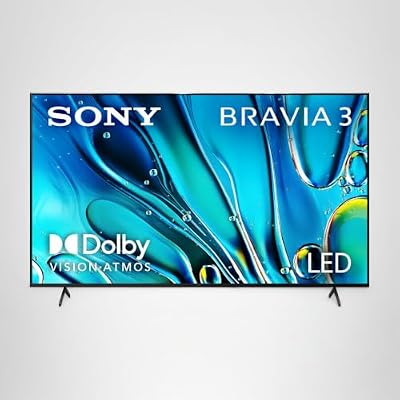
5. Sony 75-Inch Class 4K Ultra HD BRAVIA 3 LED Smart TV with Google TV, Dolby Vision

Sony 75 Inch BRAVIA 3 LED 4K HDR Smart Google TV (K-75S30) | Dolby Vision/Atmos, Exclusive Features for PlayStation®5, 4K Processor X1, Triluminos Pro, 4K movie credits included


As an Amazon Associate we earn from qualifying purchases. Product prices and availability are accurate as of the date/time indicated.
The Sony 75-inch BRAVIA 3 is the big-screen pick that doubles neatly as a media set. It is a 75-inch 4K LED panel running Google TV with Dolby Vision support, Sony’s well-regarded processing, Game Mode and multiple HDMI inputs. At around $848 it balances size, brand pedigree and price.
For music production the 75-inch 4K canvas gives generous room to spread a full mixer alongside the arrangement and plugins, and Sony’s processing keeps the image clean and text sharp. Google TV makes it an easy all-in-one if the studio screen also plays reference tracks, tutorials or films between sessions, and Game Mode trims input lag so the DAW responds promptly to clicks and drags. As an LED panel it does not match OLED contrast in a dark room, and like every set here it is not colour-calibrated for reference work — but as a large, well-made, versatile studio-and-media display, the BRAVIA 3 is a confident middle-ground choice.
Pros: Large 75″ 4K canvas, trusted Sony processing, Google TV with Dolby Vision, low-lag Game Mode.
Cons: LED contrast trails OLED in a dim studio; consumer colour calibration.
6. Samsung 85-Inch Class 4K Crystal UHD DU8000 Series with Object Tracking Sound
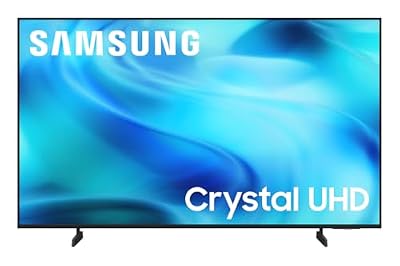
Samsung 55-Inch Class U8000H Series Crystal UHD, 4K, Smart TV, 2026 Model | Samsung Vision AI Companion, Crystal Processor 4K, Endless Free Content, Motion Xcelerator, Color Booster, 4K Upscaling


As an Amazon Associate we earn from qualifying purchases. Product prices and availability are accurate as of the date/time indicated.
Rounding out the studio list is the Samsung 85-inch DU8000, the wall-sized pick for seeing an entire session at once. It is an 85-inch 4K Crystal UHD panel with Object Tracking Sound, Tizen, Game Mode and the usual HDMI inputs. It gives near-poster-sized workspace at an upper-mid price.
For a producer who hates scrolling, 85 inches is liberating: the full arrangement, a tall mixer and multiple plugin windows can all stay open together, read from a comfortable working distance. The Crystal UHD panel keeps 4K text legible, Game Mode keeps editing responsive, and Object Tracking Sound lets it stand in as a media screen between sessions. It is the same panel that appears in our machine-learning guide, underscoring how versatile a big 4K set is as a workspace. As an LCD it is not as inky as OLED in a dark studio and it is not colour-calibrated, so use it for layout and editing — but for sheer session-at-a-glance real estate, it closes the list strongly.
Pros: Wall-sized 85″ 4K workspace, Object Tracking Sound, Game Mode, doubles as a media screen.
Cons: Large footprint; LCD blacks and consumer colour calibration, not reference-grade.
How to Choose a TV for Your Music-Production Studio
Begin by accepting what the TV is and is not. It will not change how your music sounds — your interface, monitors and room do that — so judge it purely as a display for your DAW. The right questions are about visual workspace: can you see enough of the session at once, is the text crisp, does editing feel responsive, and does the panel behave well in the lighting of your studio. Get those right and the TV becomes a genuinely useful production tool.
Panel type matters more in a studio than you might expect, because of lighting. Producers often work in dim, light-controlled rooms, and that is where OLED shines: the self-lit pixels of the Samsung S90D and LG C4 produce perfect blacks and high contrast, so a dark DAW theme looks crisp and is easy on the eyes late at night. If your studio is brighter or prone to glare, a punchy QLED like the Q7F or a bright LED like the Sony BRAVIA 3 copes better with ambient light, where OLED can look dim or show reflections.
Size and resolution decide how much of the session you see and how sharp it looks. Always choose 4K — every set here is — so tiny plugin controls, channel labels and automation values stay legible. Then match size to your desk and seating distance: a 48 to 65-inch panel like the OLED S90D or QLED Q7F sits close and comfortable, while a 75 to 85-inch set like the Sony or the big Samsung gives a wall of workspace you read from a little further back. Bigger is only better if you have the distance to take it in.
Finally, mind responsiveness, connectivity and colour. Always enable Game Mode so click-and-drag editing in the DAW feels immediate rather than laggy, and check there are enough HDMI inputs for your computer plus anything else in the studio. On colour, remember none of these consumer TVs is a calibrated reference monitor: if you also score video or finalise album artwork, keep that colour-critical work on a proper monitor and use the TV for the DAW. Decide your lighting and panel type, set size to your distance, prioritise 4K and low-lag Game Mode, and pick the set here that gives your session the most readable room to breathe.
Frequently Asked Questions
Will a gaming TV improve my music or audio quality?
No. The sound of your productions depends on your audio interface, studio monitors, room acoustics and mixing decisions — a television plays no part in it. A large 4K TV simply gives your DAW more visual space, so you can see more of the timeline, mixer and plugins at once. Treat it as a display upgrade, not an audio one.
Is OLED or LCD better for a music-production studio?
It depends on your room. Many studios are dim and light-controlled, which suits OLED — the Samsung S90D and LG C4 give perfect blacks and high contrast that make a dark DAW interface crisp and comfortable. If your room is brighter or has windows, a bright QLED like the Q7F or LED like the Sony BRAVIA 3 handles ambient light and reflections better.
What size TV is best for a DAW on a desk?
Match the size to your seating distance. A 48 to 65-inch panel, like the OLED S90D or QLED Q7F, sits comfortably close on a studio desk and keeps the whole screen in view. Larger 75 to 85-inch sets like the Sony or big Samsung give a wall of workspace for seeing an entire session at once, but you need to sit back further to take them in comfortably.
Do I need to worry about OLED burn-in with a static DAW interface?
Modern OLEDs include features to mitigate it, but a DAW does show static elements — toolbars, meters, transport bars — for long stretches, so it is worth using screen savers, hiding the taskbar and varying the layout during very long sessions. For typical mixed use it is rarely a problem; if you keep the exact same static interface on-screen all day every day, a bright LCD like the QLED or Sony avoids the concern entirely.
Related Guides
- Best Gaming Monitors
- Best 4K Monitors
- Best Studio Monitor Speakers
- Best Gaming PCs and Workstations
- Best Headphones and Headsets
- Best Monitor Arms for Your Desk
Affiliate Disclosure: As an Amazon Associate, we earn from qualifying purchases. If you click a link and make a purchase, we may earn a small commission at no extra cost to you. Prices and availability are accurate as of publication and may change.