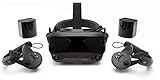
- Top Pick: Valve Index VR Full Kit (Renewed)
- Best Value: VR Cover for Valve Index – Washable Hygienic Cotton Cover (2 pcs)
- Premium Choice: Valve Index VR Full Kit
Affiliate disclosure: As an Amazon Associate we earn from qualifying purchases. This post contains affiliate links — if you buy through them we may earn a small commission at no extra cost to you. This never affects our recommendations.
In a hurry? See the top-rated Valve Index 2 Speculation & Buyer’s deals available right now:
As an Amazon Associate we earn from qualifying purchases.


🛒 Best Price Today on Amazon
Prime members get fast, free shipping on everything above, plus member-only deals. New members get a 30-day free trial — cancel anytime.
Start 30-Day Prime Free Trial →See Today’s Amazon DealsValve Index 2 Speculation & Buyer’s Guide 2026
The Valve Index 2 remains one of the most anticipated but unreleased VR headsets of 2026. While Valve has confirmed development, official specifications and release dates remain shrouded in speculation. For gamers waiting to upgrade from the original Valve Index or considering high-end PCVR, the question becomes: should you wait for Index 2 or invest in current alternatives? This guide explores expected Index 2 specifications based on official hints, industry trends, and analyst predictions, then compares it with proven alternatives like the Pimax Crystal Light and Bigscreen Beyond 2. We’ll help you decide whether waiting is prudent or whether current-generation headsets offer superior value for immediate gaming.
Quick Verdict
The Valve Index 2 is not yet released, making direct comparison impossible. Based on Valve’s stated development goals and industry trends, the Index 2 will likely compete with the Pimax Crystal Light on resolution and the Bigscreen Beyond 2 on comfort. If you need a PCVR headset now, current alternatives offer proven value. If you can wait until 2026-2027, the Index 2 may be worth considering once official specs are confirmed and reviews are available. Don’t buy based on speculation—wait for official announcements and independent reviews.
Expected Display & Optics: Industry Speculation
Valve has hinted that the Index 2 will feature improved display technology over the original Index’s 1440 x 1600 resolution. Industry analysts predict the Index 2 will aim for 2K per eye (approximately 2048 x 2048), positioning it between the Bigscreen Beyond 2’s 1832 x 1920 and the Pimax Crystal Light’s 2560 x 1440. The field of view is expected to remain around 130 degrees, matching or exceeding current standards. Valve may continue with Fresnel lenses or transition to pancake optics for reduced depth—a major upgrade over the original Index. Refresh rate support of up to 144Hz is likely, matching gaming-focused competitors. Color accuracy and contrast will presumably match or exceed current OLED/LCD options. Official specifications haven’t been confirmed, so these predictions are educated guesses based on available information.
Expected Tracking & Controllers: Speculation
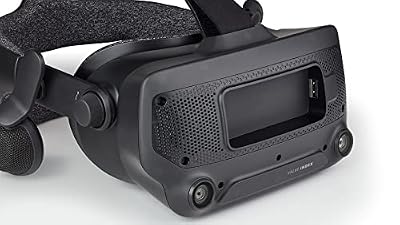
Valve’s current SteamVR Tracking 2.0 system using lighthouse technology is industry-leading. The Index 2 will likely continue this approach rather than switching to inside-out tracking, maintaining the precision that makes lighthouse systems superior for competitive gaming. Controllers are expected to receive ergonomic improvements and potentially new gesture recognition capabilities. Battery life may improve over the original Index’s 8+ hour controllers. The tracking precision will remain a competitive advantage over inside-out systems like the Meta Quest 3.



As an Amazon Associate we earn from qualifying purchases. Product prices and availability are accurate as of the date/time indicated.
Expected Performance & Comfort: Design Philosophy
The original Valve Index prioritized comfort and ergonomics over raw specifications. The Index 2 is expected to continue this philosophy, improving on weight distribution and materials. Industry speculation suggests weight may remain in the 600-700 gram range—heavier than the Bigscreen Beyond 2 (480g) but comparable to current standards. The audio system may receive upgrades from the original Index’s built-in speakers. PC requirements will likely be substantial, potentially demanding RTX 4070 or better for 120Hz+ gaming at high visual settings. Battery requirements don’t apply to PC-tethered headsets.
Game Library: SteamVR Ecosystem
The Index 2 will have full access to SteamVR’s library of thousands of titles, providing immediate breadth unavailable on newer platforms like the Samsung Galaxy XR. Valve’s strong relationships with major developers ensure early support for new titles. The SteamVR ecosystem’s maturity is a major competitive advantage over emerging platforms.
Pros & Cons (Expected)
| Expected Pros | Expected Cons |
|---|---|
| Industry-leading SteamVR tracking | Still not released (vaporware risk) |
| Full SteamVR library access | Official specs not confirmed |
| Valve’s ergonomic expertise | Likely premium pricing |
| Proven developer support | May not be worth waiting for |
| Mature ecosystem | Current alternatives mature |
| Competitive resolution expected | Release date uncertain |
Versus Current Alternatives
If the Index 2 launches with 2K resolution and 144Hz refresh rate, it would compete directly with the Pimax Crystal Light. Against the Bigscreen Beyond 2, the Index 2 would likely offer higher resolution but potentially lower comfort due to weight. When compared to the Meta Quest 3, the Index 2 would be pure PCVR without standalone capability. Pricing is unpredictable—Valve could position it premium (competing with Pimax) or mainstream (undercutting competitors).
Who Should Buy It?
Don’t buy the Index 2 yet—it doesn’t exist. If you need a PCVR headset now, consider the Pimax Crystal Light or Bigscreen Beyond 2. If you can wait until official announcements and reviews (likely 2026-2027), monitor Valve’s official updates before making a decision. Don’t purchase based on speculation or hype—wait for confirmed specifications.
Valve Index 2 Expected Specifications (Speculative)
| Specification | Expected Range |
|---|---|
| Display Resolution | 2048 x 2048 per eye (estimated) |
| Field of View | 130° (estimated) |
| Refresh Rate | 90Hz / 120Hz / 144Hz (estimated) |
| Tracking Type | SteamVR 2.0 Lighthouse (expected) |
| Weight | 600-700g (estimated) |
| Connection | DisplayPort + USB 3.0 (expected) |
| PC Requirement | RTX 4070+ (estimated) |
| Base Stations | Yes (2x SteamVR 2.0) |
| Release Date | 2026-2027 (speculation) |
| Price | $1,500-2,500 (estimated) |
Frequently Asked Questions
When will the Valve Index 2 be released?
Unknown. Valve has confirmed development but provided no official release date. Industry speculation suggests 2026-2027, but this is not confirmed.
Should I wait for the Index 2 or buy now?
If you need a headset now, buy the Pimax Crystal Light or Bigscreen Beyond 2. If you can wait 12-24 months, monitor Valve’s updates before deciding.
What will the Index 2’s resolution be?
Unknown. Industry predictions suggest 2K per eye (2048 x 2048), but official specs haven’t been confirmed.
Will the Index 2 use lighthouse tracking?
Almost certainly. Valve has invested heavily in SteamVR 2.0 and considers it a competitive advantage over inside-out systems.
How much will the Index 2 cost?
Unknown. Estimated $1,500-2,500 based on competitor pricing, but Valve hasn’t provided official information.
Final Verdict
The Valve Index 2 is vaporware until official specifications and a confirmed release date are announced. Don’t make purchasing decisions based on speculation. If you need a PCVR headset in 2026, the Pimax Crystal Light and Bigscreen Beyond 2 offer proven performance and mature ecosystems. If you’re willing to wait, monitor Valve’s official announcements closely. Once the Index 2 launches with confirmed specs and independent reviews are available, re-evaluate against current alternatives at that time. Until then, invest in proven current-generation headsets rather than betting on unreleased hardware.
Related Articles
Looking for more on this topic? Browse the hand-picked guides below — each one applies the same scoring rubric used in this review.