- Top Pick: MSI B760 Gaming Plus WiFi Gaming Motherboard V1 (DDR5 Memory ONLY) for 12th/13th/14th Gen Intel Processors, LGA 1700, PCIe 4.0, M.2, 2.5Gbps LAN, USB 3.2 Gen2, HDMI/DP, Wi-Fi 6E, Bluetooth 5.3, ATX
- Best Value: MSI PRO B760-P WiFi DDR4 ProSeries Motherboard – Supports 12th/13th/14th Gen Intel Processors, LGA 1700, DDR4, PCIe 4.0, M.2, 2.5Gbps LAN, USB 3.2 Gen2, HDMI/DP, Wi-Fi 6E, Bluetooth 5.3, ATX
- Premium Choice: ASUS B760M-AYW WiFi D4 II Intel® B760 (LGA 1700) microATX mATX Motherboard, PCIe 5.0 x16 Support, Two M.2 Slots, DDR4, Realtek 2.5Gb Ethernet, Wi-Fi 6, HDMI, SATA 6 Gbps, Front USB 5Gbps, Aura Sync
Affiliate disclosure: As an Amazon Associate we earn from qualifying purchases. This post contains affiliate links — if you buy through them we may earn a small commission at no extra cost to you. This never affects our recommendations.
As an Amazon Associate we earn from qualifying purchases at no extra cost to you.


Intel’s B760 chipset has quietly become the sweet spot for gamers who want solid performance without overpaying for Z790’s unlocked overclocking features they’ll never use. With support for PCIe 5.0 storage, DDR5 (and DDR4 on select models), and robust VRM configurations that handle 13th and 14th Gen Intel CPUs with ease, B760 boards are no longer a budget compromise — they’re the rational choice for most builds.
We compared and reviewed the five best B760 gaming motherboards available in 2026, covering everything from form factor and VRM quality to connectivity and real-world gaming performance. Whether you’re building a compact mATX rig or a full-tower ATX system, there’s a B760 board here for you.
In a hurry? See the top-rated B760 Gaming Motherboard deals available right now:
🛒 Check B760 Gaming Motherboard Prices on Amazon →🛒 Best Price Today on Amazon
Prime members get fast, free shipping on everything above, plus member-only deals. New members get a 30-day free trial — cancel anytime.
Start 30-Day Prime Free Trial →See Today’s Amazon DealsQuick Comparison: Best B760 Gaming Motherboards
| Motherboard | VRM Phases | RAM Type | USB Ports | Price (Est.) |
|---|---|---|---|---|
| ASUS Prime B760M-A WiFi | 10+1 | DDR5 | 2x USB-A 3.2, 1x USB-C | ~$139 |
| MSI PRO B760M-A WiFi DDR4 | 10+1+1 | DDR4 | 2x USB-A 3.2, 1x USB-C | ~$129 |
| Gigabyte B760 Gaming X AX | 12+2+2 | DDR5 | 4x USB-A 3.2, 2x USB-C | ~$169 |
| ASRock B760M Pro RS | 10+1 | DDR5 | 2x USB-A 3.2, 1x USB-C | ~$109 |
| ASUS ROG Strix B760-F Gaming WiFi | 16+1 | DDR5 | 4x USB-A 3.2, 2x USB-C | ~$239 |
The 5 Best B760 Gaming Motherboards in 2026
1. ASUS Prime B760M-A WiFi — Best Overall Value
The ASUS Prime B760M-A WiFi delivers a compelling package for mainstream gamers who want reliable daily performance without breaking the bank. It hits the mATX form factor sweet spot — compact enough for small cases, but fully featured for a mid-tier build.
Key Specs
- Form Factor: Micro-ATX
- Socket: LGA1700
- RAM: DDR5, 2 slots, up to 96GB, up to DDR5-7200+ (OC)
- VRM: 10+1 phase power delivery
- Wireless: WiFi 6E + Bluetooth 5.3
- Storage: 2x M.2 (1x PCIe 4.0, 1x PCIe 3.0), 4x SATA III
- Rear USB: 2x USB-A 3.2 Gen 1, 1x USB-C 3.2, 2x USB-A 2.0, 1x HDMI, 1x DisplayPort
Pros:
- Excellent value-to-feature ratio for the price
- WiFi 6E included — no adapter needed
- Stable VRM temps under sustained gaming loads
- Clean BIOS with ASUS’s well-known interface
Cons:
- Only 2 DDR5 slots (limits max capacity vs. ATX boards)
- Single PCIe 4.0 M.2 slot (second slot is PCIe 3.0)
- No PCIe 5.0 M.2 support
Who It’s For: Gamers building a compact mid-range system with a Core i5 or i7 13th/14th Gen CPU. Ideal for 1080p and 1440p gaming rigs where WiFi connectivity and DDR5 support matter more than extreme VRM headroom.
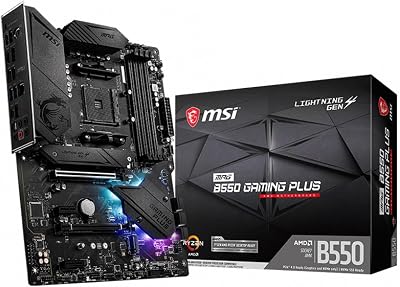
2. MSI PRO B760M-A WiFi DDR4 — Best for DDR4 Builds
MSI PRO B760M-A WiFi DDR4
DDR5 prices have dropped significantly, but DDR4 still makes sense if you’re upgrading an existing platform or reusing memory from a previous build. The MSI PRO B760M-A WiFi DDR4 is the best-executed DDR4 B760 board on the market in 2026 — and it doesn’t feel like a compromise.
Key Specs
- Form Factor: Micro-ATX
- Socket: LGA1700
- RAM: DDR4, 4 slots, up to 128GB, up to DDR4-5333+ (OC)
- VRM: 10+1+1 phase power delivery
- Wireless: WiFi 6 + Bluetooth 5.2
- Storage: 2x M.2 (both PCIe 4.0), 4x SATA III
- Rear USB: 2x USB-A 3.2 Gen 1, 1x USB-C 3.2, 2x USB-A 2.0, 1x HDMI 2.1, 1x DisplayPort 1.4
Pros:
- Four DDR4 slots — up to 128GB total capacity
- Both M.2 slots run at PCIe 4.0 speeds
- Slightly enhanced VRM vs ASUS Prime (10+1+1)
- WiFi 6 handles most users’ bandwidth needs
- Great for budget-conscious platform reuse
Cons:
- WiFi 6 instead of 6E (narrower 6GHz band not supported)
- DDR4 platform will lag DDR5 in memory bandwidth benchmarks
- No PCIe 5.0 storage or GPU slot
Who It’s For: Builders upgrading from a Z490/Z590 system who want to carry over existing DDR4 RAM, or budget builders who scored a good deal on DDR4 kits. Also the right pick for anyone running a Core i5-13400F or similar locked CPU.
3. Gigabyte B760 Gaming X AX — Best ATX B760 for Gamers
Gigabyte’s B760 Gaming X AX steps up to a full ATX layout and brings a noticeably beefier power delivery stage. The 12+2+2 VRM configuration gives this board real headroom for Core i7 and even Core i9 CPUs running at stock, and the addition of a PCIe 5.0 M.2 slot makes it future-ready for next-gen SSDs.
Key Specs
- Form Factor: ATX
- Socket: LGA1700
- RAM: DDR5, 4 slots, up to 192GB, up to DDR5-7600+ (OC)
- VRM: 12+2+2 phase power delivery
- Wireless: WiFi 6E + Bluetooth 5.3
- Storage: 3x M.2 (1x PCIe 5.0, 2x PCIe 4.0), 4x SATA III
- Rear USB: 4x USB-A 3.2 Gen 1, 2x USB-C 3.2, 2x USB-A 2.0, 1x HDMI 2.1, 1x DisplayPort 1.4
Pros:
- PCIe 5.0 M.2 slot for Gen5 SSD compatibility
- Strong 12+2+2 VRM handles Core i9-13900K at stock without throttling
- Four DDR5 slots allow higher capacity and dual-rank optimization
- WiFi 6E and generous rear I/O
Cons:
- Larger ATX footprint requires a mid-tower or full-tower case
- Premium price within the B760 tier
- No CPU overclocking (B760 chipset limitation applies regardless of VRM)
Who It’s For: Gamers who want an ATX build with room to grow — extra M.2 slots, a PCIe 5.0 storage lane, and a VRM that won’t flinch under a high-core-count Intel CPU. A strong pick for content creators who also game.
4. ASRock B760M Pro RS — Best Budget B760 Motherboard
ASRock’s B760M Pro RS is the no-nonsense option for budget-focused builders who need a reliable DDR5 platform without paying for wireless connectivity they might not use. It cuts the right corners — no WiFi, fewer RGB headers — while keeping the essentials solid.

Key Specs
- Form Factor: Micro-ATX
- Socket: LGA1700
- RAM: DDR5, 2 slots, up to 96GB, up to DDR5-6400+ (OC)
- VRM: 10+1 phase power delivery
- Wireless: None (wired LAN only via 2.5GbE)
- Storage: 2x M.2 (both PCIe 4.0), 4x SATA III
- Rear USB: 2x USB-A 3.2 Gen 1, 1x USB-C 3.2, 2x USB-A 2.0, 1x HDMI 2.1, 1x DisplayPort
Pros:
- Lowest price in this roundup — strong entry-level value
- Both M.2 slots are PCIe 4.0 (better than some pricier boards)
- 2.5GbE wired LAN included
- Stable platform for Core i3 through i5 CPUs
Cons:
- No WiFi or Bluetooth (add a PCIe adapter if needed)
- Only 2 DDR5 slots
- BIOS less polished than ASUS/MSI
- Fewer fan headers and RGB headers
Who It’s For: First-time builders or strict budget gamers pairing this with a Core i3-13100F or i5-13400F. If you run wired Ethernet and don’t need wireless, this board saves real money with minimal performance penalty.
5. ASUS ROG Strix B760-F Gaming WiFi — Best Premium B760 Motherboard
ASUS ROG Strix B760-F Gaming WiFi
The ROG Strix B760-F is the board you buy when you want Z790-tier build quality but don’t need CPU overclocking. It features a 16+1 phase VRM — the most robust in this roundup — and packs PCIe 5.0 support for both M.2 storage. It’s a premium product at a fair price given its specs.
Key Specs
- Form Factor: ATX
- Socket: LGA1700
- RAM: DDR5, 4 slots, up to 192GB, up to DDR5-7800+ (OC)
- VRM: 16+1 phase power delivery with heat spreaders
- Wireless: WiFi 6E + Bluetooth 5.3
- Storage: 2x M.2 PCIe 5.0, 1x M.2 PCIe 4.0, 4x SATA III
- Rear USB: 4x USB-A 3.2 Gen 2, 2x USB-C (1x Thunderbolt 4), 2x USB-A 2.0, 1x HDMI 2.1, 1x DisplayPort 1.4
Pros:
- 16+1 VRM is overkill-proof for any LGA1700 CPU at stock
- Thunderbolt 4 rear port for fast peripherals and docks
- Dual PCIe 5.0 M.2 slots — ready for next-gen SSD speeds
- Outstanding ASUS BIOS, Armory Crate software integration
- Strong thermal design with VRM and M.2 heatsinks
Cons:
- Highest price in this roundup — approaches budget Z790 territory
- ATX size only
- B760 still prevents CPU ratio overclocking — some buyers may prefer Z790 at this price point
Who It’s For: Enthusiast builders who want the best possible B760 platform — ideal for Core i9-13900K or i9-14900K at stock clocks, content creation workloads, and gamers who want Thunderbolt 4 connectivity and top-tier storage bandwidth without the Z790 premium.
How to Choose the Best B760 Gaming Motherboard
Form Factor First
Micro-ATX (mATX) boards fit in compact and mid-tower cases. They typically offer 2 RAM slots and fewer M.2 connectors, but cost less. ATX boards give you more expansion, 4 RAM slots, and better VRM designs — necessary if you plan to use a high-TDP CPU like the Core i9-13900K.
DDR5 vs DDR4
DDR5 is the default for new B760 builds in 2026. It offers higher bandwidth and better future-proofing. DDR4 still makes sense only if you have existing sticks to reuse — the MSI PRO B760M-A WiFi DDR4 is your best option in that case. Otherwise, go DDR5.

VRM Quality and CPU Pairing
The VRM (Voltage Regulator Module) determines how cleanly the board can deliver power to your CPU. General guidance:
- Core i3 / i5 (65W–125W): 10+1 phase is sufficient — ASUS Prime or ASRock Pro RS work fine
- Core i7 (125W): 10+1 or 12+2+2 recommended — Gigabyte Gaming X AX is the safe choice
- Core i9 (125W–253W at full load): 16+1 minimum at stock — only the ROG Strix B760-F is appropriate here
PCIe 5.0: Do You Need It?
PCIe 5.0 M.2 SSDs (like the WD Black SN850X Gen5 or Crucial T705) offer read speeds over 12,000 MB/s. For gaming, the difference vs. a fast PCIe 4.0 drive is minimal in 2026. If you do video editing or large file transfers, the Gigabyte Gaming X AX or ROG Strix B760-F are worth the investment for PCIe 5.0 storage.
WiFi Considerations
WiFi 6E adds 6GHz band support — faster speeds and lower congestion vs. WiFi 6. If your router supports 6GHz, pay the small premium for 6E. If you’re on wired Ethernet only, save the money with the ASRock B760M Pro RS.
B760 vs Z790: Should You Upgrade?
B760 doesn’t support CPU overclocking — if you plan to push an unlocked Core i9-13900KS beyond stock speeds, Z790 is the right chipset. For everyone else running standard or Turbo Boost clocks, B760 delivers identical gaming performance at significantly lower board cost. The Z790 premium is rarely justified for pure gaming.
Final Verdict
The best B760 gaming motherboard for most people is the ASUS Prime B760M-A WiFi — it nails the value equation with WiFi 6E, solid DDR5 support, and a stable 10+1 VRM for Core i5 and i7 builds, all under $140.
If you need DDR4 compatibility, the MSI PRO B760M-A WiFi DDR4 is the clear choice. For an ATX build with PCIe 5.0 storage and stronger VRM headroom, the Gigabyte B760 Gaming X AX earns its price premium. Strict budget builders should look at the ASRock B760M Pro RS — it delivers DDR5 and dual PCIe 4.0 M.2 for under $110.
At the top of the stack, the ASUS ROG Strix B760-F Gaming WiFi is genuinely the best-engineered B760 board available. It’s worth every dollar if you’re pairing it with a Core i9 or demanding a Thunderbolt 4 port — just make sure the price gap over a Z790 board makes sense for your specific use case before committing.
Bottom line: B760 is the smartest chipset choice for Intel gaming builds in 2026. Any board in this guide will serve you well — match your pick to your CPU, case size, and connectivity needs.
Frequently Asked Questions
What is a B760 motherboard?
B760 is Intel mainstream chipset for the LGA1700 socket, supporting 12th, 13th, and 14th Gen Core CPUs. It is a value-focused board ideal for non-overclocked gaming builds.
B760 or Z790 for gaming?
B760 is the better value for most gamers, covering everything a locked CPU needs. Z790 adds CPU and memory overclocking and more connectivity, which matters mainly for K-series chips.
Does B760 support DDR4 or DDR5?
It depends on the board. B760 comes in both DDR4 and DDR5 versions, so check the specific model. DDR4 boards save money, while DDR5 offers more future headroom.
Can a B760 board run a Core i7 or i9?
Yes, it supports the full LGA1700 range including i7 and i9 chips. You cannot overclock them on B760, but they run at full stock and boost speeds.
Related Articles
Looking for more on this topic? Browse the hand-picked guides below — each one applies the same scoring rubric used in this review.