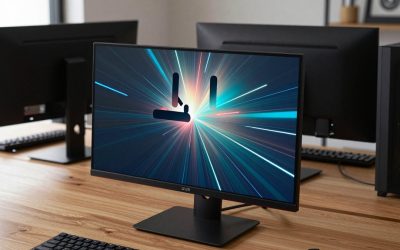
Esports is a different game from cinematic single-player titles, and it asks something different from a graphics card. Competitive shooters and MOBAs — Valorant, CS2, Apex Legends, League of Legends, Fortnite, Rocket League — are deliberately built to run fast on modest hardware, so the goal is not maximum eye candy but the highest, most consistent frame rate your money can buy, feeding a high-refresh monitor for the smoothest, most responsive play. That makes value the watchword: frames per dollar, not flagship features. This guide rounds up the best esports GPUs in 2026, focused on cards that deliver strong high-FPS performance at 1080p and 1440p without overspending.
- Best Esports GPUs at a Glance
- 1. MSI Gaming GeForce RTX 4060 8GB GDDR6 Graphics Card
- 2. Gigabyte Radeon RX 9060 XT Gaming OC 16G GDDR6 Graphics Card
- 3. GIGABYTE Radeon RX 9060 XT Gaming OC ICE 16G GDDR6 Graphics Card
- 4. MSI Gaming GeForce RTX 3060 12GB GDDR6 Graphics Card
- 5. ASUS Prime GeForce RTX 5080 OC Edition 16GB GDDR7 Graphics Card
- 6. MXZ Gaming PC, AMD Ryzen 7 9700X, RTX 4070, 16GB DDR5, 1TB NVMe
- How to Choose an Esports GPU
- Frequently Asked Questions
- Related Guides
- Related Articles
Our picks were chosen on what matters for competitive play: raw rasterisation performance at the 1080p and 1440p resolutions esports players actually use, value for money, and sensible VRAM for the job rather than oversized professional pools. We have avoided quoting invented benchmark numbers — instead we explain where each card sits and who it is for, with prices from around $371 to around $1,549. The list ranges from outstanding-value mainstream cards to a high-end option for those chasing the very highest frame rates, and includes one complete prebuilt PC for players who want a ready-made rig. Below is an at-a-glance comparison of all six, then a closer look at each and a buyer’s guide built around getting the most frames per dollar.
As an Amazon Associate we earn from qualifying purchases at no extra cost to you.


🛒 Best Price Today on Amazon
Prime members get fast, free shipping on everything above, plus member-only deals. New members get a 30-day free trial — cancel anytime.
Best Esports GPUs at a Glance
| Product | Best For | Standout Spec | Approx Price |
|---|---|---|---|
| MSI GeForce RTX 4060 8GB | Best 1080p esports value | 8GB, efficient, latest-gen | around $371 |
| Gigabyte Radeon RX 9060 XT Gaming OC 16G | High-FPS 1440p value | 16GB GDDR6, RDNA value | around $460 |
| GIGABYTE Radeon RX 9060 XT Gaming OC ICE 16G | Cool, quiet 1440p rig | 16GB GDDR6, ICE cooler | around $470 |
| MSI GeForce RTX 3060 12GB | Affordable 1080p all-rounder | 12GB VRAM, proven | around $399 |
| ASUS Prime RTX 5080 OC 16GB GDDR7 | Max frames, high-refresh | 16GB GDDR7, flagship raster | around $1,500 |
| MXZ Prebuilt PC, Ryzen 7 9700X + RTX 4070 | Ready-made esports rig | RTX 4070, 8-core, full system | around $1,549 |
1. MSI Gaming GeForce RTX 4060 8GB GDDR6 Graphics Card

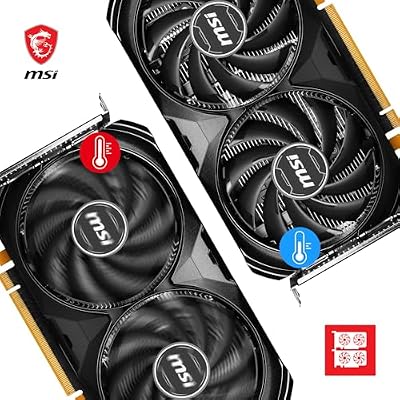
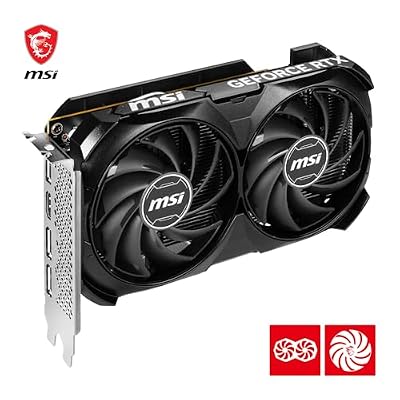
MSI GeForce RTX 4060 Ventus 2X Black 8G OC Gaming Graphics Card - 8GB GDDR6X, PCI Express Gen 4, 128-bit, 3X DP v 1.4a, HDMI 2.1a (Supports 4K & 8K HDR)



As an Amazon Associate we earn from qualifying purchases. Product prices and availability are accurate as of the date/time indicated.
The MSI GeForce RTX 4060 8GB is the best-value esports pick, and it earns the top spot by matching the assignment perfectly. Esports titles are designed to run fast on efficient hardware, and this current-generation 8GB card delivers exactly that — strong, high-frame-rate performance at 1080p, the resolution most competitive players use, without the cost or power draw of a bigger GPU. At around $371 it is the cheapest dedicated graphics card here and the natural heart of a frames-per-dollar build.
This is the GPU for the competitive player who wants high, consistent frame rates in Valorant, CS2, Apex, Fortnite and the like, paired with a high-refresh 1080p monitor, on a sensible budget. Esports engines are light enough that 8GB of VRAM is ample at 1080p, the RTX 4060’s efficiency keeps it cool and quiet, and its modern architecture squeezes out the high frame rates that translate into smoother, more responsive play. For the core goal of esports — maximum frames for minimum money — this is the standout choice.
Pros: Excellent high-FPS value at 1080p, efficient and cool, latest-gen, lowest dedicated-card price.
Cons: 8GB is tight for maxed-out AAA at higher resolutions; built for esports, not 4K.
2. Gigabyte Radeon RX 9060 XT Gaming OC 16G GDDR6 Graphics Card
The Gigabyte Radeon RX 9060 XT Gaming OC is the high-FPS 1440p value pick. It steps up from 1080p-focused cards with 16GB of GDDR6 and a factory overclock, giving competitive players who run a 1440p high-refresh monitor more rasterisation muscle to keep frame rates high at the sharper resolution. At around $460 it targets the value-conscious player who has moved beyond 1080p but still wants strong frames per dollar.
This is the GPU for the esports player whose monitor is 1440p and who wants high, steady frame rates without paying flagship money. The generous 16GB framebuffer gives comfortable headroom at 1440p — useful if you also dip into more demanding titles between competitive sessions — the factory overclock lifts performance out of the box, and Gigabyte’s cooling keeps it stable under sustained load. For a competitive 1440p rig built around value, this RX 9060 XT is a compelling, well-balanced choice.
Pros: Strong 1440p frame rates, generous 16GB GDDR6, factory overclock, good value.
Cons: More card than pure 1080p esports needs; overkill for light competitive titles.
3. GIGABYTE Radeon RX 9060 XT Gaming OC ICE 16G GDDR6 Graphics Card
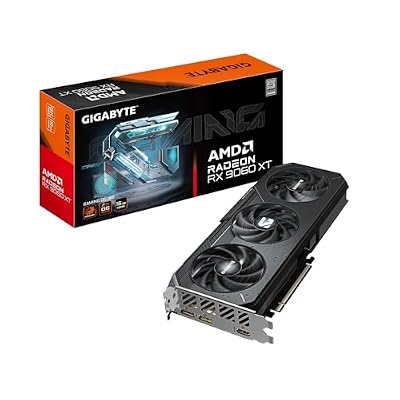
GIGABYTE Radeon RX 9060 XT Gaming OC 16G Graphics Card, PCIe 5.0, 16GB GDDR6, GV-R9060XTGAMING OC-16GD Video Card

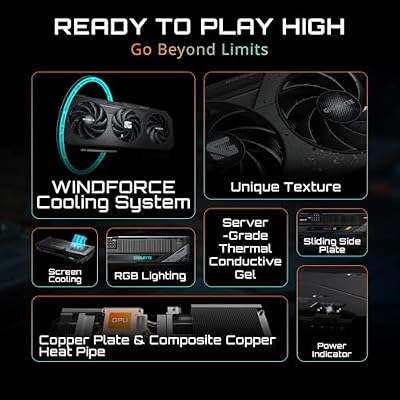


As an Amazon Associate we earn from qualifying purchases. Product prices and availability are accurate as of the date/time indicated.
The GIGABYTE Radeon RX 9060 XT Gaming OC ICE is the cool-and-quiet 1440p pick. It shares the same value-oriented 16GB GDDR6 RDNA core and factory overclock as the standard Gaming OC, but wraps it in Gigabyte’s ICE cooling design with a lighter, cleaner aesthetic aimed at builders who care about thermals, noise and looks. At around $470 it is a small premium over its sibling for that cooler-and-quieter package.
This is the GPU for the competitive player building a 1440p high-refresh rig who wants the same frame-rate value but in a card that runs cooler and quieter during long sessions. The 16GB of GDDR6 and the factory overclock deliver the same strong 1440p esports performance, while the ICE cooler keeps temperatures and fan noise down under sustained competitive load — handy for marathon ranked grinds. If thermals, acoustics and a clean white-style build matter to you, this ICE edition is the version of the 9060 XT to choose.
Pros: Same 16GB 1440p value, ICE cooling for lower temps and noise, clean aesthetic.
Cons: Slight premium over the standard model; same core esports performance.
4. MSI Gaming GeForce RTX 3060 12GB GDDR6 Graphics Card

msi Katana 15 15.6” 165Hz QHD Gaming Laptop: Intel Core i7-13620H, NVIDIA Geforce RTX 4070, 16GB DDR5, 1TB NVMe SSD, Cooler Boost 5, Win 11: Black B13VGK-2000US


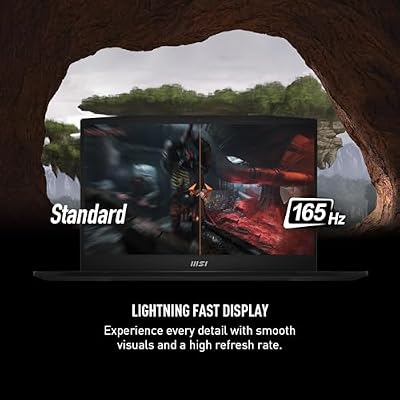

As an Amazon Associate we earn from qualifying purchases. Product prices and availability are accurate as of the date/time indicated.
The MSI GeForce RTX 3060 12GB is the affordable all-rounder of this esports list. While the RTX 4060 is the more efficient, newer 1080p value champion, the 3060 remains a strong, widely available pick that pairs ample raster performance for competitive 1080p play with a generous 12GB of VRAM. At around $399 it is a dependable, proven choice for a high-frame-rate budget build.
This is the GPU for the esports player who wants reliable high frame rates at 1080p and likes the extra VRAM cushion. Competitive titles run comfortably fast on the RTX 3060, so it feeds a high-refresh 1080p monitor well, and the 12GB framebuffer adds breathing room if you also play more VRAM-hungry non-competitive games on the side. It is a generation behind the 4060 on efficiency, but as a proven, available card that delivers the frames esports demands at a fair price, the RTX 3060 12GB is a solid all-rounder.
Pros: Reliable 1080p esports frame rates, generous 12GB VRAM cushion, proven and available.
Cons: Previous generation; less efficient than the newer RTX 4060 at similar money.
5. ASUS Prime GeForce RTX 5080 OC Edition 16GB GDDR7 Graphics Card

The ASUS Prime RTX 5080 OC is the maximum-frames pick for esports players who refuse to compromise. As a current flagship-class GeForce card with 16GB of GDDR7, it produces extremely high frame rates in lightweight competitive titles — the kind of numbers that fully saturate a 240Hz or faster monitor — so your high-refresh display is never the bottleneck. At around $1,500 it is by far the most expensive standalone card here, and pure value is not its appeal.
This is the GPU for the dedicated competitor or high-refresh enthusiast who wants the highest, most rock-steady frame rates esports hardware can deliver. Competitive engines are light, so this much raw rasterisation power pushes frame rates to the limits of the fastest monitors, and the headroom means your 1080p or 1440p competitive games never dip. It is overkill for esports on a value basis — a 4060 or 9060 XT delivers the frames most players need for far less — but if you want a no-limits high-refresh experience and play demanding games too, it is the uncompromising top end.
Pros: Flagship raster pushes the highest frame rates, saturates fast monitors, 16GB GDDR7 headroom.
Cons: Poor value purely for esports; far more GPU than competitive titles require.
6. MXZ Gaming PC, AMD Ryzen 7 9700X, RTX 4070, 16GB DDR5, 1TB NVMe

MXZ Gaming PC,AMD Ryzen 7 9700X, GeForce RTX 4070,16GB DDR5, NVME 1 T,B650

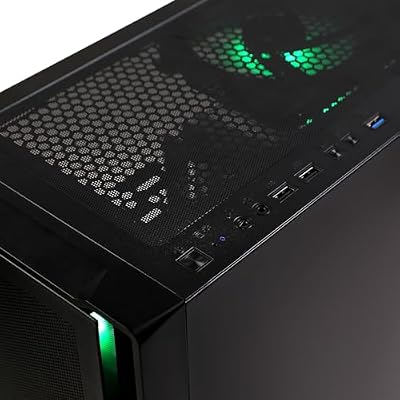

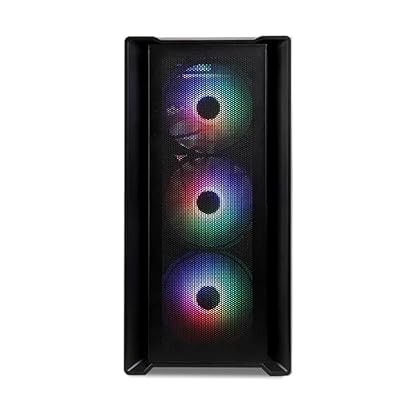


As an Amazon Associate we earn from qualifying purchases. Product prices and availability are accurate as of the date/time indicated.
Rounding out the list is the MXZ prebuilt PC, included for the player who wants a ready-to-run esports rig rather than a single card. It combines an 8-core AMD Ryzen 7 9700X with a GeForce RTX 4070, 16GB of DDR5-6000 and a 1TB NVMe SSD. Be clear that this is a complete computer, not a GPU — but for esports the fast CPU inside it is just as important as the graphics card, which makes it worth a look as a turnkey option.
This is the option for someone who wants to start competing without building a PC. Esports performance leans heavily on a strong CPU for high frame rates, and the 8-core Ryzen 7 9700X is well suited to driving fast, CPU-bound competitive titles, while the RTX 4070 comfortably delivers very high frames at 1080p and 1440p. The DDR5-6000 memory and quick NVMe storage round out a responsive system for ranked play. As a ready-made high-FPS esports machine it is a sensible buy — just remember the price covers a whole PC, not just the graphics card.
Pros: Complete ready-to-play rig, fast 8-core Ryzen 7 for high FPS, capable RTX 4070, DDR5 and NVMe.
Cons: It is a full prebuilt PC, not a GPU; not an upgrade for an existing system.
How to Choose an Esports GPU
For esports, the guiding principle is frames per dollar. Competitive games are deliberately optimised to run fast on modest hardware, so you do not need a flagship to hit high frame rates — you need the card that delivers the most frames for the least money at your resolution. That is exactly why the efficient, current-generation RTX 4060 leads this list for value: it produces the high, consistent frame rates esports rewards at 1080p without the cost of a bigger GPU. Start by deciding your target resolution, then chase value within it.
Resolution sets how much GPU you actually need. The vast majority of competitive players run 1080p precisely because it makes the highest frame rates easiest to reach, and at 1080p an 8GB card like the RTX 4060 or the 12GB RTX 3060 is more than enough. If you have moved to a 1440p high-refresh monitor, a step up such as the 16GB RX 9060 XT gives you the extra muscle to keep frames high at the sharper resolution. Match the card to your monitor’s resolution rather than overbuying.
VRAM needs are modest for pure esports, which is liberating for your budget. Lightweight competitive titles do not consume much graphics memory, so 8GB at 1080p is comfortable and there is no need to pay for the huge framebuffers seen on creation or workstation cards. The 12GB on the RTX 3060 and 16GB on the RX 9060 XT are useful cushions if you also play heavier non-competitive games, but do not let VRAM marketing push you into a more expensive card than your competitive games require.
Finally, pair the GPU with a fast CPU and a high-refresh monitor, and only pay for the top end if you truly want it. Esports frame rates lean heavily on CPU performance, which is part of why a balanced prebuilt like the MXZ Ryzen 7 9700X rig makes sense as a ready-made option, and a high-refresh display is what turns those frames into a smoother, more responsive feel. A flagship like the RTX 5080 will saturate the fastest monitors, but it is overkill on value for most players. Set your resolution, prioritise frames per dollar, ensure a strong CPU and high-refresh screen, and pick the GPU on this list that fits your competitive goals.
Frequently Asked Questions
What is the best value GPU for esports gaming?
For most competitive players the current-generation RTX 4060 8GB is the value champion: esports titles run fast on efficient hardware, and it delivers high, consistent frame rates at 1080p — the resolution most players use — at the lowest dedicated-card price here. If you game at 1440p, a 16GB card like the RX 9060 XT is the better-value step up for keeping frames high at that sharper resolution.
How many frames per second do I need for competitive gaming?
As many as your monitor can display, ideally. Competitive players favour high-refresh monitors — 144Hz, 240Hz or faster — because higher, steadier frame rates feel smoother and more responsive, which can help reaction time. The cards here are chosen to push high frame rates in lightweight esports titles; pair one with a high-refresh display so the GPU’s output is not wasted on a 60Hz screen.
Is 8GB of VRAM enough for esports?
Yes, for competitive titles at 1080p it is comfortable. Games like Valorant, CS2 and Rocket League are built to run light, so an 8GB card such as the RTX 4060 has ample memory for high frame rates at 1080p. More VRAM — the 12GB on the RTX 3060 or 16GB on the RX 9060 XT — only becomes valuable if you also play heavier, non-competitive games or push to higher resolutions.
Do I need an expensive GPU like the RTX 5080 for esports?
No. Competitive games are optimised to run fast on modest hardware, so a value card like the RTX 4060 or RX 9060 XT delivers the high frame rates esports rewards for a fraction of the cost. A flagship like the RTX 5080 will saturate even the fastest monitors and adds headroom for demanding games, but for pure esports it is far more GPU — and money — than you need.
Related Guides
- Best Content Creation GPUs
- Best GPUs for Your Build
- Best Gaming Monitors
- Best Wireless Gaming Mouse
- Best Gaming PCs
- Best CPUs for Gaming
Affiliate Disclosure: As an Amazon Associate, we earn from qualifying purchases. If you click a link and make a purchase, we may earn a small commission at no extra cost to you. Prices and availability are accurate as of publication and may change.