
- Top Pick: Rogue R67S Unlocked 4G LTE Smartphone for T-Mobile & AT&T Networks, Android 15 Go, 6.8-Inch HD+ Display, 3GB RAM + 3GB Extended Memory, 32GB Storage, 4,000mAh Removable Battery, Black
- Best Value: Ulefone Note 22 Unlocked Smartphone, 5" Android 16 Go 4G Cell Phone, Black | 20GB RAM (3GB+17GB virtual), 32GB ROM, 2TB expandable, removable 3000mAh battery, Dual SIM 4G, Face Unlock, USB-C
- Premium Choice: Unlocked Cell Phone, Android 14 Smart Phones 2+8G, 5.8 Inch HD Smartphone, 2850mAh Long Battery Cellphone, Dual Sim Mobile Phones (Black-1)
A search for the best Android phones under 400 dollars usually comes from a buyer who wants a capable unlocked phone without paying flagship money. That is a wide field in 2026, and it is worth being honest about what the listings in this roundup actually offer. Every phone below is an entry-level 4G model, and the specs in their titles (32GB of storage, Go-edition Android, modest batteries) describe a basic phone for calls, messaging, maps and light apps rather than a fast gaming handset.
That framing shapes who this guide is for. It suits parents buying a first phone, people who need a backup device, seniors who want a simple screen, and anyone who values features like a removable battery, a headphone jack or expandable storage over raw speed. If you need smooth performance for demanding games or a strong camera, read the spec lines carefully and treat the cap as a ceiling, not a target.
Quick Picks
As an Amazon Associate we earn from qualifying purchases at no extra cost to you.






| Product | Best for | Key spec from the title |
|---|---|---|
| Rogue R67S | Large screen and a removable battery | 6.8-inch HD+, 4,000mAh removable battery, Android 15 Go |
| Ulefone Note 22 | Compact phone with storage growth | 5-inch, removable 3000mAh battery, 2TB expandable |
| Generic 5.8-inch Android 14 phone | Basic secondary phone | 5.8-inch HD, 2850mAh, dual SIM |
| Ulefone Note 23 (orange) | Smoother screen and satellite navigation | 6.56-inch 90Hz, Unisoc T7100, GPS/Glonass/Galileo |
| Unnecto Bolt One | Buyers who want a warranty and a case | US warranty, 4GB RAM, 5.0-inch, case included |
| Ulefone Note 23 (black) | Larger battery on the same platform | 5000mAh, 90Hz, 3GB RAM + 17GB virtual |
| Android 12 4G dual-camera phone | Memory-card fans on a tight allowance | 4GB RAM, 32GB ROM, 256GB SD, Android 12 |
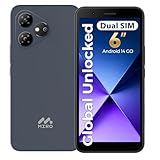
| MIRO 4G | Headphone-jack users and kids | 6-inch, 2GB+32GB, 3.5mm jack, Android 14 Go |
How to Choose
Confirm network compatibility
An unlocked phone only helps if it supports your carrier’s bands. The Rogue title names T-Mobile and AT&T networks, which is useful, while most other listings say only “4G” or “unlocked”. Before buying, compare the phone’s band list with your carrier’s published requirements, and note that a 4G-only handset will not use 5G coverage. Also look for Voice over LTE support, since carriers have retired older voice networks and a phone without it can lose calling on some plans.
Look at real memory, not virtual memory
Several titles advertise totals like 20GB RAM, built from 3GB of physical memory plus 17GB of virtual memory carved out of storage. Virtual memory is slower than the real thing and eats into the 32GB drive. Judge each phone on the physical RAM and storage lines, and treat 3GB to 4GB as a basic baseline for day-to-day apps.
Match the battery and screen to your habits
Capacity ranges across these titles from 2000mAh to 5000mAh. A bigger battery generally helps, but a larger 6.5-inch-plus screen also draws more power. If the phone will live in a pocket, a 5-inch model is easier to carry; for video and reading, a 6.5-inch panel with a 90Hz refresh rate, as the Note 23 listings state, is smoother to scroll. Whatever the size, remember that a removable battery, as on the Rogue and Ulefone Note 22 listings, is a rarity worth valuing because it lets you replace a worn cell instead of the whole phone.
Know where budget phones cut corners
Expect HD+ resolution rather than full HD, 5MP-class cameras, and Go-edition Android, which trims features to run on little memory. Software update support is rarely spelled out for the lesser-known brands, so do not count on long security patch coverage. A US warranty, as in the Unnecto title, is a real plus. For everything else, read the seller’s return terms and keep the packaging until you have confirmed that your SIM works.
The 8 Best Options
Rogue R67S
The R67S is for buyers who want the biggest screen and a battery they can swap. The title lists a 6.8-inch HD+ display, Android 15 Go, 3GB RAM plus 3GB of extended memory, 32GB of storage and a 4,000mAh removable battery, and it names T-Mobile and AT&T support. That carrier detail makes it easier to match against a plan. It is the sensible pick for a buyer who wants a big-screen media phone for a family member and wants the network question answered before the box arrives.
- Strength: the removable battery means a spare can extend its life.
- Strength: the 6.8-inch display suits video and reading.
- Trade-off: the HD+ resolution is stretched across a large panel.
Skip it if you want a pocketable phone or need other carriers confirmed.
Ulefone Note 22
This is the compact option, with a 5-inch screen, Android 16 Go and a removable 3000mAh battery. The title also lists 32GB of ROM, expandable storage up to 2TB, dual SIM, face unlock and USB-C. A smaller body and a swappable battery make it a tidy pick for a buyer who values repairability and pocket space over screen size.
- Strength: expandable storage addresses the small built-in drive.
- Strength: USB-C and a removable battery are practical touches.
- Trade-off: the 20GB RAM figure includes 17GB of virtual memory, so physical RAM is 3GB.
Skip it if you prefer a large display for video.
Generic 5.8-inch Android 14 phone
This unbranded listing offers a 5.8-inch HD display, Android 14, dual SIM and a 2850mAh battery. It fits a buyer who needs a basic backup phone for calls and messages and has no loyalty to a brand. Because the title leaves out chipset and camera details, treat it as the plainest option in this group and ask the seller for the missing specs before buying.
- Strength: dual SIM lets you hold two numbers on one device.
- Strength: a mid-size screen sits between compact and oversized.
- Trade-off: the “2+8G” memory line is very small, and there is no brand or warranty detail in the title.
Skip it if you want recognizable support or more than basic app use.
Ulefone Note 23 (orange)
The orange Note 23 pairs a 6.56-inch 90Hz screen with a Unisoc T7100 chip, Android 16 Go and 32GB of ROM. The title also lists a three-card slot, face unlock, USB-C and support for GPS, Glonass and Galileo. In other words, it is the Note 23 for a buyer who cares more about maps and screen smoothness than about battery size.
- Strength: the 90Hz screen should scroll more smoothly than a standard 60Hz panel.
- Strength: multiple satellite systems are listed, which suits navigation and travel.
- Trade-off: the 20GB RAM headline mixes physical and virtual memory.
Skip it if you want the larger battery shown on the black listing.
Unnecto Bolt One
The Bolt One is for buyers who prefer a package with a US warranty and a case in the box. The title lists a 5.0-inch display, Android 14 Go, 4GB RAM, 32GB storage, a 2000mAh battery, dual SIM and a 5MP camera. Including a case in the listing hints at a package aimed at gift buyers or parents who want something ready to hand over.
- Strength: 4GB of RAM is the most physical memory in this group alongside the Android 12 dual-camera phone.
- Strength: warranty and bundled case add convenience.
- Trade-off: the 2000mAh battery is the smallest listed here.
Skip it if all-day battery life matters most.
Ulefone Note 23 (black)
This version of the Note 23 states a 5000mAh battery alongside the 6.56-inch 90Hz screen, Unisoc T7100, 3GB of RAM and 32GB of storage. The title adds 2TB expandable storage, a three-card slot, face unlock and USB-C. It is the version to favor for long days away from a charger, with the same screen and chip as the orange unit.
- Strength: the 5000mAh battery is the largest capacity in this list.
- Strength: expandable storage and a fast-refresh screen on the same phone.
- Trade-off: much of the advertised memory is virtual, carved from storage.
Skip it if you want a removable battery.
Android 12 4G Dual-Camera Phone
This listing lists a 6.6-inch HD+ display, 4GB of RAM, 32GB of ROM with SD support up to 256GB, dual SIM and dual cameras. It also names Face ID, Wi-Fi, Bluetooth, FM radio, GPS and OTG. That feature list reads like a kitchen sink of basics, which suits a buyer who wants many small conveniences in one basic handset.
- Strength: 4GB of RAM and an SD slot cover the basics.
- Strength: FM radio and OTG are uncommon extras.
- Trade-off: it runs Android 12, the oldest version here, which may limit app and security support.
Skip it if software currency is a priority.
MIRO 4G
MIRO targets buyers who want a simple 6-inch Android 14 Go phone with a 3.5mm headphone jack. The title lists 2GB RAM, 32GB storage expandable to 256GB, a 3000mAh battery, a 5MP plus 2MP camera pair and dual SIM. Its modest memory and small battery suit a first phone for a child or a light-use spare more than a daily workhorse.
- Strength: the headphone jack avoids adapters for wired earbuds.
- Strength: expandable storage adds room for photos and music.
- Trade-off: 2GB of RAM is the lowest among the full-spec listings.
Skip it if you multitask heavily.
Which One Fits Your Situation
You want the most screen for video
Choose the Rogue R67S for its 6.8-inch display and removable battery, or the black Ulefone Note 23 if you value a 90Hz panel and the 5000mAh capacity.
You need something small for a child
The Ulefone Note 22 keeps a 5-inch body, and the Unnecto Bolt One adds a case and a warranty, which gives a parent some reassurance if something goes wrong early.
You travel and rely on navigation
The orange Ulefone Note 23 lists GPS, Glonass and Galileo support, which fits map use on the road.
You still use wired headphones
The MIRO 4G keeps the 3.5mm jack, making it the easiest fit for earbuds you already own, with no adapter to lose.
Common Mistakes
- Counting virtual RAM as if it were physical memory.
- Skipping the carrier band check for an unlocked phone.
- Expecting 5G on a listing that says 4G.
- Assuming Go-edition Android will run every large app well.
- Ignoring the battery capacity and screen size relationship when comparing handsets.
Related guides
- Combination Smoke And Carbon Monoxide Detectors
- Aio Liquid Coolers For High Performance Gaming
- Graphics Cards For Low Wattage Power Supplies
Frequently Asked Questions
Are these phones unlocked?
The titles describe them as unlocked, but you should still confirm band support with your carrier before relying on one.
What does Android Go mean?
Go is a lighter version of Android designed for phones with limited memory. It trims some features to keep the system responsive.
Is expandable storage worth it?
With only 32GB built in, yes. A memory card keeps photos and music off the internal drive, though it will not speed up apps. Check the maximum card size the title lists before buying a card.
Can these phones use 5G?
The titles say 4G, so they will not use 5G networks. They connect through 4G LTE service, which is still fine for streaming, maps and messaging in most areas.