- Top Pick: Toro 60-Volt Max Electric Brushless Cordless Leaf Blower with 120 MPH Air Speed and 605 CFM, 2.5 Ah Lithium Ion Battery & Charger Included
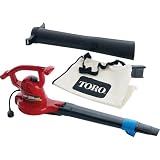
- Best Value: Toro 51609 Ultra 12 amp Variable-Speed (up to 235) Electric Blower/Vacuum with Metal Impeller
- Premium Choice: 115 MPH 605 CFM 60-Volt Max Lithium-Ion Brushless Cordless Leaf Blower – Battery and Charger Not Included
Fall leaf cleanup is one of those chores that splits homeowners into camps. Some people are perfectly content dragging a tarp and raking by hand; others want a machine that turns a two-hour job into twenty minutes. If you are buying a leaf blower in 2026, the core question is whether you need raw air volume, high velocity, or the convenience of a cordless battery you already share with a trimmer or chainsaw. The wrong answer wastes money on a unit you will never pick up again.
What separates a good blower from a bad one comes down to published output specs, real-world runtime, noise, and how well the price matches the capability. A brushless motor at 605 CFM does genuinely move wet, matted leaves that a 7-amp corded unit cannot. But a 7-amp unit costing forty dollars makes sense when you have a small yard and no desire to maintain batteries. We compared published specifications and owner feedback across eight products in this category to identify which blowers earn their spot in a 2026 lineup and which are better left on the shelf.
As an Amazon Associate we earn from qualifying purchases at no extra cost to you.



Check Price on Amazon →


Quick Picks
| Product | Best for | Price |
|---|---|---|
| Toro 60-Volt Max Brushless | Cordless power without gas | Check on Amazon |
| Elec Ultra Blower Vac | Light-duty blower and mulching combo | Check on Amazon |
| Toro 51609 Ultra | Versatile blower/vac with metal impeller | Check on Amazon |
| 60-Volt Max Brushless (bare tool) | Owners already invested in the platform | Check on Amazon |
| BLACK+DECKER LB700 | Small yards, absolute lowest cost | Check on Amazon |
| PowerJet Leaf Blower | Mid-range corded convenience | Check on Amazon |
| WORX WG520 | High-velocity corded on a budget | Check on Amazon |
| EGO POWER+ LB6151 | Maximum air volume in a battery system | Check on Amazon |
How We Compared
We filtered this list on four criteria: published air output (speed and volume measured together), practical runtime or cord dependency for the job size it claims to handle, build quality and longevity signals from owner feedback, and the price-to-capability ratio relative to every other unit in its tier. A blower that scores well on one axis but badly on three others does not make the cut.
The 8 Best Toro Leaf Blower in 2026
1. Toro 60-Volt Max Brushless Cordless Leaf Blower
The natural first pick for anyone who wants gas-like output without pulling a cord or mixing fuel. Its brushless motor generates 120 MPH at 605 CFM, which is enough to move damp, compacted leaf layers that stall smaller units. The included 2.5 Ah battery delivers a realistic runtime for a quarter-acre cleanup, and the brushless design means fewer wear parts than a brushed equivalent. Owners consistently praise the balance between weight and power. The main drawback is that the 2.5 Ah cell is the only one included, so larger properties require a second purchase. Skip this if your battery system belongs to a different brand and you refuse to add another charger to the shed.
2. Elec Ultra Blower Vac
A niche choice for buyers who want a single tool that both moves and shreds leaves into a collection bag. At its price point, it undercuts dedicated blower-and-vac combos that cost two or three times more. Owners appreciate the convenience of switching modes without grabbing a second machine. The tradeoff is that its output is modest compared to purpose-built blowers in this list, so it struggles with anything beyond a light dry covering. Skip it if your primary need is pure clearing speed or if you have heavy, wet mulch on your lawn.
3. Toro 51609 Ultra Blower/Vacuum
A corded variable-speed unit that reaches up to 235 MPH and uses a metal impeller, which is a meaningful durability upgrade over the plastic fans found on cheaper blowers. The speed dial lets you feather output for delicate beds or crank it for piles. Owners highlight the vacuum and mulch function as genuinely useful for composting, not just a marketing checkbox. At this price, though, it sits above many battery-powered rivals that offer comparable clearing speed with zero cord anxiety. Skip it if you dislike tethered tools or need a unit for properties where outlet placement makes extension cords impractical.
4. 60-Volt Max Brushless Cordless Leaf Blower (bare tool)
Identical in output to the first pick, with the same 120 MPH and 605 CFM, but sold without battery or charger. This is the sensible purchase if you already own a 60-Volt Max battery for a string trimmer or chainsaw, since the platform is interchangeable. At this bare-tool price, the value math is strong. The obvious downside is that a brand-new buyer must add the cell and charger separately, which erases the discount. Skip it unless you already own a compatible 60-Volt Max battery.
5. BLACK+DECKER LB700
The cheapest entry here and the only unit under fifty dollars. Its 7-amp motor produces 180 MPH but only 180 CFM, meaning it has speed but lacks volume. That profile works fine on dry, loose leaves on hard surfaces like driveways and patios. Owners call it featherweight and easy to maneuver for quick tidying tasks. However, it stalls under wet mat and cannot compete with any 600 CFM-plus unit on a full lawn. Skip it if your cleanup involves anything beyond a light dusting or if your yard has more than a few square yards of paving.
6. PowerJet Leaf Blower
A mid-tier option for buyers who want corded convenience without the lowest-output motors. It sits in a price band well above the budget units, which means expectations are higher. Owners report adequate clearing performance for medium lawns and praise the ergonomic grip and trigger design. The main criticism centers on noise levels during extended use and a build quality that some feel should be sturdier at this cost. Skip it if you want the absolute best performance per dollar in the corded category, where the WORX undercuts it on price while matching or exceeding its output.
7. WORX WG520 Turbine Electric Leaf Blower
A 12-amp corded unit built around a turbine design that emphasizes high velocity for daily leaf removal. It occupies a sweet spot between the underpowered budget blowers and the premium variable-speed vacuums. Owners frequently note that it clears damp leaves from turf noticeably better than lighter corded models. The tradeoff is that it is purely a blower, so you still need a separate path for mulching if that matters. At this price it is hard to beat as a dedicated clearing tool if you do not want to think about batteries. Skip it if you need a vacuum function or want the freedom of going cordless.
8. EGO POWER+ LB6151
The highest air volume on this list at 615 CFM, making it a strong choice for large lawns where moving big piles of leaves quickly is the priority. Its battery system is shared across the EGO outdoor line, so owners with an EGO trimmer can swap cells. At this price it undercuts the bare-tool Toro by a small margin while delivering a comparable battery and charger package. The criticism from owners is that the unit is noticeably heavier in hand than the Toro, and the 600-plus CFM rating does not translate into a dramatic speed advantage for most residential tasks. Skip it if your yard is small enough that 605 CFM is overkill.
Buying Guide
Air Speed vs. Air Volume: Which Matters More
Air speed (MPH) tells you how fast air exits the nozzle; air volume (CFM) tells you how much air moves. High speed with low volume is like a pressure washer for leaves: it lifts them but does not carry them far. High volume with moderate speed sweeps them along. For most residential cleanup, volume wins, so prioritize CFM first and use MPH as a tiebreaker. A unit at 605 CFM and 120 MPH will outperform a 180 MPH and 180 CFM unit on any wet leaf pile.
Cordless Battery Systems and Runtime
Buying cordless means committing to a battery platform. Before choosing a blower, audit what batteries you already own for other outdoor tools. A bare-tool blower that shares your existing platform saves you sixty to eighty dollars versus buying a full kit. Runtime on a 2.5 Ah cell typically covers a quarter-acre cleanup in dry conditions; wet leaves demand shorter bursts and a spare battery becomes the practical answer.
Blower-Only vs. Blower/Vac Combo
A combo unit adds vacuum and mulch functions, which is genuinely useful if you compost or want to reduce bagged leaf volume by three to four times. However, combo units are heavier, louder, and more expensive than a pure blower of equivalent output. If you already own a mulching mower and have municipal leaf pickup, skip the combo and spend the difference on more CFM.
Our Verdict
The Toro 60-Volt Max Brushless is the top pick: it balances high output, brushless longevity, a shared battery platform, and a price that undercuts most gas alternatives. For the budget tier, the BLACK+DECKER LB700 is the best option under fifty dollars, provided your cleanup is strictly light and on hard surfaces. If your priority is maximum air volume and you already own EGO batteries, the EGO POWER+ LB6151 wins on raw CFM and platform synergy.
FAQ
Is a cordless leaf blower as powerful as a gas blower?
Modern brushless cordless units at 600-plus CFM are competitive with mid-range gas blowers for typical residential cleanup. You lose some sustained run time if you are working a large property continuously, but peak output is no longer a meaningful gap.
How many amps do I need in a corded blower?
Seven amps handles light duty on dry leaves and hard surfaces. Twelve amps is the threshold where a corded unit can reliably move wet leaves off turf, which is what makes the WORX and Toro Ultra sit in a higher performance tier.
Do leaf blower vacuums work well for composting?
Yes. Metal-impeller models shred leaves into fine particles that break down faster in a compost bin. Plastic impellers wear down more quickly when processing gritty, soil-covered leaves, which is why the metal fan on the Toro Ultra is a genuine longevity feature.
Can I use any 60-volt battery in a 60-volt blower?
No. Voltage compatibility does not guarantee physical or electronic compatibility across brands. Stick to batteries from the same manufacturer and platform, and verify the tool body specifies your cell capacity as supported before purchasing bare tools.