Bloober Team’s remake of Silent Hill 2, published by Konami, is the version now on sale for PC, and Linux players keep asking two questions about it: is there a native Linux build, and does the Steam Deck handle it. This article answers both from the primary records only: Steam’s app record, the ProtonDB summary feed, Valve’s Deck sheet, and GOG’s product record.
The short version is a split record. On a desktop or laptop, the game is a strong Proton title with a Platinum community file. On the Steam Deck, Valve’s own test sheet rates it Unsupported, for graphics configuration reasons rather than any launcher or anti-cheat block.
As an Amazon Associate, we earn from qualifying purchases.
Quick answer
No native Linux build exists. Steam’s record for the Silent Hill 2 remake flags Windows only, with an empty Linux requirements tab, so Linux players run the Windows build through Proton. ProtonDB rates that route Platinum across 164 reports at strong confidence. Valve rates the Steam Deck Unsupported, so treat this as a desktop game.
What Steam’s own record says
Steam’s app record for SILENT HILL 2, app 2124490, is unambiguous about platforms. The platform flags read Windows true, Mac false and Linux false. The Linux requirements field exists on the record but is an empty shell: a Minimum heading and a Recommended heading with no entries under either. A populated tab is what a native release looks like on this record type; this game does not have one.
The category list is single-player only, with full controller support, DualShock and DualSense controller support, Steam Achievements, Steam Cloud and Family Sharing. No multiplayer or co-op category appears on it, which matters for the anti-cheat picture below.
The published Windows minimum is the floor the Proton route has to carry: Windows 10 64-bit, an Intel Core i7-6700K or AMD Ryzen 5 3600 processor, 16 GB of RAM, a GeForce GTX 1070 Ti, Radeon RX 5700 or Intel Arc A750 graphics card, DirectX 12 and 50 GB of storage, SSD recommended. Konami’s notes tie that floor to Low and Medium settings at 1080p. That weight explains both the strong desktop reports and the Deck sheet further down.
A family of one: no add-on apps to misread
Some Linux status checks get complicated because a game’s soundtrack or DLC app carries a Linux flag the game itself lacks. That trap cannot fire here: the record lists no DLC array and no demo, a store search for a soundtrack app returns nothing, and the Deluxe Edition is an edition of this same app, not a separate application with its own flags.
So the family sweep is short: the Linux-flag count across the game and its add-on apps is zero of one, and no music app, expansion or demo exists whose flags could be mistaken for a native build.
The DRM gap, and an anti-cheat picture with nothing in it
Two absences on the record are worth stating plainly. First, the DRM gap: Steam’s record carries no DRM notice at all, and no external account notice either. No DRM product is named on the listing, so this article names none, in either direction.
Second, anti-cheat, reported source by source and never blended. Steam’s own record names no anti-cheat system: no category, no notice, no sidebar line. SteamDB’s detected technologies for the app are engine and media components: Unreal Engine, the FidelityFX and XeSS upscaling SDKs, DLSS with frame generation and Reflex, Wwise audio and similar libraries; no anti-cheat system appears among them. Are We Anti-Cheat Yet carries no listing for this title or app at all. On the Deck side, kept separate, Valve’s sheet records no anti-cheat deduction either: its one stated reason concerns graphics configuration, covered next. No record names an anti-cheat gate for this game, on either surface.
ProtonDB: a Platinum desktop file, with one label to ignore
ProtonDB’s summary feed for app 2124490 answered in full, and the file is as strong as the genre gets on desktop. The headline tier is Platinum, the best-reported tier is Platinum, and the trending tier is Platinum, across 164 reports, with confidence marked strong. That agrees with the folder’s horror catalogue, which describes this game as a Proton title in playable shape.
One label on ProtonDB’s game page needs naming rather than repeating: its header carries a “Natively Supports” tag, which reads like a native Linux classification. Steam’s record contradicts it directly, with the Linux flag false and the requirements tab an empty shell. Where the two disagree, this article follows Steam, the publisher’s own listing. Treat the game as a Proton title with a Platinum file, not a native release.
Steam Deck: Unsupported, and the sheet says why
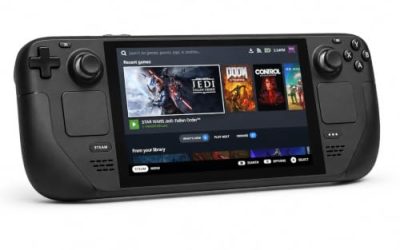
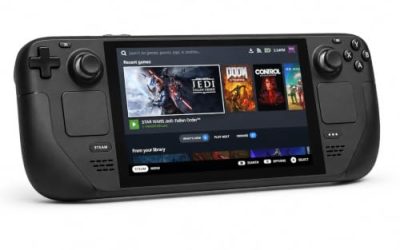
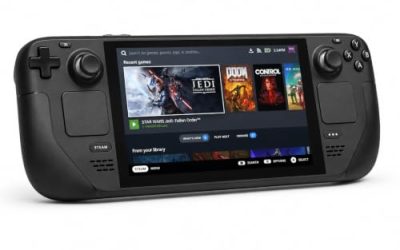
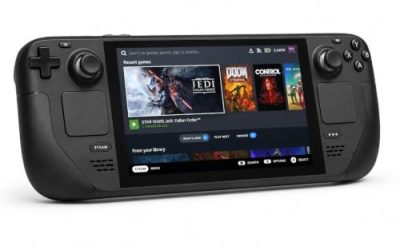
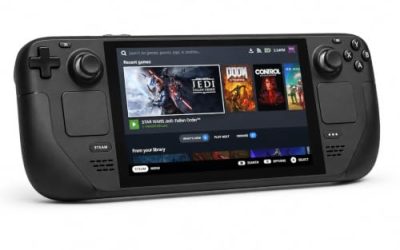
Valve’s own compatibility endpoint returned unreadable output, so the Deck record here is read through SteamDB’s republication of Valve’s compatibility data for this app, the fallback route this project uses when Valve’s endpoint misbehaves. The Steam Deck category is Unsupported, category 1, with a single stated reason: this game’s graphics settings cannot be configured to run well on Steam Deck. The configuration notes flag small text, while requiring no internet connection for setup or single-player, no manual keyboard invocation and no launcher navigation. The recommended runtime is a Proton 11 beta build, and the test is dated: tested 21 July 2026, on build 17080069.
Two things follow. First, the Unsupported rating is a performance judgement about the handheld’s APU against a heavy engine, not a compatibility block: no anti-cheat or launcher item appears on the sheet. Second, Valve’s separate SteamOS check rates the game Compatible: in the sheet’s own words, it runs successfully on SteamOS. That is a statement about the operating system on suitable hardware, not a Deck verdict. This article therefore treats the game as desktop-only, which is why the product set below is the substituted desktop set.
The storefront ruling
There is a second PC edition, and it changes nothing for Linux. GOG sells SILENT HILL 2, and GOG’s own product API record for that edition, product 2051029707, lists system compatibility as Windows true, Mac false and Linux false; the Deluxe Edition record reads the same way. So the GOG copy is the same Windows build in a second wrapper, with no native Linux version behind it. Because GOG’s catalogue search can miss listings, this ruling rests on the product record itself, not on search results.
Buy the Steam copy: it is the edition the ProtonDB file describes and Valve’s Deck sheet was written against. The GOG edition remains a reasonable Windows purchase, but documents no Linux route.
Gear for a desktop-only game
The gear below follows the record’s shape: with the handheld door closed, the picks are a desk keyboard, two pads, a mouse, and fast storage for a 50 GB install.
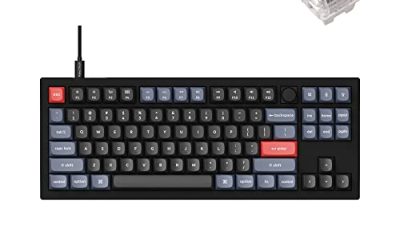
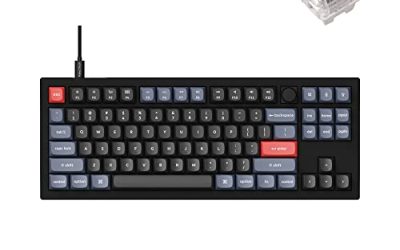
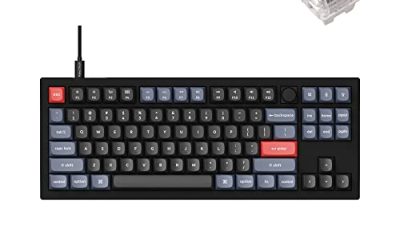
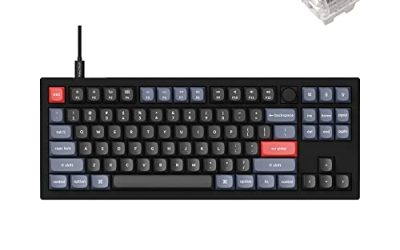
Keychron V3

The keyboard pick for desktop sessions: a tenkeyless board with QMK and VIA support lets you remap keys at the keyboard level, which keeps working across every Linux install you plug it into.
Specs
- Tenkeyless layout with rotary knob
- QMK and VIA remapping support
- Hot-swappable K Pro Brown switches
- Wired USB-C connection
- Maker-rated 1,000 Hz polling
8BitDo Ultimate 2 Bluetooth Controller

The couch and desk pad pick: Steam lists full controller support, and this pad covers long sessions with modern sticks, triggers and back buttons.
Specs
- Connectivity: Bluetooth wireless and USB-C wired
- Joysticks: TMR electromagnetic, anti-drift design
- Triggers: Hall effect, with mode switching
- Extras: two remappable back buttons, motion control
- In the box: charging dock included
Xbox Wireless Controller, Carbon Black

The safest guest pad going: Steam Input support is universal, the glyphs match what most games display, and it pairs over Bluetooth or its own wireless standard.
- Connectivity: Xbox Wireless and Bluetooth
- Port: USB-C for wired play
- Controls: hybrid D-pad, dedicated Share button
- Power: AA batteries or optional rechargeable pack
Logitech G502 HERO

A precise wired mouse earns its place for menus and settings screens between controller sessions. Eleven programmable buttons cover the inputs a long session repeats.
Specs
- HERO optical sensor, up to 25,600 DPI
- 11 programmable buttons
- Adjustable weight system
- Wired USB connection
- On-board memory profiles
Samsung T9 Portable SSD 2TB

The install is 50 GB and Konami recommends an SSD. For moving a Linux game library between machines, or keeping an offline backup, a fast USB-C drive is the simple answer. The headline figure needs a Gen 2×2 host port; on a lesser port the drive runs at that ceiling instead.
Specs
- Capacity: 2 TB portable SSD
- Interface: USB 3.2 Gen 2×2, USB-C connector
- Maker-rated speeds: up to 2,000 MB per second read, 1,950 MB per second write
- Features: Dynamic Thermal Guard, maker-rated drop resistance
How to choose
Choose the Steam copy: it is the build both compatibility records describe, and the GOG edition is the same Windows build with no Linux route documented. On desktop or laptop, install under Proton and start from the default compatibility tool; Platinum headline, best-reported and trending tiers across 164 reports say the current build runs well on hardware at or above the published minimum. Treat that minimum as a real floor, not a formality: Konami’s own notes pin it to Low and Medium settings at 1080p. A controller is the recommended input, with full DualShock and DualSense support listed; keyboard and mouse remain fine for menus. Do not plan a Steam Deck playthrough around it: Valve’s sheet is explicit, and the SteamOS Compatible line does not rescue the handheld verdict.
Who should skip
Skip it if you want a native Linux horror game: this remake is not one, and the Linux-flag count across its whole Steam family is zero. Skip it if the Steam Deck is your only machine, because Valve rates it Unsupported there on graphics configuration grounds. Skip it if your PC sits below the published minimum, which already targets modest settings. And skip the GOG edition if you hoped it hides a native build: its product record lists Windows only.
FAQ
Is Silent Hill 2 native on Linux?
No. Steam’s record for app 2124490 flags Windows only, the Linux requirements tab is an empty shell, and no add-on app in its family carries a Linux flag. The ProtonDB page’s “Natively Supports” header contradicts that record, and this article follows Steam.
How well does Silent Hill 2 run under Proton?
ProtonDB’s summary feed rates it Platinum at every level: headline, best-reported and trending, across 164 reports at strong confidence. That describes the Windows build running through Proton on desktop hardware.
Is Silent Hill 2 Steam Deck Verified?
No: it is rated Unsupported. Valve’s sheet, read through SteamDB’s republication of Valve’s data, gives one reason: the game’s graphics settings cannot be configured to run well on Steam Deck. The test is dated 21 July 2026. SteamOS separately rates Compatible, which is not a Deck verdict.
Can I buy Silent Hill 2 on GOG instead?
You can, but it does not change the Linux picture. GOG’s own product record for its edition lists Windows only, so it is the same Windows build. The Steam copy is the one the ProtonDB file and the Deck sheet describe.
Final verdict
Silent Hill 2’s remake is a desktop Linux game. Steam’s record offers no native build and no family member smuggles one in, yet the Proton route is as well documented as it gets: Platinum on ProtonDB, no anti-cheat named by any source, no DRM notice on the listing. The one hard limit is the Steam Deck, where Valve’s Unsupported rating is a graphics judgement stated plainly. Play it on a desktop or laptop at or above the published minimum, through Proton, controller in hand.
Product and ASIN Reference
| Product | ASIN |
|---|---|
| Keychron V3 | B0B2DMMMG2 |
| 8BitDo Ultimate 2 Bluetooth Controller | B0F194QFT2 |
| Xbox Wireless Controller, Carbon Black | B08DF248LD |
| Logitech G502 HERO | B07GBZ4Q68 |
| Samsung T9 Portable SSD 2TB | B0CHFS9K14 |