RGB Ecosystem Compatibility Guide 2026
RGB lighting is one of the most popular parts of a gaming PC build, and one of the most confusing. Motherboards, RAM, fans, coolers, cases and peripherals all arrive with their own software, their own connectors and their own idea of what “compatible” means. A build can look perfect on the spec sheet and still end up with fans that flash in a different colour from the RAM. This RGB ecosystem compatibility guide explains the two connector standards that matter, how software ecosystems differ, and how to plan a lighting setup that works without a pile of controllers.
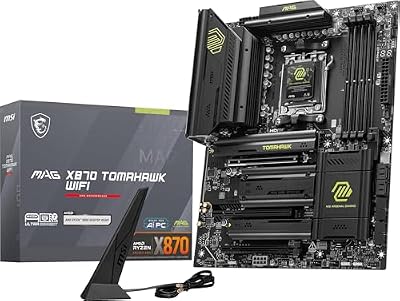
The hero listing above is an RGB-equipped gaming hardware product, and the four alternatives represent other lighting-focused parts in a similar class. The listing may be a closest-match substitute rather than the exact product you searched for, so check the card for the exact lighting standard, connector and software support before you buy. The compatibility rules below apply whichever product you choose.
The Two Connector Standards You Need to Know
Almost every RGB product falls into one of two families. The first is 5V addressable RGB, usually called ARGB, which uses a three-pin header with a 5V line, a ground and a data line. Addressable strips and fans can show different colours on different LEDs and can run animated effects. The second is 12V RGB, which uses a four-pin header and a 12V supply. These products show one colour across the whole strip or fan at a time, and they cannot animate individual LEDs. The two standards look similar, and they are not interchangeable.
Why the Wrong Header Can Damage Parts
Plugging a 12V RGB device into a 5V ARGB header can damage the LEDs or the controller. Check the connector label, the number of pins and the product’s stated voltage before you connect anything. If the motherboard header and the product do not match, use a compatible controller or adapter rather than forcing the connection. The safe rule is simple: identify the standard first, then plug in the matching header.
Header Limits and Power
Each ARGB header on a motherboard has a limit on how many LEDs it can drive reliably, and the limit depends on the board. Long strips and large fan counts can exceed that limit. A dedicated RGB controller or hub, powered from the PSU, takes that load off the motherboard and keeps the lighting stable. This is one of the most common reasons builds with many RGB parts behave strangely.
Software Ecosystems and Cross-Brand Sync
Motherboard makers each run their own lighting software. ASUS uses Aura, MSI uses Mystic Light, Gigabyte uses RGB Fusion and ASRock uses Polychrome. Peripheral and cooler brands run their own suites, such as iCUE for Corsair, Razer Chroma and NZXT CAM. A product with a matching standard connector can often be driven by the motherboard software, but true cross-brand sync is less reliable. Our roundup of gaming motherboards notes which lighting software each board family ships with. Colours may drift, effects may not match, and some features only work in the brand’s own software.
If your goal is one unified look, choose one ecosystem where possible. Staying within a single brand’s lighting family keeps software simple and reduces the chance of conflicting profiles. If you mix brands, plan on using a neutral control approach or accept that effects will not line up perfectly.
Choosing a Primary Light Source
Pick a primary light source and let the rest follow it. Many builders make the RAM or the case fans the centrepiece, then match everything else to that colour and style. A consistent colour temperature and a limited palette look better than a rainbow of unrelated effects. Our RGB gaming setup guide explains how to build a cohesive look around one or two hero components.
Compatibility by Component
Memory With RGB Heatsinks
RGB memory kits usually include their own controller or use the motherboard’s lighting header. The lighting software often comes from the memory maker. Check whether the kit works with your motherboard’s software before you buy. Our G.Skill Trident Z5 RGB review is a useful reference for how an RGB memory kit fits into a lighting setup.
Fans and Coolers
Case fans and AIO pumps often use ARGB headers, and many include a hub. Check whether the fan connector is three-pin ARGB or four-pin PWM, because PWM fans with RGB may need a separate lighting cable. Liquid coolers with RGB pumps can be a special case, so confirm the connector and software before mounting. Our budget AIO liquid cooler guide lists coolers with lighting options at different prices, and the best air CPU coolers guide covers air models with ARGB rings.
Cases With Lighting
Some cases come with a fan hub or a lighting controller, and others leave lighting to the builder. Check whether the case ships with its own controller and which header it needs. A tempered glass case with pre-installed fans can save time, but it may lock you into a specific controller. Our tempered glass case roundup shows which models ship with lighting hardware.
Planning a Clean RGB Setup
Start with the motherboard, because it sets the standard headers you have. If you are still choosing a board, a budget gaming motherboard guide lists boards with the header counts that suit a lit build. Count the ARGB and RGB headers, and note their pin layouts. Next, list every RGB device in the build and its connector type. Then decide whether you need an external controller or hub. Finally, choose one software suite to run everything, and test the lighting before you close the case. Doing this in order avoids most of the common problems.
Comparing RGB Products
The table below lists the hero product and four alternatives by the role they play in a buying decision. Prices change often and vary between sellers, so the table does not give exact figures. Confirm the lighting standard, connector type and software support on the live listing before you buy.
| Option | Product role | Best for | Spec to confirm | Price |
|---|---|---|---|---|
| Hero listing | Primary pick for the query | RGB-focused builds | ARGB or 12V RGB connector | Check current price |
| Alternative 1 | Lighting accessory | Budget lighting setups | Header type and software support | Check current price |
| Alternative 2 | Fan or cooler option | Airflow with lighting | ARGB header and fan speed control | Check current price |
| Alternative 3 | Controller or hub option | Builds with many lit parts | Channel count and power input | Check current price |
| Alternative 4 | Memory or case option | Showcase builds | Software ecosystem and connector | Check current price |
Our Ranked Recommendation
For most builders, the ranked order is clear. First, pick one software ecosystem that matches your motherboard, and buy RGB parts from that family where possible. Second, use ARGB parts for animated effects and 12V RGB only where its single-colour look is what you want. Third, add a dedicated controller or hub once the number of lit parts grows beyond what the motherboard headers handle comfortably. Fourth, avoid mixing brands unless you accept imperfect sync. The hero listing and the matching-standard alternatives fit the first choice. For a wider look at lighting setups, see our guide to gaming PC cases with lighting.
Frequently Asked Questions
Can I plug 12V RGB into an ARGB header?
No. The voltages and pin layouts differ, and a mismatch can damage the LEDs or the controller. Check the header and the product before connecting, and use an adapter or controller if needed.
Do RGB products from different brands sync together?
Sometimes, but not reliably. Products that share a standard connector can be driven by one motherboard software suite, though colours and effects may not match exactly. Staying within one ecosystem gives the most consistent result.
Do I need an RGB controller hub?
Not for a simple build with a few lit parts. A hub becomes useful when you have many fans, strips or RAM sticks that could overload the motherboard headers or when you want a single control point.
Does RGB lighting affect performance?
Not directly. Lighting uses little power compared with the graphics card and processor. Its main cost is cable clutter and airflow restriction, which good routing can reduce.