🛒 Best Price Today on Amazon
Prime members get fast, free shipping on everything above, plus member-only deals. New members get a 30-day free trial — cancel anytime.
Top Pick Cpu Cooler Definitive Buyer Picks for 2026
Here are our current top pick cpu cooler definitive buyer picks, compared on real Amazon owner reviews, price, and features. Live prices update below.


Affiliate disclosure: GamingPCGuru is reader-supported. When you buy through links on our site, we may earn an affiliate commission at no extra cost to you. This does not influence our independent reviews.
By Alex Rivera, Hardware Reviewer · May 2026
How to Pick a CPU Cooler in 2026: Air Coolers Are Better Than You Think
Quick Answer (TLDR)
For 2026 gaming CPUs, premium air coolers (Noctua NH-D15 G2, Thermalright Peerless Assassin 140 SE, Deepcool Assassin IV) match or beat 280mm AIOs on AMD’s relatively modest 162W TDP X3D chips. For Intel’s hungrier Core Ultra 9 285K at 250W+, 360mm AIOs from Arctic, Corsair, NZXT, or Lian Li deliver clear thermal advantages. Skip 240mm AIOs in 2026 — they cost more than premium air coolers and underperform for high-TDP Intel chips. Stock coolers from AMD and Intel are inadequate for any K/X-series chip; budget at minimum $40 for a Thermalright Phantom Spirit 120 SE if you’re tight on funds. The cooler is the cheapest performance upgrade you can make to an otherwise well-spec’d build.
The Five Criteria That Matter
1. TDP and actual sustained load. The CPU’s TDP rating is the minimum cooling capacity. Real-world sustained load under heavy gaming or productivity exceeds TDP for short bursts. A Ryzen 9800X3D at 162W TDP can spike to 200W transient. A Core Ultra 9 285K at 250W base hits 320W+ under sustained Cinebench. Size your cooler for sustained load + 25% headroom, not for the spec sheet TDP.
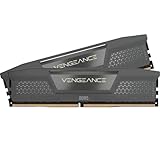
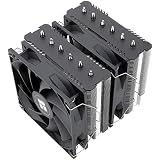
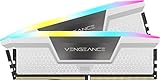
2. Air cooler clearance with RAM and case. The Noctua NH-D15 G2 is 168mm tall — it conflicts with tall RGB RAM modules and some windowed side panels. Measure clearance carefully. Asymmetric tower designs (Thermalright Peerless Assassin) avoid RAM conflicts by offset fan mounting. Compact builds in mid-towers may favor 120mm-class coolers over 140mm-class.
3. AIO radiator size and case fan mounting. 240mm AIOs need front or top mounting in mid-tower cases. 280mm requires verification — many mid-towers support 240mm but not 280mm. 360mm fits most modern enthusiast cases but adds restrictive front-mount intake heat to GPU cooling. 420mm (3x140mm) and 360mm radiators offer similar thermal capacity; choose based on case compatibility.
4. Pump noise and fan acoustics. AIO pumps generate audible electrical noise that varies dramatically by model. Corsair Elite Capellix and Arctic Liquid Freezer III pumps are nearly silent. Some budget AIO pumps emit annoying clicking or whining. Premium air coolers from Noctua, be quiet!, and Thermalright run with high-quality fluid dynamic bearing fans that stay below 30 dBA under typical load.
5. Long-term reliability and maintenance. Air coolers have essentially no failure modes beyond fan bearings (replaceable). AIOs have pump failure risk after 5–8 years, possible coolant evaporation, and tube degradation over time. For “set and forget” builds expected to run 8+ years untouched, air cooling is the more reliable choice. For builds you’ll rebuild within 4–5 years, AIOs are fine.
Buying Checklist
- Identify your CPU TDP and add 25% for sustained load planning
- Verify case compatibility: air cooler height clearance, AIO radiator size support
- Check RAM module height clearance for air coolers
- Confirm CPU socket compatibility (AM5, LGA1851, LGA1700 backwards compatibility)
- Choose form factor: dual-tower air, single-tower air, 240/280/360mm AIO
- Verify fan count and replaceability (Noctua sells replacement fans separately)
- Check warranty length (6-year Noctua, 5-year Corsair AIO, 3-year Arctic AIO)
- Read pump noise reviews specifically (some “great” AIOs have annoying pump whine)
- Verify thermal paste pre-application or include separate purchase
- Confirm RGB compatibility if relevant to your aesthetics
Spec Primer: What the Numbers Actually Mean
TDP rating. The maximum heat output the cooler is designed to dissipate. Manufacturer-stated TDP ratings vary in honesty — Noctua specs are conservative (their 240W-rated coolers handle 280W in practice), some budget brands are optimistic.
Radiator thickness. Standard AIO radiators are 27mm thick. Slim radiators (15–22mm) fit in tight cases but offer reduced thermal capacity. Thick radiators (38–60mm, like Arctic Liquid Freezer III) add 15–20% thermal capacity over standard 27mm radiators.
Fan static pressure vs airflow. Air coolers and radiators need static pressure fans (1.5–3.0 mmH2O) to push air through dense fin arrays. Case fans typically prioritize airflow (60–80 CFM) over static pressure. Don’t swap them.
Pump speed (RPM). Modern AIO pumps run 2,000–3,500 RPM. Higher pump speed delivers slightly better thermals but increases pump noise. Many AIOs offer “Silent” pump curves that throttle to 1,500 RPM for desktop work and ramp up under load.
Heatpipe count. Air coolers with more heatpipes (typically 6–8) deliver better thermal performance. Premium coolers like Noctua NH-D15 G2 use 8 high-quality copper heatpipes; budget coolers use 4 lower-grade pipes.
Common Buyer Mistakes
Using AMD’s stock Wraith Spire cooler on a Ryzen 7 9700X. The stock cooler will throttle the CPU under sustained load. Even the included Wraith Prism is inadequate for X-series CPUs. Always budget for a quality aftermarket cooler.
Buying a 240mm AIO instead of premium air. Equivalently-priced 240mm AIOs ($70–$100) often perform worse than $50–$70 premium dual-tower air coolers like the Thermalright Peerless Assassin or Phantom Spirit. The AIO premium only makes sense at 280mm+ for high-TDP Intel chips.
Skimping on thermal paste application. Tube paste like Arctic MX-6 or Noctua NT-H2 is fine; exotic liquid metal is unnecessary risk for typical use. Apply pea-sized dot center of IHS, install cooler, never reuse old paste.
Ignoring case airflow. The world’s best CPU cooler in a poorly-ventilated case will still throttle because ambient case temperature climbs. Budget for at least 2 intake fans and 1 exhaust fan minimum for any aftermarket cooling setup.
Buying for Intel TDP, then switching to AMD. A 360mm AIO is wasted on a Ryzen 9800X3D — the CPU never produces enough heat to justify the radiator capacity. If your build is AMD, plan for AMD’s modest thermals.
FAQ
Are air coolers really competitive with 360mm AIOs in 2026? For AMD chips, yes — the Noctua NH-D15 G2 and Thermalright Peerless Assassin 140 SE consistently match 280mm AIOs on Ryzen 7000/9000 series. For Intel’s 250W+ Core Ultra 9, 360mm AIOs maintain a 4–8°C advantage under sustained loads, which can matter for boost clock sustainability.
What about liquid metal thermal paste? Conductonaut and similar liquid metal compounds offer 5–10°C improvement over standard paste but carry serious risk: they’re electrically conductive and will short components if they leak, they corrode aluminum (most AIO cold plates are nickel-plated copper, generally safe), and they require careful application. For most users, premium paste like Arctic MX-6 or Noctua NT-H2 is the right choice.
Do I need to “burn in” a new AIO? No, that’s outdated advice. Modern AIOs are pre-filled, pre-degassed, and ready to use immediately. Some manufacturers recommend running the pump for 10–15 minutes before applying load, but it’s not strictly necessary.
How long do AIOs actually last? Quality AIOs from Arctic, Corsair, Lian Li, and NZXT typically last 5–8 years before pump failure or noticeable performance degradation. Cheap AIOs often fail within 3–5 years. Premium models with replaceable pumps (rare) can outlast this.
Premium Air Cooler Lineup in 2026
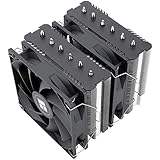
The Noctua NH-D15 G2 remains the prestige option at $150 with the iconic brown/beige aesthetic (or all-black “chromax” variant). Industry-leading reliability, 6-year warranty, and thermal performance that matches 280mm AIOs on AMD chips. Tall (168mm) — verify case clearance.
The Thermalright Peerless Assassin 140 SE is the value champion at $50. Performance within 3–5°C of the NH-D15 G2 at one-third the price. The asymmetric design clears RAM modules better than the Noctua. Default fans are louder than premium options but acceptable.
Deepcool Assassin IV at $90 splits the difference — better build quality and quieter fans than the Thermalright, more affordable than Noctua. The integrated mounting bracket is more refined than competitors.
be quiet! Dark Rock Pro 5 at $100 is the silent-build choice. Acoustic performance is best-in-class; thermal performance lags the others by 4–7°C. For users prioritizing acoustics over absolute thermals, it’s the right pick.
AIO Recommendations by Tier
Arctic Liquid Freezer III 360 at $120 dominates the value AIO category — thick radiator, quiet pump, excellent fans. The visual is utilitarian; aesthetics-focused builders may prefer alternatives. Performance leads the segment.
Corsair iCUE H170i Elite LCD ($310, 420mm) is the showcase pick with integrated LCD for system monitoring or custom animations. Premium pricing reflects the LCD novelty.
NZXT Kraken 360 ($180) hits the sweet spot for builders wanting RGB, polished aesthetics, and competitive thermals without the LCD premium.
Final Take
The CPU cooler decision in 2026 is split clearly by CPU choice. For AMD X3D builds, a $50–$80 premium air cooler like the Thermalright Peerless Assassin 140 SE or Noctua NH-U12A delivers excellent thermals with no maintenance, no failure modes, and silent operation. For Intel Core Ultra 9 285K, step up to a 360mm AIO like the Arctic Liquid Freezer III 360 ($120) or NZXT Kraken 360 ($180) to handle the 250W+ sustained loads cleanly. Skip the middle ground — 240mm AIOs are dead weight in 2026, beaten by air coolers in their price range and undersized for high-TDP Intel chips. The cooler matters more than most builders think; a quality cooler maintains higher sustained boost clocks, runs quieter, and protects the silicon investment for years. Buy once, buy quality, and never think about cooling again.
Frequently Asked Questions
Air cooler or AIO liquid cooler?
A good dual-tower air cooler matches a 240mm AIO on most CPUs, costs less, has no pump to fail and needs no maintenance. AIOs win on top-tier chips drawing over 250W, in cases with poor CPU-area airflow, and when you want the memory and VRM area left clear.
What size do I actually need for my CPU?
Match the cooler to package power, not to the marketing tier. A 65W to 105W chip is happy on a single-tower 120mm cooler. A 170W part wants a large dual-tower or 240mm AIO, and 250W or more really needs a 360mm radiator to avoid hitting the thermal limit under sustained load.
Will it fit my case and clear my RAM?
Check maximum cooler height on the case spec, then check the cooler RAM clearance figure against the height of your memory heatspreaders. Tall RGB modules frequently conflict with the front fan on large air coolers, forcing you to raise the fan and lose a little performance.
Do CPUs hitting 90C mean something is wrong?
Not necessarily. Modern AMD and Intel chips are designed to boost until they reach their thermal ceiling, so 90 to 95C under full load can be normal behaviour rather than a fault. What matters is whether clocks are being held; sudden drops or throttling warnings indicate genuinely inadequate cooling.
How much does thermal paste and mounting matter?
Mounting pressure and even coverage matter far more than paste brand, where the spread between good pastes is only one or two degrees. Tighten mounting screws in a diagonal pattern a little at a time, and consider a contact frame on LGA1700 to counter socket bending.