- Top Pick: Definitive Guide to New Gaydon Era Aston Martin: A Buyer's and Enthusiast's Guide to: Vantage V8, V8 S, V12 – Coupe & Roadster. DB9 – DBS – Virage Coupe & Volante, New Vanquish, Rapide/S and DB11
- Best Value: The Definitive Jazz Collection (Definitive Collections), 2nd Edition – Piano Vocal Guitar Songbook | 88 Jazz Standards | Medium to Medium-Difficult | Vocal Melody Lyrics Chords and Piano Accompaniment
- Premium Choice: The Definitive Blues Collection
🛒 Best Price Today on Amazon
Prime members get fast, free shipping on everything above, plus member-only deals. New members get a 30-day free trial — cancel anytime.
Top Choose Atx Itx Micro Atx Picks for 2026
Here are our current top choose atx itx micro atx picks, compared on real Amazon owner reviews, price, and features. Live prices update below.
As an Amazon Associate we earn from qualifying purchases at no extra cost to you. Product prices and availability are accurate as of the date shown and are subject to change.


Prime
Editor's Pick
Zalman CUBIX Compact Mini Tower mATX Micro-ATX PC Case, White | Heavy-Duty 0.8T Steel, DTX ITX SFF SFX HTPC Small Form Factor Chassis, USB 3.0, 1x 80mm Fan, ATX PSU Support


Affiliate disclosure: GamingPCGuru is reader-supported. When you buy through links on our site, we may earn an affiliate commission at no extra cost to you. This does not influence our independent reviews.
By Alex Rivera, Hardware Reviewer · May 2026
How to Choose an ATX vs ITX vs Micro-ATX Build: Micro-ATX Is the Forgotten Sweet Spot
Quick Answer (TLDR)
The form factor conversation in 2026 is dominated by ATX-vs-ITX debate while ignoring micro-ATX — which is often the genuine sweet spot. Micro-ATX motherboards offer 90% of ATX features in 75% of the footprint at 80% of the cost. ATX is the default for builds that need 4+ M.2 slots, multiple PCIe x16 slots, or specific high-end motherboard features. ITX is for genuinely space-constrained builds (sub-15L cases, dorm rooms, living rooms) and you pay 30-50% more for the form factor premium. Micro-ATX hits the middle: full GPU support, 2-3 M.2 slots, 4 DIMM slots, ATX power, and case selection at $60-100 in the form factor. For most builders, micro-ATX delivers a compact build without ITX’s compromises. Choose ATX for maximum expandability, micro-ATX for compact value, ITX only when physical space demands it.
The Five Criteria That Matter
1. Physical space constraint. ATX mid-towers occupy ~40-50L. Micro-ATX cases occupy ~25-35L. ITX cases occupy 10-20L. Measure your actual space (desk, shelf, under-desk area) before choosing form factor. Don’t pay ITX premium if a micro-ATX case fits the space.
2. Expansion needs — M.2 slots and PCIe. ATX motherboards: 3-5 M.2 slots, 1-2 PCIe x16 slots, multiple PCIe x4/x1 expansion. Micro-ATX: 2-3 M.2 slots, 1 PCIe x16 slot, 1-2 expansion slots. ITX: 1-3 M.2 slots, 1 PCIe x16 slot, zero expansion. If you need video capture card, sound card, or PCIe expansion beyond GPU — ATX is required.
3. Cost comparison reality. Equivalent-feature B650 motherboard pricing in 2026: ITX $200-280, Micro-ATX $130-180, ATX $150-220. ITX commands a 40-60% premium for the same chipset. Cases follow similar pricing: ITX $100-200, Micro-ATX $70-120, ATX $80-140.
4. Thermal considerations. ATX cases offer best thermal capacity (most airflow, largest radiator support). Micro-ATX cases compete closely (often same 360mm radiator support). ITX cases run 3-8C warmer at sustained load due to compact volume. Plan cooling solution per form factor.
5. Future upgrade flexibility. ATX supports any future GPU and CPU upgrade indefinitely. Micro-ATX has minor PCIe expansion constraints but accepts any modern GPU. ITX limits future GPU size — 4-slot card upgrades may not fit smaller ITX cases.
Buying Checklist
- Measure available physical space for the PC (depth, height, width)
- Count required PCIe slots beyond GPU (capture card, sound card, etc.)
- Count required M.2 slots for storage needs (1-2 typical, 3-4 for power users)
- Count required DIMM slots (2 for 32GB or 64GB, 4 for future RAM expansion)
- Choose form factor based on actual constraints, not aesthetic preference
- Verify case-to-motherboard compatibility (case dimensions and motherboard size)
- For micro-ATX: verify case has correct fan/radiator mount positions
- For ITX: verify GPU clearance for your specific card length and thickness
- Confirm CPU cooler clearance — ITX often limits to low-profile options
- Verify PSU form factor matches case (ATX, SFX, SFX-L)
Spec Primer: What the Numbers Actually Mean
Motherboard size dimensions. ATX: 305x244mm (12×9.6″). Micro-ATX: 244x244mm (9.6×9.6″). Mini-ITX: 170x170mm (6.7×6.7″). E-ATX: 305x330mm+ (12×13″+, varies by manufacturer). Verify case supports your chosen size.
PCIe slot allocation. ATX boards: 4-7 expansion slots typically, including 1-2 PCIe x16 (full GPU). Micro-ATX: 4 expansion slots, 1 PCIe x16. Mini-ITX: 1 expansion slot only (which the GPU takes). For builders needing capture cards or other PCIe devices, ITX is excluded.
M.2 slot configurations. Modern ATX boards: 3-5 M.2 slots (mix of PCIe 4.0 and 5.0). Micro-ATX: typically 2-3 M.2 slots. Mini-ITX: 1-3 M.2 slots (often using backside mounting for additional capacity). Count current and future storage needs.
DIMM slot count. ATX and Micro-ATX: 4 DIMM slots standard. Mini-ITX: 2 DIMM slots standard. Two-slot ITX boards limit RAM to 2x32GB (64GB) or 2x48GB (96GB) maximum. Four-slot boards allow 4x32GB (128GB) or 4x48GB (192GB) with the right kit support.
VRM quality by form factor. Premium ATX boards have the best VRMs (16-20+ power phases). Micro-ATX and ITX boards often have slightly less robust VRMs due to space constraints. For overclocking heavy CPUs, ATX premium is genuinely necessary. For stock operation, all form factors work.
Common Buyer Mistakes
Defaulting to ATX without thinking. Many builds reflexively choose ATX when micro-ATX would deliver the same gaming PC in smaller, cheaper packaging. If you don’t need 4+ M.2 slots or multiple PCIe expansion cards, micro-ATX often makes more sense.
Choosing ITX for “compact” when desktop has space. ITX premium ($150-300 over micro-ATX) buys size reduction you don’t benefit from if your desk has ample room. ITX is for genuine space constraints, not aesthetic minimalism.
Underspeccing ITX motherboard. Cheap ITX boards have weak VRMs that throttle high-end CPUs. If pairing Ryzen 9 with ITX, spend on premium ITX boards (ASUS ROG Strix B650-I, MSI MAG B650I Edge).
Forgetting CPU cooler clearance in ITX. Many ITX cases limit CPU cooler height to 130-160mm. Tall dual-tower air coolers don’t fit. Verify cooler compatibility before purchase or plan for low-profile cooler.
Overestimating thermal compromise of micro-ATX. Modern micro-ATX cases (NZXT H5 Flow, Cooler Master MasterBox NR400, Fractal Pop Mini Air) deliver thermals within 2-3C of equivalent ATX cases. The size reduction is essentially free thermally.
FAQ
Why isn’t micro-ATX more popular? Marketing — manufacturers emphasize ATX (premium pricing, most features) and ITX (premium pricing, lifestyle aesthetic). Micro-ATX sits in the middle, less profitable per unit, less hype. It’s quietly excellent for most builds but doesn’t get marketing attention.
Are E-ATX motherboards worth it? Only for HEDT workstations (Threadripper, Xeon W) or extreme overclocking with high VRM count requirements. E-ATX in consumer Ryzen/Intel builds is marketing fluff. Standard ATX has identical functionality at lower cost.
Can I run a high-end GPU in micro-ATX cases? Yes. Most micro-ATX cases support 330mm+ GPU length and 3-4 slot height. RTX 5080 and 5090 partner cards fit comfortably. ITX cases vary widely — some accept full-size cards (Fractal Terra), others limit to 240mm.
What about NUC Extreme or NUC Compute Element form factors? Specialty Intel form factors — interesting for ultra-compact builds but limit upgrade paths to Intel-only ecosystem with proprietary connectors. Niche use case, not for mainstream builders.
The Micro-ATX Sweet Spot Build
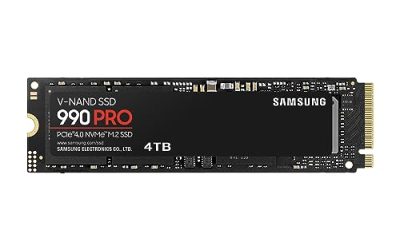
A representative micro-ATX gaming build that demonstrates the form factor’s value: ASUS TUF Gaming B650M-Plus WiFi ($165), Ryzen 7 9700X3D ($429), 32GB DDR5-6000 CL30 ($120), RTX 5070 Ti ($699), 2TB Samsung 990 Evo Plus ($150), 850W Corsair RM850e ($125), Fractal Pop Mini Air case ($85), Thermalright Peerless Assassin 120 SE ($45). Total: ~$1,818. Same component spec in ATX form factor would cost ~$60-100 more for marginal feature gain (extra M.2 slot, slightly better VRM). Same spec in ITX would cost $250-350 more for ~30% smaller footprint with cooling compromises.
Final Take
Form factor selection deserves more analytical thinking than it typically gets. ATX is the right default for builds that need maximum expansion (4+ M.2 slots, multiple PCIe x16, future-proof everything). Micro-ATX is the genuine sweet spot for most gaming builds — full GPU support, adequate M.2 and DIMM slots, smaller footprint, lower cost. ITX earns its premium only when space genuinely demands it. The default “build ATX” assumption costs most builders $50-150 in motherboard and case premium for features they don’t use. Stop defaulting to ATX. Start considering micro-ATX seriously. Reserve ITX for when desk space, dorm room, or living room actually requires it.
Frequently Asked Questions
What do I actually give up by going smaller?
Mini-ITX boards have one PCIe slot and two RAM slots, micro-ATX typically has two or three PCIe slots and four RAM slots, and full ATX offers the most expansion plus better VRM cooling and more M.2 slots. Smaller boards also cost more for the same chipset because of the engineering density involved.
Is micro-ATX the best value compromise?
For most builders, yes. Micro-ATX keeps four memory slots and full-size ATX power supply compatibility while fitting in a noticeably smaller case, and the boards are often the cheapest option at any given chipset. You lose only the extra PCIe slots that most gaming builds never use anyway.
How much harder is an ITX build to assemble?
Considerably. Cables must be routed in a specific order, cooler height and GPU length tolerances are measured in millimeters, and you often build partially outside the case then assemble in stages. Budget twice the time of an ATX build and verify every clearance dimension against the case spec before ordering.
Do small cases run hotter?
Yes, typically 5 to 15 degrees warmer on the GPU depending on the design, because there is less volume and often less intake area. Sandwich-layout ITX cases can be surprisingly good with the right fans, but they demand careful fan selection and often result in higher noise for the same temperature.
Which should I pick for a first build?
ATX or micro-ATX. Both are forgiving of cable slack, accept nearly any cooler and card, and cost less. Reserve ITX for a second build once you know your parts and constraints, or for a specific need like fitting under a TV or carrying the machine to LAN events regularly.