KeeperRL spent almost nine years in Early Access before its 1.0 release on 29 February 2024, and dungeon-keeper management games are exactly the kind of niche title Linux players usually run through a compatibility layer. This one is the exception: Electric Succubi’s Steam record claims Linux support on every surface a store can claim it, so the useful question is whether the delivery underneath matches the claim.
This article reads that record layer by layer: the flags, the requirements, the depots, the assets, the one piece of downloadable content, Valve’s Deck paperwork, the player reports, and the second storefront selling the game. KeeperRL turns out to be genuinely native, with two paperwork quirks worth naming.
As an Amazon Associate, we earn from qualifying purchases.
Quick answer
Yes. KeeperRL is natively supported on Linux: Steam’s record flags all three platforms, publishes full Ubuntu requirements in both tiers, and ships a dedicated 64-bit Linux depot, and Valve’s Deck Verified test used the native runtime. A DRM-free GOG edition also carries Linux. No Proton layer is required on either storefront.
What the Steam record actually shows
Steam’s platform record for app 329970 reads windows true, mac true, linux true, and the requirements tabs behind those flags are genuinely populated on all three systems. The Linux tab names Ubuntu in both tiers: the minimum asks for a dual-core processor at 2.4 GHz or better, 4 GB of memory and 1 GB of storage; the recommended tier raises the processor to a 4 GHz-class dual core and the memory to 8 GB. The Windows and Mac tabs carry the same shape with their own systems named.
The depot list is where the claim becomes physical. SteamDB’s census shows a shared content depot, Windows and macOS depots, and a dedicated Linux 64-bit depot, numbered 329975, holding about 34 MB. A Linux build with its own depot and size is a shipped product, not a flag error, and the detected SDL and OpenAL technology stack makes a three-system release plausible.
Two quirks sit inside that clean picture. The first is the second Linux depot: a Linux 32-bit depot, numbered 329974, registered at 0 bytes. It delivers nothing, reads as a legacy slot from the Early Access years never cleaned up, and changes nothing, because the build that ships is the 64-bit one. The second quirk runs the other way: the registered assets are the standard client icon, icon and logo set, with no Linux client icon in any form, the inverse of the usual fossil pattern. Here the build is alive and the icon is simply absent. One disclosed limitation: the discrete launch-entry list was not separately extractable this session, so the ruling rests on flags, requirements, depots and assets, corroborated by the native runtime line in Valve’s test configuration below.
The downloadable content agrees too. The DLC array holds exactly one app, the KeeperRL Official Soundtrack (635540), released in May 2017, read individually: it flags all three platforms true, including Linux, with its own minimal Linux requirements. On a Windows-only game that pattern is a trap. Here it is harmless: the base game is native, so the soundtrack’s flags agree instead of impersonating it.
The Steam Deck badge, and its date problem
Valve rates KeeperRL Verified on Steam Deck, the top category, and SteamOS separately Compatible. All four Verified checks pass: the default controller configuration is fully functional, the game shows Steam Deck controller icons, interface text is legible, and the default graphics configuration performs well. The configuration block adds two facts that matter for a Linux reader. The supported input class is gamepad, with no manual keyboard invocation required, and the recommended runtime is listed as native. That line matters: Valve’s own test ran the Linux build itself, not the Windows build under Proton.
The paperwork, however, is old. The test is dated 3 March 2023, against build 10542969. KeeperRL was still in Early Access then; the 1.0 release arrived almost a year later, and the current public build, 20546455, dates from 26 October 2025. So the badge certifies an unfinished version, updated many times since without a fresh test. That makes this a supplement-candidate shape: the verdict is real, but a reader deciding today should know the date on the certificate. The native build it describes is still the one being sold, which keeps the badge meaningful rather than historical.
One record silence belongs here too. The game’s own store record carries no controller-support field and no controller category; the only input evidence anywhere is Valve’s test sheet. Anything beyond that sheet’s wording would be a guess, so this article claims nothing further about desktop pad support.
What players report
ProtonDB classifies KeeperRL as Native and shows four reports on its game page. Its summary feed, however, was down during this check: the endpoint returned a not-found page for this app and for a control app alike, which marks an outage rather than a missing record. So no settled tier, trending figure or confidence value is claimed here; for a native-classified game those figures would describe the Windows build’s Proton record anyway.
The visible reports are few and mixed. A Steam Deck filing praises the game and notes the developer added tutorials aimed at the Deck. Against that, an older Manjaro filing reported the native build would not run and that forcing Proton fixed it, and another reached for an SDL video-driver launch option under an experimental Proton. Those are old, single-machine reports against a record that has since shipped a 1.0 release and two more years of updates, so they are carried as colour, not as a verdict. The page’s heading is one of the rare accurate ones: ProtonDB carries a Natively Supports heading for this game, and for once Steam’s record agrees on every layer checked.
On anti-cheat there is nothing to clear. KeeperRL is single-player, its record names no anti-cheat and no DRM notice, and the community anti-cheat catalogue read for this project holds no entry for it in either direction: documentation silence.
The other storefront
There is a second copy to weigh, and it agrees with the first. GOG sells KeeperRL as product 2126401274, and its product record reads content system compatibility windows true, osx true, linux true. So the DRM-free edition carries a real Linux build too, ruled from the product record itself rather than from search results, which for this title returned nothing and proved nothing. A Linux buyer has a genuine choice: Steam’s copy brings the Workshop and Cloud features its record lists, GOG’s the same native game without DRM.
Gear that fits the record
The gear below follows the record’s shape: the handheld, two pads, a desktop mouse, and library storage.
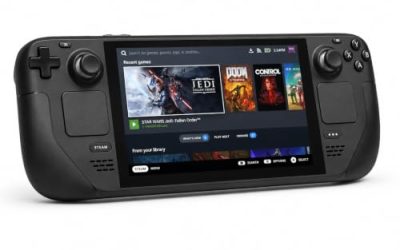
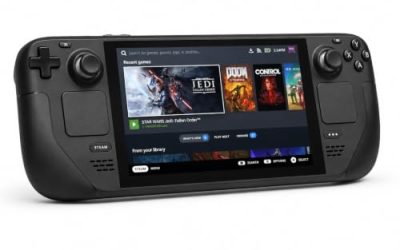
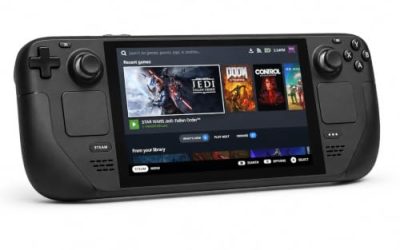
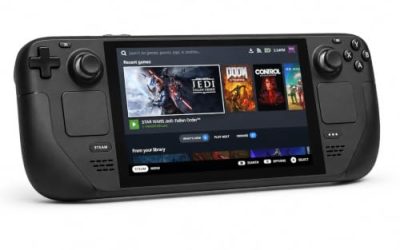
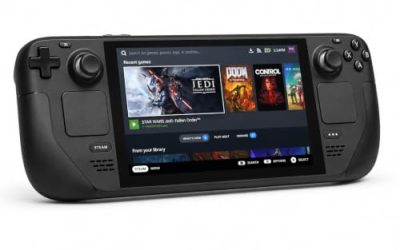
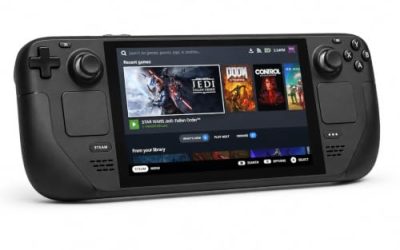
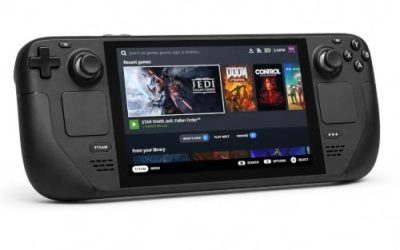
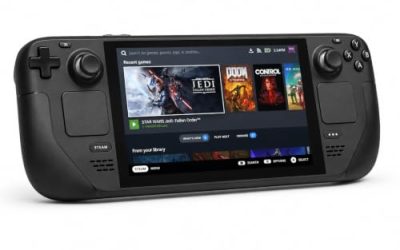
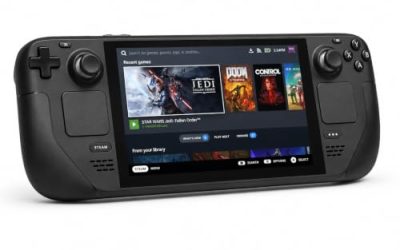
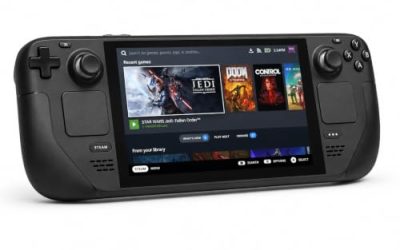
Valve Steam Deck OLED 512GB

The handheld the Verified badge was written for. Valve’s test ran the native build, and the game’s requirements are a rounding error next to the Deck’s APU.
Specs
- Display: 7.4-inch HDR OLED, 1280 by 800, up to 90 Hz
- Processor: AMD Zen 2 and RDNA 2 custom APU
- Memory: 16 GB LPDDR5
- Storage: 512 GB NVMe, plus a microSD slot
- Wireless: Wi-Fi 6E and Bluetooth
- Channel note: Valve sells the Deck mainly through its own store, so Amazon listings are third-party sellers
8BitDo Ultimate 2 Bluetooth Controller
The docked and desktop pad pick. Valve’s test sheet lists gamepad as the game’s supported input class on Deck, and this pad covers the couch case with back buttons for menu shortcuts.
Specs
- Connectivity: Bluetooth wireless and USB-C wired
- Joysticks: TMR electromagnetic, anti-drift design
- Triggers: Hall effect, with mode switching
- Extras: two remappable back buttons, motion control
- In the box: charging dock included
Xbox Wireless Controller, Carbon Black
The safest guest pad in PC gaming: Steam Input support is universal, and it pairs over Bluetooth or its own wireless standard.
- Connectivity: Xbox Wireless and Bluetooth
- Port: USB-C for wired play
- Controls: hybrid D-pad, dedicated Share button
- Power: AA batteries or optional rechargeable pack
Logitech G502 HERO
KeeperRL is a game of menus, build orders and inventory screens, and at a desk a precise wired mouse turns those into single clicks. Eleven programmable buttons cover the confirm, cancel and camera inputs a long session repeats.
Specs
- HERO optical sensor, up to 25,600 DPI
- 11 programmable buttons
- Adjustable weight system
- Wired USB connection
- On-board memory profiles
Samsung T9 Portable SSD 2TB
For moving a Linux game library between desktop and laptop, or keeping an offline backup of installers, a fast USB-C drive is the simple answer. The headline figure needs a Gen 2×2 host port; on a lesser port the drive runs at that ceiling.
Specs
- Capacity: 2 TB portable SSD
- Interface: USB 3.2 Gen 2×2, USB-C connector
- Maker-rated speeds: up to 2,000 MB per second read, 1,950 MB per second write
- Features: Dynamic Thermal Guard, maker-rated drop resistance
How to choose
Choose the storefront first, because both sell the same native build. Steam is the pick if the Workshop matters to you, since the record lists Workshop support. GOG is the pick if you want the installer DRM-free and kept offline; its Linux compatibility is on the product record, not a promise.
Choose the machine second. On a Linux desktop the game asks for almost nothing: a dual-core processor and 4 GB of memory at minimum, so any maintained distribution on recent hardware clears the bar, with no compatibility layer to configure. On Steam Deck the Verified badge applies, with the date caveat above. Either way, install the 64-bit build and ignore the empty 32-bit depot; it is not a second option, just an untidy record.
Who should skip
Skip KeeperRL if you want a gamepad-first experience on desktop. The store record lists no controller-support field at all, and this is a keyboard-and-mouse design at heart; a desktop player who dislikes mouse-driven menus will dislike this game. Skip it if you need a Deck verdict you can treat as current: the badge is genuine but was earned by an Early Access build in March 2023. And skip it if the tile-based presentation puts you off; it is a deliberate roguelike aesthetic, not a budget to be patched later.
FAQ
Does KeeperRL run natively on Linux, or do I need Proton?
Natively. Steam flags Linux true, publishes full Ubuntu requirements in both tiers, and ships a dedicated 64-bit Linux depot, and Valve’s Deck test names the native runtime. Proton is not required on Steam, and the GOG edition carries Linux too.
Is KeeperRL good on Steam Deck?
Valve rates it Verified, all four checks passing, the test run against the native build. The honest caveat is the paperwork’s date: the test is from March 2023, on an Early Access build, while the current build is from October 2025. The badge is real; it is simply old.
What is the empty Linux depot in the record?
The app carries two Linux depots: a 64-bit depot of about 34 MB, the shipped build, and a 32-bit depot registered at 0 bytes, which delivers nothing. The empty one is a legacy leftover and does not affect the native ruling.
Can I buy KeeperRL DRM-free with Linux support?
Yes. GOG’s product record lists Linux in its system compatibility alongside Windows and macOS, so the DRM-free edition includes the Linux build. Steam’s edition adds Workshop and Cloud features.
Final verdict
KeeperRL is one of the clean cases. Every layer of Steam’s record that can support a native claim does: the flags, both tiers of published Ubuntu requirements, a dedicated 64-bit Linux depot with real content, and a Deck Verified test naming the native runtime. The flaws are cosmetic: an empty 32-bit depot that should have been deleted years ago, a missing Linux client icon, a soundtrack whose all-platform flags happen to be true, and a Verified badge earned by an Early Access build. Linux players can buy it on Steam or GOG and run the real build today, with the single honest reservation that Valve has not re-tested the finished game.
Product and ASIN Reference
| Product | ASIN |
|---|---|
| Valve Steam Deck OLED 512GB | B0CQ3RWQQZ |
| 8BitDo Ultimate 2 Bluetooth Controller | B0F194QFT2 |
| Xbox Wireless Controller, Carbon Black | B08DF248LD |
| Logitech G502 HERO | B07GBZ4Q68 |
| Samsung T9 Portable SSD 2TB | B0CHFS9K14 |