Headphones vs Headset Gaming 2026
Headphones and headsets sit on the same head, but they are not the same product. A standard pair of headphones delivers sound and nothing more, while a gaming headset adds a microphone and, often, a set of controls designed for voice chat. The choice matters because a poor microphone can frustrate your team more than a weak bass response, and a headphone with no mic forces you into a separate accessory. This guide compares the two formats for 2026 so you can decide what you actually need.
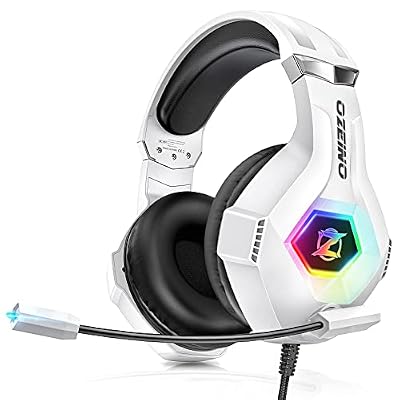
The hero listing above is our primary pick for the query “gaming headset headphones”. It belongs to the gaming headset class discussed below, but the listing is a closest-match substitute and not a verified model for every reader. Check the card for the exact model, microphone type and connection before you buy. The alternatives beside it show other headset and headphone formats, so the same checklist applies to each one.

What Separates a Headphone From a Headset
A headphone is a listening device. It has drivers, an ear cup or earbud shell and a cable or wireless link. A gaming headset is a headphone with a microphone attached, and in most cases the headset also includes an inline control or software panel for volume, mute and chat balance. Some headsets use a detachable boom mic, while others have a fixed arm. The defining difference is the microphone and the controls that come with it.
That difference changes the buying process. If you only listen to games and music and you use a separate microphone or a headset from another device, a headphone may be the right choice. If you talk to your team on voice chat, a headset with a good microphone is usually the simpler path.
Sound Quality: Where Headphones Often Lead
Driver Design and Tuning
Headphones built purely for listening often focus on balanced tuning and a clean soundstage. Gaming headsets balance listening and voice, so their tuning may emphasise the frequencies that help you hear footsteps and voice chat. Neither approach is wrong. The question is whether you want a listening-first tuning or a game-first tuning, and whether a single product can cover both needs for your play.
Soundstage and Positional Audio
Positional audio is a feature that matters in competitive shooters. Some gaming headsets offer virtual surround or positional tools in software. Some headphones rely on the game or the PC to supply the audio cues. Check whether the product offers its own software processing and whether that processing can be turned off, because some players prefer a plain stereo signal.
Microphone and Chat: Where Headsets Lead
Boom Mic Versus Desk Mic
A boom mic on a gaming headset sits close to the mouth and picks up less background noise than a distant desk microphone. That closeness is why many players choose a headset when voice clarity is the priority. A separate desk mic can sound better in a treated room, but it adds desk clutter and needs its own setup. Compare the microphone type on the card, since that single detail often decides the choice.
Noise Handling and Room Noise
Noise cancellation on a microphone helps when fans, keyboards or family members add background sound. Some headsets include noise-reduction features in the microphone or software. Test the setup with a friend if you can, because the result depends on your room and your distance from the mic.
Comparison Table: Headphones vs Gaming Headsets
| Factor | Standard headphones | Gaming headset | Best for |
|---|---|---|---|
| Microphone | Usually none | Built-in boom or fixed mic | Voice chat (headset) |
| Tuning | Often listening-first | Often game and voice balanced | Music (headphones), games (headset) |
| Controls | Basic or none | Inline mute, volume, sometimes software | Quick chat control (headset) |
| Setup | Simple plug-in or pair | May need software and drivers | Plug-and-play buyers (headphones) |
| Typical price tier | Budget to premium; check current price | Budget to premium; check current price | Value comparison |
The table describes format differences, not specific products. Prices vary widely by model, so check the card for the live figure. If you want a headset focused on voice chat, our guide to the best headset for gaming explains the features that matter most, and for a wireless choice see wireless gaming headsets.
When Headphones Make More Sense
Choose standard headphones if your play is mostly music and single-player games, and you already own a microphone or you rarely use voice chat. Headphones also make sense if you want a neutral, music-first sound for editing or streaming, where a separate mic gives you more control over recording. If you have a studio-quality microphone already, adding a headset mic may be redundant.
Headphones are also simpler to share. If you swap between a console, a laptop and a phone, a plain pair may cause less friction than a headset with software that needs setup on each device.
When a Gaming Headset Makes More Sense
Choose a gaming headset if you play with voice chat often and want one device for everything. A headset also suits players who sit at a desk with limited space, because a separate microphone and headphones take up more room. If you play across a PC and a console, check that the headset supports both platforms, since some models need an adapter or a separate dongle.
For players who want clear voice without a separate mic, our overview of gaming microphones shows how a desk mic compares with a headset boom mic in practice.
Buying Checklist
Check the Microphone Type
Confirm whether the headset has a detachable boom, a fixed arm or a built-in mic. Detachable mics let you swap for a different one later, while fixed mics are simpler. Check the card for the exact design.
Check the Connection and Platform
Confirm whether the product connects by USB, 3.5mm jack or wireless dongle. If you use multiple platforms, make sure the headset supports each one without extra hardware. Some headsets offer both wired and wireless modes.
Check the Software Requirements
Some headsets need software for equaliser, virtual surround or microphone settings. Check whether the software is available for your operating system and whether it is updated regularly. A headset that depends on software you cannot use may be less useful than it appears.
Common Mistakes When Choosing
The first mistake is buying a headset for its sound and ignoring the microphone. Teammates notice a poor mic quickly, even if the headset sounds excellent to you. The second mistake is assuming a headphone will work for voice chat without a separate mic. Many headphones need an adapter or a second device for chat. The third mistake is choosing based on the brand alone. Comfort, weight and clamp force matter more during long sessions. For a closer look at microphone quality, read our notes on microphones for gaming.
Related Guides Before You Decide
Before you commit, these related guides cover the next questions on this topic: 2026 headset guide wired headsets PC headset picks wireless headphones.
Frequently Asked Questions
Can I use regular headphones for gaming voice chat?
Yes, if you add a separate microphone. Many players use headphones with a desk mic or a clip-on mic. Check that the setup includes a clear microphone input and a way to mute quickly.
Is a gaming headset worse for music?
Not always. Some gaming headsets have balanced tuning and sound well for music, while others emphasise game and voice frequencies. Compare the model and listen to music before you decide.
Are gaming headsets better for competitive play?
They can be, because the microphone and controls are designed for voice chat. Competitive play also depends on your team, your setup and your comfort during long sessions, so the headset is one part of the decision.
Do I need a headset with a detachable mic?
Not necessarily. A detachable mic offers flexibility and can be replaced, but a fixed mic is simpler. Choose based on how often you expect to change or clean the mic.