
Noise Cancelling Gaming Headset 2026: Isolation, Mics and What Works
A noise cancelling gaming headset promises a quieter world, but the phrase covers several different technologies. Some headsets rely only on closed earcups and a tight seal to block room sound. Others add active noise cancellation, which uses microphones and electronics to reduce steady sounds such as fans and air conditioning. Microphone-side noise suppression is a separate feature that cleans up what your teammates hear. This guide explains each technology, what each one can and cannot do, and how to judge a listing so you know which kind of “noise cancelling” you are buying. It is a buying guide built around the product class, not a test report.
The hero listing in this article was selected for the query “noise cancelling headset” and may be a close match rather than the exact model you have in mind. Check the card for the current feature set, specifications and price, and compare the alternatives below to see how different makers describe their noise control.
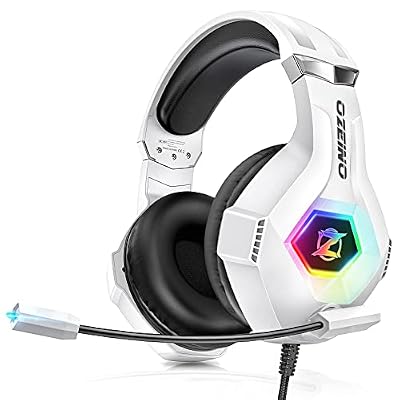
Three Kinds of Noise Control You Will See
Marketing often blends these features together, so it helps to separate them. Each one solves a different problem, and each one has limits that a listing may not mention.
Passive Isolation From Closed Earcups
Passive isolation is the physical blocking of sound. Closed-back, over-ear designs with good cushions form a seal around the ear, and that seal reduces higher-pitched sound from the room. Passive isolation costs nothing in battery life and adds no electronic noise. It works best against voices, keyboard clatter and sharp sounds, and it does little against low, steady rumble such as a PC fan or a bass-heavy speaker in another room.
Passive isolation depends heavily on fit. A headset with deep cups and soft pads will usually isolate better than a lightweight, shallow design, even if both are labelled as closed-back. If you wear glasses or have a larger head, check the seal in user reports before assuming good isolation.
Active Noise Cancellation
Active noise cancellation, often shortened to ANC, uses microphones to listen to the outside sound and then plays an inverted signal to reduce it. ANC is most effective against constant, low-frequency noise such as engine hum, fans and air conditioning. It is less effective against sudden or irregular sounds, such as a door slam or a voice in the next room.
ANC is not universal in gaming headsets, and when it is present it usually draws battery power. It can also add a faint hiss or pressure feeling for some listeners. If a listing claims active cancellation, check whether it is available in wired mode, whether it can be switched off, and how long the battery lasts with it enabled.
Microphone Noise Suppression
Microphone noise suppression cleans the signal that your teammates hear. It reduces keyboard noise, fan hum and background chatter before the voice is sent. This feature is valuable for team play, because clear callouts matter more than perfect isolation for the person wearing the headset. Some headsets handle this in hardware, others in software, and the quality varies.
Be careful with claims of perfect suppression. Heavy background noise, a poorly positioned boom or a crowded room can still reach the mic. Good pickup starts with a well-placed microphone, and suppression works best as a supporting feature.
What to Check on a Listing
Read the Exact Wording
A listing that says “noise cancelling” without detail could mean passive isolation, active cancellation, microphone suppression or a mix. Search the specification list for words such as active noise cancellation, ANC, noise suppression, closed-back or passive isolation. If the feature is not named clearly, assume it may be passive only.
Check the Power Requirement
Active cancellation needs power. Some headsets use a battery, others draw power through a USB or cable connection, and some offer ANC only in certain modes. Check battery life with the feature on, not the headline figure, because battery life is often quoted for the most efficient mode.
Consider the Environment
Passive isolation is usually enough for a bedroom with a moderate fan or a shared house where you want to reduce voices. ANC makes more sense in a noisy flat, a shared office or a room near traffic. If your problem is a loud neighbour, no headset will fully solve it, and a combination of isolation and room treatment will work better.
Noise Control Comparison Table
The table compares the main noise control approaches. It describes typical behaviour rather than the performance of a specific product, and it is designed to help you decide which feature matters most for your room.
| Approach | Best against | Main limit | Power needed | Typical price range |
|---|---|---|---|---|
| Passive isolation (closed-back cups) | Voices and sharp sounds | Weak against steady low rumble | None | Check current price |
| Active noise cancellation | Constant fan and AC hum | Less effective on sudden sounds | Battery or powered connection | Check current price |
| Microphone noise suppression | Keyboard and fan noise heard by teammates | Cannot block sound you hear | Usually built in | Check current price |
| Combined approach | Mixed household and office noise | Higher cost and battery use | Battery or powered connection | Check current price |
How to Set Up Your Headset for Quiet Rooms
Fit the Seal Before Anything Else
Make sure the earcups sit fully around your ears without gaps. Adjust the headband until the seal is firm but not painful. Passive isolation is lost quickly when the cups sit at an angle or the pads are compressed on one side. Our best gaming headset 2026 roundup covers how cup design differs across models.
Tune Microphone Placement
If the microphone is the main concern, position the boom or mic element close to the mouth and slightly off-axis to reduce breath noise. Test with a friend or a recording before a long session. Good placement gives suppression a cleaner signal to work with.
Reduce Room Noise at the Source
A headset does not replace room treatment. Soft furnishings, rugs and curtains absorb sound and reduce reflections. Moving a loud fan or closing a door often helps more than a higher-priced headset. Pair these steps with the right headset and you will notice a clear difference.
Frequently Asked Questions
Do gaming headsets with noise cancellation block all sound?
No. Noise cancellation and passive isolation reduce sound, but they do not block everything. They work best on steady and mid-range noise. Sudden, sharp or nearby sounds can still reach you, and the effect varies with fit, the environment and the headset design.
Does active noise cancellation affect audio quality?
It can. Some listeners notice a slight change in tone or a pressure feeling when ANC is on. The effect depends on the design and the listener. If audio quality matters most, test the feature for a few sessions before relying on it.
Will my teammates hear my keyboard if I use noise suppression?
Microphone noise suppression reduces keyboard and fan noise, but it cannot remove every sound. Good mic placement and a quieter keyboard will help. Ask a teammate for feedback after a session to check what they hear.
Is a noise cancelling headset worth it for a shared flat?
It can be, especially if the noise is steady and low. Start with passive isolation and check the seal. If you still need more reduction, active cancellation may help. For sudden noises or voices next door, combining the headset with soft furnishings will usually work better than the headset alone.
Related Reading
For a broader view of models, start with the best wireless gaming headsets 2026 guide, which covers battery life and wireless features. If you prefer a cable, the best wired gaming headsets page explains why wired designs may be simpler for quiet use.
Comfort is closely linked to isolation, because a tight seal can cause pressure. Our best headset for gaming comparison explains how clamp and pad choices change the feel. For microphone quality in team games, the best boom mic for gaming article explains pickup patterns, and the best gaming microphones list covers standalone options.
If you want to reduce noise more broadly, the best gaming room accessories guide covers soft furnishings and desk details. For budget buyers, the best budget gaming headset page shows models that deliver basic isolation at a lower price. The best PC gaming headset guide focuses on desktop use, where passive isolation and mic placement are easier to control.


