Gaming Headset Brands Rating 2026: How to Compare Makers Fairly
Searching for a gaming headset brand ranking usually produces a list of names with confident scores and no method behind them. Brand reputation is useful, but it is a weak basis for a purchase. Two headsets from the same company can differ widely in build quality, and a smaller maker can offer better long-term support than a famous one. This guide explains how to rate a gaming headset brand on the factors that affect you after the box is opened: product consistency, warranty handling, replacement parts, software demands and community feedback. It is a method rather than a leaderboard, so it stays useful as the market changes.
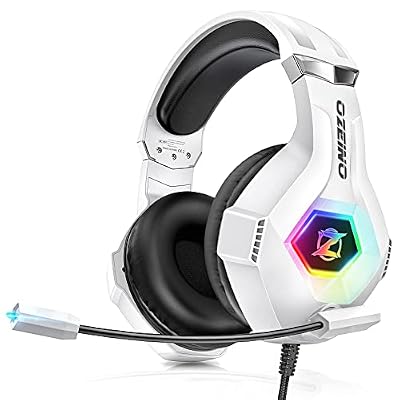
The hero listing in this article was selected for the query “gaming headset brand” and may be a close match rather than the exact model you plan to buy. Check the card for the current model, specifications and price, and use the alternatives below to compare how different makers approach the same product class.
Why a Brand Name Is Not Enough
Brand recognition tells you that a company is established. It does not tell you whether the model in front of you will hold up after a year of daily use. Large companies often sell several lines at very different price points, and the cheapest model in a famous range may use different components from the flagship. Smaller specialist makers sometimes build a narrower range but focus more tightly on comfort, replacement parts and clear documentation.
For that reason, treat brand reputation as a starting filter, not a verdict. Use it to decide which companies to research, then judge each model on the criteria below.
Five Criteria for Rating a Headset Brand
Product Consistency Across the Range
Look at how a brand’s models fit together. A company whose entry, mid-range and premium headsets share a clear design language often has a consistent quality process. A range where every model looks different, uses unrelated materials and comes with a different software setup may be harder to support over time. Consistency does not guarantee quality, but it makes comparison easier.
Warranty and Support Response
A warranty is only as good as the process behind it. Check the stated warranty period, whether the brand requires proof of purchase through a specific channel, and how returns for defective units are handled. Search for user reports that describe the support experience rather than the warranty text. Clear, fast replacement is a stronger signal than a long warranty that is hard to claim.
Replacement Parts and Repairability
Headsets wear out in predictable places. Earpads flatten, headbands lose padding, detachable cables fray and microphone booms can break at the joint. Brands that sell replacement pads, cables and booms separately help you keep a headset working for years. If a model has glued components or no spare parts, it may be cheaper to replace the whole unit when one part fails. Check whether parts are listed on the brand’s site or sold through the same retailer as the headset.
Software and Ecosystem Demands
Many gaming headsets come with companion software for equaliser settings, surround modes or lighting. Some of these tools are excellent, while others need an account, updates or specific operating-system versions. If you use a console, a mobile device and a PC, check whether the headset works with each platform without extra software. Software that is mandatory for basic function is a long-term risk, because it depends on the maker continuing to support it.
Community and Independent Feedback
Reviews from independent sites and verified owners are more useful than promotional material. Look for repeated complaints about the same fault, such as microphone crackle, cable failure or a headband that cracks. One complaint means little. A pattern across several years and many models suggests a real weakness. Be equally cautious with reviews that only praise sound and never mention durability.
Brand Comparison Table
The table below is a scoring framework, not a ranking of named companies. Use it to rate the brands on your shortlist against the five criteria above. The categories describe the type of maker you are likely to encounter rather than assigning scores to specific firms.
| Maker type | Strength | Typical weakness | Best for | Typical price range |
|---|---|---|---|---|
| Large multi-category electronics brand | Wide availability and retail support | Entry models can differ from flagships | Buyers who want easy returns | Check current price |
| Dedicated gaming peripheral brand | Focused design and frequent updates | Software may be required | Players who want a complete gaming setup | Check current price |
| Specialist audio or comfort-focused maker | Strong materials and tuning | Smaller support network | Long sessions and audio-first buyers | Check current price |
| Budget or regional brand | Low entry cost | Thin documentation and variable warranty | Casual players on a tight budget | Check current price |

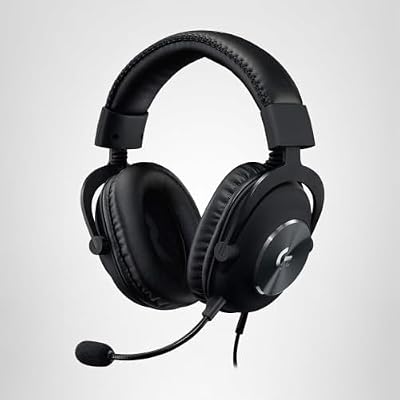
Logitech G Pro X Wired Gaming Headset With Detachable Boom Mic - Black | Wired headset has Blue VO!CE, DTS 7.1, 50 mm drivers, USB/3.5mm, spare memory foam pads, USB DAC & bag, PC, Xbox, PS5, PS4


As an Amazon Associate we earn from qualifying purchases. Product prices and availability are accurate as of the date/time indicated.
How to Build Your Own Brand Shortlist
Start With Your Platform and Budget
Decide which devices you need the headset to work with before you compare brands. A PC-only player has different priorities from someone who switches between a console, a phone and a laptop. Set a budget range, then look only at brands that have a model in that range with a clear warranty. This removes a lot of noise from the search.
Check One Model in Depth
Pick a single model from each shortlisted brand and read its full specification page, warranty terms and parts list. Compare the details side by side. Look for a stated frequency response, a microphone type and a cable specification. Where a listing omits basic details, treat that as a warning sign rather than a minor gap.
Test the Return Path Before You Need It
Read the return policy before you buy. Check whether the retailer accepts returns for opened goods and whether the brand requires a separate claim. A simple return path is worth more than a small difference in sound quality, because it is the route you will use if something fails in the first month.
Frequently Asked Questions
Which gaming headset brand is the most reliable?
No brand is reliable across its whole range. Reliability varies by model, price point and production period. A useful approach is to judge the specific model you plan to buy, check independent owner feedback and confirm the warranty and parts availability before purchase.
Are expensive gaming headset brands always better?
Higher prices often bring better materials and more features, but they do not guarantee durability or comfort. Some mid-range models from smaller makers match premium designs in the areas that matter most for daily use. Compare the build and support criteria, not the price tag alone.
Should I avoid brands that require software?
Not necessarily. Companion software can unlock useful controls. The concern is software that is required for basic audio or microphone function. If a headset works fully without installing anything, it is less exposed to future software changes or account requirements.
How do I check whether a brand sells replacement parts?
Search the brand’s support pages for spare earpads, cables and booms, and check whether the same parts are listed by major retailers. If you cannot find replacement parts for a model, consider that a risk before you buy, especially for a headset you plan to keep for several years.
Related Reading
Start with our best gaming headset 2026 roundup to see how models compare across price bands. If you want a cordless option, the best wireless gaming headsets 2026 guide covers battery life and connection stability, while the best wired gaming headsets page focuses on simpler, cable-based designs.
Brand choice also affects comfort, which is covered in our best headset for gaming comparison. For players who depend on team voice chat, the best boom mic for gaming article explains how microphone design differs between makers. If you want to test a dedicated microphone outside the headset, the best gaming microphones list is a useful starting point.
Budget buyers should compare the best budget gaming headset options before committing to a premium brand. For a broader look at gear, the best gaming setup accessories guide helps you plan the rest of your desk. Finally, the best PC gaming headset page covers desktop-focused picks, and the best gaming headset 2026 roundup is worth revisiting once you have a shortlist.