
Gaming Headset Comfort for Long Hours: What to Check Before You Buy
A gaming headset can sound excellent and still become painful after two hours. Clamp force, ear cup depth, headband padding and overall weight decide whether you forget you are wearing it during a long ranked session or a late-night raid. This guide explains the comfort factors that matter most, how to judge them from a product listing, and how to narrow a shortlist without relying on marketing language. It is a buying guide built around the product class, so the advice still holds if the exact model you find differs from the examples here.
The hero listing in this article was selected for the query “comfortable gaming headset” and may be a close match rather than the exact model you have in mind. Check the card for the current specifications, weight and price, and compare it with the alternatives in the list below.
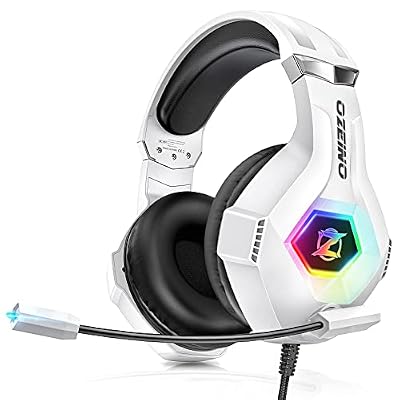
Why Comfort Matters as Much as Sound Specs
Most headset reviews focus on driver size, frequency response and microphone clarity. Those specs matter, but they do not tell you how the headset will feel at hour four. A pair with a slightly flatter tuning will still be pleasant to wear if the clamp is gentle and the earcups breathe. A technically impressive headset with a tight headband and hot earpads can become something you take off during every match.
Comfort also affects performance. When a headset shifts on your head, you reach up to adjust it, the seal around your ears changes and the audio balance shifts with it. That distracts you, and it can make footsteps and voice chat harder to follow. For competitive play, a stable fit is part of the equipment, not an extra.
The Comfort Factors That Actually Matter
Clamping Force and Headband Design
Clamping force is the pressure that holds the cups against your head. Too little force and the headset slips. Too much and you feel pressure at the top of the skull and along the jaw. Good designs spread the load across a wide headband with a soft pad, and some use a suspension-style band that distributes weight instead of concentrating it at two points. When you read a listing, look for terms such as adjustable headband, memory foam cushion or suspension band. Those features usually show that the manufacturer considered long-session fit.
Earpad Material and Breathability
Earpads decide how warm your ears get. Leatherette pads are common and easy to wipe clean, but they trap heat. Fabric and velour pads breathe better, though they can be harder to clean and may hold odour over time. If you game in a warm room, breathability is worth more than a few grams of weight.
Ear Cup Depth and Ear Clearance
Deep cups give your ears room and reduce contact with the driver grille. This matters if you wear glasses, have large ears or rest your head against the cushions. Shallow cups can press on the outer ear and feel tight after an hour. Check the listing for the cup style, usually described as over-ear, circumaural or on-ear. Large over-ear designs are generally the most comfortable for long sessions, although they tend to be heavier.
Weight and Balance
Headset weight is listed in grams on most product pages. Lighter headsets reduce neck fatigue, but weight alone does not tell the whole story. Balance matters too. A heavy microphone boom mounted far from the cup can pull the headset forward. Check whether the boom is detachable or flexible, and whether the boom mount looks solid in photos or user reports.
How to Judge Comfort From a Product Listing
Product pages rarely describe how a headset feels, so you need to read them with care. Start with the weight, cushion material, headband design and cup style. Next, look at the connection type and cable length, because a short cable that tugs on the desk can ruin comfort even when the headset itself is well padded. Finally, read verified user reports that mention hours of use. Phrases such as “after three hours”, “ears get hot” or “clamp is tight” are far more useful than generic praise.
Be cautious with reviews that describe only the first day. Headbands often feel stiff at first and soften after a few weeks. Pads also compress over time, which changes both comfort and seal. Where possible, prioritise feedback from owners who have used the headset for months.
Comfort Comparison Table
The table groups headsets by the type of comfort they tend to suit. It describes design trade-offs rather than ranking specific products. Check the card for current pricing and the exact model’s weight.
| Design type | Comfort strength | Main trade-off | Best for | Typical price range |
|---|---|---|---|---|
| Lightweight over-ear, leatherette pads | Low weight, easy to clean | Can get warm in summer | Competitive play, shorter sessions | Check current price |
| Large over-ear, fabric or velour pads | Breathable, soft seal | Heavier, harder to clean | Marathon sessions, warm rooms | Check current price |
| Suspension-band over-ear | Even weight distribution | Bulkier look, more moving parts | Users with sensitive heads | Check current price |
| On-ear or compact design | Light clamp, small footprint | Less sound isolation | Shared rooms, travel | Check current price |
Fit Adjustments That Reduce Fatigue
Set the Clamp Before You Play
Put the headset on, adjust the headband until the cups sit over your ears without pressing hard, then tilt your head forward and back. The headset should stay in place without sliding. If it needs a constant grip to stay on, adjust it again rather than tightening the band further. Many players over-tighten headsets because they fear losing the seal, and that is usually the fastest route to a headache.
Position the Microphone Boom
A boom set too close to the mouth can force you to turn your head, while one set too far away picks up thin, distant voice. Aim for roughly a finger’s width from the corner of your mouth. A correct boom position also reduces the pull on the cups, which helps the whole headset sit more evenly.
Keep the Pads Clean and Dry
Sweat and skin oils break down pads and change the fit. Wipe leatherette pads with a damp cloth and let them dry fully. Replacement pads are available for many headsets, and a new pad set can restore the seal on a model that otherwise works well.
Frequently Asked Questions
What is the most comfortable gaming headset for long sessions?
No single model suits everyone, because comfort depends on head size, ear shape and room temperature. In general, a lightweight over-ear headset with a wide, padded headband and breathable earpads suits most players for long sessions. Check the weight, cushion material and cup depth on the card before buying.
Do leatherette earpads make ears hot?
They can, especially in warm rooms or during long matches. Fabric and velour pads generally breathe better. If you prefer leatherette, a cooler room or a short break every hour can make a noticeable difference.
Is a wireless headset more comfortable than a wired one?
A wireless headset removes cable tug, which many players find more comfortable. Wired headsets are often lighter and simpler to maintain. Comfort is driven more by the headband, cups and weight than by the connection type, so judge the fit first and the connection second.
How long does a new headset take to feel comfortable?
A stiff headband may take a few weeks to soften, and pads can change shape as they settle. If a headset still causes pain after a month of regular use, the clamp force or cup shape may not suit your head, and a different design is worth considering.
Related Reading
For a wider view of the market, start with our best gaming headset 2026 roundup. If you prefer cordless designs, the best wireless gaming headsets guide covers battery life and connection options. Players who want a cabled option can read our best wired gaming headsets list.
Microphone quality matters as much as comfort in team play. Our best boom mic for gaming article explains the pickup patterns to look for, and the best gaming microphones guide covers standalone mics if you want to separate voice from your headset.
If you are building a full desk setup, the best gaming setup accessories guide helps you match a headset stand and cable management to your room. Budget buyers can check the best budget gaming headset page for options that keep comfort in mind without a premium price. The best headset for gaming article compares general-purpose picks for different play styles, and the best PC gaming headset guide focuses on desktop setups.


