

- Top Pick: Dell Precision 7680 Laptop, NVIDIA RTX 2000 Ada 8GB, i7-13850HX, 64GB DDR5
- Best Value: Dell OptiPlex 7070 SFF Desktop Computer PC, Intel 8 Core i7-9700 3.0GHz up to 4.70GHz,32GB DDR4 Ram New 1TB NVMe M.2 SSD,AX210 Built-in WiFi 6E,Windows 11 Pro, Wireless Keyboard & Mouse (Renewed)
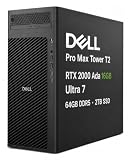
- Premium Choice: MINISFORUM MS-01 Mini Workstation Intel Core i9-13900H (vPro Enterprise Support) 32GB DDR5 1TB SSD Mini PC,2x 10Gbps SFP+/2x 2.5G RJ45/2x USB4/HDMI/1x PCIe4.0x16 slot/Support 3x M.2 2280/22110/U.2 SSD
A workstation SSD has a harder job than a gaming drive. Professional work — video editing, 3D rendering, large datasets, photography libraries, and virtual machines — means moving big files constantly, writing terabytes over a drive’s life, and keeping performance steady through long sustained transfers rather than short bursts. That puts the priority on capacity, sustained throughput, and endurance, with the right interface — fast NVMe for scratch and active projects, dependable SATA for bulk storage, or USB portable drives for moving work between machines. This guide rounds up the best workstation SSDs in 2026 across all of those roles, so you can build storage that keeps a professional workflow moving.
- Best Workstation SSDs at a Glance
- 1. Samsung 980 PRO SSD 2TB PCIe NVMe Gen 4 M.2 Internal Solid State Drive
- 2. Samsung SSD 870 EVO 4TB 2.5 Inch SATA III Internal Solid State Drive
- 3. Samsung 870 EVO SATA III SSD 1TB 2.5″ Internal Solid State Drive
- 4. SANDISK 4TB Extreme Portable SSD – Up to 1050MB/s, USB-C, USB 3.2 Gen 2
- 5. Samsung T7 Portable SSD, 2TB External Solid State Drive, Up to 1,050MB/s, USB-C
- 6. Kingston 480GB A400 SATA 3 2.5″ Internal SSD SA400S37/480G
- How to Choose a Workstation SSD
- Frequently Asked Questions
- Related Guides
- Related Articles
Our picks were chosen on what genuinely matters for pro work: capacity to hold large projects and libraries, sustained performance for big transfers, endurance for write-heavy workloads, and value. We have avoided quoting invented benchmark numbers — instead we explain where each drive fits and who it is for, with prices from around $115 up to around $1,588. The list spans a fast NVMe Gen 4 drive for active project storage, high-capacity SATA drives for bulk and archival work, and rugged USB-C portables for working on the move. Below is an at-a-glance comparison of all six, then a closer look at each and a buyer’s guide built around capacity, sustained performance, endurance and interface.
As an Amazon Associate we earn from qualifying purchases at no extra cost to you.




🛒 Best Price Today on Amazon
Prime members get fast, free shipping on everything above, plus member-only deals. New members get a 30-day free trial — cancel anytime.
Best Workstation SSDs at a Glance
| SSD | Best For | Standout Spec | Approx Price |
|---|---|---|---|
| Samsung 980 PRO 2TB NVMe Gen 4 | Fast active project scratch | PCIe Gen 4 M.2 NVMe, 2TB | around $482 |
| Samsung 870 EVO 4TB SATA 2.5″ | High-capacity bulk storage | 4TB SATA III, Turbo Write | around $1,588 |
| Samsung 870 EVO 1TB SATA 2.5″ | Reliable project drive | 1TB SATA III, proven endurance | around $486 |
| SanDisk 4TB Extreme Portable | Massive portable capacity | 4TB USB-C, up to 1050MB/s | around $450 |
| Samsung T7 2TB Portable | Fast pocketable workspace | 2TB USB-C, up to 1050MB/s | around $389 |
| Kingston A400 480GB SATA 2.5″ | Affordable utility/boot drive | 480GB SATA III, 2.5-inch | around $115 |
1. Samsung 980 PRO SSD 2TB PCIe NVMe Gen 4 M.2 Internal Solid State Drive

Samsung 980 PRO SSD 2TB PCIe NVMe Gen 4 Gaming M.2 Internal Solid State Drive Memory Card, Maximum Speed, Thermal Control MZ-V8P2T0B/AM


As an Amazon Associate we earn from qualifying purchases. Product prices and availability are accurate as of the date/time indicated.
The Samsung 980 PRO 2TB leads this list because the fastest drive belongs where a workstation feels it most: active project storage and scratch space. It is a PCIe Gen 4 M.2 NVMe drive with 2TB of capacity, delivering the high sequential speeds that make scrubbing 4K timelines, loading large scenes and shuffling project caches feel instant. At around $482 it is a premium NVMe drive, and for the working volume of a pro machine it is money well spent.
This is the drive for the editor, 3D artist or developer who wants their current projects on the fastest storage available. As a Gen 4 NVMe drive it far outpaces any SATA SSD for sequential transfers, so importing footage, exporting renders and reading large datasets happen quickly, and as an M.2 drive it installs directly on the motherboard with no cables. Samsung’s 980 PRO is a long-proven performer with solid endurance for a consumer flagship. For the active-work tier of a workstation — the volume you read and write all day — this is the standout pick.
Pros: Fast PCIe Gen 4 NVMe for active projects, 2TB capacity, cable-free M.2, proven Samsung quality.
Cons: Needs an M.2 NVMe Gen 4 slot; premium price per terabyte versus SATA.
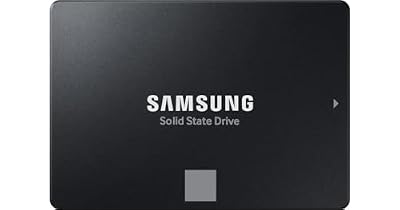
2. Samsung SSD 870 EVO 4TB 2.5 Inch SATA III Internal Solid State Drive

Samsung SSD 870 EVO, 4 TB, Form Factor 2.5 Inch, Intelligent Turbo Write, Magician 6 Software, Black


As an Amazon Associate we earn from qualifying purchases. Product prices and availability are accurate as of the date/time indicated.
The Samsung 870 EVO 4TB is the high-capacity bulk-storage pick, and the largest drive on this list. It is a 4TB 2.5-inch SATA III SSD with Samsung’s Intelligent TurboWrite and a strong reputation for endurance and reliability, designed to hold huge project libraries, media archives and asset collections on a single dependable drive. At around $1,588 it is by far the most expensive pick here, reflecting the sheer cost of 4TB of quality flash.
This is the drive for the professional who needs to store vast amounts of data reliably rather than chase peak speed. SATA tops out well below NVMe on sequential throughput, but for bulk storage of footage, render output, datasets and photo libraries that consistency and capacity matter more than raw transfer rate. The 870 EVO’s endurance suits write-heavy archival use, and as a 2.5-inch SATA drive it fits any standard bay or enclosure. For a large, trustworthy storage volume to sit alongside a fast NVMe scratch drive, the 4TB 870 EVO is the capacity standout.
Pros: Huge 4TB capacity, dependable SATA endurance, TurboWrite, fits any 2.5-inch bay.
Cons: SATA speeds trail NVMe; very high total price for the capacity.
3. Samsung 870 EVO SATA III SSD 1TB 2.5″ Internal Solid State Drive
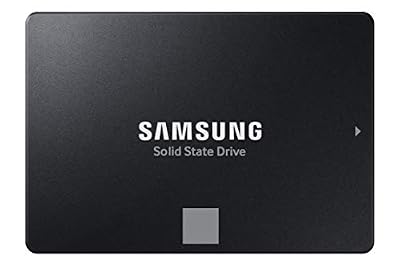
Samsung SSD 870 EVO SATA III 2.5” 1TB, Read Speeds Up to 560MB/s | SATA Internal Solid State Drive, Upgrade PC or Laptop Memory & Storage for IT Pros, Creators, Everyday Users (MZ-77E1T0B/AM)


As an Amazon Associate we earn from qualifying purchases. Product prices and availability are accurate as of the date/time indicated.
The Samsung 870 EVO 1TB is the reliable everyday project drive of this list. It brings the same well-regarded 870 EVO platform — SATA III, Intelligent TurboWrite and Samsung’s strong endurance record — in a more manageable 1TB capacity. At around $486 it is a dependable SATA workhorse for project files, applications or a fast, trustworthy secondary volume.
This is the drive for the professional who wants Samsung reliability for working files without committing to a 4TB drive’s cost. A 1TB SATA SSD is ample for active projects, application installs and a generous working set, and while it cannot match NVMe sequential speeds, its consistent performance and proven endurance make it ideal for sustained day-to-day use. As a 2.5-inch SATA drive it slots into any standard bay or external enclosure. For a balanced, reliable mid-capacity workstation drive that has earned its reputation, the 1TB 870 EVO is a smart, dependable choice.
Pros: Proven 870 EVO reliability and endurance, sensible 1TB capacity, fits any 2.5-inch bay.
Cons: SATA III caps sequential speed below NVMe; modest capacity for heavy media.
4. SANDISK 4TB Extreme Portable SSD – Up to 1050MB/s, USB-C, USB 3.2 Gen 2

SANDISK 4TB Extreme Portable SSD, Up to 2000MB/s Transfer Speeds-New Model | External Solid State Drive, IP65 Water & Dust Resistant, Up to 3M Drop Protection, 256-bit AES Encryption, USB-C 3.2 Gen 2







As an Amazon Associate we earn from qualifying purchases. Product prices and availability are accurate as of the date/time indicated.
The SanDisk 4TB Extreme Portable is the massive-capacity portable pick. It is a rugged USB-C external SSD offering a huge 4TB of storage at up to 1050MB/s over USB 3.2 Gen 2, built to survive being carried around with a shock-resistant, water- and dust-resistant design. At around $450 it packs an enormous amount of mobile storage into a pocketable enclosure.
This is the drive for the professional who needs to move large volumes of work between machines, locations or clients — a videographer offloading footage on set, an editor carrying a project library, or a photographer backing up a shoot in the field. The 4TB capacity holds entire projects, the up-to-1050MB/s USB-C speed makes transfers practical rather than painful, and the rugged build tolerates real-world handling. It connects over USB rather than installing internally, so it is a portable workspace and backup target rather than a system drive. For mobile pro storage at scale, it is the standout.
Pros: Large 4TB portable capacity, up to 1050MB/s over USB-C, rugged shock-resistant build.
Cons: External USB drive, not an internal/system SSD; slower than internal NVMe.
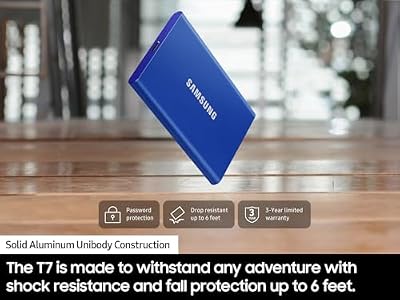
5. Samsung T7 Portable SSD, 2TB External Solid State Drive, Up to 1,050MB/s, USB-C

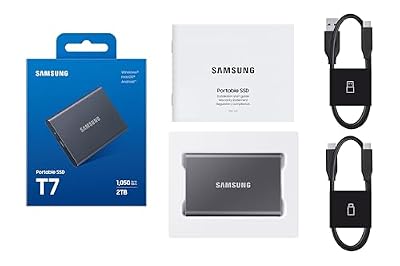
Samsung T7 Portable SSD 2TB Titan Gray, USB 3.2 Gen 2, Up to 1,050MB/s | Reliable External Solid State Drive Storage for Gaming, Students, Professionals (MU-PC2T0T/AM)


As an Amazon Associate we earn from qualifying purchases. Product prices and availability are accurate as of the date/time indicated.
The Samsung T7 2TB is the fast, pocketable portable pick. It is a compact USB-C external SSD with 2TB of capacity and speeds up to 1,050MB/s over USB 3.2 Gen 2, in a slim, sturdy metal body small enough to slip into a pocket. At around $389 it is a popular, well-rounded portable drive for professionals on the move.
This is the drive for the professional who wants quick, reliable portable storage in the most convenient form factor — a designer moving assets between studio and home, an editor carrying active project files, or anyone who needs a fast scratch and backup drive in their bag. The 2TB capacity suits working project sets, the up-to-1,050MB/s USB-C speed keeps transfers brisk, and Samsung’s compact metal design is both durable and genuinely pocketable. Like any USB drive it is for portable work and backup rather than as an internal system disk. For fast, take-anywhere pro storage, the T7 is an easy recommendation.
Pros: Pocketable 2TB portable, up to 1,050MB/s USB-C, durable compact metal body.
Cons: External USB drive, not internal; capacity smaller than the 4TB portable.
6. Kingston 480GB A400 SATA 3 2.5″ Internal SSD SA400S37/480G

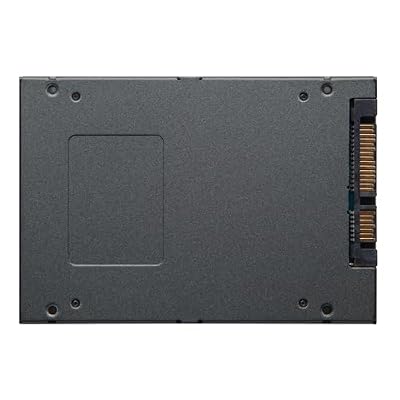
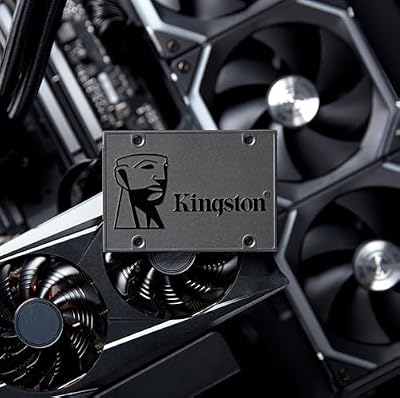
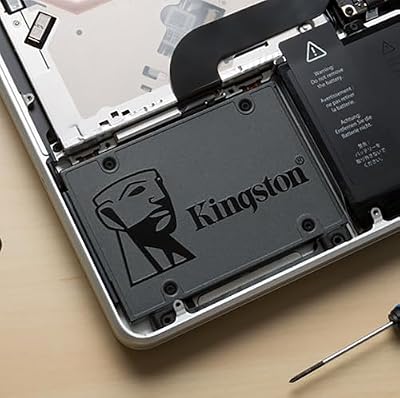
Kingston 480GB A400 SATA 3 2.5" Internal SSD SA400S37/480G - HDD Replacement for Increase Performance




As an Amazon Associate we earn from qualifying purchases. Product prices and availability are accurate as of the date/time indicated.
Rounding out the list is the Kingston A400 480GB, the affordable utility drive. It is a 480GB 2.5-inch SATA III SSD that serves as a budget-friendly boot disk, application drive or general-purpose volume — a dependable way to add fast storage to a workstation without spending much. At around $115 it is the cheapest pick here and an easy value addition.
This is the drive to choose for the supporting role in a workstation rather than the heavy lifting. As an entry-level SATA SSD its sequential speeds and endurance sit below the premium drives here, so it is best as an OS-and-apps boot drive or a utility volume rather than the home for write-heavy media work or critical archives. In that role it does the job well: fast enough to make a system feel responsive, reliable for everyday use, and inexpensive enough to pair with the larger, faster drives above. As a low-cost workstation utility drive, the A400 fills the gap sensibly.
Pros: Very affordable SATA SSD, handy 480GB boot/utility capacity, fits any 2.5-inch bay.
Cons: Entry-level speeds and endurance; not for write-heavy pro workloads or archives.
How to Choose a Workstation SSD
For a workstation, start by separating storage into roles, because no single drive does everything best. You want fast storage for the projects you are actively working on, large storage for bulk files and archives, and often portable storage for moving work between machines. The fastest tier is NVMe — the Samsung 980 PRO here — which far outpaces SATA on sequential transfers and belongs on your active scratch and project volume; bulk and archival data can live happily on slower, cheaper, higher-capacity drives.
Capacity and endurance carry more weight in a workstation than in a gaming PC. Professional workloads move and write enormous amounts of data — exporting renders, ingesting footage, churning datasets — so you want both the space to hold it (the 1TB and 4TB 870 EVO SATA drives, the 2TB NVMe) and the endurance to survive sustained writing over years. Samsung’s EVO and PRO lines are well-regarded for endurance, while entry-level drives like the Kingston A400 are better kept to lighter boot-and-utility duty than heavy write workloads.
Interface and form factor decide where and how a drive fits. NVMe M.2 drives like the 980 PRO install directly on the motherboard with no cables but need a compatible M.2 slot; SATA 2.5-inch drives like the 870 EVO and Kingston A400 fit any standard bay or enclosure and are easy to add in numbers; and USB-C portables like the SanDisk Extreme and Samsung T7 connect externally for mobility but are workspaces and backup targets, not internal system disks. Match each drive’s interface to the role you need it to play.
Finally, build storage in layers and set your budget per tier. A common, effective workstation setup pairs a fast NVMe drive for the operating system and active projects with one or more large SATA drives for bulk and archive storage, plus a rugged USB-C portable for taking work on the road. Spend on speed where you feel it daily (the active volume) and on capacity-per-dollar where you do not (bulk storage). Decide which roles you need filled, match the interface and capacity to each, prioritise endurance for write-heavy work, and pick the drives here that build the storage stack your work demands.
Frequently Asked Questions
Do I need an NVMe SSD for a workstation, or is SATA enough?
Both have a place. An NVMe drive like the Samsung 980 PRO is far faster than SATA for sequential transfers and is the best choice for your operating system and active projects, where you feel the speed daily. SATA drives like the 870 EVO are slower but offer excellent capacity-per-dollar and reliability for bulk storage and archives. Many workstations use both: NVMe for active work, SATA for bulk.
How much SSD capacity does a workstation need?
It depends on your media. Active projects might fit on a 1TB to 2TB fast drive like the 870 EVO 1TB or 980 PRO 2TB, while bulk storage of footage, datasets and libraries can demand 4TB or more, as the 4TB 870 EVO and SanDisk portable provide. A practical approach is a fast working drive plus a large bulk drive, sized to your projects, rather than one drive trying to do both jobs.
Why does endurance matter more for workstation SSDs?
Because professional work writes far more data than typical use — exporting renders, ingesting footage and processing datasets all write heavily and repeatedly. Endurance measures how much a drive can be written over its life, so write-intensive workflows benefit from higher-endurance drives like Samsung’s EVO and PRO lines. Entry-level drives such as the Kingston A400 are better suited to lighter boot-and-utility roles than constant heavy writing.
Are portable SSDs good enough for professional work?
For moving and backing up work, yes — drives like the SanDisk 4TB Extreme and Samsung T7 offer large capacity and up to around 1,050MB/s over USB-C, which is plenty for transferring projects and field backups. They are external USB drives, though, so they are best as portable workspaces and backup targets rather than your internal system or primary scratch disk, where an internal NVMe drive is faster.
Related Guides
- Best NVMe SSDs
- Best Portable SSDs
- Best External Hard Drives
- Best RAM for Video Editing
- Best Workstation and Gaming PCs
- Best Budget PC Setup
Affiliate Disclosure: As an Amazon Associate, we earn from qualifying purchases. If you click a link and make a purchase, we may earn a small commission at no extra cost to you. Prices and availability are accurate as of publication and may change.










