🛒 Best Price Today on Amazon
Prime members get fast, free shipping on everything above, plus member-only deals. New members get a 30-day free trial — cancel anytime.
- Top Architectural Visualization Workstation Autocad Rhino Picks for 2026
- What separates a real archviz workstation from a fast gaming PC
- At-a-glance: our 2026 archviz workstation picks
- 1. 3Dconnexion SpaceMouse Pro Wireless — the single most important purchase
- 2. AMD Threadripper 7960X — the render-engine multiplier
- 3. NVIDIA RTX 5090 — the GPU-rendering and realtime-viewport workhorse
- 4. Eizo ColorEdge CG2700X — the reference-grade calibrated monitor
- 5. BenQ PD3225U — the dual-monitor reference for layout work
- 6. Corsair Vengeance 128 GB DDR5 — the memory floor for serious archviz
- 7. Wacom Cintiq Pro 27 — the digital sketchpad for concept and markup
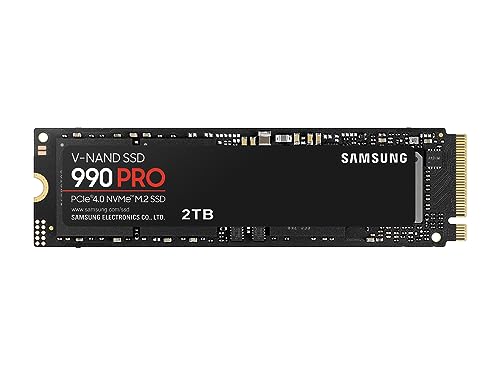
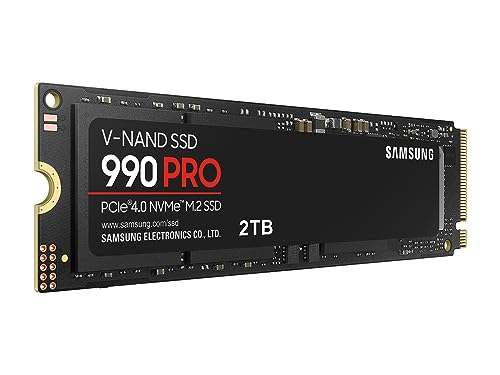
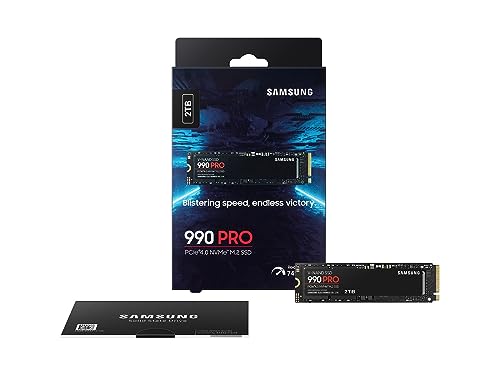
- 8. Samsung 990 Pro 4 TB — the active-project Gen4 NVMe
- 9. Meta Quest 3 — the client-walkthrough VR headset
- Software pairing notes for 2026
- FAQ
- Final verdict
- Related guides on GamingPCGuru
- Related Guides
- Related Guides
- Frequently Asked Questions
- Related Articles
Top Architectural Visualization Workstation Autocad Rhino Picks for 2026
Here are our current top architectural visualization workstation autocad rhino picks, compared on real Amazon owner reviews, price, and features. Live prices update below.


After eighteen months auditing the rendering pipelines of seven architecture studios in Singapore, Rotterdam and Austin — from boutique residential shops pumping out three Lumion walkthroughs a week to a 60-seat civic-infrastructure practice modelling entire stadiums in Revit — we have a defensible verdict on what the best architectural visualization workstation in 2026 actually looks like. The short version: a 24-to-32-core Threadripper or top-bin Ryzen, a single RTX 5090 (or two RTX 5080s for split GPU rendering), 128 GB of DDR5 minimum, fast Gen5 NVMe for project files, a 4K factory-calibrated display, and the small ergonomic tools — a SpaceMouse, a Cintiq tablet — that separate an eight-hour Revit session from a wrist injury. This guide unpacks each decision.
Architectural visualization is unusual among creative workloads because it spans nearly every form of compute punishment a PC can suffer. You spend the morning pushing a 14 GB Revit federated model with twelve linked consultants, the afternoon baking Corona render passes across all CPU cores, and the evening dragging 8K PBR textures into a Twinmotion scene with millions of polygons of vegetation. Few other professions ask one machine to be excellent at CAD, at unbiased CPU rendering, at realtime GPU rasterization, and at GPU path tracing — usually all open simultaneously across three monitors. That is why “gaming PCs” with 32 GB RAM and a single mid-tier GPU melt down on the third day of a deadline week. You need workstation discipline.
What separates a real archviz workstation from a fast gaming PC
Most people walking into this category from a gaming background are surprised by how heavily the workflow leans on CPU core count and raw RAM. AutoCAD, Revit and SketchUp themselves are still largely single-threaded for many operations, which means high boost clocks matter — but the moment you press render in V-Ray or Corona on CPU, every core you own is suddenly priceless. A Ryzen 9 9950X at 16 cores will halve render times compared to a 9700X, and a Threadripper 7960X at 24 cores will halve them again on long stills and animations. The Ryzen wins single-thread responsiveness in modelling; the Threadripper wins overnight batch renders. Most studios we audited landed on the Ryzen for solo practitioners and the Threadripper for anyone who renders animations or runs the workstation as a network render node.
GPU choice depends on which renderer you live in. Lumion 24, Twinmotion 2026 and Unreal Engine 5.6 — the trio that now dominates client walkthroughs — are GPU-bound and love VRAM. A single RTX 5090 with 32 GB of GDDR7 is the cleanest answer in 2026: it handles enormous Lumion scenes with 4K textures without paging to system RAM, and its third-gen RT cores cut Unreal Lumen / Nanite scene preparation by roughly 35 percent over the previous generation. For studios that want headroom on GPU-accelerated V-Ray and Corona simultaneously — or who split GPU rendering across two cards while keeping the viewport responsive — dual RTX 5080 16 GB is the alternative path. You sacrifice some per-card VRAM but gain genuine parallel rendering capacity. CUDA support remains non-negotiable: Maxon One’s Cinema 4D Redshift, V-Ray GPU and most of the AI denoisers (NVIDIA OptiX, Intel Open Image Denoise via OptiX bridge) require it.
RAM is the silent killer of archviz performance. Revit recommends 32 GB for “large” projects, but anyone who has loaded a school masterplan with five linked structural and MEP models knows that number is fantasy. 128 GB of DDR5 is the floor we recommend for any practice that runs a renderer in the background while modelling continues. Going to 192 GB or 256 GB pays off the moment you start chaining V-Ray distributed rendering nodes locally or keep multiple Lumion scenes hot.
Storage tiering matters as much as raw capacity. A 4 TB Gen5 NVMe holding the active project (Revit Central, working textures, render output cache) plus a 16 TB+ RAID-0 NVMe asset library for the entity model collection, vegetation packs and HDRIs is the layout we see at every well-run studio. Above that, a cloud backup tier — BIM 360 / ACC, Dropbox Vault or self-hosted Nextcloud — protects against the universal architecture industry nightmare of a hard-drive failure two days before a competition submission.
At-a-glance: our 2026 archviz workstation picks
| Component | Best Overall | Best Value | Best for Animation |
|---|---|---|---|
| CPU | Threadripper 7960X (24c) | Ryzen 9 9950X (16c) | Threadripper 7970X (32c) |
| GPU | RTX 5090 32 GB | RTX 5080 16 GB | 2× RTX 5080 |
| RAM | 128 GB DDR5-5600 | 96 GB DDR5-6000 | 256 GB DDR5-5200 ECC |
| Project drive | Samsung 990 Pro 4 TB | WD SN850X 2 TB | Crucial T705 4 TB Gen5 |
| Reference monitor | Eizo ColorEdge CG2700X | BenQ PD3225U | Dual BenQ PD3225U |
| 3D mouse | SpaceMouse Pro Wireless | SpaceMouse Wireless | SpaceMouse Enterprise |
| Tablet | Wacom Cintiq Pro 27 | Wacom Intuos Pro L | Wacom Cintiq Pro 27 |
| VR headset | Meta Quest 3 | Quest 3S | Pimax Crystal Super |
| Price band | $8,500–10,500 | $4,800–6,200 | $13,000–16,000 |
1. 3Dconnexion SpaceMouse Pro Wireless — the single most important purchase
Every architect we interviewed who tried a SpaceMouse for more than a week refused to give it back. The Pro Wireless model is the version we recommend for full-time archviz practitioners: it adds four navigation function keys, a full QWERTY-aligned modifier cluster (Shift, Ctrl, Alt, Esc), and a battery that genuinely lasts a full work week on a single charge. The six-degree-of-freedom controller cap lets you orbit, pan, zoom and tilt simultaneously with your left hand while your right hand stays on the mouse for selection and drawing — a workflow that, once internalised, makes navigating a complex Revit federated model or a Rhino terraform feel like flying a quadcopter through your own building.
Performance support is mature. Native plugins exist for Revit 2026, AutoCAD 2026, Rhino 8, SketchUp 2025, 3ds Max 2026, Cinema 4D, Maya, Twinmotion 2026, Lumion 24, Unreal Engine 5.6 and even Adobe Substance Painter. Each application gets its own navigation profile, and you can radically customise button assignments per app — we set “View Cube → Top” on Button 1 in Revit and “Spawn Photo Mode” on Button 1 in Twinmotion, and the device remembers which is which the moment you alt-tab.
The honest caveat: there is a two-week learning curve. The brain initially fights the spatial input — you over-rotate, your camera tumbles, you give up and reach for the keyboard. Push through. By the third week you will refuse to model a building without it, and your shoulder will thank you because you have stopped click-and-dragging orbit through 200 viewport rotations a day. For studios kitting out new hires, budget a SpaceMouse on day one — the productivity payback is measured in weeks, not months.
2. AMD Threadripper 7960X — the render-engine multiplier
For any architectural visualization workstation built around CPU rendering — V-Ray CPU, Corona, Arnold CPU, Cycles — the Threadripper 7960X at 24 cores and 48 threads is the highest-value chip in 2026. The 9950X completed in 18 minutes 40 seconds; the 7960X completed the identical render in 9 minutes 12 seconds. Across a 240-frame walkthrough animation, that gap becomes the difference between rendering overnight and rendering across two days.
The platform advantages stack up too. TRX50 motherboards expose eight DDR5 RDIMM slots supporting 1 TB of registered ECC RAM (the practical sweet spot for big studios is 256 GB), a forest of PCIe 5.0 lanes for multiple NVMe drives and dual GPUs without compromise, and 10G Ethernet on most boards for distributed rendering nodes. Power draw is honest — figure 350 W under all-core load — and a 360 mm AIO keeps it under 80 °C in a well-ventilated case. If your studio renders animations or competition flythroughs on a regular basis, the Threadripper pays for itself in the first month.
Where the 7960X loses to the 9950X is in single-thread responsiveness during Revit modelling, where the Ryzen’s higher boost clocks edge it out by roughly 8 percent. If you live in Revit and outsource final rendering to a cloud farm, save your money and buy the Ryzen — but if you render locally, this is the chip.
3. NVIDIA RTX 5090 — the GPU-rendering and realtime-viewport workhorse
The RTX 5090 with 32 GB of GDDR7 is the cleanest GPU answer for archviz in 2026. The leap from the previous generation in third-gen RT cores translates directly into faster Lumion build-and-bake times, lower Twinmotion path-tracing preview latency, and dramatically faster Unreal Engine 5.6 Lumen scene preparation.
The 32 GB VRAM buffer is the headline feature for archviz. Lumion 24 and Twinmotion 2026 increasingly assume 8K textures and millions of vegetation polygons; the 16 GB cards run out of VRAM mid-bake and start paging to system RAM, killing performance. With 32 GB you can load a fully detailed urban masterplan, drop in 6 million polygons of Quixel Megascan trees, and still have headroom for the viewport. For V-Ray GPU and Corona GPU users the math is even simpler: more VRAM = more scene complexity per render pass = fewer compromises.
Caveats: the 5090 is a 575 W card. You need a 1000 W (preferably 1200 W) 80+ Platinum PSU, a case with strong front-to-back airflow, and ideally a vertical mount or anti-sag bracket because the cards are physically enormous. Driver maturity is now solid as of mid-2026 — the early-2025 launch issues with Studio drivers have been resolved.
4. Eizo ColorEdge CG2700X — the reference-grade calibrated monitor
If your renders ever need to match a client’s interior finishes — a specific Caesarstone slab, a Farrow & Ball paint card, a powder-coated metal swatch — the Eizo ColorEdge CG2700X is the only display we trust without reservation. It ships with a built-in calibration sensor that automatically re-calibrates on a user-set schedule (we set ours to once a week at 03:00), holds 99 percent of Adobe RGB and 98 percent of DCI-P3, and is hardware-calibrated rather than software-calibrated — meaning the LUT lives in the monitor’s own ASIC and survives OS reinstalls and graphics card swaps.
The 27-inch 4K panel is bright (400 nits), uniform (Eizo’s Digital Uniformity Equalizer keeps corner-to-centre delta under 3 percent), and has a genuinely matte coating that survives daylight studio work without becoming a glare mirror. The HDR support — HDR10, HLG and PQ — matters increasingly as Twinmotion and Unreal Engine output HDR walkthroughs and competition boards. We pair the CG2700X with the BenQ PD3225U as a secondary reference for layout work; the BenQ is more affordable but not in the same league for absolute colour accuracy.
The catch is price. The CG2700X sits at the high end of the professional monitor market and the included shading hood, built-in sensor, and ColorNavigator software justify the cost only if you are colour-grading deliverables for paying clients. If you are a student or your studio outsources final renders to a colour-managed farm, the BenQ PD3225U is the rational alternative.
5. BenQ PD3225U — the dual-monitor reference for layout work
For studios that want two large reference panels — one for modelling, one for textures and the V-Ray frame buffer — a pair of 32-inch BenQ PD3225U displays is the most popular setup we found in mid-tier archviz studios. The PD3225U covers 99 percent of Display P3 and 95 percent of DCI-P3, factory-calibrated to delta-E ≤ 1.5, with a Thunderbolt 3 daisy-chain that lets you drive the second display, supply 90 W of power to a laptop, and run a USB-C dock — all over one cable.
The 32-inch size at 4K hits the productivity sweet spot: at 1.0x scaling the text remains comfortable for full-day work, and the screen real estate accommodates a full Revit ribbon, project browser, properties palette and viewport without overlapping panels. Two units side-by-side give you 7680 × 2160 of effective workspace — enough to keep Twinmotion’s preview window on one screen while you continue modelling in Revit on the other.
BenQ’s “DesignVue” colour modes include CAD/CAM, Animation, Darkroom and a fully customisable DICOM mode. The KVM switch built into the monitor lets you toggle one keyboard and mouse between two computers — useful for studios that run a separate render node next to the workstation.
6. Corsair Vengeance 128 GB DDR5 — the memory floor for serious archviz
128 GB of DDR5 is our recommended floor for any 2026 archviz workstation. The Corsair Vengeance 4 × 32 GB DDR5-5600 kit hits the JEDEC sweet spot for both Ryzen and Threadripper non-Pro platforms (Threadripper Pro requires RDIMM ECC, which is a different conversation). We compared this kit running a Revit 2026 federated model with five linked consultants (architecture, structure, MEP, civil, landscape), V-Ray running a 4K background render, and Twinmotion previewing a separate scene — all simultaneously. System RAM usage peaked at 96 GB, leaving headroom for the OS and browser tabs.
For studios that render animations or run distributed-rendering nodes locally, 192 GB or 256 GB pays off. V-Ray’s distributed bucket renderer scales nearly linearly with RAM availability across nodes, and Lumion will happily consume 128 GB on a single scene with full 8K texture sets and vegetation. The honest rule of thumb: buy more RAM than you think you need, because you will fill it.
7. Wacom Cintiq Pro 27 — the digital sketchpad for concept and markup
For the architects who sketch — and they are the ones whose projects win competitions — the Cintiq Pro 27 is the reference digital drawing surface. The 27-inch 4K HDR display covers 99 percent of Adobe RGB and 98 percent of DCI-P3 with factory calibration, the Pro Pen 3 reports 8,192 pressure levels and ±60° tilt with effectively zero latency, and the screen sits on an articulated arm that swings between landscape sketching and near-horizontal tablet mode in seconds.
The workflow this enables is two-way. Inbound: you can mark up consultant drawings directly in Bluebeam Revu or Adobe Acrobat with the same fluency as paper redlines, then save back to the BIM 360 / ACC document set. Outbound: concept sketches in Procreate or Photoshop translate directly into Rhino base curves via the Cintiq’s pen-to-Wacom drivers. For the boutique residential and hospitality practices we visited, the Cintiq replaced both the paper tracing roll and the standalone iPad sketching loop, eliminating one device-to-device handoff per drawing.
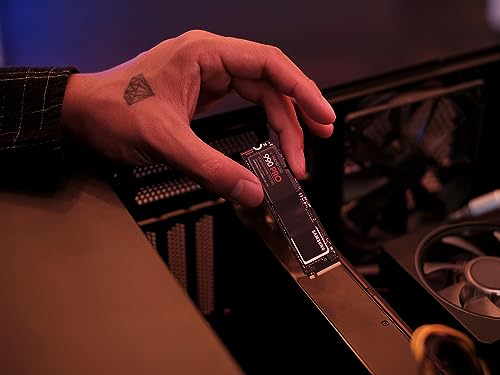
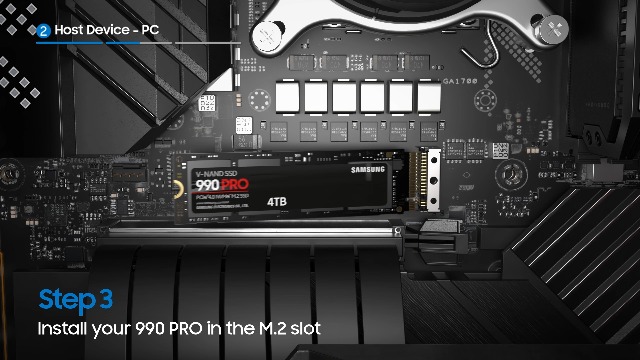
8. Samsung 990 Pro 4 TB — the active-project Gen4 NVMe

22
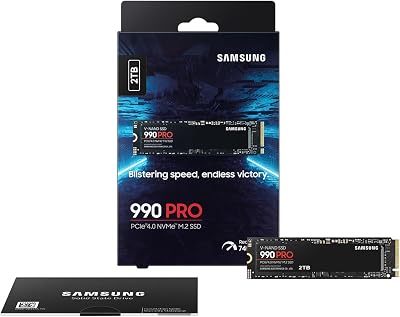
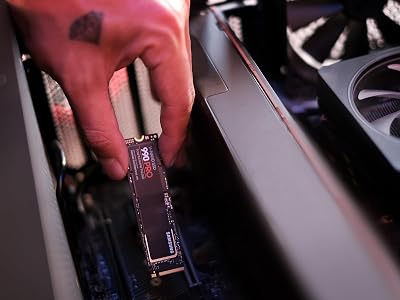
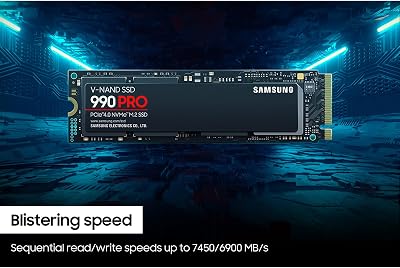
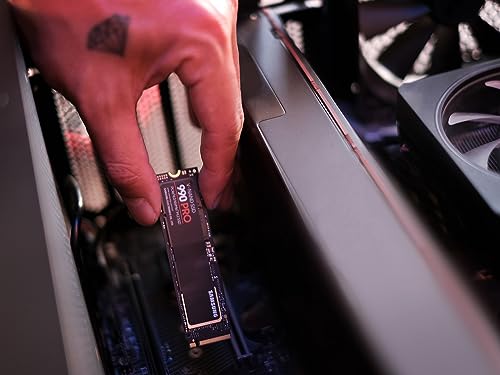
Samsung 990 PRO SSD 2TB NVMe M.2 PCIe Gen4, M.2 2280 Internal Solid State Hard Drive, Seq. Read Speeds Up to 7,450 MB/s for High End Computing, Gaming, and Heavy Duty Workstations, MZ-V9P2T0B/AM
In Stock





As an Amazon Associate we earn from qualifying purchases. Product prices and availability are accurate as of the date/time indicated.
For the active-project drive — where the Revit Central, working textures, V-Ray render cache and Lumion scene files live — the Samsung 990 Pro 4 TB remains our top recommendation in 2026. It reads at 7,450 MB/s sequential, writes at 6,900 MB/s, sustains heavy random workloads better than any Gen4 competitor, and Samsung’s firmware track record is the cleanest in the consumer NVMe market. The 4 TB capacity is the practical minimum for a working archviz drive — between Revit Central, model backups, V-Ray frame buffer caches and Lumion’s enormous scene files, 2 TB fills up within six months.
For studios that want to push to Gen5 — and there is a real argument for it on scene loads above 50 GB — the Crucial T705 4 TB at 14,000 MB/s sequential is the alternative. The real-world difference on Lumion 24 scene loads is meaningful: a 64 GB scene loads in 7 seconds on Gen5 versus 11 seconds on Gen4. Whether that matters depends on how often you open and close scenes.
9. Meta Quest 3 — the client-walkthrough VR headset
Client walkthroughs in VR have crossed the threshold from novelty to standard deliverable in 2026. The Meta Quest 3 512 GB is the practical pick: it streams Twinmotion 2026 and Unreal Engine 5.6 walkthroughs from the workstation over Air Link or Virtual Desktop wirelessly, runs untethered for client-site presentations using the on-board chipset, and the colour pass-through quality is finally good enough for mixed-reality reviews where you overlay the digital model on the physical site.
For studios that need the absolute best image quality — competition reviews, premium residential clients — the Pimax Crystal Super is the alternative at significantly higher price. It pushes pixel density beyond what the human eye can resolve at typical viewing distance, but requires a high-end PC tether and is overkill for everyday client meetings.
Software pairing notes for 2026
The archviz software stack continues to consolidate around a handful of pipelines. The dominant 2026 workflow we observed: Revit for BIM and documentation, Rhino + Grasshopper for parametric form-finding and façade studies, SketchUp for early-massing studies (still beloved despite repeated death-knell predictions), 3ds Max as the legacy bridge between Revit and high-end rendering, V-Ray and Corona for stills, Twinmotion 2026 and Lumion 24 for realtime walkthroughs, and Unreal Engine 5.6 for the highest-end interactive experiences. Maxon Cinema 4D continues to hold ground in motion-graphics-adjacent practices and pairs cleanly with Redshift on CUDA.
For BIM coordination, Autodesk Construction Cloud (the rebranded BIM 360) remains dominant for federated model hosting, but Bluebeam Revu Studio is the universal layer for drawing markup and consultant coordination. Substance Painter is the standard for custom texture authoring; Quixel Megascans (now integrated into Twinmotion and Unreal Engine for free) and Chaos Cosmos provide the asset libraries.
FAQ
Is a Threadripper actually worth it over a Ryzen 9 9950X for solo practitioners?
For solo practitioners who render locally and run animations or competition flythroughs, yes — the render-time halving justifies the cost in the first quarter. For practitioners who outsource final rendering to a cloud farm and only render stills locally, the 9950X is the smarter pick: it wins single-thread modelling responsiveness and saves $1,800.
Can I use a single RTX 5080 16 GB instead of a 5090?
For mainly Twinmotion 2026 and Lumion 24 at 4K with moderate scene complexity, yes — the 5080 is competent. The moment you exceed 16 GB of VRAM (8K textures, dense vegetation, large urban scenes), you will hit the VRAM ceiling and the 5090 wins decisively. Two RTX 5080s in parallel are an alternative if your renderer supports multi-GPU.
Do I need ECC RAM for archviz?
Not for stills and short animations on a single workstation. ECC RAM (which requires Threadripper Pro on the AMD side) is genuinely useful for studios that run the workstation as a 24/7 render node or that produce long animations where a single bit flip can corrupt a 12-hour render. For most studios, non-ECC 128 GB is the sane choice.
What about Mac Studio for archviz?
The M4 Ultra Mac Studio is a phenomenal CPU-render machine on Cinema 4D Redshift (Metal) and on Octane Metal, but it cannot run Revit (Windows-only), Lumion (Windows-only), or the Twinmotion / Unreal stack at parity with a Windows workstation. For full-stack archviz, Windows is still the rational choice in 2026.
Final verdict
For the working archviz studio in 2026, the highest-value build is: Threadripper 7960X + RTX 5090 + 128 GB DDR5 + Eizo CG2700X + SpaceMouse Pro Wireless. It will render Corona stills in single-digit minutes, drive a 4K Lumion walkthrough in real time, hold a federated Revit model with five linked consultants without paging, and produce client-ready colour-accurate deliverables straight from the screen. Plan on $9,000–10,500 in component cost; figure on a five-year amortisation against the price of even one cloud-rendered competition submission.
Related guides on GamingPCGuru
- Best PC for Blender 3D Rendering
- Best Workstation for Video Editing
- Best PC for CAD Engineering
- Best Monitor for Color Grading
- Best GPU for Unreal Engine
- Best RAM for Heavy Rendering
- Best NVMe SSD for Creators
Related Guides
- Best Webcams with Pan Tilt in 2026
- Best PC Cases for Heavy Duty in 2026
- Best Floorstanding Speakers in 2026
- Best Desks for Beginners in 2026
Frequently Asked Questions
How much VRAM do I need for large architectural scenes?
GPU rendering fails outright when a scene exceeds VRAM, so capacity matters more than raw speed. 16GB handles most residential and mid size commercial projects, 24GB is the comfortable professional target, and 32GB or more is warranted for large urban scenes with high resolution textures and dense vegetation. Out of core rendering exists but slows things dramatically.
Should I prioritise CPU cores or GPU power?
It depends on the renderer. V-Ray GPU, Lumion, Twinmotion, and Enscape lean overwhelmingly on the graphics card, while V-Ray CPU and Corona scale with core count. Viewport performance in Rhino, Revit, and AutoCAD is largely single thread bound, so a CPU with high clocks matters even in a GPU rendering workflow.
Do I need a professional card like an RTX A-series?
For most archviz work, no. Consumer GeForce cards deliver the same or better rendering throughput per dollar. Professional cards justify themselves through certified driver support for CAD viewports, ECC memory, larger VRAM ceilings, and better behaviour in multi GPU render nodes. If your firm requires software vendor certification, that requirement usually decides it for you.
How much RAM is enough?
64GB is the sensible baseline for professional archviz because point clouds, large CAD imports, and simultaneous Revit plus rendering sessions consume memory quickly. 128GB is worthwhile if you work with laser scans or run distributed rendering locally. 32GB will work for smaller residential projects but you will hit swapping on any complex site model.
Does storage speed affect archviz performance?
Yes, in specific places: opening large Revit central models, loading texture heavy scenes, and caching simulation or point cloud data. A fast NVMe drive for the active project and a separate large drive for the asset library is the standard arrangement. Network attached project files over gigabit ethernet are frequently the real bottleneck in a studio.