

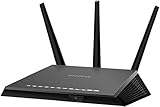
- Top Pick: NETGEAR Nighthawk AC1900 Dual Band WiFi Router, Gigabit Router, Open Source Support, Circle with Disney Smart Parental Controls, Compatible with Amazon Alexa (R7000) (Certified Refurbished)
- Best Value: KEENLUK Home Security Camera with 4.3" Screen, Two Way Video Call Function for Elderly, Baby and Pets, 1080P HD with Motion Detection
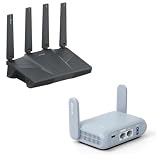
- Premium Choice: TP-LINK AC2600 Dual Band Wireless Gigabit Router with MU-MIMO Technology (Archer C2600)
Nothing derails a video call faster than a flaky connection — frozen frames, robotic audio and dropped meetings all trace back to the network rather than the camera. Smooth calls on Zoom, Teams or Meet depend less on raw download speed and more on a stable, low-jitter connection with consistent upload bandwidth, since your video has to travel out as well as in. The right router keeps that uplink steady and prioritises real-time traffic. This guide rounds up the best routers for video calls in 2026, leading with picks that offer the traffic control and upload stability that conferencing demands.
- Best Routers for Video Calls at a Glance
- 1. TP-Link Festa FR365, AX3000 WiFi 6 VPN Router, Up to 5 Gigabit WAN + 1 USB 3.0
- 2. TP-Link AX1800 WiFi 6 Router (Archer AX21 V5) – Dual Band Wireless Internet
- 3. TP-Link Deco S4 Mesh AC1900 WiFi System – Up to 5,500 Sq.ft. Coverage
- 4. Amazon eero 6 mesh wifi system – Supports internet plans up to 500 Mbps
- 5. TP-Link AC1200 Gigabit WiFi Router (Archer A6) – Dual Band MU-MIMO Wireless
- 6. TP-Link Roam 6 AX1500 Portable Wi-Fi 6 Travel Router – Easy Public WiFi Sharing
- How to Choose a Router for Video Calls
- Frequently Asked Questions
- Related Guides
- Related Articles
Our picks were chosen on what genuinely matters for video conferencing: connection stability and low jitter, reliable upload as well as download, quality-of-service features that prioritise real-time traffic, and value. We have included a price spread from around $40 to around $140, spanning feature-rich routers, value single units, whole-home mesh and even a portable travel router for calls on the road. We are clear about which picks suit a dedicated home office versus a whole house or travel. Below is an at-a-glance comparison of all six, then a closer look at each and a buyer’s guide built around QoS, upload stability and low-latency performance.
As an Amazon Associate we earn from qualifying purchases at no extra cost to you.




🛒 Best Price Today on Amazon
Prime members get fast, free shipping on everything above, plus member-only deals. New members get a 30-day free trial — cancel anytime.
Best Routers for Video Calls at a Glance
| Router / System | Best For | Standout Spec | Approx Price |
|---|---|---|---|
| TP-Link Festa FR365 (AX3000 VPN) | Dedicated low-jitter uplink | Up to 5 Gigabit WAN, QoS | around $99 |
| TP-Link Archer AX21 (WiFi 6) | WiFi 6 call stability | WiFi 6, QoS, dual-band | around $52 |
| TP-Link Deco S4 Mesh (AC1900) | Whole-home call coverage | Up to 5,500 sq.ft mesh | around $96 |
| Amazon eero 6 Mesh | Simple stable mesh | WiFi 6 mesh, easy setup | around $140 |
| TP-Link Archer A6 (AC1200) | Budget reliable calls | MU-MIMO dual-band gigabit | around $40 |
| TP-Link Roam 6 (Travel WiFi 6) | Calls while traveling | Portable WiFi 6 router | around $60 |
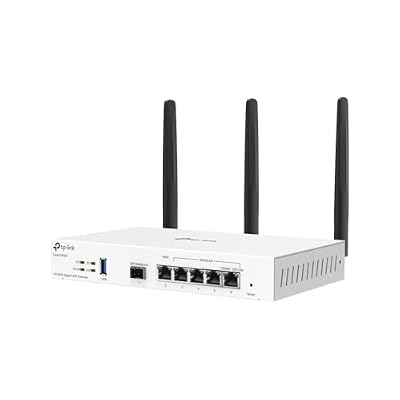
1. TP-Link Festa FR365, AX3000 WiFi 6 VPN Router, Up to 5 Gigabit WAN + 1 USB 3.0

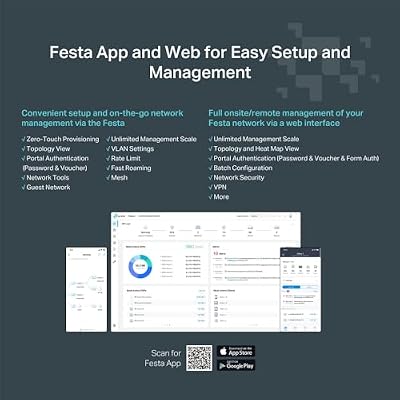
TP-Link Festa FR365, AX3000 WiFi 6 VPN Router



As an Amazon Associate we earn from qualifying purchases. Product prices and availability are accurate as of the date/time indicated.
The TP-Link Festa FR365 is the lead pick for video calls because it is built around traffic control and a rock-solid uplink. This AX3000 WiFi 6 VPN router offers up to 5 Gigabit WAN capacity, business-grade quality-of-service features, and the stability of a router aimed at small-office reliability. At around $99 it is the most call-focused router on this list.
For video conferencing, the intent this serves is a steady, prioritised uplink. The generous WAN capacity and QoS features let you give Zoom, Teams or Meet traffic priority so a large download elsewhere in the house does not cause your video to stutter, the WiFi 6 radios keep latency and jitter low under load, and the business-oriented design favours uptime and consistency over flashy extras. If your priority is a router that keeps calls smooth and your upload stable even when the network is busy, the Festa FR365 is the standout pick.
Pros: Business-grade QoS, up to 5 Gigabit WAN, WiFi 6 stability, prioritises real-time traffic.
Cons: More configuration than a basic router; single-unit coverage.
2. TP-Link AX1800 WiFi 6 Router (Archer AX21 V5) – Dual Band Wireless Internet
The TP-Link Archer AX21 is the WiFi 6 pick for reliable video calls in a home office. This AX1800 dual-band router brings WiFi 6 and built-in QoS to an affordable price, and WiFi 6’s better handling of busy networks translates directly into lower jitter and more consistent video. At around $52 it is an excellent-value upgrade for anyone who works from home.
This is the router for a home worker who wants smoother calls without complex setup. The QoS feature lets you prioritise conferencing traffic so your video stays clear when others are streaming or downloading, WiFi 6 keeps latency low even with many devices connected, and the dual-band design gives your work device a clean 5GHz lane. It is a single router rather than mesh, so it suits a home office within range of one unit, but for stable, low-jitter video calls on a budget, the Archer AX21 is hard to beat.
Pros: WiFi 6 low jitter, built-in QoS to prioritise calls, dual-band, great value.
Cons: Single router coverage; best for a home office near the unit.
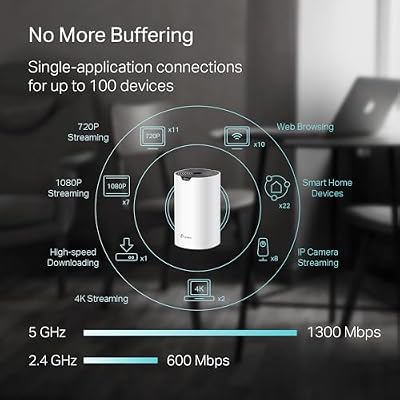
3. TP-Link Deco S4 Mesh AC1900 WiFi System – Up to 5,500 Sq.ft. Coverage

TP-Link Deco S4 Mesh AC1900 WiFi System, Deco S4(3-Pack)



As an Amazon Associate we earn from qualifying purchases. Product prices and availability are accurate as of the date/time indicated.
The TP-Link Deco S4 is the pick for stable video calls anywhere in the house. This AC1900 mesh system covers up to 5,500 square feet with seamless roaming, so you can take a call from the home office, the kitchen or the bedroom without your connection dropping as you move. At around $96 it brings whole-home reliability to video conferencing.
For video calls, the value here is consistent coverage that prevents the dead spots which cause frozen frames and dropped meetings. The mesh hands your device off between units as you move, keeping the connection stable mid-call, a single seamless network means no manual switching, and the system holds up with a houseful of other devices connected. If you take calls from more than one room or your home office sits far from the modem, the Deco S4’s mesh coverage is what keeps your video steady — a different strength from the QoS-focused single routers.
Pros: Whole-home mesh coverage, seamless roaming mid-call, stable across multiple rooms.
Cons: WiFi 5 class; relies on coverage rather than advanced QoS tuning.
4. Amazon eero 6 mesh wifi system – Supports internet plans up to 500 Mbps
The Amazon eero 6 is the pick for simple, stable mesh coverage for calls. This WiFi 6 mesh system supports internet plans up to 500 Mbps and blankets a wide area with eero’s famously reliable, set-and-forget networking. At around $140 it is the easiest way to get dependable whole-home coverage that keeps video calls smooth without any tinkering.
This is the system for a home worker who wants calls to just work across the whole house. The WiFi 6 mesh delivers low-latency, consistent connections from room to room, eero automatically manages the network to keep traffic flowing smoothly during calls, and the app-based setup is genuinely effortless. While it leans on automatic optimisation rather than manual QoS sliders, the result is reliably stable video for most households. For plug-and-play mesh that keeps Zoom and Teams steady everywhere, the eero 6 is a strong, low-maintenance choice.
Pros: WiFi 6 mesh, automatic traffic management, very simple setup, reliable whole-home calls.
Cons: Higher price; automatic management rather than manual QoS controls.
5. TP-Link AC1200 Gigabit WiFi Router (Archer A6) – Dual Band MU-MIMO Wireless

TP-Link AC1200 Gigabit Dual Band WiFi Router (Archer A6)


As an Amazon Associate we earn from qualifying purchases. Product prices and availability are accurate as of the date/time indicated.
The TP-Link Archer A6 is the budget pick for reliable video calls. This AC1200 dual-band gigabit router uses MU-MIMO to serve several devices at once and provides a stable, dependable connection for everyday conferencing. At around $40 it is the most affordable router here and a sensible upgrade from a basic ISP box for clearer calls.
This is the router to choose when you want steadier video calls without spending much. MU-MIMO helps the router handle your work device alongside the household’s phones and laptops more smoothly, the dual-band design keeps a 5GHz lane available for low-interference call traffic, and gigabit wired ports let you plug in your work machine for the most stable connection of all. It is a no-frills WiFi 5 router rather than a QoS powerhouse, but for affordable, reliable calls in a smaller space, the Archer A6 delivers the dependable connection conferencing needs.
Pros: Affordable, MU-MIMO for multiple devices, dual-band gigabit, stable everyday calls.
Cons: WiFi 5 class; no advanced QoS and single-router coverage.
6. TP-Link Roam 6 AX1500 Portable Wi-Fi 6 Travel Router – Easy Public WiFi Sharing

TP-Link Roam 6 AX1500 Portable Wi-Fi 6 Travel Router (TL-WR1502X)


As an Amazon Associate we earn from qualifying purchases. Product prices and availability are accurate as of the date/time indicated.
Rounding out the list is the TP-Link Roam 6, the pick for video calls while traveling. This portable AX1500 WiFi 6 travel router lets you create your own secure, stable network from hotel, café or public WiFi, turning an unreliable shared connection into a steadier private one for your call. At around $60 it is a compact insurance policy for remote work on the road.
This is the router for the traveling professional who cannot trust hotel WiFi for an important meeting. By connecting to the public network and rebroadcasting its own WiFi 6 signal, the Roam 6 gives your laptop a consistent connection point and can smooth over some of the flakiness of shared networks, while keeping your traffic on a private, secured network. It will not fix a genuinely slow upstream link, but for more stable, secure video calls away from home, this pocketable travel router is a genuinely useful and distinct option on this list.
Pros: Portable WiFi 6, creates a private stable network from public WiFi, secures call traffic.
Cons: Depends on the underlying connection; a travel router, not a home base station.
How to Choose a Router for Video Calls
The most important quality for a video-call router is connection stability and low jitter, not headline download speed. Jitter — the variation in latency from moment to moment — is what causes frozen frames and robotic audio, so a router that keeps latency consistent matters more than one with a big speed rating. WiFi 6 models like the Festa FR365, Archer AX21 and eero 6 handle busy networks more steadily than older routers, which translates directly into smoother, more reliable calls.
Upload bandwidth deserves special attention because video conferencing is a two-way street. Your camera feed has to travel out as well as in, and on many home connections the upload is the weaker link. A router with strong quality-of-service controls — like the business-oriented Festa FR365 or the QoS feature in the Archer AX21 — lets you reserve and prioritise that upstream bandwidth for calls, so a big upload or backup elsewhere does not starve your video. Prioritising real-time traffic is one of the most effective things you can do for call quality.
Quality-of-service and traffic prioritisation are therefore the standout features to look for. QoS lets the router recognise conferencing traffic and put it ahead of less time-sensitive data like downloads and streaming, keeping your call smooth even when the network is under load. If your household shares the connection during your work hours, a router with good QoS — rather than a basic box that treats all traffic equally — is well worth the investment for consistently clear meetings.
Finally, match the form factor to where and how you take calls. If you work from one home office near the router, a strong single unit like the Festa FR365, Archer AX21 or Archer A6 is ideal — and a wired connection to your work machine is the most stable option of all. If you move around the house, a mesh like the Deco S4 or eero 6 keeps you connected as you go. And if you travel, a portable router like the Roam 6 turns shaky hotel WiFi into a steadier private network. Decide where you call from, prioritise stability and QoS, set your budget, and pick the router on this list that fits your conferencing needs.
Frequently Asked Questions
Does upload speed matter more than download for video calls?
It matters more than people think. Your camera feed has to travel upstream, and on many home connections the upload is the weaker link, so a stuttery outgoing video often comes down to upload rather than download. A router with good QoS, like the Festa FR365 or the Archer AX21, lets you prioritise that upstream bandwidth for calls so a backup or large upload elsewhere does not degrade your video.
What is QoS and why does it help video calls?
QoS, or quality of service, is a router feature that prioritises certain traffic over others. For video calls it lets the router put Zoom, Teams or Meet ahead of downloads and streaming, so your meeting stays smooth even when the network is busy. The business-oriented Festa FR365 and the QoS-equipped Archer AX21 are the strongest picks here for prioritising real-time call traffic.
Why do my video calls freeze even with fast internet?
Usually because of jitter or an unstable connection rather than raw speed. Jitter — moment-to-moment variation in latency — causes frozen frames and garbled audio, and dead spots or a congested network make it worse. A WiFi 6 router like the Archer AX21, a whole-home mesh like the Deco S4 for coverage, or QoS to prioritise call traffic all address the real causes more effectively than simply buying more download speed.
Can a travel router really improve video calls on the road?
It can help. A portable router like the TP-Link Roam 6 connects to hotel or public WiFi and rebroadcasts its own private, secured WiFi 6 signal, giving your laptop a consistent connection point and smoothing over some of the flakiness of shared networks. It cannot fix a genuinely slow upstream link, but for more stable and secure calls while traveling, it is a useful piece of kit.
Related Guides
- Best Routers
- Best WiFi 6 Routers
- Best Mesh WiFi Systems
- Best Webcams for Video Calls
- Best Headsets for Working From Home
- Best Travel Routers
Affiliate Disclosure: As an Amazon Associate, we earn from qualifying purchases. If you click a link and make a purchase, we may earn a small commission at no extra cost to you. Prices and availability are accurate as of publication and may change.
Ready to decide? Our #1 pick for 2026 is the TP-Link Festa FR365 (AX3000 VPN).
Live price & availability on Amazon.


