
- Top Pick: PC Products PC-Woody Wood Repair Epoxy Paste, Two-Part 12 oz in Two Cans, Tan
- Best Value: PC Products PC-Woody Wood Repair Epoxy Paste Kit with Mixing Tool, Two-Part 6 oz in Two Cans, Tan (83321)
- Premium Choice: PC Products PC-Woody Wood Repair Epoxy Paste, Two-Part 96 oz in Two Cans, Tan 128336
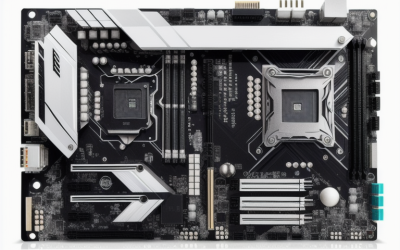
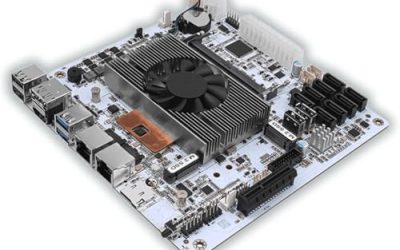
Cheap PC parts come from the same handful of places, but the right source depends on what you’re buying, how much risk you can tolerate, and whether you need it this week or can wait for a sale. I’ve bought components through every channel below, including a few mistakes worth mentioning so you don’t repeat them.
As an Amazon Associate we earn from qualifying purchases at no extra cost to you.



New vs. used: where the real savings are
The biggest price gap isn’t between retailers, it’s between new and used. A GPU that’s two generations old can be 40-50% cheaper used than new, and for CPUs the gap is similar once a new socket launches and the previous platform gets discounted. The risk is obvious: no warranty, unknown usage history, and with GPUs specifically, the possibility the card was run hard in a mining rig. That’s not automatically disqualifying (mining loads are actually gentler on a GPU than gaming loads in some ways, since they run at a fixed clock without the thermal cycling), but you want a seller who’ll let you return it if it doesn’t boot.
For new parts at a discount, your best tool is just patience plus price tracking. GPUs and CPUs cycle through sales tied to new product launches, not just Black Friday. When a new GPU generation drops, the previous one drops in price within weeks. If you’re not in a hurry, that’s the cheapest “new in box” window you’ll get.
Retailers worth checking, and what each is actually good for
Amazon is reliable for returns and fast shipping, and third-party sellers on the platform often undercut big-box retailers on CPUs and power supplies, which are a bad category to buy used (more on that below). The catch is that listings get mixed between sellers, so check who’s actually fulfilling the order before you buy, especially for anything with a lot of counterfeit activity like SD cards or RAM kits.
Micro Center, if you have one near you, is usually the single best place for CPUs and motherboard combo deals, because they bundle in-store discounts that online retailers can’t match. If you don’t live near one, you’re back to online pricing, which is competitive but not special.
Newegg’s bread and butter is open-box and refurbished listings, graded by condition. “Open box – excellent” is usually a return that was never actually used; “open box – good” might have cosmetic wear. These are worth 10-15% off for low risk, assuming you buy from Newegg directly rather than a marketplace seller with no return policy.
For used parts specifically, local marketplace listings (Facebook Marketplace, local subreddits) beat eBay on price because there’s no shipping markup and you can test before you pay. The trade-off is time and no recourse if the seller lied. eBay is better when nothing local is listed, has stronger buyer protection than most people realize, and is genuinely good for case fans, cooling parts, and case fans since those rarely fail from use and have little to go wrong.
Parts you shouldn’t buy used
Power supplies top this list. A PSU degrades invisibly: capacitors age, protection circuits can fail silently, and a bad one can take other components with it when it dies. The money saved buying used isn’t worth the risk to a $400+ GPU sitting downstream of it. Buy new, and don’t go cheap on wattage headroom either, a PSU running near its rated capacity constantly runs hotter and dies sooner.
Thermal paste and anything with moving parts in a liquid cooler (AIO pumps specifically) are the other no-go. Pump bearings wear out, and you have no way to know how many hours are on a used unit. A new AIO cooler isn’t expensive enough to justify the gamble, and air coolers are even cheaper and have nothing to fail.
Where to buy, by part
| Part | Best cheap source | Why |
|---|---|---|
| GPU | Used marketplace (local) or discounted new after a launch | Biggest price swings, test before buying used |
| CPU | Micro Center bundle, or Amazon/Newegg sale | Low failure rate even used, but bundles beat used pricing anyway |
| Motherboard | New, on sale | Used boards have unknown BIOS/socket wear, savings are small |
| RAM | New, Amazon or Newegg | Prices fluctuate with memory chip supply, rarely worth buying used |
| PSU | New only | Silent failure risk, don’t gamble here |
| Case/fans | Used, eBay or local | Almost nothing to fail, pure cosmetic risk |
| Cooler (air) | New, cheap category overall | Low cost even new, not worth buying used |
Actually tracking prices
If you’re buying for a build and not in a rush, set up a price alert through a tracker like CamelCamelCamel for Amazon listings, or just check PCPartPicker’s price history graph for the part. Both show you whether a “deal” is actually a deal or a price that was higher last week specifically so the sale looks bigger. I’ve seen “40% off” GPU listings that were simply back to their normal price after a temporary markup.
What I’d actually do
For a budget build, I’d buy the PSU and cooler new, no exceptions, and shop used or open-box for everything else, starting with the GPU since that’s where the dollar savings are largest in absolute terms. If a local marketplace listing seems too cheap and the seller won’t let you boot it first, walk away. That’s a more reliable warning sign than any price number.