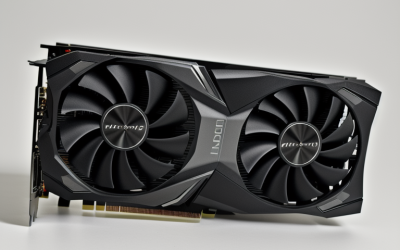
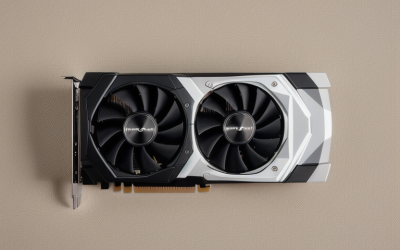
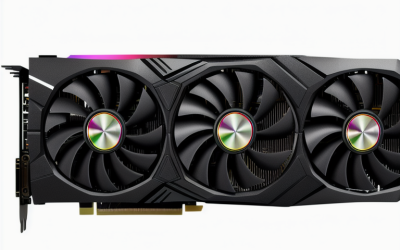
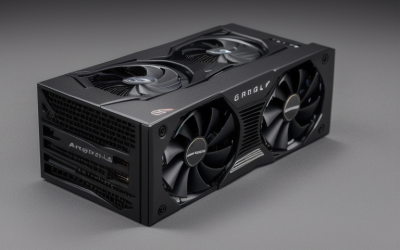
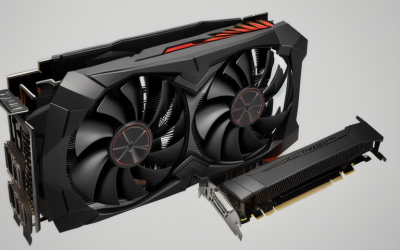
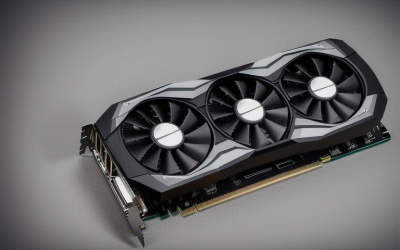
- Top Pick: SOYO GeForce GT 740 4GB DDR3 Low Profile Graphics Card, 128-Bit 384SP HDMI/VGA/DVI-D Port Triple Output, SFF Half-Height Video Card for Slim Desktop PCs, Supports Windows 11/10/8/7
- Best Value: msi Gaming GeForce RTX 3060 Ventus 2X 12G OC V1 Graphics Card – 15 Gbps GDRR6 Boost Clock: 1807 MHz 192-Bit HDMI/DP PCIe 4 Torx Twin Fan Ampere
- Premium Choice: GIGABYTE 2GB RAM DDR3 SDRAM Video Graphics Cards GV-N710D3-2GL REV2.0 for Desktop
A graphics card shopper with a hard cap of under 100 dollars is making a different kind of decision than someone buying a flagship. At this tier you are rarely choosing between speed and silence; you are choosing between a card that adds display outputs to an office desktop and a card that might genuinely run a few older games. The two jobs need different hardware, and a listing that blurs them together is the main trap.
This guide is written for people reviving an aging desktop, building a bare-bones second PC, or fitting a small-form-factor machine that cannot take a full-size card. It looks at seven models using only what their titles state, from half-height DDR3 cards to 8GB Radeon boards and one RTX model that sits well above the rest on paper. Listings change often, so confirm that a current one actually fits under the cap before you commit, and treat everything below as a spec-sheet comparison for 2026 rather than a promise of performance. Judge the cards by the claims in their titles: memory type, bus width, outputs, and cooler design.
Quick Picks
As an Amazon Associate we earn from qualifying purchases at no extra cost to you.





| Product | Best for | Key spec from the title |
|---|---|---|
| SOYO GeForce GT 740 4GB | Slim desktops needing extra outputs | 4GB DDR3, low profile, HDMI/VGA/DVI-D |
| MSI GeForce RTX 3060 Ventus 2X 12G OC | Highest spec if the listing fits the cap | 12GB GDDR6, 192-bit, PCIe 4 |
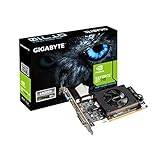
| GIGABYTE GV-N710D3-2GL | Basic display output upgrade | 2GB DDR3, desktop card |
| MOUGOL Radeon RX 580 8GB | Older-game 1080p tinkering | 8GB GDDR5, 256-bit, HDMI/DP/DVI |
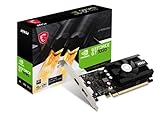
| MSI GeForce GT 1030 4GB DDR4 | Low-profile builds | 4GB DDR4, 64-bit, DP/HDMI |
| AISURIX RX 590 8GB | Shoppers who want 8GB and multi-display | 8GB GDDR5, 256-bit, 2xDP plus HDMI |
| Dell Radeon R5 240 1GB (Renewed) | Replacing a dead office-PC card | 1GB DDR3, DVI/DisplayPort |
How to Choose
Memory type and bus width matter more than the gigabytes
Four GB of DDR3 on a narrow bus is not the same as four GB of fast memory. The listings here range from a 64-bit DDR4 card to 256-bit GDDR5 and 192-bit GDDR6, and a wider bus with newer memory moves data far more quickly. Treat large memory amounts on DDR3 cards as a marketing figure, and compare bus width and memory type before the capacity number. A 2GB card on a decent bus can easily match a 4GB card on a poor one for everyday work, and for plain desktop use the extra memory brings little benefit at all.
Case fit: low profile or full height
Slim office towers and small-form-factor machines usually need a half-height bracket. The SOYO GT 740 and the MSI GT 1030 name low profile in their titles, while the larger Radeon boards and the RTX card use dual-fan designs that need a full-size slot. Measure available clearance, including the slot count the cooler occupies, and check that the retail package includes the bracket your case needs. A half-height card in a full-height case is easy to fix with a spare bracket; the reverse is not.
Power and outputs
Titles rarely mention power connectors, so look at the full listing for a six-pin or eight-pin requirement and compare it with your power supply. Older, smaller cards often draw only from the slot. For outputs, confirm HDMI or DisplayPort if you use a modern monitor; DVI and VGA are common on the oldest models and are tricky to adapt cleanly.
Age, drivers, and renewed hardware
Several listings use older architectures, which is the usual trade-off of staying under the cap. Manufacturers may stop updating drivers for them, which matters for newer operating system builds and new games. A renewed card, like the Dell Radeon R5 240, is refurbished stock, so read the return and warranty terms. Where a title looks inconsistent, such as a model number that disagrees with a shader count, ask the seller before buying.
The 7 Best Options
SOYO GeForce GT 740 4GB
The SOYO is described as a low profile, half-height card for slim desktops with 4GB DDR3, a 128-bit bus, and HDMI, VGA, and DVI-D outputs. It also lists support for Windows 11 down to Windows 7.
- Half-height design suits small-form-factor cases.
- Triple output covers older monitors as well as HDMI displays.
- Trade-off: DDR3 memory limits how much the 4GB figure helps.
Skip it if you want a card for modern titles; it is built for slim PCs, not heavy gaming. It makes the most sense for someone upgrading a prebuilt tower that has limited internal space and an older monitor with VGA or DVI input.
MSI GeForce RTX 3060 Ventus 2X 12G OC
The MSI Ventus 2X is the outlier. Its title shows 12GB of 15 Gbps GDDR6, a 1807 MHz boost clock, a 192-bit bus, PCIe 4, and a twin-fan Ampere design with HDMI and DisplayPort. On specs it outclasses every other card here.
- 12GB of GDDR6 on a 192-bit bus is the strongest memory setup listed.
- Modern outputs and a twin-fan cooler.
- Trade-off: a card of this class may not fit a cap under 100 dollars, so confirm the live listing first.
Skip it if the listing sits above your cap or your case cannot take a twin-fan card. If it does fit your budget, it is the clear choice for anyone who wants modern output standards and a large memory pool in one board.
GIGABYTE GV-N710D3-2GL
This GIGABYTE card carries 2GB of DDR3 and the GV-N710D3-2GL REV2.0 model number for desktops. It is one of the simplest ways to get a working display output on a machine without integrated graphics.
- Well-known motherboard and card maker behind the label.
- 2GB DDR3 suits office and video work.
- Trade-off: the title gives no output list, so check the full listing for ports.
Skip it if gaming is the goal; it fits display duty and light desktop work. A buyer building a plain home office machine or a media PC is the natural match.
MOUGOL Radeon RX 580 8GB
The MOUGOL RX 580 lists 8GB of GDDR5 on a 256-bit bus, 2048 shaders, PCIe x16 3.0, and HDMI, DP, and DVI outputs with a dual-fan cooler. It is the first Radeon in this list whose spec line looks aimed at actual gaming.
- 256-bit GDDR5 gives more memory bandwidth than the DDR3 cards.
- Three output types, including DisplayPort, in one board.
- Trade-off: the brand is less established, so read the warranty terms.
Skip it if your case is a slim tower, since the dual-fan board is full-size. It also asks for a proper PCIe x16 slot, so older boards with a different layout are not a match.
MSI GeForce GT 1030 4GB DDR4
This MSI GT 1030 4GD4 LP OC pairs 4GB of DDR4 with a 64-bit bus, DirectX 12, DP and HDMI outputs, and a single fan in a low-profile form. It suits a quiet slim build.
- Low-profile variant for compact cases.
- Established brand with HDMI and DisplayPort outputs.
- Trade-off: the 64-bit bus is narrow, so the 4GB figure overstates its headroom.
Skip it if you want a card for sustained gaming; it is a display and light-use pick. Shoppers who value a single fan and a small footprint, such as media-center builders, are who it is made for.
AISURIX RX 590 8GB
The AISURIX listing says RX 590, real 8GB GDDR5, 256-bit, with 2 DisplayPort outputs, HDMI, PCIe 3.0, and freeze fans. The title also mentions an RX 580 with 2304 shaders, so the model naming reads inconsistent.
- 8GB on a 256-bit bus matches the biggest Radeon option.
- Two DisplayPorts plus HDMI helps with multi-monitor setups.
- Trade-off: the mixed naming means you should confirm which GPU you are actually getting.
Skip it if you want unambiguous labeling or a well-known brand. Read the seller description and any return terms closely, since a mismatch between model names can signal a rebadged board.
Dell Radeon R5 240 1GB (Renewed)
This renewed Dell card (F9P1R) offers 1GB of DDR3 and DVI and DisplayPort outputs. It reads as a replacement part for office desktops rather than a gaming card.
- Useful for restoring video output on a compatible office PC.
- Dell branding suggests fit with Dell systems.
- Trade-off: renewed stock and only 1GB of memory.
Skip it if you want current-generation features or expect to run games. It is best viewed as a repair part for a specific kind of office machine, not as an upgrade.
Which One Fits Your Situation
You own a slim office tower
Choose the MSI GT 1030 4GB or the SOYO GT 740. Both name low profile, which matters more than raw spec in a tight case.
You want a card that can run older games
The MOUGOL RX 580 8GB has a 256-bit bus like the AISURIX, and its title is cleaner about the model, so it is the practical gaming pick if it fits your case and power supply. Make sure the supply has the right connector before the order goes in.
You only need to restore a display
The Dell R5 240 or the GIGABYTE GV-N710D3-2GL will do the job. Pick based on which outputs match your monitor; the Dell lists DVI and DisplayPort, so confirm your cable before ordering.
You want the strongest spec and can verify the listing
The MSI RTX 3060 Ventus 2X is the only modern card here. Confirm it fits your cap before planning around it.
Common Mistakes
- Counting DDR3 gigabytes as if they matched GDDR5 or GDDR6 memory.
- Buying a full-height card for a case that needs a half-height bracket.
- Skipping the power connector check and finding the supply has no spare cable.
- Ignoring inconsistent model names in a listing, like the mixed RX 590 and RX 580 wording.
- Forgetting that DVI and VGA outputs may not match a modern monitor.
Related guides
- Aio Liquid Coolers For High Performance Gaming
- How To Lower Input Delay In Competitive Shooters
- Wireless Gaming Headsets Under 100 For Pc
Frequently Asked Questions
Can a card in this range play modern games?
Only a few of these have specs aimed at gaming, mainly the Radeon 8GB boards, and they suit older or lighter titles. The low-profile cards are better treated as display upgrades. Expect to lower resolution and detail settings on anything recent, and read the title line for bus width before assuming a card can keep up.
Do I need a new power supply?
Often not for low-profile cards, which tend to draw from the slot. Full-size boards may need a power connector, so check the listing and your supply. If your pre-built desktop has a small supply with no spare cables, stick with the slot-powered models.
Are renewed cards a good idea?
They can be fine for simple display duty, provided the seller offers clear return terms. Look at the warranty length before buying, and keep the original packaging if you can in case you need to send it back.
Is more video memory always better?
No. Memory type and bus width decide how fast the memory works, so a narrow-bus 4GB card can trail a wider-bus card with less memory in some workloads.