- Top Pick: iFFALCON 55" 4K MiniLED Smart TV | PS5 & Xbox Ready, 4X HDMI 2.1 | Hotel, Home & Office Use | 144Hz VRR 240Hz, Dolby Vision Gaming, Dolby Atmos, IMAX Enhanced, Google TV, Alexa | 55U85
- Best Value: Silkland Certified HDMI 2.1 Cable Ultra High Speed 48Gbps Braided HDR 6.6FT
- Premium Choice: BenQ Zowie XL2586X+ 24.1 DyAc 2 600Hz Fast TN Gaming Monitor for Esports
Esports is won and lost in fractions of a second, and on a TV that means three things matter above all else: low input lag, a high refresh rate, and a fast response time. A competitive display needs to put your inputs on screen the instant you press, redraw the picture as fast as the game can feed it, and switch pixels quickly enough that fast motion stays clean. This guide rounds up the best gaming TVs for esports in 2026, leading with the panels that respond quickest and ranging across sizes and budgets so you can find a competitive big screen that fits your setup.
- Best Gaming TVs for Esports at a Glance
- 1. LG C3 Series 55-Inch Class OLED evo 4K Smart TV for Gaming
- 2. Sony 75-Inch Class 4K Ultra HD BRAVIA 3 LED Smart TV with Google TV
- 3. Sony 85-Inch Class 4K Ultra HD BRAVIA 3 LED Smart TV with Google TV
- 4. Samsung 85-Inch Class QLED 4K Q60D Series Quantum HDR Smart TV
- 5. Samsung 85-Inch Class 4K Crystal UHD DU8000 Series HDR Smart TV
- 6. Hisense 100-Inch Class E6 Series QLED 4K UHD Smart Fire TV
- How to Choose a Gaming TV for Esports
- Frequently Asked Questions
- Related Guides
- Related Articles
Our picks were chosen on what genuinely decides a competitive TV: low input lag in game mode, refresh rate and variable refresh rate (VRR) support, response time and motion clarity, and value. We have included a deliberate price spread — from around $848 up to around $2,028 — because the best esports TV is the one that pairs a fast, responsive panel with a size and budget that suit your room. Below you will find an at-a-glance comparison of all six, then a closer look at each TV and a buyer’s guide built around the specs that actually win games rather than the ones that just look good on a box.
As an Amazon Associate we earn from qualifying purchases at no extra cost to you.




🛒 Best Price Today on Amazon
Prime members get fast, free shipping on everything above, plus member-only deals. New members get a 30-day free trial — cancel anytime.
Best Gaming TVs for Esports at a Glance
| TV | Best For | Standout Spec | Approx Price |
|---|---|---|---|
| LG C3 55-Inch OLED evo | Fastest competitive response | OLED, near-instant response, low lag | around $1,099 |
| Sony 75-Inch BRAVIA 3 4K | Big-screen value esports | 75-inch, game-mode optimised | around $848 |
| Sony 85-Inch BRAVIA 3 4K | Large-room competitive | 85-inch, Dolby Vision, Google TV | around $1,098 |
| Samsung 85-Inch Q60D QLED | Bright big-screen QLED | 85-inch QLED, Quantum HDR | around $2,028 |
| Samsung 85-Inch DU8000 Crystal UHD | Spacious living-room play | 85-inch, Object Tracking Sound | 3 sizes |
| Hisense 100-Inch E6 QLED | Maximum screen size | 100-inch QLED, Fire TV | around $1,750 |
1. LG C3 Series 55-Inch Class OLED evo 4K Smart TV for Gaming

LG C3 Series 55-Inch Class OLED evo 4K Processor Smart Flat Screen TV for Gaming with Magic Remote AI-Powered OLED55C3PUA, 2023 with Alexa Built-in





As an Amazon Associate we earn from qualifying purchases. Product prices and availability are accurate as of the date/time indicated.
The LG C3 OLED evo is the standout esports pick, and it leads this list because OLED technology is purpose-built for competitive response. Each pixel lights itself and switches almost instantly, delivering the fastest pixel response of any panel type and crisp, clean fast motion. The C3 pairs that with a low-input-lag game mode and high-refresh, VRR-capable HDMI 2.1 inputs at around $1,099 in the 55-inch size.
For esports this is exactly the panel you want under your inputs: the near-instant OLED response keeps flick shots and fast pans free of smearing, the dedicated Game Optimizer mode trims input lag so the screen reacts the moment you do, and high-refresh 4K with VRR keeps motion tear-free when the frame rate climbs. Per-pixel contrast also makes enemies in dark corners easy to read. If your priority is the most responsive competitive picture on this list and 55 inches fits your space, the C3 is the clear leader.
Pros: OLED near-instant response, low-lag game mode, high refresh with VRR, superb fast-motion clarity.
Cons: Smaller 55-inch size here; OLED costs more per inch than LED.
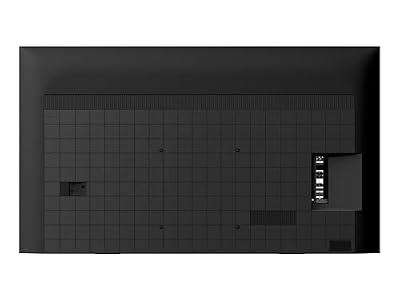
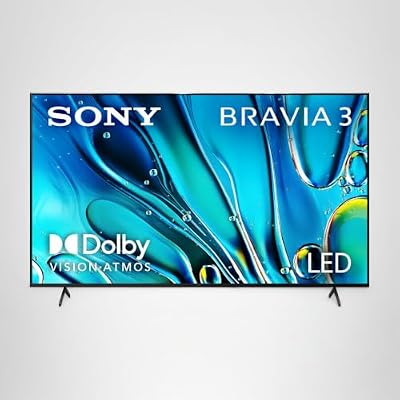
2. Sony 75-Inch Class 4K Ultra HD BRAVIA 3 LED Smart TV with Google TV

Sony 75 Inch BRAVIA 3 LED 4K HDR Smart Google TV (K-75S30) | Dolby Vision/Atmos, Exclusive Features for PlayStation®5, 4K Processor X1, Triluminos Pro, 4K movie credits included


As an Amazon Associate we earn from qualifying purchases. Product prices and availability are accurate as of the date/time indicated.
The Sony 75-Inch BRAVIA 3 is the big-screen value pick for esports. It is a 75-inch 4K LED panel with Google TV, Dolby Vision and a dedicated game mode, and at around $848 it delivers a huge competitive display for a remarkably low price. For players who want maximum screen size per dollar without giving up a responsive game mode, it is the obvious starting point.
The intent here is generous size and a clean, low-lag picture on a budget. The 75-inch panel fills your field of view for immersive competitive sessions, Sony’s game mode keeps input lag in check so your reactions land on time, and Google TV makes launching apps and inputs effortless between matches. It is an LED rather than OLED, so response is not quite OLED-fast, but for casual-to-serious esports on a big, affordable screen the BRAVIA 3 is excellent value and the best size-for-money choice on the list.
Pros: Large 75-inch screen, responsive game mode, Dolby Vision, outstanding value for the size.
Cons: LED response not as fast as OLED; refresh aimed at mainstream, not flagship.
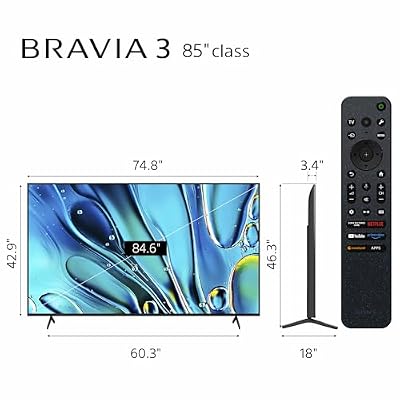
3. Sony 85-Inch Class 4K Ultra HD BRAVIA 3 LED Smart TV with Google TV
Sony 85 Inch BRAVIA 3 LED 4K HDR Smart GoogleTV (K-85S30) | Dolby Vision/Atmos, Exclusive Features for PlayStation®5, 4K Processor X1, Triluminos Pro, 4K movie credits included
As an Amazon Associate we earn from qualifying purchases. Product prices and availability are accurate as of the date/time indicated.
The Sony 85-Inch BRAVIA 3 takes the same value-focused formula to a commanding 85-inch size. It is an 85-inch 4K LED panel with Google TV, Dolby Vision and Sony’s game mode, priced at around $1,098 — still aggressive for a screen this large. For a big living room where you want a competitive display you can read from the couch, it makes a strong case.
This is the pick for the player whose room can take a genuinely large panel and who wants esports playable from a distance. The 85-inch screen keeps the action clearly visible across a bigger space, the low-lag game mode keeps inputs responsive for competitive play, and Google TV plus Dolby Vision round out the experience for everything else. As with its 75-inch sibling it is an LED, so it trades ultimate OLED response for size and value — a trade that makes sense if a vast, affordable competitive screen is the goal.
Pros: Commanding 85-inch size, low-lag game mode, Google TV and Dolby Vision, strong value.
Cons: LED response trails OLED; very large footprint needs the room for it.
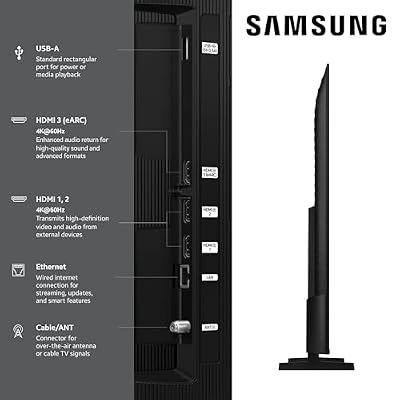
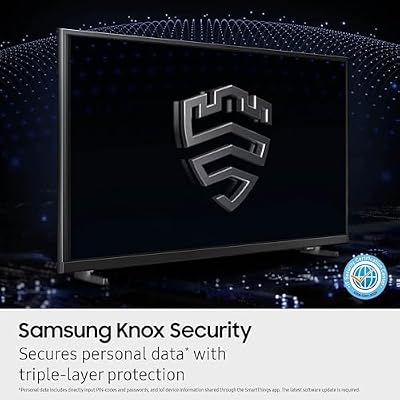
4. Samsung 85-Inch Class QLED 4K Q60D Series Quantum HDR Smart TV

Samsung 98-Inch Class QLED Q7F Series Samsung Vision AI Smart TV (2025 Model, 98Q7F) Quantum HDR, Object Tracking Sound Lite, Q4 AI Gen1 Processor, 4K upscaling, Gaming Hub w/Alexa Built-in




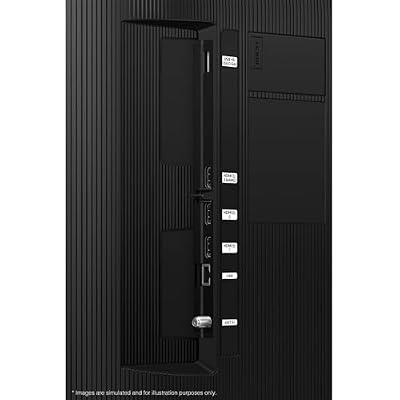

As an Amazon Associate we earn from qualifying purchases. Product prices and availability are accurate as of the date/time indicated.
The Samsung 85-Inch Q60D is the bright big-screen QLED pick. It pairs an 85-inch QLED panel with Quantum HDR and Object Tracking Sound, delivering punchy, saturated color and high brightness across a large screen, with Samsung’s Gaming Hub and game mode on board. At around $2,028 it is the premium option here and the choice for a bright room.
For esports the Q60D’s appeal is vivid, high-brightness visibility on a big QLED panel — useful in a sunlit living room where dimmer sets wash out. Samsung’s game mode reduces input lag for responsive competitive play, the Gaming Hub centralises cloud and console gaming, and Object Tracking Sound adds positional audio that helps you place opponents. It is QLED LED rather than OLED, so pixel response is not OLED-instant, but for a large, bright, color-rich competitive screen with a tuned game mode it is a capable, premium pick.
Pros: Bright 85-inch QLED, Quantum HDR color, Gaming Hub and game mode, Object Tracking Sound.
Cons: Highest price here; LED response not as fast as OLED for the fastest play.
5. Samsung 85-Inch Class 4K Crystal UHD DU8000 Series HDR Smart TV
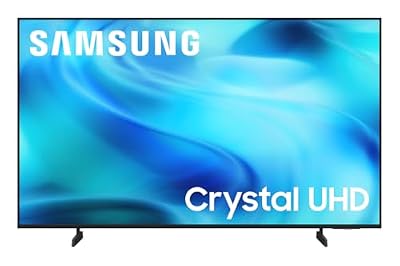
Samsung 55-Inch Class U8000H Series Crystal UHD, 4K, Smart TV, 2026 Model | Samsung Vision AI Companion, Crystal Processor 4K, Endless Free Content, Motion Xcelerator, Color Booster, 4K Upscaling


As an Amazon Associate we earn from qualifying purchases. Product prices and availability are accurate as of the date/time indicated.
The Samsung DU8000 Crystal UHD is the spacious living-room pick, available in three sizes with this 85-inch class model leading the way. It is a 4K Crystal UHD panel with HDR and Object Tracking Sound, backed by Samsung’s smart platform and game mode, offering a large, well-rounded screen for both competitive play and everyday viewing.
This is the TV to choose when you want a big, dependable family screen that still handles esports well. The 85-inch Crystal UHD panel gives you a large, clear picture, Samsung’s game mode keeps input lag down so competitive titles feel responsive, and Object Tracking Sound moves audio with the action for better situational awareness. It sits below the Q60D’s QLED brightness and OLED’s response, but as a spacious, value-conscious living-room TV with a capable game mode, the DU8000 covers competitive and casual use in one screen.
Pros: Large 85-inch Crystal UHD panel, HDR, game mode, Object Tracking Sound, multiple sizes.
Cons: Crystal UHD trails QLED brightness and OLED response; a mainstream tier.
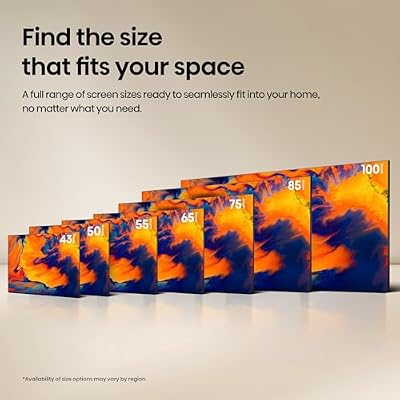
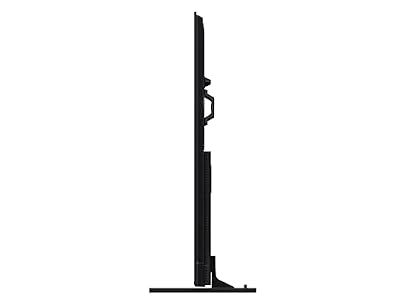
6. Hisense 100-Inch Class E6 Series QLED 4K UHD Smart Fire TV

Hisense 100" Class E6 Series QLED 4K UHD Smart Fire TV (100E6QF, 2025 Model) - QLED, Native 144Hz, Dolby Vision IQ · Atmos, Motion Rate 240, HDR 10+, Game Mode Pro, Voice Remote with Alexa










As an Amazon Associate we earn from qualifying purchases. Product prices and availability are accurate as of the date/time indicated.
Rounding out the list is the Hisense 100-Inch E6, the pick for sheer screen size. It is a colossal 100-inch QLED 4K panel running on the Fire TV platform, with QLED color and a game mode, priced at around $1,750. For players who want the most immersive, theater-scale competitive display on the list, nothing here matches its sheer presence.
This is the TV for a dedicated space where a 100-inch screen makes sense — a games room or large lounge where the action becomes truly enveloping. The huge QLED panel delivers bright, saturated color at scale, the Fire TV platform keeps apps and inputs simple, and the game mode keeps input lag down for competitive play. At this size you will sit further back, and it is an LED rather than OLED, so it is about scale and impact more than the absolute fastest pixel response — but for maximum-size esports immersion at a sane price, it is the standout.
Pros: Enormous 100-inch QLED panel, bright color at scale, Fire TV, game mode, big value for size.
Cons: Needs a large room and viewing distance; LED response trails OLED.
How to Choose a Gaming TV for Esports
For esports, input lag is the single most important spec, so start there. Input lag is the delay between pressing a button and seeing the result on screen, and in competitive play it has to be as low as possible. Every TV here has a dedicated game mode that strips out picture processing to minimise that delay — always enable it. An OLED like the LG C3 tends to feel the most immediate, but a well-tuned LED game mode, as on the Sony BRAVIA 3 and Samsung sets, is still plenty responsive for serious play. If a spec sheet does not talk about a low-lag game mode, treat the TV as a viewing screen, not a competitive one.
Refresh rate and variable refresh rate (VRR) come next. A higher refresh rate lets the panel draw more frames per second for smoother motion, and VRR syncs the TV to your source’s frame rate to eliminate tearing when it fluctuates. A high-refresh, VRR-capable TV like the C3 with HDMI 2.1 is ideal if your PC or console can push high frame rates in competitive titles. If your hardware caps out lower, a mainstream-refresh set with a good game mode, like the BRAVIA 3, still delivers a responsive experience.
Response time and motion clarity decide how clean fast action looks. Response time is how quickly a pixel changes color; slow response causes smearing and ghosting behind fast-moving objects, which is exactly what you do not want when tracking a target. OLED panels switch almost instantly and lead here, while good LED panels handle motion well in game mode but can show a little more blur in the fastest scenes. If pristine fast-motion clarity is your top priority, lean toward the OLED.
Finally, balance size and brightness against your room and budget. A bigger screen is more immersive but needs more viewing distance — a 100-inch Hisense suits a dedicated space, while 55 to 85 inches fits most living rooms. Brightness matters if you play in a sunlit room, where a bright QLED like the Q60D stays punchy. Set your budget, pick the size your room can take, prioritise a low-lag game mode and fast response, and choose the esports TV on this list that lands on your competitive priorities.
Frequently Asked Questions
What input lag is good for esports on a TV?
The lower the better — competitive players want the smallest possible delay between input and on-screen result. Every TV here includes a dedicated game mode that cuts picture processing to minimise input lag, and you should always enable it for competitive play. OLED panels like the LG C3 feel especially immediate, but a well-tuned LED game mode is still highly responsive for serious esports.
Is OLED or LED better for competitive gaming?
OLED, like the LG C3, has the edge for competitive response: each pixel switches almost instantly, so fast motion stays crisp with minimal smearing. LED TVs such as the Sony BRAVIA 3 and Samsung QLED models are still very capable in game mode and offer more screen size per dollar. If pristine fast-motion clarity is your top priority, choose OLED; if size and value lead, a good LED works well.
Do I need a high refresh rate and VRR for esports?
They help if your hardware can use them. A high refresh rate lets the TV draw more frames per second for smoother motion, and VRR syncs the panel to your frame rate to stop tearing. A high-refresh, VRR-capable set like the LG C3 shines if your PC or console pushes high frame rates; if not, a mainstream set with a strong game mode still feels responsive.
What size TV is best for competitive play?
It depends on your room and how far you sit. Larger screens like the 85-inch Sony and Samsung models or the 100-inch Hisense are immersive but need more viewing distance to take in the whole picture at a glance. For most living rooms, 55 to 85 inches balances immersion and readability well — pick the size that lets you see the full screen comfortably from your seat.
Related Guides
- Best Gaming Monitors
- Best Gaming TVs
- Best 4K Monitors
- Best Gaming PCs
- Best Mechanical Keyboards
- Best Wireless Gaming Mouse
Affiliate Disclosure: As an Amazon Associate, we earn from qualifying purchases. If you click a link and make a purchase, we may earn a small commission at no extra cost to you. Prices and availability are accurate as of publication and may change.