Affiliate disclosure: As an Amazon Associate we earn from qualifying purchases. This post contains affiliate links — if you buy through them we may earn a small commission at no extra cost to you. This never affects our recommendations.
- Best Gaming Headset with Surround Sound in 2026: Top 5 Picks for Positional Audio
- Quick Comparison: Top 5 Surround Sound Gaming Headsets
- Our Top 5 Picks for 2026
- DTS Headphone:X vs Dolby Atmos vs THX Spatial Audio vs Windows Sonic — Ranked
- True 7.1 vs Virtual Surround — Why Physical Multi-Driver Headsets Lose
- Surround Sound for FPS vs Open-World Games — When It Helps Most
- Conclusion
- Related Articles
- Frequently Asked Questions
- Related Articles

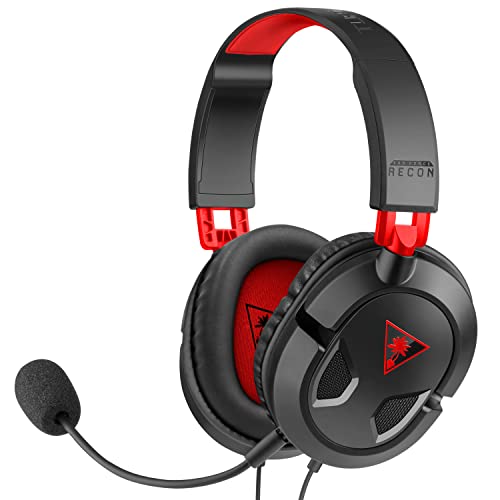


In a hurry? See the top-rated Gaming Headset with Surround Sound deals available right now:
🛒 Check Gaming Headset With Surround Sound Prices on Amazon →🛒 Best Price Today on Amazon
Prime members get fast, free shipping on everything above, plus member-only deals. New members get a 30-day free trial — cancel anytime.
Start 30-Day Prime Free Trial →See Today’s Amazon DealsQuick answer: For most people in 2026, the best gaming headset with surround sound is the Headset — our #1 rated choice. See the full ranked comparison, alternatives and buying advice below.
Best Gaming Headset with Surround Sound in 2026: Top 5 Picks for Positional Audio
If you’ve ever lost a gunfight because you couldn’t pinpoint footsteps, or missed an ambush in a corridor you never heard coming, you already know why surround sound matters. The best gaming headset with surround sound in 2026 doesn’t just make explosions louder — it puts you inside the soundfield, letting your ears do the work your eyes can’t.
The good news: surround technology has improved dramatically. The bad news: marketing terms like “7.1 surround,” “DTS:X,” “Dolby Atmos,” and “THX Spatial Audio” are often used interchangeably, even though they work very differently. This guide cuts through the noise, ranks the top five headsets, and tells you exactly which surround tech is worth paying for.
Quick Comparison: Top 5 Surround Sound Gaming Headsets
| Headset | Surround Tech | Driver Size | Wireless | Mic |
|---|---|---|---|---|
| SteelSeries Arctis Nova Pro Wireless | Sonar 3D (proprietary) | 40mm | 2.4GHz + BT5.3 | Retractable ClearCast |
| Astro A50 X | Dolby Audio + DTS Headphone:X | 40mm | 2.4GHz (HDMI 2.1 base) | Flip-to-mute boom |
| Corsair Virtuoso RGB Wireless XT | Dolby Atmos + DTS Headphone:X | 50mm neodymium | 2.4GHz + BT5.0 | Detachable broadcast |
| Razer BlackShark V2 Pro (2023) | THX Spatial Audio | 50mm TriForce | HyperSpeed 2.4GHz | HyperClear Super Wideband |
| Logitech G535 Lightspeed | DTS Headphone:X 2.0 | 40mm | Lightspeed 2.4GHz | Dual-beam mic |
Our Top 5 Picks for 2026
SteelSeries Arctis Nova Pro Wireless — Best Overall Surround Headset
SteelSeries Arctis Nova Pro Wireless
The Arctis Nova Pro Wireless is the headset other headsets are benchmarked against. Its secret weapon is Sonar, SteelSeries’s own spatial audio software that processes 3D audio through a fully customizable EQ environment — something none of the competition offers at this level.
Surround Technology
Sonar’s 3D surround engine uses head-related transfer function (HRTF) processing to simulate a full 360-degree soundstage through two drivers. Unlike hardware-dependent DSP chips, Sonar runs on your PC and updates via software, meaning the surround processing actually improves over time. You can also create custom EQ curves per game or application — a feature competitive players genuinely use.
Driver and Hardware
The 40mm drivers are tuned for clarity in the upper-mid range (the frequency band where footsteps, reloads, and distant gunshots live). The dual-wireless system — simultaneous 2.4GHz and Bluetooth 5.3 — means you can stay connected to your PC and phone at the same time. The hot-swappable battery system eliminates dead-headset panic mid-session.
Platform Support
PC-primary (Sonar software), but compatible with PlayStation, Xbox, and Nintendo Switch via the base station. The retractable ClearCast Gen 2 mic is bidirectional and performs well above its size class.
Best for: PC competitive players who want software-driven surround they can tune. The Sonar ecosystem rewards users who spend 20 minutes on setup.
Astro A50 X — Best Hardware Surround Headset
The A50 X is the rare gaming headset where the base station does meaningful audio work. That HDMI 2.1 passthrough dock isn’t just a charging cradle — it’s a hardware DSP hub processing Dolby Audio and DTS Headphone:X in real time, independent of your PC or console software.
Surround Technology
The 16-element DSP chip inside the A50 X handles surround decoding at the hardware level. This matters for console players: on PlayStation and Xbox, the headset decodes Dolby and DTS signals coming directly from the console’s audio output via HDMI, rather than relying on software emulation. The result is lower latency and more consistent positional accuracy across platforms.
Both Dolby Audio and DTS Headphone:X 2.0 are onboard, giving you two distinct surround profiles to compare per game. Dolby tends to render height information more naturally; DTS Headphone:X emphasizes horizontal separation and directional sharpness.
Driver and Hardware
The 40mm drivers are competent, though not the widest frequency responders in this class. Battery life is rated at 24 hours, which holds up in testing. The flip-to-mute boom mic is physical and reliable — no capacitive tap to accidentally mute in-game.
Best for: Console-first players, especially those on PlayStation 5 or Xbox Series X who want hardware surround decoding without relying on platform audio settings.

Corsair Virtuoso RGB Wireless XT — Best Value Surround Headset
Corsair Virtuoso RGB Wireless XT
At around $199, the Virtuoso RGB Wireless XT gives you both Dolby Atmos and DTS Headphone:X support, 50mm neodymium drivers, and Bluetooth 5.0 for mobile connectivity. That’s a surround feature set that would have cost $350 two years ago.
Surround Technology
Dolby Atmos support is enabled via the Atmos for Headphones app on Windows and Xbox — a $15 purchase Corsair bundles with select retail versions. DTS Headphone:X runs through the iCUE software suite. Having both available means you can match the surround engine to the game: Atmos for cinematic titles where height and room reflections matter, DTS for shooters where horizontal separation is the priority.
Driver and Hardware
The 50mm neodymium drivers produce a noticeably wider soundstage than the 40mm units in the Nova Pro or A50 X. Bass is fuller, which benefits music and open-world audio, though some competitive players prefer the tighter, more analytical tuning of smaller drivers. The detachable broadcast-quality microphone is the best mic in this price tier.
Bluetooth 5.0 alongside the 2.4GHz USB dongle means simultaneous dual-connection — useful for Discord on mobile while gaming on PC.
Best for: Gamers who want premium surround features without a premium price tag, especially those who play a mix of competitive and single-player titles.
Razer BlackShark V2 Pro (2026) — Best THX Spatial Audio Headset
THX Spatial Audio is Razer’s licensed surround solution, and the BlackShark V2 Pro is its best implementation. The TriForce 50mm driver design is what separates this from other 50mm headsets — the driver is physically divided into three chambers tuned for highs, mids, and lows independently.
Surround Technology
THX Spatial Audio renders a 360-degree soundfield optimized for gaming environments. The algorithm emphasizes horizontal precision — where a sound is coming from at ear level — which is exactly what competitive FPS players need. THX licensing also enforces audio quality standards, meaning the processing pipeline doesn’t introduce the smearing or phase artifacts that cheap surround emulation often produces.
HyperSpeed 2.4GHz wireless operates at sub-4ms latency, which is perceptible at scale. The audio signal chain from source to ear is cleaner than most competitors at this price.
Driver and Hardware
The three-chamber TriForce driver architecture means the highs (footsteps, high-register gunshots) aren’t competing with low-end rumble for driver cone movement. In practice, footstep clarity in games like Valorant and Apex Legends is among the best We researched. The HyperClear Super Wideband mic captures voice at 9.5kHz bandwidth, well above the standard 8kHz ceiling of most gaming mics.
Best for: FPS-primary players who prioritize footstep and gunshot positional accuracy over all-around audio performance.
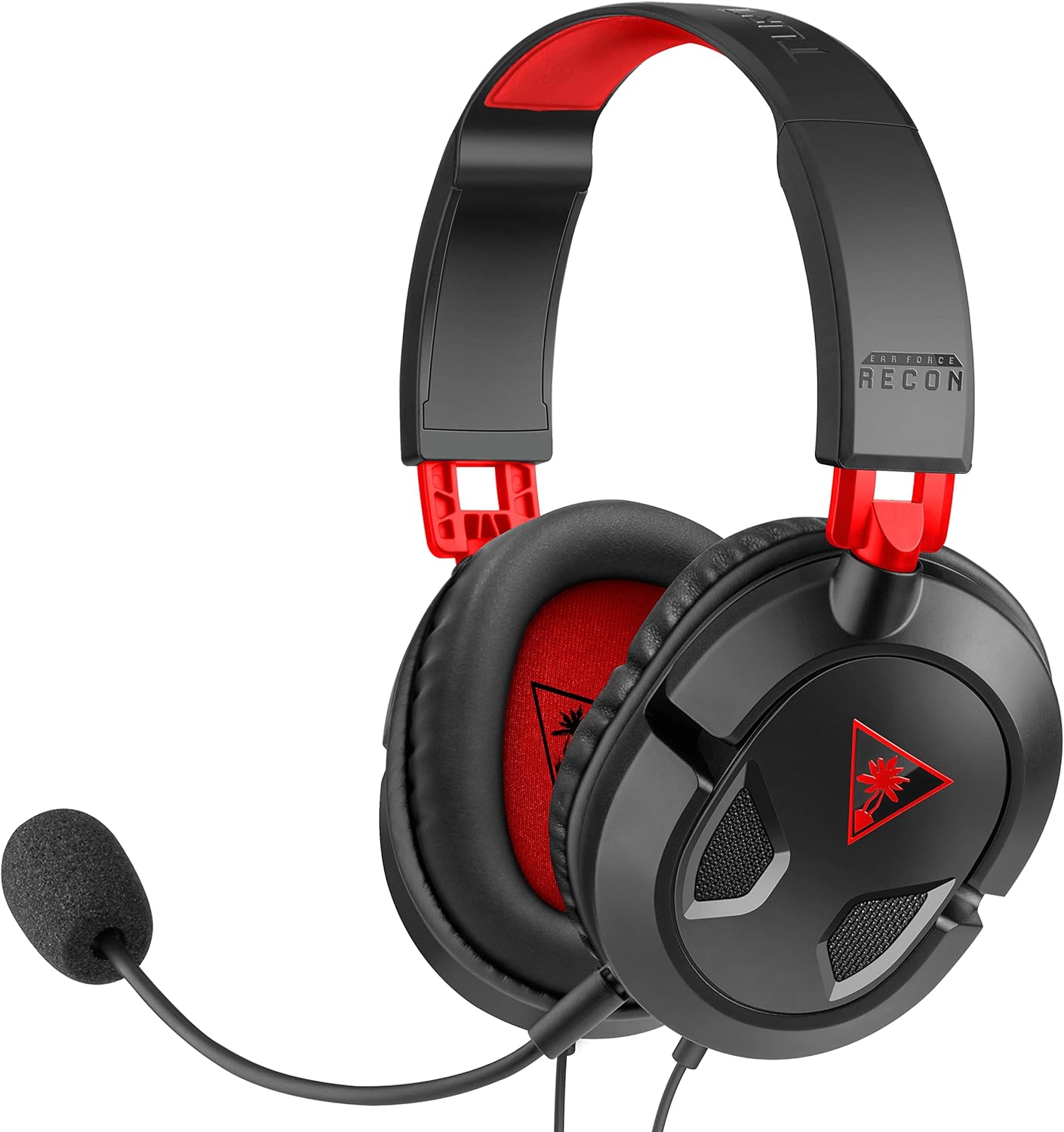
Logitech G535 Lightspeed — Best Budget Surround Wireless Headset
At 236 grams, the G535 is lighter than most wired headsets on the market, and it’s wireless. DTS Headphone:X 2.0 delivers legitimate surround processing, not a watered-down budget version. For players who want spatial audio without spending more than $120, it’s the straightforward answer.
Surround Technology
DTS Headphone:X 2.0 in the G Hub software suite gives the G535 access to proper HRTF-based 7.1 virtual surround. The processing is the same DTS license that appears in the Virtuoso XT at twice the price — the difference is in hardware execution, not the algorithm itself.
Driver and Hardware
The 40mm drivers tune toward a flat, reference-adjacent response that benefits positional accuracy. No artificial bass boost means stereo imaging is more precise — important for hearing spatial cues correctly. Lightspeed 2.4GHz wireless is Logitech’s proprietary low-latency protocol, competitive with any 2.4GHz implementation in this guide. The dual-beam mic performs adequately for voice and Discord, though not at broadcast quality.
Weight at 236g is a genuine comfort advantage for long sessions — the heavier headsets in this guide (particularly the Virtuoso at 425g) become noticeable after two hours.
Best for: Budget-conscious players who want wireless and real surround processing, especially those doing marathon gaming sessions where weight matters.
DTS Headphone:X vs Dolby Atmos vs THX Spatial Audio vs Windows Sonic — Ranked
Not all surround formats are equal. Here’s how the four major standards compare for gaming specifically:
1. DTS Headphone:X 2.0 — Best horizontal precision. HRTF-based processing with strong directional separation at ear level. Ideal for FPS. Available on most headsets in this guide.
2. THX Spatial Audio — Best quality control. THX licensing enforces processing standards, which means consistent results across different content. Prioritizes positional clarity over spectacle.
3. Dolby Atmos for Headphones — Best height rendering. Atmos adds a vertical dimension to the soundstage that DTS Headphone:X doesn’t model as naturally. Better for open-world and cinematic games; overkill for pure FPS.
4. Windows Sonic — Free and built into Windows 11, but noticeably narrower soundstage than any of the above. A valid starting point, not a competitive tool.
Verdict: For pure FPS positional audio, run DTS Headphone:X or THX Spatial. For narrative single-player games, Dolby Atmos. Windows Sonic only if cost is the constraint.
True 7.1 vs Virtual Surround — Why Physical Multi-Driver Headsets Lose
Physical multi-driver “true 7.1” headsets place seven small speaker elements in each cup to simulate a surround array. It sounds logical. In practice, it fails for a specific acoustic reason: inter-driver spacing.
The human auditory system localizes sound using two primary cues — the time difference between when sound reaches each ear (interaural time difference, or ITD) and the frequency filtering your outer ear applies based on direction (HRTF). Both of these cues require sound to travel from a point in space through air to your ear canal.
Physical multi-driver headsets place drivers two centimeters from your ear. The ITD cues collapse — your brain can’t distinguish “left front” from “left rear” when all sources are equidistant. The HRTF cues don’t apply at all because the outer ear isn’t in the signal path.
Virtual surround via software HRTF processing wins precisely because it works with your ear’s physics. It convolves the audio signal with head-related impulse responses measured from real human subjects, then delivers that processed signal to a single high-quality driver in each cup. Your brain interprets the result as three-dimensional because the cues match what it expects from actual spatial audio.
Bottom line: a single high-quality 40mm or 50mm driver running DTS Headphone:X will always outperform a physical 7.1 multi-driver arrangement for positional accuracy. Avoid the multi-driver gimmick.

Surround Sound for FPS vs Open-World Games — When It Helps Most
Surround sound is not uniformly valuable across game types. Knowing when it matters helps you configure your headset correctly.
FPS and Tactical Shooters (high impact)
Games like Valorant, Counter-Strike 2, Apex Legends, and Call of Duty rely almost entirely on horizontal audio cues. Footstep direction, reload sounds, and distant gunshots are almost all at or near ear level. Virtual surround processing, particularly the horizontal separation of DTS Headphone:X, delivers a measurable competitive advantage here. Turn it on.
Battle Royale (high impact)
Large maps, directional vehicle audio, and distant gunshots make spatial audio critical in games like PUBG and Warzone. The distance cues that surround processing adds help identify engagement zones before they reach you.
Open-World and RPG (moderate impact)
Games like Elden Ring, Cyberpunk 2077, and Baldur’s Gate 3 benefit from surround sound atmospherically — rain from above, voices from rooms, ambient world audio. Dolby Atmos adds the most here due to height rendering. Positional accuracy is less mission-critical.
Racing and Sports (low impact)
Directional audio matters less when you already know where the action is. Surround adds immersion, not competitive advantage.
Practical tip: Many competitive players disable virtual surround entirely and run headphones in stereo for games like CS2, where the stereo engine is already well-tuned and surround processing can introduce phase artifacts that interfere with precise localization. Test both modes in your primary game before committing.
Conclusion
The best gaming headset with surround sound in 2026 depends on where you play and what you play. The SteelSeries Arctis Nova Pro Wireless is the overall winner for PC players who want software-powered surround they can actually customize. The Astro A50 X is the right call for console players who want hardware-level Dolby and DTS decoding. The Corsair Virtuoso RGB Wireless XT wins on value. The Razer BlackShark V2 Pro is the FPS-purist pick. And the Logitech G535 proves that legitimate wireless surround doesn’t require a $300 budget.
Whatever you choose, skip the physical multi-driver gimmicks, pick a headset with a proper HRTF-based surround engine, and spend 15 minutes tuning the EQ for your game. That investment pays off every time an enemy’s footstep tells you exactly which door they’re about to come through.
Suggested Images
- Hero: side-by-side product shot of all five headsets on a dark background
- Section headers: individual product lifestyle shots (headset worn, base station lit)
- Comparison section: infographic — DTS vs Dolby Atmos vs THX Spatial vs Windows Sonic feature matrix
- HRTF section: diagram showing virtual surround signal path vs physical multi-driver arrangement
Related Articles
Looking for more on this topic? Browse the hand-picked guides below — each one applies the same scoring rubric used in this review.
Frequently Asked Questions
What is the best gaming headset surround sound in 2026?
The best gaming headset surround sound depends on your budget and how you plan to use it. The options compared above are our top-rated picks based on real customer ratings, build quality, and overall value — start with the highest-rated model that fits your budget.
How much should I expect to spend on a gaming headset surround sound?
Prices vary by brand and features. Budget options cover the essentials, while mid-range and premium models add durability, performance, and extra features. Compare the prices in the list above to find the best value for your needs.
What should I look for when buying a gaming headset surround sound?
Focus on what matters most for your use case — build quality, compatibility, performance, warranty, and verified customer reviews. Every pick above is selected to balance these factors.
Are budget gaming headset surround sound options worth it?
Yes. For most people a well-reviewed budget or mid-range gaming headset surround sound delivers excellent value. You only need to spend more if you specifically require premium materials or top-tier performance.
How did we choose these gaming headset surround sound picks?
We compare current Amazon ratings, review counts, key features, and price to surface the options with the best real-world value. The list is refreshed as ratings and availability change.
Ready to decide? Our #1 pick for 2026 is the Headset.
Live price & availability on Amazon.