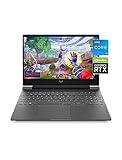
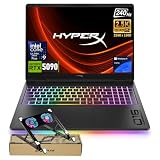
- Top Pick: ASUS Vivobook 14" FHD Business Laptop Computer, Intel Core 5 120U (10-core) Processor, 16GB RAM 1TB SSD, Windows 11 Pro, AI Copilot, Camera Privacy Shutter, PLUSERA 8-in-1 Hub Included, Quiet Blue
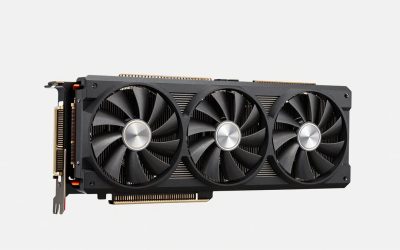
- Best Value: ASUS ROG Strix G16 (2025) Gaming Laptop, 16” FHD+ 16:10 165Hz/3ms, NVIDIA® GeForce RTX™ 5060, Intel® Core™ i7 Processor 14650HX, 16GB DDR5, 1TB Gen 4 SSD, Wi-Fi 7, Windows 11 Home, G615JMR-AS74
- Premium Choice: ASUS Vivobook Go 15.6” FHD Slim Laptop, AMD Ryzen 3 7320U Quad Core Processor, 8GB DDR5 RAM, 256GB SSD, Windows 11 Home, Fast Charging, Webcam Shield, Military Grade Durability, Black, E1504FA-AB34
Hunting for an Asus laptop deal usually means wading through a confusing spread of models that share the same brand badge but almost nothing else under the hood. The lineup runs from featherweight Vivobook ultraportables meant for spreadsheets and browser tabs all the way to RTX-powered ROG gaming machines that can chew through modern titles at high refresh rates. Getting a genuine bargain depends less on the sticker discount and more on matching the right silicon to how you actually work and play.
In this guide we cut through the noise across Asus’s current catalog, from the budget-friendly Vivobook Go to the creator-focused Vivobook S16 OLED and the enthusiast ROG Strix G16. The goal is simple: help you spot which “deal” is truly worth your money and which is just a familiar name on a mediocre spec sheet.
As an Amazon Associate we earn from qualifying purchases at no extra cost to you.





🎮 Get More From Your Setup — Free
Prime Gaming gives you free PC games every month, in-game loot, and a free Twitch channel sub — plus fast free shipping on all the gear above. New members get a 30-day free trial.
Watch: Asus Laptop Deal: Review & Buyer’s Guide — Video Review
Design & Build
Asus builds to a price, and that shows in the materials as you climb the range. The Vivobook Go 15 and the 14-inch business Vivobook lean on textured plastic shells, yet both carry military-grade durability testing and thoughtful touches like a webcam privacy shutter, so they feel sturdier than their weight suggests. Step up to the Vivobook S16 AI PC and you get a slimmer aluminum-clad chassis with an RGB backlit keyboard, while the ROG Strix G16 adopts an aggressive gamer aesthetic with proper cooling vents and a 16:10 panel that gives you extra vertical room for menus and code.
Performance
This is where the deals diverge sharply. The Ryzen 3 Vivobook Go is a capable everyday machine for email, documents, and streaming, but it is not built for heavy lifting. The Intel Core 5 business Vivobook with 16GB of RAM and a 1TB SSD hits a genuine sweet spot for multitaskers, and the bundled 8-in-1 hub adds real value. Creators should look at the Vivobook S16 with its Core Ultra 9 285H, 32GB of memory, and a gorgeous 2.8K OLED panel. Gamers and anyone needing raw GPU muscle will want the ROG Strix G16 with its RTX 5060 and Core i7-14650HX, or the more affordable TUF Gaming F16 with an RTX 5050 that still handles 1080p gaming comfortably.
Pros & Cons
- Wide range: A genuine model for nearly every budget and use case.
- Strong value picks: The business Vivobook and TUF F16 punch above their price.
- Premium displays: OLED and high-refresh 16:10 panels on the upper tiers.
- Useful extras: Privacy shutters, hubs, and fast charging included on several models.
- Confusing naming: Similar model names hide very different internals.
- Budget compromises: Lower tiers use plastic builds and modest RAM.
- Battery varies: Gaming models trade runtime for performance.
Alternatives to Consider
If Asus’s lineup does not click for you, the Acer Aspire Go 15 covers the same budget-productivity ground, and Lenovo’s IdeaPad and Legion families offer comparable value in the mainstream and gaming brackets respectively. For creators fixated on color accuracy, an OLED-equipped Lenovo Yoga is worth cross-shopping against the Vivobook S16. Still, Asus’s breadth makes it hard to beat when a specific discount lands on the exact configuration you need.
Frequently Asked Questions
Which Asus laptop is best for everyday use?
The Intel Core 5 business Vivobook with 16GB RAM and a 1TB SSD is the smartest all-rounder, offering smooth multitasking and plenty of storage without gaming-tier pricing.
Can I game on a Vivobook?
Light and older titles run fine, but for modern games at high settings you want the ROG Strix G16 or TUF Gaming F16, both of which include dedicated RTX graphics.
Is the OLED display worth paying extra for?
If you edit photos or video, absolutely. The Vivobook S16’s 2.8K OLED delivers deep blacks and vibrant color that a standard IPS panel simply cannot match.
How much RAM do I really need?
8GB works for basic browsing, but 16GB is the practical minimum for comfortable multitasking, and creators will appreciate the 32GB found in the S16 configuration.
Verdict
The best Asus laptop deal is the one that matches your workload rather than the biggest percentage off. For most buyers, the Core 5 business Vivobook is the value champion, creators should stretch to the Vivobook S16 OLED, and gamers get the most future-proof pick in the ROG Strix G16. Buy the spec you need, not just the badge, and the savings take care of themselves.