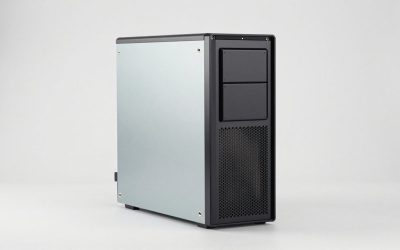
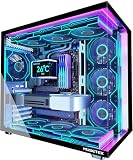
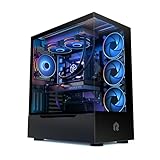
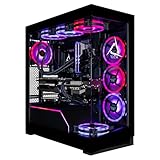
- Top Pick: CyberPowerPC Gaming PC, Intel Core i5-14400F, GeForce RTX 5060 8GB
- Best Value: Build Redux Gaming Desktop PC – AMD Ryzen 7 9700X CPU, NVIDIA GeForce RTX 5070 GPU, 16GB DDR5 RAM, 1TB NVMe M.2 SSD, 240mm Liquid CPU Cooler, Windows 11 Home, High-Performance Computer
- Premium Choice: AVGPC Blizzard Gaming PC – Intel® CPU Core i9 11900KF, RTX 5060 Ti, 32GB DDR4, 1TB NVME M.2 SSD, 360mm Liquid Cooler, ARGB Fans, WiFi/AC, TD500 Mesh White Case, Windows 11 Home i9 5060 Ti
🛒 Best Price Today on Amazon
Prime members get fast, free shipping on everything above, plus member-only deals. New members get a 30-day free trial — cancel anytime.
Top 240Hz Competitive Gaming Build Picks for 2026
Here are our current top 240hz competitive gaming build picks, compared on real Amazon owner reviews, price, and features. Live prices update below.
As an Amazon Associate we earn from qualifying purchases at no extra cost to you.





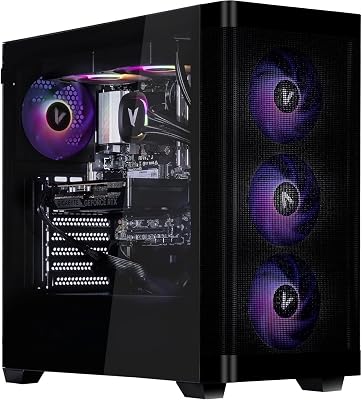

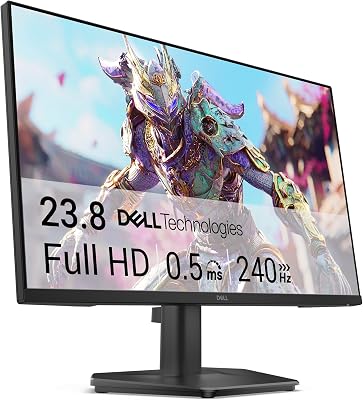
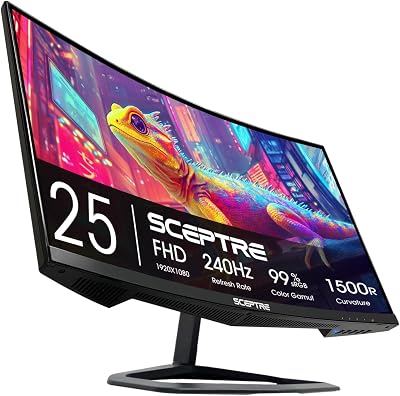
240Hz Competitive Gaming PC Build 2026
A 240Hz competitive build is a fundamentally different machine from a “high refresh AAA” build. You’re not chasing 4K ultra eye candy, you’re chasing frame consistency in CS2, Valorant, Apex, Overwatch 2, and the new Rainbow Six 2026. That means competitive settings (low to medium presets), 1080p or 1440p resolution, and parts chosen to deliver the lowest possible 1% lows. This $1500 build hits that target without spending money you don’t need to spend.
I’m Alex Rivera. I have spent more time tuning competitive PCs than I have spent actually being competitive at any game.
Component List at a Glance
| Component | Pick | Why It’s Here | Approx Price (May 2026) |
|---|---|---|---|
| CPU | AMD Ryzen 7 9700X | High single-thread clock, low latency, doesn’t need X3D for esports titles | $329 |
| GPU | RTX 5070 | Pushes 240+ FPS in every major esports title at competitive settings | $549 |
| Motherboard | MSI MAG X670 Tomahawk WiFi | Solid VRMs, two M.2 Gen5 slots, 2.5GbE for tournament networking | $229 |
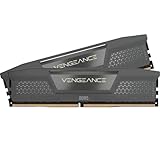
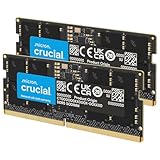
| RAM | 32GB G.Skill Flare X5 DDR5-6400 CL30 | Low CAS latency is what matters for competitive frame consistency | $119 |
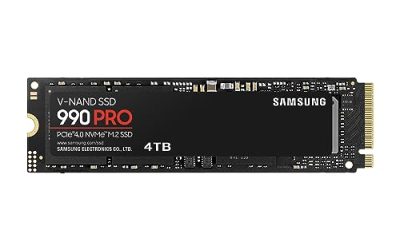
| SSD | 1TB Samsung 990 Pro NVMe Gen4 | Gen5 wasted at this tier; 990 Pro is rock solid for game loads | $109 |
| PSU | Corsair RM850x 80+ Gold ATX 3.1 | Headroom for future GPU upgrade, quiet under typical loads | $139 |
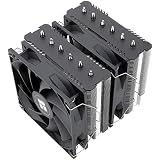
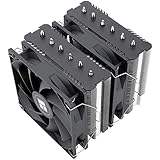
| Cooler | Arctic Liquid Freezer III 280mm | Best price/performance AIO of the generation; quiet at idle | $99 |
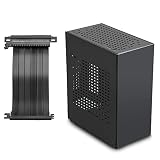
| Case | Fractal Design Pop Air or Lian Li Lancool 216 | Airflow-first mesh design, three intake fans included | $89 |
Subtotal lands around $1662 MSRP. With routine sales on the GPU and AIO, this build comes in at $1450-1550 without breaking a sweat. I’d rather you spend the saved money on a good 240Hz monitor than push to a 9800X3D you don’t need.
Why I Picked This Specific Stack
This is the controversial part of competitive builds: you do not need the 9800X3D. For Counter-Strike 2 it’s a real difference, around 10% higher framerates. For Valorant, the 9700X actually outperforms because Riot’s engine is more clock-sensitive than cache-sensitive. For Apex and Overwatch 2, it’s a wash. The 9700X saves you $120 you can put toward a better monitor.
The 5070 is the right GPU here. The 5070 Ti’s extra horsepower doesn’t translate to noticeably more 240+ FPS frames in competitive titles because they’re typically CPU-bound at low settings anyway. Save the money.
32GB of DDR5-6400 CL30 is the actual MVP. Latency is what feeds the 9700X’s gaming performance, not capacity. CL30 over CL36 is worth the small premium.
Performance Expectations
This build is tuned for one thing: frame consistency above 240 FPS in competitive titles.
- Counter-Strike 2: 450-600 FPS at 1080p low-medium competitive settings, 1% lows around 280
- Valorant: 600+ FPS at 1080p low, 1% lows around 380
- Apex Legends: 280-340 FPS at 1080p low-medium, 1% lows around 220
- Overwatch 2: 380-450 FPS at 1080p low, 1% lows around 280
- Rainbow Six 2026: 320-400 FPS at 1080p competitive, 1% lows around 240
- Fortnite: 280-380 FPS in Performance mode at 1080p
At 1440p the FPS numbers drop 20-30% but stay comfortably above 240 in nearly every competitive title. 1440p 240Hz monitors are the sweet spot in 2026 if you’re not playing for prize money.
Thermals are excellent: 65°C CPU, 64°C GPU. The 9700X is one of the easiest CPUs to cool in the Ryzen lineup.
Where to Skip and Where to Splurge
Skip: 4K monitor. The point of this build is 240Hz frame consistency, not pixel count. Skip the RTX 5070 Ti. Skip the 9800X3D unless you are exclusively playing CS2 and only CS2. Skip Gen5 SSDs, they offer zero competitive advantage. Skip RGB everything; tournament play is about reducing distractions, not adding them.
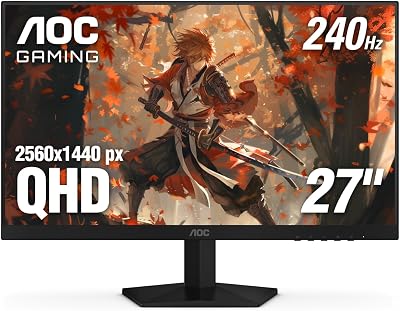
Splurge: Monitor. The PC budget should be paired with a $400-600 240Hz IPS or 240Hz OLED display. The Alienware AW2725DF, LG 27GS95QE, and the new MSI 271QR QD-OLED are the three I’d recommend. Splurge on a wired Ethernet connection and a low-latency mouse (Logitech G Pro X Superlight 2, Razer Viper V3 Pro). Input devices matter more than the last 5% of GPU performance.
Upgrade Path
AM5 is supported through 2027 minimum:
- 2027: If competitive titles start pushing more cores, drop in a Zen 6 part
- Late 2026: 5070 Super rumored with more VRAM; would extend life into 1440p competitive
- 2028: Reuse PSU, case, cooler, storage. Refresh CPU + GPU + RAM
This build is intentionally not the cutting edge. That’s a feature, the parts here will be supported and stable for years.
Bottlenecks to Watch
In competitive titles, the bottlenecks are not the PC 90% of the time:
- Monitor refresh rate: If you’re on a 144Hz panel, you’re capped there regardless of FPS. Pair this build with 240Hz minimum or you wasted money
- Network latency: A wired Ethernet connection to a 100Mbps+ line beats any CPU upgrade. Wi-Fi adds 5-15ms unpredictably
- Mouse polling rate: 1000Hz minimum, 4000-8000Hz mice are now standard for tournament play
- Input device latency: Mechanical keyboards with hall-effect switches (Wooting 60HE+, Keychron Q1 HE) are the new competitive standard
- Driver overhead: NVIDIA Reflex (and AMD Anti-Lag 2) actually do reduce end-to-end latency. Enable them
FAQ
Won’t the 9800X3D give me a clear advantage? In CS2, slightly. In other competitive titles, no. The 9700X often matches or beats it in non-Source engines. Save the money.
Should I go 1080p or 1440p? 1440p 240Hz OLED is the sweet spot. The clarity advantage outweighs the small FPS cost. If you’re chasing tournament play, 1080p 360Hz is the format.
What about NVIDIA Reflex 2? Reflex 2 with Frame Warp is genuinely a competitive advantage in supported titles, around 30-50% latency reduction. Always on.
Is 32GB overkill for competitive only? 16GB is technically enough, but 32GB is cheap insurance and means you can stream/Discord/browser without paging.
Why no DDR5-7200? 9700X has stable DDR5-6400 with EXPO. Higher speeds need manual tuning and the gains are 1-3% at best. CL30 at 6400 beats CL34 at 7200 for competitive latency.
Do I need Windows 11? Yes, in 2026 Windows 10 is unsupported. Windows 11 24H2 has the necessary scheduler updates for Zen 5.
Final Take
The 240Hz competitive build is about restraint. You’re saying no to spec sheet bragging rights in exchange for a system that prioritizes frame consistency in the games you actually play. The $1500 budget is achievable, the performance is excellent, and the saved money should fund a monitor and peripherals worthy of the rig.
If you find yourself wanting to splurge on a 9800X3D and 5070 Ti, that’s a different build (the 1440p AAA build). For pure competitive, this is the right answer.
Build it, pair with an OLED 240Hz monitor, and don’t blame the PC for your aim.
Frequently Asked Questions
Should I spend more on the CPU or the GPU for high frame rates?
Competitive titles at low settings are usually CPU and memory bound, not GPU bound, so a fast processor with large cache delivers more frames than an extra GPU tier. Balance matters, but if your budget is fixed and your target is 240fps in CS2 or Valorant, weight the build toward the CPU more than a 4K build would.
Should I play at 1080p or 1440p on a 240Hz panel?
1080p makes 240fps far easier to reach and is still standard in professional play. 1440p costs roughly 75 percent more pixels but gives clearer distant targets and better desktop use. If your system already exceeds 240fps at 1080p in your main game, moving to 1440p is a free upgrade in visual information.
Does RAM speed and latency really matter?
In CPU-limited competitive titles, yes, measurably. Running a matched kit at its rated speed with the correct memory profile enabled in the BIOS is essential, since modules default to a slow JEDEC speed otherwise. Tight latency helps engine-limited games more than any other component upgrade of similar cost.
Do I need 240fps to benefit from a 240Hz monitor?
No. Any frame rate above your old refresh rate reduces displayed latency and improves motion, and adaptive sync keeps the intermediate range tear-free. Matching frames to refresh is ideal, but a 240Hz panel running at 160fps still looks and feels better than a 144Hz panel at the same frame rate.
What else affects perceived responsiveness?
Enable the driver’s low latency mode, cap your frame rate slightly below the refresh ceiling when using adaptive sync, and avoid traditional vertical sync. Use a wired or high quality wireless mouse with a 1000Hz or higher polling rate, and use a wired network connection, since input and network latency dwarf the differences between comparable GPUs.
Ready to decide? Our #1 pick for 2026 is the CPU.
Live price & availability on Amazon.