To the Moon is Freebird Games’ story-driven adventure, first released in November 2011 and sold on Steam from September 2012, with Freebird Games and Serenity Forge named as publishers on the current store record. Two doctors from the Sigmund Corporation travel backwards through the memories of a dying patient, Johnny, rebuilding a life story around his wish to reach the moon. Play is exploration, dialogue and light puzzle work in a 2D presentation, and the themes are handled here in gameplay terms only.
The question this page answers is the usual one: what does the game’s own record say about Linux? This is one of the cleanest files in the series. The flag is true, the requirements field is written out, the depot table delivers a Linux build of the same weight as the Windows one, and every related app agrees.
As an Amazon Associate, we earn from qualifying purchases.
Quick answer
Yes. To the Moon ships a native Linux build: Steam flags Linux true, its Linux requirements field is genuinely populated, and SteamDB lists a dedicated Linux depot of about 116 MB beside the Windows one. The whole seven-app family flags Linux too. Valve rates it Playable on Steam Deck with a native runtime, and GOG sells a Linux edition.
What Steam’s own record shows
Start with the flags. Steam’s record for app 206440 reads windows true, mac true, linux true. The categories are exactly: Single-player, Steam Achievements, Full controller support, Steam Trading Cards, Steam Cloud and Family Sharing. The genres are Adventure, Indie and RPG. Two absences are gaps rather than promises: no DRM notice and no external account notice appear on the record.
The requirements fields back the flag. The Linux field is genuinely populated at the minimum tier: an operating system line asking for a major Linux distribution from 2010, and a graphics line asking for an OpenGL 2.0 capable card. No recommended tier is published, and the Mac field has the same minimum-only shape. The Windows tab lists period hardware of its own, a Pentium III class processor and 512 MB of memory.
SteamDB’s depot table settles the question the way it always does. The main content depots sit side by side at near-identical sizes: Windows at 116.48 MiB, a dedicated Linux depot named To the Moon Depot Linux at 115.81 MiB, and macOS at 120.29 MiB. A Linux depot carrying the full weight of the game is a delivered build, not paperwork. One field dissents: the extended operating system string names macOS only. Ruled against a true flag, a populated field and a sized depot, that string is packaging metadata, and the article follows the delivery layers.
The family check: eight flags, and the game earned its own
Long-running readers know the recurring failure mode in this series: a Windows-only game whose soundtrack app flags Linux, so store filters mislabel the game. The check still has to be run, because this family is large. The game’s record carries a DLC array of seven apps, and each was read individually: the To the Moon Soundtrack (music), the two free Sigmund Minisodes, the Paper Memories comics pack, the Platypus comic strips collection, the Illustrated Art Book and the Bestest Memories card game print-and-play file.
Every one of the seven flags windows, mac and linux all true, which makes the family tally eight of eight including the game itself. The soundtrack flagging Linux is normally the warning sign; here it proves nothing in either direction, because the game’s own flag is independently backed by a written requirements field and a full-size Linux depot. The depot table even shows Linux depots for the two minisodes. Finding Paradise and Impostor Factory are separate games with their own records and were not read for this page.
Anti-cheat: three sources, all negative
Anti-cheat is a three-source negative. Steam’s record names none, expected for a single-player-only game. SteamDB’s detected technologies are the RPGMaker and Unity engines plus audio and networking libraries: plumbing, not an anti-cheat product. The Are We Anti-Cheat Yet dataset, all 1,167 games of it, carries no entry for this title.
ProtonDB: the feed would not answer
One layer could not be read this session. ProtonDB’s summary feed for this app returned a page-not-found response on repeated attempts, and the game page fetch timed out, so this article claims no tier, no report count and no confidence figure for the game, and makes no claim about any classification header on that page. For a native title the gap matters less than usual: that file would only describe the Windows build under Proton, a fallback route a Linux player does not need. The native record above is complete without it.
Steam Deck: Playable, on the native runtime
Valve’s compatibility record for this app was read through SteamDB’s republication of Valve’s compatibility data. The verdict is Playable on Steam Deck, with SteamOS separately rated Compatible. The passing items: all functionality is accessible with the default controller configuration, interface text is legible, and the default graphics configuration performs well. The single deduction is that the game sometimes shows mouse, keyboard or non-Deck controller icons. Two notes ride along: no cross-platform saved games, and external controllers do not default to the primary-player slot, so a paired pad may need a manual switch through the Quick Access Menu.
The dated paperwork is a test from 7 November 2025 naming the native runtime, so the rating as tested describes the Linux build itself rather than a Proton run. One honesty point: the test names an older build than the one the public branch serves today, so the paperwork predates the current download while the live category still reads Playable.
The GOG edition: it exists, and it lists Linux
GOG sells this game, and the ruling rests on GOG’s own live product page rather than its search results. The page’s identity checks out: it carries the same Freebird Games story of the two memory doctors, and its works-on line names Windows, Linux and Mac OS X. The GOG edition is a second route to the same native build, in an offline-installer wrapper without Valve’s Deck paperwork behind it.
Gear for a short, quiet game
The record lists full controller support and the game asks almost nothing of hardware, so the gear below is about comfort rather than power.
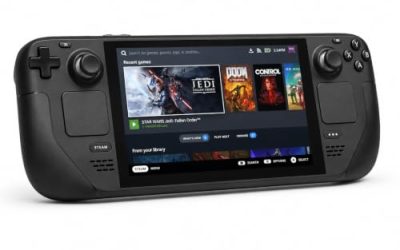
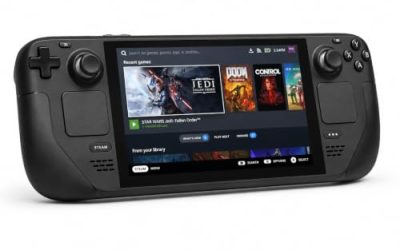
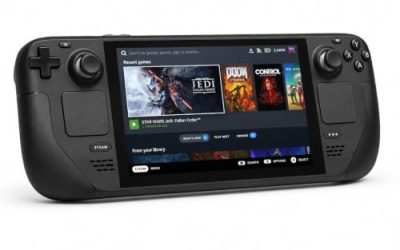
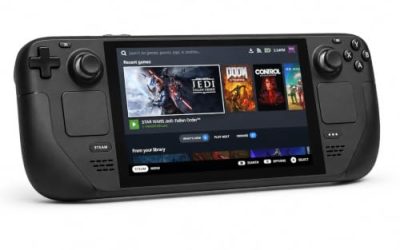
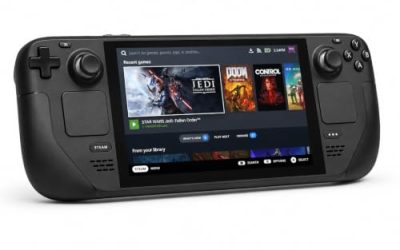
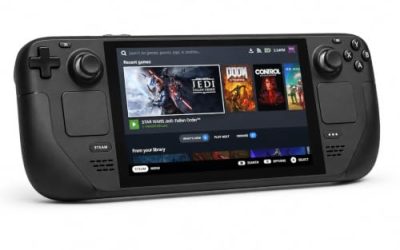
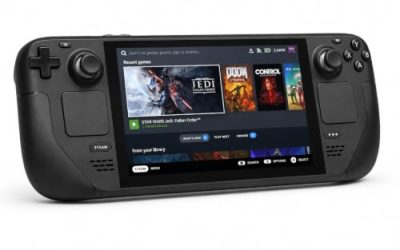
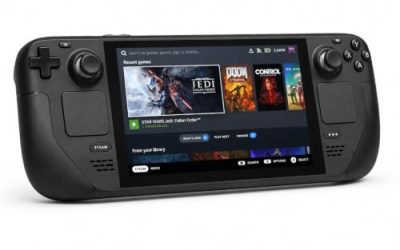
Valve Steam Deck OLED 512GB

The handheld Valve’s Playable sheet was written for. The game’s published requirements are a rounding error next to the Deck’s APU, and the test sheet confirms the native build runs on the device with legible text and a working default controller configuration.
Specs
- Display: 7.4-inch HDR OLED, 1280 by 800, up to 90 Hz
- Processor: AMD Zen 2 and RDNA 2 custom APU
- Memory: 16 GB LPDDR5
- Storage: 512 GB NVMe, plus a microSD slot
- Wireless: Wi-Fi 6E and Bluetooth
- Channel note: Valve sells the Deck mainly through its own store, so Amazon listings are third-party sellers
8BitDo Ultimate 2 Bluetooth Controller

The docked and desktop pad pick. Steam lists full controller support for the game, and this pad covers the couch case with modern sticks and triggers plus back buttons for menu shortcuts.
Specs
- Connectivity: Bluetooth wireless and USB-C wired
- Joysticks: TMR electromagnetic, anti-drift design
- Triggers: Hall effect, with mode switching
- Extras: two remappable back buttons, motion control
- In the box: charging dock included
Xbox Wireless Controller, Carbon Black

The safest guest pad in PC gaming: Steam Input support is universal, the glyphs match what most games display, and it pairs over Bluetooth or its own wireless standard. On the handheld, the test sheet’s note applies: an external pad may need a manual Quick Access Menu switch before it takes over.
- Connectivity: Xbox Wireless and Bluetooth
- Port: USB-C for wired play
- Controls: hybrid D-pad, dedicated Share button
- Power: AA batteries or optional rechargeable pack
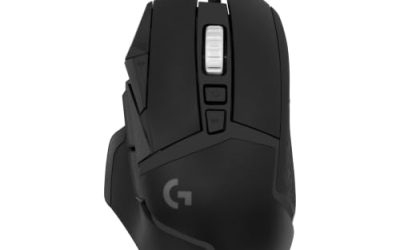
Logitech G502 HERO

Exploring Johnny’s memories means walking scenes and working through dialogue and simple puzzles, and at a desk a precise wired mouse makes that pointing work faster than a stick. Eleven programmable buttons cover the confirm and cancel inputs a session repeats.
Specs
- HERO optical sensor, up to 25,600 DPI
- 11 programmable buttons
- Adjustable weight system
- Wired USB connection
- On-board memory profiles
Samsung T9 Portable SSD 2TB

The game itself is tiny, but a growing Linux library is not: for moving that library between a desktop and a laptop, or keeping an offline backup of installers, a fast USB-C drive is the simple answer. The headline figure needs a Gen 2×2 host port; on a lesser port the drive runs at that ceiling instead.
Specs
- Capacity: 2 TB portable SSD
- Interface: USB 3.2 Gen 2×2, USB-C connector
- Maker-rated speeds: up to 2,000 MB per second read, 1,950 MB per second write
- Features: Dynamic Thermal Guard, maker-rated drop resistance
How to choose
Choose the Steam copy if the Deck paperwork or the extras matter to you: it is the build Valve tested, and the minisodes, comics and art book hang off the same record. Choose the GOG copy if the offline installer is the deciding factor, knowing it is the same native build with no Deck sheet behind it. On any Linux desktop the install is the plain one: no compatibility tool, no launch options, because the depot Steam delivers is already the Linux build. A pad is the shape the record describes; a mouse is equally at home in a 2D point-and-explore game.
Who should skip
Skip this one if you only buy games with a current ProtonDB file in front of you: that feed could not be read for this article, and no tier is claimed here. Skip it if cross-platform saves matter to your setup, because Valve’s sheet states plainly that this game does not support them. Skip it if you want a long campaign: this is a short, single-sitting story of dialogue and exploration rather than systems. And skip it if you came looking for Finding Paradise or Impostor Factory: those are separate games with records of their own.
FAQ
Is To the Moon native on Linux?
Yes. Steam flags the game Linux true, its Linux requirements field is genuinely populated, and SteamDB’s depot table holds a dedicated Linux depot at 115.81 MiB beside the Windows one. No compatibility layer is involved.
Why does this article claim no ProtonDB tier?
Because the feed would not answer: the summary record returned a page-not-found response on repeated attempts and the game page timed out, so the article claims none. For a native title, that file would only grade the Windows build under Proton anyway.
Is To the Moon Steam Deck Verified?
One step below: Valve rates it Playable. The default controller configuration is fully functional, the text is legible and the default graphics perform well; the deduction is that it sometimes shows mouse, keyboard or non-Deck controller icons. The November 2025 test names the native runtime, and its build is older than the one the public branch serves today.
Can I buy To the Moon on GOG instead?
Yes. GOG’s own product page lists Windows, Linux and Mac OS X on its works-on line, so the GOG edition carries the same native build in an offline installer, without Valve’s Deck testing behind it.
Final verdict
To the Moon is the clean case this series keeps looking for: a true Linux flag backed by a written requirements field and a full-size Linux depot, a family that agrees eight for eight, a Playable Deck rating earned on the native runtime, and a GOG edition that lists Linux as well. The one gap is ProtonDB’s unreadable feed, disclosed rather than papered over. Buy either storefront’s copy and install it as-is.
Product and ASIN Reference
| Product | ASIN |
|---|---|
| Valve Steam Deck OLED 512GB | B0CQ3RWQQZ |
| 8BitDo Ultimate 2 Bluetooth Controller | B0F194QFT2 |
| Xbox Wireless Controller, Carbon Black | B08DF248LD |
| Logitech G502 HERO | B07GBZ4Q68 |
| Samsung T9 Portable SSD 2TB | B0CHFS9K14 |