Super Meat Boy is the precision platformer that taught a generation of players to treat death as a two-second inconvenience: short levels, instant restarts, and a hero who leaves a smear of cartoon blood on every wall he touches. It reached Steam on 30 November 2010, from developer Team Meat, and it is one of the oldest games in this series of Linux status checks — and one of the clearest, because the native Linux build sits in the store package today, behind a true platform flag and a filled-in requirements tab.
That makes the interesting question a different one. The record proves a native port exists and is delivered; the player reports argue about which build deserves your time, because the Linux port is an older version of the game than the Windows build beside it, and the one add-on never crossed over at all.
As an Amazon Associate, we earn from qualifying purchases.
Quick answer
Yes — Super Meat Boy is genuinely native on Linux. Steam flags Linux true, the Linux requirements tab is populated, and a dedicated Linux depot of 242.27 MiB sits inside the store package, so buyers receive the port. ProtonDB rates the file Platinum on 50 reports, and Steam Deck is Verified on the native runtime. The one gap: the Race Mode add-on is Windows-only.
| Layer | What the record shows |
|---|---|
| Steam platform flags | Windows, Mac and Linux all true |
| Linux requirements tab | Populated at the minimum tier |
| Linux depot | Depot 40802, 242.27 MiB, inside the store package |
| Steam Deck | Verified, tested on the native runtime |
The native case, layer by layer
Start with the flag. Steam’s record for app 40800 marks Windows, Mac and Linux all true, and the Linux requirements field is genuinely populated rather than an empty shell: its operating system line reads, in full, “If you’re running the Steam client, you’re good”, followed by a 1.4 GHz processor, 1 GB of memory, Pixel Shader 3.0 graphics and 300 MB of storage. The Windows tab beside it is period paperwork, naming Windows XP, Vista and 7 — a reminder of how long the Linux tab has stood filled in beside it.
The delivery layer agrees. The depot table holds a Windows depot of 495.14 MiB, a macOS depot of 242.67 MiB and a dedicated Linux depot, numbered 40802 and named “Super Meat Boy Linux”, at 242.27 MiB. A depot only counts when a buyer receives it: the depot’s own page lists the store package among the packages that contain it, and its file listing includes native shared libraries. The public branch stands on a build from October 2018.
Two metadata fields dissent, named here so the count stays auditable. The osextended field reads macos64, Mac packaging metadata, and a legacy operating-system list in the configuration names Windows and macOS only. Neither outweighs a true flag, a populated tab and a packaged depot. The osarch field is an empty string, so no architecture value is claimed. The categories are stated exactly as the store lists them: Single-player, Steam Achievements, Full controller support, Steam Trading Cards, Gamepad Recommended, Steam Leaderboards, Remote Play on Phone, Remote Play on Tablet, Remote Play on TV and Family Sharing, under the Indie genre. The content descriptor note is a label fact: the game is cartoonish, the protagonist dies frequently and leaves cartoon blood wherever he walks, and the note stresses this is not realistic in any way. The record publishes no publisher field at all — only the developer, Team Meat — and carries no notice about extra digital rights management and no third-party account notice. Both absences are recorded as gaps.
The family: one add-on, and it never crossed over
The full downloadable-content array holds exactly one app, read individually: Super Meat Boy Race Mode, released in October 2018. It flags Windows true and Mac and Linux false, with empty requirement lists on both secondary platforms. So the family’s Linux-flag count is one of two readable records, and the soundtrack trap this series usually hunts for cannot form — there is no soundtrack app in the array at all; the music lives only as an optional depot inside the main game. The native case rests on the game alone, and the family’s single Windows-only member becomes a buying consideration rather than a contradiction.
Which build should you actually run?
ProtonDB’s summary record, read in full, is unanimous: a Platinum headline tier, a Platinum best-reported tier and a Platinum trending tier across 50 reports, with strong confidence. The reports beneath it split between two routes — some filed under the native build, others under named Proton versions — so the tier is claimed at exactly that size. The game page’s classification header could not be read in the fetched page text, so no header is claimed either way.
The report texture is kept at report weight. Several reporters describe the native build as the older, 2010-era version and prefer forcing the current Windows build through Proton, where some hit audio problems that extra Windows components fixed. Others note behaviour in the native build that tracks the frame rate, and one detailed report warns that the Race Mode add-on never reached the Linux port and its save format differs, so a save carried between routes can misassign progress markers. None of that changes the platform ruling, but it shapes the advice: native first, with Proton a well-worn alternative for players who want the newer Windows build.
Steam Deck: Verified, on the native runtime
Valve’s own compatibility record, read directly from the publisher of the badge, rates the game Verified: the default controller configuration is fully functional, the game shows Steam Deck controller glyphs, interface text is legible, and the default graphics configuration performs well. One note item applies: the game does not default to external controllers for the primary player, so a paired pad may need a manual switch through the Quick Access Menu. SteamOS separately rates it Compatible.
The dated paperwork comes from a republication of Valve’s compatibility data, disclosed here rather than hidden. The test sheet is dated 11 February 2022 and names the native runtime, so the badge certifies the Linux build itself rather than a Proton run. Unusually for a game this old, the paperwork is current on the build axis: the tested build is the very build the public branch still serves, because the branch has not moved since October 2018.
Anti-cheat and account layers
Three sources, kept separate, all negative. Steam’s record names no anti-cheat: the category list is single-player only and the record carries no notices. The database record for the app surfaces no anti-cheat technology. The community anti-cheat dataset, read in full at over eleven hundred entries and searched by name and by app number, carries no entry for this game.
Buying elsewhere is quickly settled. The natural product address on the other major storefront resolves to its general games catalogue, its behaviour for titles it does not sell, and no product record for this game could be read there.
Gear that fits the record
The record is pad-first — the store itself lists a gamepad as recommended — so the gear below weights d-pad quality over raw power.
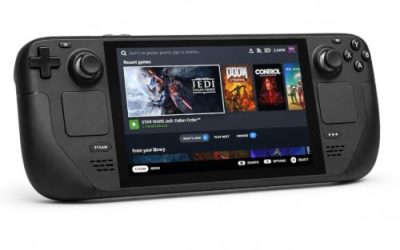
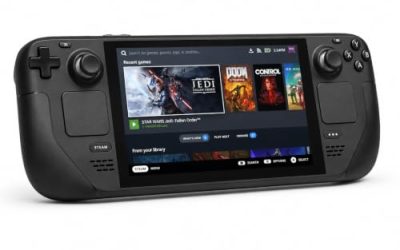
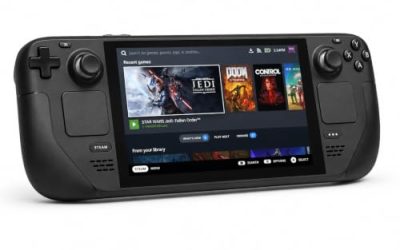
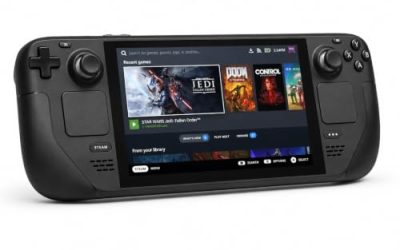
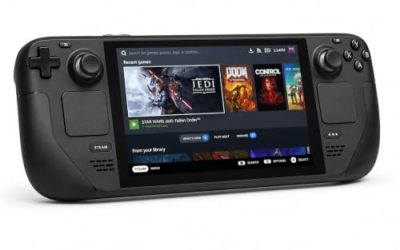
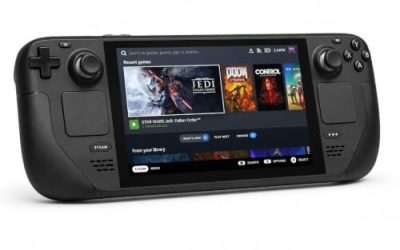
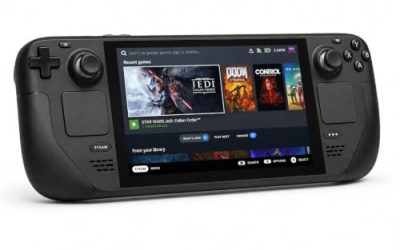
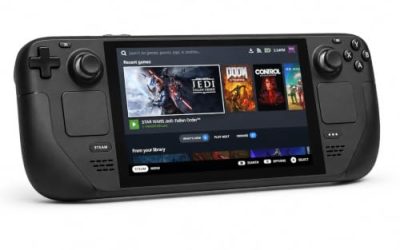
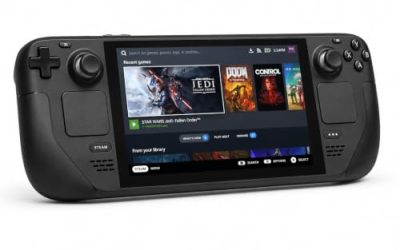
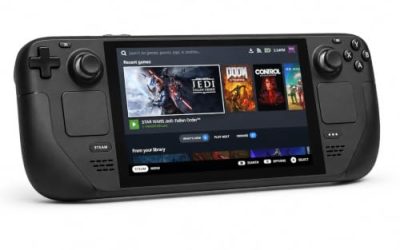
Valve Steam Deck OLED 512GB

The handheld the Verified badge was written for, and here the badge names the native runtime, so the Deck runs the same Linux build a desktop install receives.
Specs
- Display: 7.4-inch HDR OLED, 1280 by 800, up to 90 Hz
- Processor: AMD Zen 2 and RDNA 2 custom APU
- Memory: 16 GB LPDDR5
- Storage: 512 GB NVMe, plus a microSD slot
- Wireless: Wi-Fi 6E and Bluetooth
- Channel note: Valve sells the Deck mainly through its own store, so Amazon listings are third-party sellers
8BitDo Ultimate 2 Bluetooth Controller

The docked and desktop pad pick. A precision platformer lives or dies on its d-pad, and this pad pairs modern sticks and triggers with a dock that keeps it charged between restart-heavy sessions.
Specs
- Connectivity: Bluetooth wireless and USB-C wired
- Joysticks: TMR electromagnetic, anti-drift design
- Triggers: Hall effect, with mode switching
- Extras: two remappable back buttons, motion control
- In the box: charging dock included
Xbox Wireless Controller, Carbon Black

The safest guest pad in PC gaming: Steam Input support is universal and the glyphs match what the game displays. On the handheld, the test sheet’s note applies — an external pad may need the Quick Access Menu switch before it takes over.
- Connectivity: Xbox Wireless and Bluetooth
- Port: USB-C for wired play
- Controls: hybrid D-pad, dedicated Share button
- Power: AA batteries or optional rechargeable pack
Logitech G502 HERO

The game itself is pad play, but desktop sessions still pass through menus and level select, where a precise wired mouse earns its place. Eleven programmable buttons cover the confirm and cancel inputs a long session repeats.
Specs
- HERO optical sensor, up to 25,600 DPI
- 11 programmable buttons
- Adjustable weight system
- Wired USB connection
- On-board memory profiles
Samsung T9 Portable SSD 2TB

A 300 MB game needs no storage help; a whole Linux library does. For moving that library between machines, a fast USB-C drive is the simple answer, and its headline figure needs a Gen 2×2 host port.
Specs
- Capacity: 2 TB portable SSD
- Interface: USB 3.2 Gen 2×2, USB-C connector
- Maker-rated speeds: up to 2,000 MB per second read, 1,950 MB per second write
- Features: Dynamic Thermal Guard, maker-rated drop resistance
How to choose
Choose the Steam copy: it installs the native Linux build by default with no compatibility tool involved. Start native. Consider the Proton route only if the report texture matters to you — the newer Windows build, at the cost of possible audio tinkering — and keep the Race Mode warning in mind before moving a save between routes. On a Steam Deck, no decision is needed: the Verified badge on the native runtime means install and play. For input, a mid-range pad with a strong d-pad covers this game completely.
Who should skip
Skip the add-on, not the game, if you play on Linux: Race Mode flags Windows only, so anyone whose main interest is that mode needs the Windows build. Skip the game itself if the label facts rule it out for your household — the store’s own descriptor describes frequent deaths and cartoon blood. And skip it if punishing, repetition-driven difficulty is not your genre: constant instant death is the design, not a flaw.
Frequently asked questions
Is Super Meat Boy native on Linux?
Yes. Steam flags Linux true, the Linux requirements tab is populated, and the dedicated Linux depot sits inside the store package, so the port is delivered to buyers and installs by default.
Does the Race Mode add-on work on Linux?
No. Its own record flags Windows true and Linux false, with empty requirement lists. Reports add, at report weight, that its save format differs, so keep saves on one route.
Is Super Meat Boy Steam Deck Verified?
Yes. Valve’s record rates it Verified with all four checks passing, and the test paperwork names the native runtime on the same build the branch still serves.
Can I buy Super Meat Boy on another PC store instead?
No edition could be confirmed there: the natural product address resolves to that store’s general catalogue, its behaviour for titles it does not sell.
Final verdict
Super Meat Boy is one of the cleanest native records in this series: a true flag, a filled-in requirements tab, a sized Linux depot inside the store package, a Platinum ProtonDB file behind it, and a Deck Verified badge naming the native runtime on paperwork still current because the branch never moved again. The honest caveats are about versions, not platforms — the port is the older build, and the single add-on stayed on Windows.
Product and ASIN Reference
| Product | ASIN |
|---|---|
| Valve Steam Deck OLED 512GB | B0CQ3RWQQZ |
| 8BitDo Ultimate 2 Bluetooth Controller | B0F194QFT2 |
| Xbox Wireless Controller, Carbon Black | B08DF248LD |
| Logitech G502 HERO | B07GBZ4Q68 |
| Samsung T9 Portable SSD 2TB | B0CHFS9K14 |