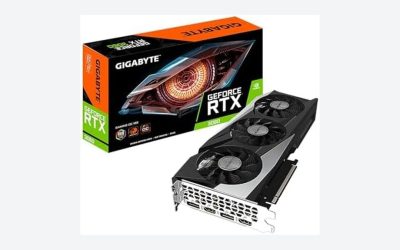
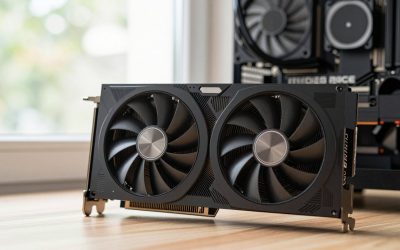
The RTX 5080 uses the 12V-2×6 power connector, the revised version of the 12VHPWR connector that caused melting issues on some RTX 4090 and 4080 cards. If you’re building a new system or upgrading your power supply for a 5080, this is the single most important compatibility detail to get right, more than wattage headroom or cable management.
What the 12V-2×6 connector actually is
12V-2×6 is a mechanical revision of the original 12VHPWR spec. The pin layout looks nearly identical, but Nvidia shortened the sense pins and lengthened the power pins slightly, so the card gets a reliable power/ground connection before it reports a load capability back to the PSU. The original 12VHPWR had a tolerance problem: if the connector wasn’t fully seated, it could still register a valid power state while making poor contact, and poor contact under high current is how you get the melted connectors that showed up in RTX 4090 complaints back in 2022 and 2023.
12V-2×6 doesn’t eliminate user error. A half-seated cable is still a half-seated cable. It just reduces the chance that a bad connection goes undetected. You still need to push the connector in until it clicks, every time.
Do you need a new power supply?
This is where most of the confusion happens. There are three realistic scenarios:
You have a PSU with a native 12V-2×6 or 12VHPWR cable (recent ATX 3.0 or ATX 3.1 units from the last two to three years). These work directly. Check your PSU manual or manufacturer site, since the connector looks similar enough to older ones that it’s worth confirming rather than assuming.
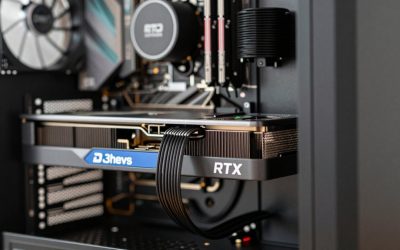
You have a modern PSU with enough wattage but only standard PCIe 8-pin connectors. You’ll need the adapter that comes in the box with the 5080, which converts multiple 8-pin connectors into one 12V-2×6 connector. This works fine for most people, but it adds bulk behind the card and is one more connection point that can be seated incorrectly. If your case has tight clearance behind the GPU, measure before you assume the adapter will tuck in cleanly.
You have an older or budget PSU that’s underpowered or lacks the connectors entirely. Nvidia’s recommended minimum for the 5080 is typically in the 650-750W range depending on your CPU, but that’s a floor, not a comfortable margin. If your PSU is five-plus years old, this is a reasonable point to replace it rather than lean on adapters and hope the aging unit holds up. Browse 850W ATX 3.0 power supplies if you’re shopping for a replacement, since that headroom covers the 5080 plus a high-end CPU without running the unit near its limit constantly.
Adapter vs. native cable vs. aftermarket cable
| Option | Cost | Risk level | Best for |
|---|---|---|---|
| Included 8-pin to 12V-2×6 adapter | Free (in box) | Low if seated fully, but bulky | Anyone with an older multi-8-pin PSU not ready for replacement |
| Native 12V-2×6 cable from PSU maker | Usually included with ATX 3.0/3.1 PSUs | Lowest | Anyone buying or already owning an ATX 3.0+ PSU |
| Third-party aftermarket 12V-2×6 cable | $20-40 | Variable, depends on brand quality | People who want custom sleeving or a cleaner build, and are willing to buy from a reputable cable maker |
The native cable from your PSU manufacturer is the best option when available, since it’s built and tested specifically for that unit. The included adapter is perfectly safe as long as you seat it fully and don’t bend the cable sharply right at the connector housing. Aftermarket cables are fine from established cable brands, but this is not where you want to save a few dollars on an unknown seller, since a loose-tolerance pin can produce exactly the melting failure mode 12V-2×6 was designed to prevent.
How to avoid connector problems
Most 12VHPWR and 12V-2×6 failures trace back to a handful of avoidable habits. Don’t bend the cable within about 35mm of the connector itself, since the pins can lose even contact pressure if the cable is stressed right at the joint. Push the connector in until you feel and hear the click, then visually check it’s flush, not at a slight angle. Avoid daisy-chaining or reusing old 8-pin cables that have been bent and reseated dozens of times over several GPU generations; cheap, worn connectors are more likely to have degraded pins. If you ever smell anything odd near your GPU during a gaming session, shut down and inspect the connector before continuing, don’t wait for a visible problem.
If you’re building fresh rather than retrofitting, a case with reasonable clearance behind the motherboard tray makes the adapter or native cable much easier to route without sharp bends. If space is tight, it’s worth checking a few mid-tower cases with good GPU clearance before committing to one that forces an awkward cable angle.
Who actually needs to worry about this
If you’re buying a new ATX 3.0 or ATX 3.1 PSU alongside the 5080, this is basically a non-issue. The cable is designed for the card, full stop. If you’re reusing a PSU from an RTX 20-series or 30-series era build, check the wattage and connector situation before you buy the card, not after it arrives. And if you already run a 4090 or 4080 without issues using the same connector type, your habits are probably fine, just don’t get complacent about reseating cables when you move the card between builds.
FAQ
Can I use my old 8-pin PCIe cables directly on an RTX 5080?
No, not without the adapter. The card’s power input is the 12V-2×6 connector, so you need either a native 12V-2×6 cable from your PSU or the 8-pin-to-12V-2×6 adapter included in the box.
Is 12V-2×6 the same as 12VHPWR?
They’re closely related but not identical. 12V-2×6 is a revised pin design meant to reduce the risk of a connector appearing seated while actually making poor contact. Cables and connectors labeled either way are generally interchangeable, but using the newer 12V-2×6 hardware when possible is the safer choice.
What wattage power supply do I need for an RTX 5080?
Nvidia’s typical recommendation sits around 650-750W depending on your CPU, but that’s a minimum, not a comfortable target. An 850W unit gives you headroom for a high-end CPU and avoids running the PSU near its limit during sustained load.
Has the RTX 5080 had the same melting issues as the RTX 4090?
Reports of connector damage have been far less common on 5080-class cards using 12V-2×6, but the connector design doesn’t remove user error from the equation. A fully seated, unbent cable remains the main factor in avoiding problems, regardless of generation.