- Top Pick: TP-Link AXE5400 Tri-Band WiFi 6E Router (Archer AXE75), 2025 PCMag Editors' Choice, 2.5Gbps WAN Port for Gaming & Streaming, 6GHz Band, 160MHz, OneMesh, Dual-Core CPU, VPN & WPA3 Security
- Best Value: TP-Link Tri-Band BE11000 Wi-Fi 7 Gaming Router Archer GE650 | 6-Stream 11 Gbps supports 320MHz | 2×5G + 3×2.5G Ports USB 3.0 | Game Acceleration, Dedicated Gaming Port & Panel, RGB Lighting|HomeShield
- Premium Choice: ASUS ROG Rapture GT-BE98 Pro WiFi 7 Gaming Router – Quad-Band, 30Gbps, Mesh
The right router is the unsung hero of a smooth online gaming experience, quietly managing traffic, prioritizing your game packets, and blanketing your home in stable, low-latency Wi-Fi. With Wi-Fi 6, 6E, and now Wi-Fi 7 options widely available, there’s never been a better time to upgrade your network’s foundation.
We compared a range of gaming routers spanning value picks to tri-band flagships, weighing latency management, throughput, coverage, and features. Here are the best routers to keep you frag-ready.


As an Amazon Associate we earn from qualifying purchases at no extra cost to you.


🎮 Get More From Your Setup — Free
Prime Gaming gives you free PC games every month, in-game loot, and a free Twitch channel sub — plus fast free shipping on all the gear above. New members get a 30-day free trial.
Watch: Best Routers Best For Gaming — Video Review
How to Choose a Gaming Router
- Wi-Fi standard: Wi-Fi 6 is the value sweet spot, 6E adds a clean 6GHz band, and Wi-Fi 7 delivers the highest speeds and lowest latency.
- Band count: Tri-band routers dedicate bandwidth to gaming and reduce congestion in busy homes.
- QoS and acceleration: Gaming-focused QoS prioritizes your game traffic to minimize lag and jitter.
- Ports: Multi-gig 2.5G ports and dedicated gaming ports future-proof wired connections.
- Coverage: Consider mesh support if you need to blanket a larger home in reliable signal.
The Best Gaming Routers Reviewed
ASUS ROG Rapture GT-BE98 Pro
A quad-band Wi-Fi 7 flagship with up to 30Gbps and mesh support, delivering top-tier speed and headroom for the most demanding setups.
TP-Link Archer GE650
A tri-band Wi-Fi 7 gaming router with a dedicated gaming port, multi-gig connectivity, and RGB lighting, purpose-built for low-latency play.
TP-Link Archer AXE75
A Wi-Fi 6E router with a 2.5Gbps WAN port and clean 6GHz band, offering excellent gaming performance at a mainstream price.
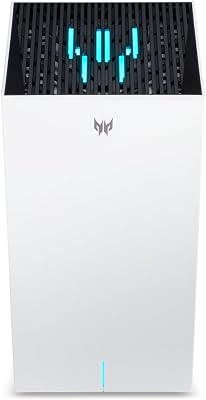
MSI Radix AXE6600
A tri-band Wi-Fi 6E router with AI QoS, a quad-core processor, and eight-stream throughput, tuned for high-speed, long-range gaming.
GL.iNet Flint 2
A Wi-Fi 6 router with dual 2.5G ports, pre-installed OpenWrt, and VPN support, offering high throughput and deep customization for tinkerers.
Related Guides
- Best Screen Recording Software For Gaming (2026)
- Best Gaming Stocks (2026)
- What Is a Good CPU Temperature for Gaming?
- Best Gaming Room (2026)
- SSD vs HDD for Gaming: Which Do You Need?
Frequently Asked Questions
Does a gaming router really reduce lag?
Through QoS and traffic prioritization it can smooth your connection, though base ping still depends on your ISP and server distance.
Wi-Fi 6, 6E, or 7?
Wi-Fi 6 is great value, 6E reduces congestion with its 6GHz band, and Wi-Fi 7 offers the best performance if your devices support it.
Do I need a tri-band router?
In device-heavy homes, yes. The extra band dedicates bandwidth to gaming and cuts congestion.
Is a wired connection still better?
For competitive play, a wired ethernet link remains the most stable, but modern Wi-Fi is excellent for most gamers.
Final Thoughts
For the ultimate performance, the ASUS ROG Rapture GT-BE98 Pro leads, while the TP-Link Archer AXE75 wins on value. Homes with many devices should consider the tri-band MSI Radix AXE6600.