The Shure SM7dB is worth it if you want the classic SM7-style broadcast sound without buying a separate inline preamp, and you already have, or plan to buy, an XLR audio interface or mixer. It is probably not worth it if you want plug-and-play USB, have a limited budget or only talk casually in game chat.
The question really comes down to what the built-in preamp saves you. The older SM7B is a quiet dynamic microphone that needs a lot of clean gain, so many setups add an extra gain device. The SM7dB builds that gain in. Whether that convenience justifies the higher cost depends on your interface, your room and your goals, as of 2026. Verify details on Shure’s current product page, since specifications and accessories can change.
What the SM7dB Is
The SM7dB is a cardioid dynamic XLR microphone in the SM7 family, a design long associated with radio, podcasting and vocal recording. Its main difference from the SM7B is an active preamp inside the body, with selectable gain steps and a bypass mode. The preamp needs phantom power (48 V) from the interface or mixer to run, which most interfaces provide. As with the older model, it has switches for bass roll-off and a presence boost, and it ships with a foam windscreen.
How the Built-In Preamp Works
The preamp provides a gain boost, with Shure listing selectable settings, and a bypass mode that lets the microphone behave like a passive SM7B for users with high-gain preamps. Confirm the exact gain values and any limitations on the spec sheet before buying.
What It Does Not Include
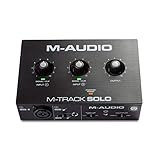
It is an XLR microphone, not a USB one. You still need an XLR cable, an interface or mixer, a boom arm sturdy enough for its weight, and ideally a pop filter. These additions affect the total cost of ownership far more than the microphone alone.
Where It Makes Sense for Streaming and Gaming
A dynamic microphone with a cardioid pattern rejects much of the room sound, keyboard noise and fan noise, provided you speak close to it. That makes the SM7 design popular for streamers in untreated rooms. The sound is smooth and full, which suits voice-heavy content.
Clean Gain From a Budget Interface
The biggest practical benefit is for people whose interface has modest preamps. An SM7-style microphone is low in output, and weak gain stages can add hiss when turned up. The built-in preamp lets the interface run at a lower gain setting, which can keep the noise floor down. If your interface has strong, quiet preamps already, the extra circuitry gives less benefit.
Close-Talking and Room Rejection
You need to sit close, typically a few inches away, to get the full effect. Move away and the level drops and the room creeps in. If you often lean back from your desk, a headset boom or a shotgun-style microphone may suit you better.
Voice-Overs, Podcasts and Music Uses
The microphone is also a strong choice for podcasts, voice acting and some vocals, so it can serve content beyond gaming. That versatility adds value if you plan to create other audio.
Spec Targets by Setup Tier
| Setup Tier | Interface or Mixer | Gain Approach | Mic Support | Is the SM7dB a Good Fit? |
|---|---|---|---|---|
| Casual (chat and light streaming) | USB headset or USB mic | None needed | Desk stand | No, a USB microphone is simpler |
| Mid-range streamer | Entry XLR interface with phantom power | Built-in preamp avoids extra gain devices | Sturdy boom arm and pop filter | Yes, a strong fit |
| Serious creator | Quality interface or mixer with clean gain | Bypass preamp if the interface gain is strong | Heavy-duty arm, treated space | Good, but compare with the SM7B and a quality preamp |
Alternatives to Compare
Comparing in categories avoids chasing a specific model. Each approach has trade-offs in cost, space and flexibility.
The SM7B Plus an Inline Preamp
This is the traditional route. It allows you to choose and upgrade each component, but it means more boxes and cables. Check whether the total cost really differs from the SM7dB, since that depends on which preamp you pick.
Other Dynamic Broadcast Microphones
Several brands make dynamic XLR microphones with similar room rejection and a different tonal character. Some have higher output, which may reduce or remove the need for extra gain. Compare tone through manufacturer samples and independent audio comparisons.
USB Dynamic Microphones
USB dynamic models plug straight into a PC, and some also have an XLR output. They simplify setup, though their digital conversion is fixed and you cannot upgrade the interface separately.
Condenser Microphones
Condensers capture more detail but also more of the room. They suit quiet, treated spaces, and they usually need phantom power too.
Setting It Up Properly
Good placement decides more of the final sound than the choice between nearly any two quality microphones. Mount the SM7dB on a boom arm with the front of the microphone facing you, about a few fingers’ width from your mouth, and aim slightly off-axis to soften plosives. The foam windscreen reduces breath noise, and a second pop filter is optional.
Gain Staging
Set the interface gain so that your normal speaking voice peaks comfortably below clipping, and leave headroom for laughing or shouting during gameplay. If you use the built-in preamp, start with the lower gain step and increase only if the level is still too low. If you bypass the preamp, expect to rely on your interface for most of the gain. Check the manual for how the switches interact.
Tone Switches and Software Processing
The bass roll-off switch helps if your voice sounds boomy at close range, and the presence boost adds clarity at the cost of a brighter tone. Most streamers also add a noise gate, a compressor and a light equalizer in OBS or their interface software. Make small changes and listen back to a recording rather than relying on meters.
Monitoring and Room Noise
Use closed-back headphones so the microphone does not pick up game audio. A dynamic microphone reduces room sound but does not eliminate it, so soft furnishings, a rug or wall panels still help. Turn off loud fans or move them away from the microphone.
What Else You Need to Budget For
An interface or mixer with phantom power, an XLR cable, a boom arm rated for the microphone’s weight, a pop filter or the supplied windscreen, and acoustic treatment can all matter. Without them, even a premium microphone can sound average. Spend on the room and positioning first if your budget is limited.
So, Is It Worth It?
Worth depends on your starting point. It makes the most sense for someone building a first serious XLR chain who does not want to track down a separate gain device and who values a tidy setup with fewer cables. It makes less sense for someone who already owns an SM7B with a good preamp, since the improvement would be convenience rather than sound. It also makes little sense if you only speak in voice chat a few hours a week, because a headset or a good USB microphone covers that need at a fraction of the cost. Compare the total cost of the SM7dB, the SM7B plus a gain device and your alternatives when you are ready to buy, and decide based on the full chain.
Before You Buy Checklist
- Confirm your interface supplies 48 V phantom power.
- Decide whether you want the built-in preamp or already own clean gain.
- Check your boom arm’s weight rating against the microphone.
- Plan to sit close to the microphone when speaking.
- Read the current Shure spec sheet for gain steps, accessories and warranty.
Common Mistakes
- Buying an XLR microphone without an interface and discovering it will not plug into the PC.
- Forgetting to enable phantom power, which leaves the preamp inactive.
- Using a lightweight arm that droops under the microphone’s weight.
- Speaking far from a dynamic microphone and compensating with high gain, which raises noise.
- Assuming a premium microphone will fix a noisy, echoing room.
Related guides
- Aio Liquid Coolers For High Performance Gaming
- Wireless Gaming Headsets Under 100 For Pc
- Ssds For Large Video And Raw Photo Files
Frequently Asked Questions
Do I need an audio interface for the SM7dB?
Yes. It uses an XLR output, so you need an interface or mixer to connect it to a PC, and one that supplies phantom power for the built-in preamp.
Is the SM7dB better than the SM7B?
It is not a different voice so much as a more convenient package. The built-in preamp helps when gain is limited, but users with strong preamps may not need it.
Will it pick up keyboard noise?
Less than most condensers, since it is a close-talking dynamic design. Keyboard sound still reaches it, so use a shock mount or arm and position the microphone carefully.
Is it overkill for gaming chat?
For casual voice chat, yes. The benefit shows up in streaming, podcasts and recorded content, where listeners hear the voice directly.