Human Fall Flat is the physics puzzle platformer from No Brakes Games and Curve Games, released on Steam on 22 July 2016, in which a wobbly human figure climbs, grabs and swings through floating obstacle courses alone or with friends. Its Steam record lists single-player, multi-player, online PvP, co-op and shared or split screen co-op, the genres adventure, casual, indie and simulation, and full controller support.
Ask the store page one direct question, though, and it gives two contradictory answers. The platform flags say Windows and Mac only, with Linux marked as not supported. Everything underneath that flag line says the opposite, and this article follows the evidence layer by layer.
As an Amazon Associate, we earn from qualifying purchases.
Quick answer
Yes, there is a native Linux build, and Steam’s flag is the thing that is wrong. The store package buyers receive contains a dedicated Linux depot, the store page prints Linux system requirements, and ProtonDB heads the game as natively supported. The catch, reported across the community file, is that the native build is outdated, so most Linux players force Proton instead. Valve rates it Verified on Steam Deck.
The flag line, read exactly
The platform flags read windows true, mac true and linux false. That single false is the whole case against a Linux version, and its weight is limited: a flag is a storefront display setting, not a delivery record. The same record carries no DRM notice and no external account notice, so nothing warns of a launcher or a third-party account standing between a buyer and the game. Its categories include the online PvP and co-op entries that make the anti-cheat question below a real one.
A requirements tab that should not exist
If Linux were truly absent, the Linux requirements field would confirm it, and it does the opposite: the field is genuinely populated at both tiers. The minimum tier names Ubuntu 15.10 and higher, Mint 17.1 in x86 and x64 builds, or SteamOS Brewmaster, an Intel Core2 Duo E6750 or equivalent processor, 1024 MB of RAM, a GeForce GT 740 or Radeon HD 5770 class graphics card, and 500 MB of storage. The recommended tier repeats the same operating systems and raises the hardware to a Core2 Quad Q9300 or equivalent, 2048 MB of RAM and a GeForce GTX 460 or Radeon HD 7770. Store pages do not write two tiers of Linux requirements for a platform that receives nothing.
The depot table settles it
SteamDB’s depot table holds three platform content depots: Windows at 6.01 GiB, macOS at 6.03 GiB, and a dedicated Linux depot, named Human: Fall Flat Linux, at 1.39 GiB. A depot existing is not enough on its own, so the decisive check is package membership: the Linux depot’s own page lists the game’s store package, the sub titled Human Fall Flat and marked Store or CD Key, among the packages that contain it. The Linux build is therefore part of what a buyer receives, not a leftover in a developer-only package; the asset list adds a small corroboration in a Linux client icon entry. Two configuration fields deserve exact reporting: osarch is an empty string, so no architecture value is claimed here, and osextended reads macos64, a Mac packaging line. The public branch currently serves build 26159008, built in October 2026.
One DLC app, and it proves nothing
The game’s full DLC array holds exactly one app, read individually: the Human Fall Flat Official Soundtrack, a music app released in May 2017. It flags all three platforms true while every requirements field on its own record is an empty list: the familiar soundtrack pattern, a bare flag on an audio product, named here only to be set aside. The native case rests entirely on the game’s own tab, depot and package membership. The depot table also shows a Workshop depot and a separate Steam China depot; neither changes the ruling.
Anti-cheat, from three separate sources
Because the record lists online play, anti-cheat was checked in three places, kept separate. Steam’s record names no anti-cheat and publishes no notices of any kind. SteamDB’s detected technologies are the Unity Engine and the Mono SDK, engine plumbing only. The Are We Anti-Cheat Yet dataset, read in full at 1,167 games, carries no entry for this app, searched by name and by app id. Three sources, three negatives, and nothing further is claimed about how the online modes are served.
ProtonDB: a Gold headline with a warning inside
ProtonDB’s summary API did not answer this session, returning a page-not-found response, so no tier split and no confidence figure are claimed; what follows is the headline record from the game page itself, with the gap stated rather than smoothed over. The page heads the game Gold across 177 reports, and its classification line reads Natively Supports, agreeing with the depot layer and disagreeing with Steam’s flag. The texture inside matters more than the headline. Reporter after reporter describes the native build as old and discontinued, with crashes around the first checkpoint, and advises forcing Proton instead, Proton 9.0-4 being the most repeated recommendation. Multiplayer crashes on some versions are part of the same texture. Those are community reports, kept at report weight, but consistent enough to shape the advice below.
Steam Deck: Verified, on 2022 paperwork
Valve’s own compatibility endpoint answered directly this session and resolves the game to category 3, Verified, with all four checks passing: the default controller configuration is fully functional, the game shows Steam Deck controller icons, interface text is legible, and the default graphics configuration performs well. SteamOS is separately rated Compatible. The dated paperwork comes from SteamDB’s republication of Valve’s compatibility data: tested on 12 March 2022, on build 8055898, with proton-experimental as the recommended runtime. Two honest consequences follow. First, the badge certifies the Windows build under Proton, not the native build in the same depot table. Second, the paperwork predates the current branch build by years of updates, so the rating describes a much older build than the one a buyer downloads today.
The GOG question
There is no GOG edition to weigh. The game’s natural product address on GOG resolves to the store’s general games catalogue, how that store answers an address for a title it does not sell, and GOG’s search endpoints return no product for the name. Steam is the only PC storefront carrying the game.
Gear that fits the record
The record points at a pad-first game with online and couch co-op, so the gear below follows that shape.
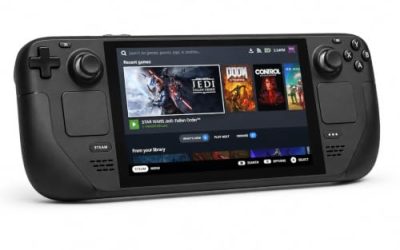
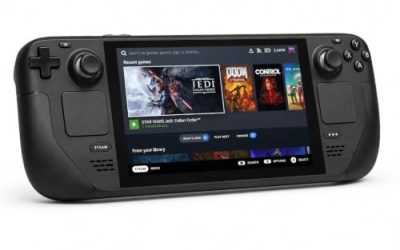
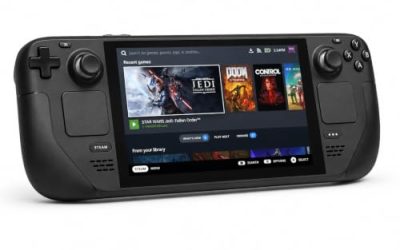
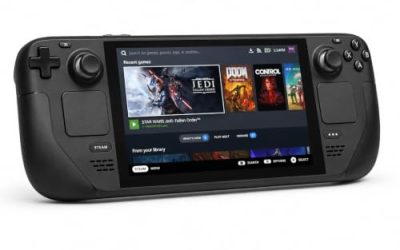
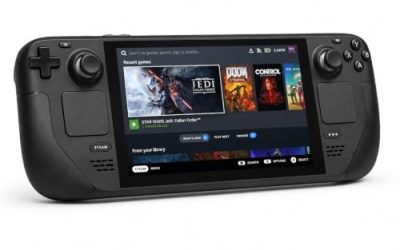
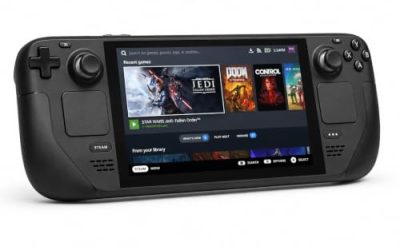
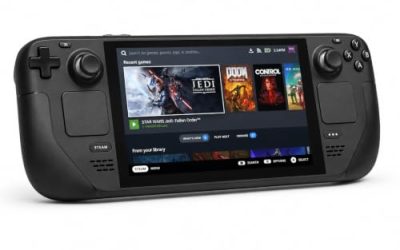
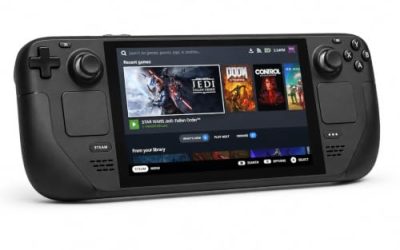
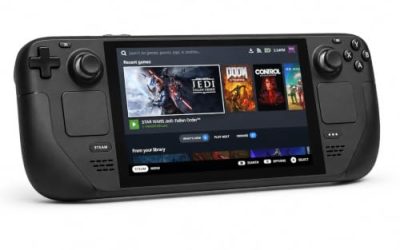
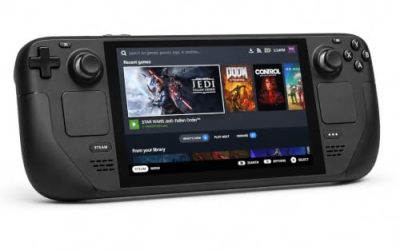
Valve Steam Deck OLED 512GB

The handheld the Verified badge was written for. The only homework is remembering that the badge was earned by the Windows build under Proton, so the compatibility setting matters more than the hardware.
Specs
- Display: 7.4-inch HDR OLED, 1280 by 800, up to 90 Hz
- Processor: AMD Zen 2 and RDNA 2 custom APU
- Memory: 16 GB LPDDR5
- Storage: 512 GB NVMe, plus a microSD slot
- Wireless: Wi-Fi 6E and Bluetooth
- Channel note: Valve sells the Deck mainly through its own store, so Amazon listings are third-party sellers
8BitDo Ultimate 2 Bluetooth Controller

The desktop and docked pad pick, covering long co-op sessions with modern sticks, triggers and back buttons for the grab-and-climb inputs the game repeats.
Specs
- Connectivity: Bluetooth wireless and USB-C wired
- Joysticks: TMR electromagnetic, anti-drift design
- Triggers: Hall effect, with mode switching
- Extras: two remappable back buttons, motion control
- In the box: charging dock included
Xbox Wireless Controller, Carbon Black

The guest pad for the shared and split screen co-op the record lists. It is the controller most PC players already own, and it pairs over Bluetooth or its own wireless standard.
- Connectivity: Xbox Wireless and Bluetooth
- Port: USB-C for wired play
- Controls: hybrid D-pad, dedicated Share button
- Power: AA batteries or optional rechargeable pack
Logitech G502 HERO

A desk mouse earns its place in the menu and Workshop layers, where browsing community levels and settings is pointer work; eleven programmable buttons cover the repeated inputs.
Specs
- HERO optical sensor, up to 25,600 DPI
- 11 programmable buttons
- Adjustable weight system
- Wired USB connection
- On-board memory profiles
Samsung T9 Portable SSD 2TB

For carrying a Steam library between a desktop and a laptop, a fast USB-C drive is the simple answer. The headline figure needs a Gen 2×2 host port; on a lesser port the drive runs at that ceiling.
Specs
- Capacity: 2 TB portable SSD
- Interface: USB 3.2 Gen 2×2, USB-C connector
- Maker-rated speeds: up to 2,000 MB per second read, 1,950 MB per second write
- Features: Dynamic Thermal Guard, maker-rated drop resistance
How to choose
Choose the Steam copy, because it is the only PC edition on sale. On a Linux desktop, make one decision at install time: leave the compatibility tool alone and Steam delivers the native build, real but widely reported as outdated, or force a current Proton build, the route the community file recommends and the one Valve’s Deck test used. On Steam Deck, the Verified badge means the default path is the tested one. A pad is the game’s native shape on every platform, and a second pad is the natural upgrade for local co-op.
Who should skip
Skip the native build, though not the game, if you want the current version on Linux: reporters are consistent that the shipped Linux build trails the Windows one, so treat Proton as the route and the native depot as a curiosity. Skip the game if you want a platform flag you can take at face value. Skip it if you shop DRM-free only, because no GOG edition exists. And skip it if online co-op is your main draw and a file full of version-specific crash reports is more tinkering than you signed up for.
FAQ
Is Human Fall Flat native on Linux?
On the delivery evidence, yes. The store package contains a dedicated Linux depot, the store page prints two tiers of Linux requirements, and ProtonDB classifies the game as natively supported. The platform flag is the single dissenting field. Community reports add that the native build is outdated next to the Windows build.
Why does Steam say Linux is not supported?
The record does not explain itself, so this article reports the contradiction rather than inventing a reason. The flag reads false while the requirements tab, the depot table and the store package all describe a Linux build buyers receive. Where a flag and a delivery record disagree, the delivery record decides what lands on the drive.
Should I play the native build or force Proton?
The community file’s answer is Proton, most often version 9.0-4, because the native build is reported to crash around early checkpoints and no longer tracks the Windows version’s updates. That is reporter testimony, not a store record, but it is consistent and matches the route Valve’s Deck test took.
Is Human Fall Flat Verified on Steam Deck?
Yes. Valve’s endpoint resolves the game to its top category with all four checks passing, and SteamOS is separately Compatible. The paperwork dates to March 2022 and names a Proton runtime and a far older build than the current branch, so the badge is genuine but dated.
Final verdict
Human Fall Flat is a native Linux game whose own store page will not say so. The flag is false in both senses: the value is set to false, and the delivery record underneath it, a populated requirements tab and a sized Linux depot inside the store package, proves it wrong. Buy the Steam copy, force a current Proton build for the version the community actually plays, and take the Deck’s Verified badge as real but dated.
Product and ASIN Reference
| Product | ASIN |
|---|---|
| Valve Steam Deck OLED 512GB | B0CQ3RWQQZ |
| 8BitDo Ultimate 2 Bluetooth Controller | B0F194QFT2 |
| Xbox Wireless Controller, Carbon Black | B08DF248LD |
| Logitech G502 HERO | B07GBZ4Q68 |
| Samsung T9 Portable SSD 2TB | B0CHFS9K14 |