Our Short List of 3

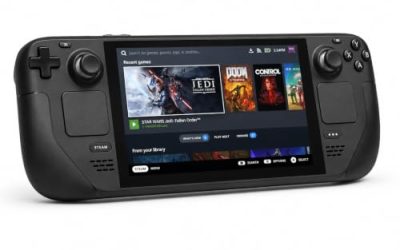
- Display: 7.4-inch HDR OLED, 1280 by 800, up to 90 Hz
- Processor: AMD Zen 2 and RDNA 2 custom APU
- Memory: 16 GB LPDDR5
- Storage: 512 GB NVMe, plus a microSD slot

- Connectivity: Bluetooth wireless and USB-C wired
- Joysticks: TMR electromagnetic, anti-drift design
- Triggers: Hall effect, with mode switching
- Extras: two remappable back buttons, motion control

- Connectivity: Xbox Wireless and Bluetooth
- Port: USB-C for wired play
- Controls: hybrid D-pad, dedicated Share button
- Power: AA batteries or optional rechargeable pack
All 5 Picks at a Glance
| Product | Specs | Action |
|---|---|---|
| Valve Steam Deck OLED 512GB |
| Check price on Amazon |
| 8BitDo Ultimate 2 Bluetooth Controller |
| Check price on Amazon |
| Xbox Wireless Controller, Carbon Black |
| Check price on Amazon |
 Logitech G502 HERO |
| Check price on Amazon |
 Samsung T9 Portable SSD 2TB |
| Check price on Amazon |
Fashion Police Squad, the retro-styled first-person shooter from Mopeful Games and publisher No More Robots, launched on 15 August 2022 with exactly one build: a Windows one. Steam’s record flags the game for Windows alone, and nothing behind the store page changes that picture. There is no Linux depot, no Linux requirements with anything in them, and no Linux client icon.
What the game does have is an unusually friendly second life under Proton. The community compatibility file sits at the top tier ProtonDB awards, Valve has tested the Windows build on Steam Deck and published a Playable badge, and the hardware demands are so light that almost any Linux machine clears them. This article reads the record layer by layer: the flags, the depot census, the one add-on app that muddies family scans, the Proton file, the Deck sheet, and the storefront ruling.
As an Amazon Associate, we earn from qualifying purchases.
Quick answer
Fashion Police Squad is not native on Linux. Steam flags it Windows only, its Linux requirements tab is an empty shell, and its single content depot is the Windows build. The route in is Proton, where 25 community reports settle at Platinum with strong confidence, and Valve rates the game Steam Deck Playable.
What the Steam record actually holds
Start with the flags, the layer a buyer sees first. The store record for app 1319460 reads windows true, mac false, linux false. The requirements tabs back that up: the Windows tab is genuinely populated, asking for a 64-bit system running Windows 7 or later, a 1 GHz processor and 2 GB of memory at minimum. The Mac and Linux tabs exist as headings over empty lists. That populated-but-empty shape is paperwork, not support: a tab with headings and no entries describes no build anyone can download.
The depot census settles the question the flags open. SteamDB lists exactly one content depot, depot 1319461, at 3.06 GiB on disk, feeding a public branch whose current build dates to October 2025. There is no second depot for another operating system, no shared depot, and no unused Linux depot. SteamDB’s detected-technologies line names the Unity engine with its Mono and URP components: one Unity export, built for Windows.
The registered assets agree: a client icon, a client tga, an icon, a logo and a small logo, with no LinuxClientIcon in any form. Here that absence is simply consistent: no icon because there is no Linux build.
The soundtrack is the family’s only Linux flag
The base game has exactly one registered add-on app, and it deserves its own section because it corrupts automated family scans. App 2081410 is the Fashion Police Squad Soundtrack, a music product released the same day as the game. Its flags read windows true, mac true and linux true: all three, beside a base game that flags Windows alone.
That is the soundtrack all-true trap in its standard form. A music app’s flags describe where its audio files can be delivered, and audio files play anywhere; they say nothing about a playable build. Anyone counting Linux flags across the family would record a Linux presence that no buyer can install. The game itself remains Windows only on every layer that matters: flags, populated requirements, depots and assets.
The Proton file: Platinum, and mostly out of the box
ProtonDB’s summary reads settled Platinum, best-reported Platinum, trending Platinum, across 25 reports, with strong confidence. The individual filings explain why: recent desktop reports on current Proton builds describe out-of-the-box play, and several Steam Deck filings describe high frame rates at high settings with no tinkering at all. One Deck reporter wondered aloud why the game carries only a Playable badge when the experience feels Verified-grade.
The honest caveats are older and narrower. A Proton 7-era desktop filing reported frame rate drops in busy scenes and a crash tied to an overlay tool during the scenes that introduce new enemy types; the same reporter found a community Proton build handled those scenes cleanly. Neither pattern repeats in the recent file.
One heading on the ProtonDB page needs naming rather than repeating. The page displays a “Natively Supports:” line for this game. Steam’s record contradicts it on every layer checked here: the flags, the empty Linux tab, the single Windows depot and the missing Linux icon. The article follows Steam. The Platinum tier is itself a Proton classification, describing the Windows build running through the compatibility layer.
The Steam Deck sheet: Playable, with one real deduction
Valve’s own test, read from the Deck compatibility endpoint, resolves to category Playable, with SteamOS separately rated Compatible. The passing items matter most for a fast shooter: the game shows Steam Deck controller icons, interface text is legible on the handheld screen, and the default graphics configuration performs well. The configuration block records gamepad input, no manual keyboard invocation, and no small-text penalty.
The single substantive deduction is that some functionality is not accessible with the default controller configuration, which can push a player toward the touchscreen, the virtual keyboard or a community configuration. A further note warns that the game does not default to external controllers for the primary player, so a docked pad may need a manual Quick Access Menu switch. The record’s own controller-support field reads full, stated here from the game’s record alone; Valve’s deduction concerns the default configuration’s coverage, not whether pads work.
Two dates frame the badge’s weight. Valve tested on 2 November 2022 against build 9720946, with proton-7.0-5 as the recommended runtime. The public branch now serves a far newer build from October 2025. The badge grades a copy since replaced, making this one of the standing paperwork-supplement cases: the verdict is real, the build it describes is not the one on sale today.
Anti-cheat and the second storefront
There is little to say on anti-cheat, and the article says it plainly rather than dressing silence up as a clearance. The game is single-player, its record names no anti-cheat, and the AreWeAntiCheatYet database, read in full at 1,167 entries, holds no entry for it in either direction. That is documentation silence, not a ruling.
On GOG, the ruling is no edition. The natural product address resolves to the general games catalogue rather than a product page, and catalogue search surfaces only unrelated titles. The check rests on the absent page plus the catalogue record, not search silence alone, because GOG search is a known blind spot. The Steam copy is the only PC copy, and on Linux it is a Proton copy.
Gear that fits the record
The picks follow the record’s shape: the handheld Valve tested, two pads for the controller-configuration wrinkle the sheet names, a mouse for desktop sessions, and fast storage.
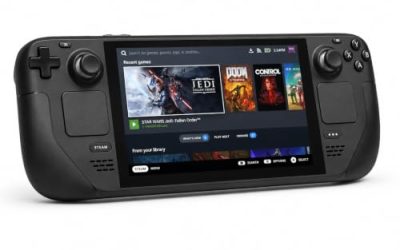
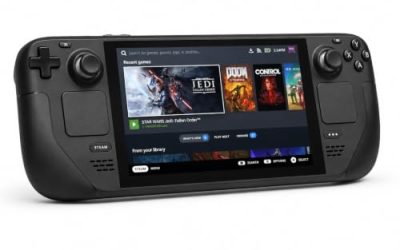
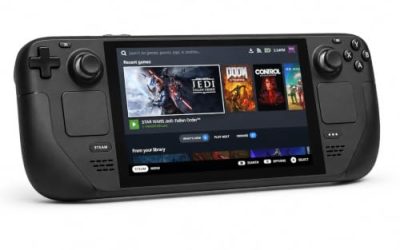
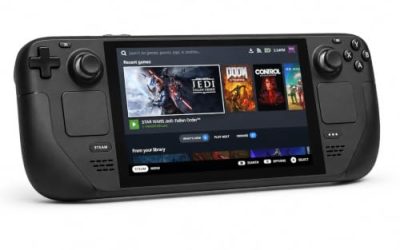
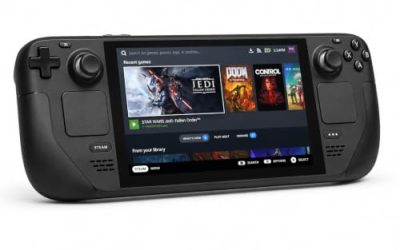
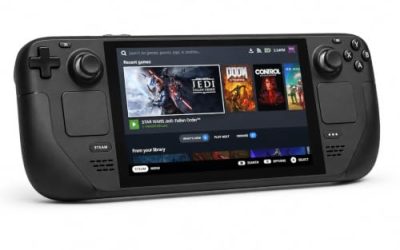
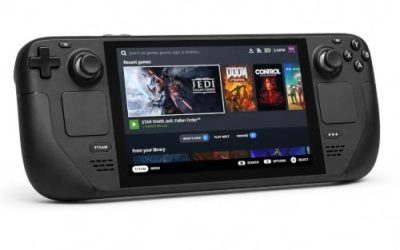
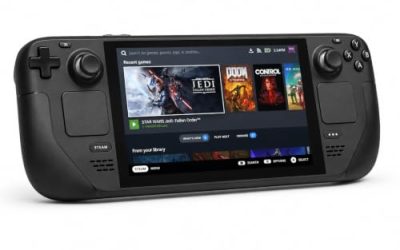
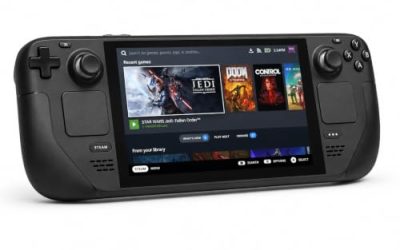
Valve Steam Deck OLED 512GB
- Display: 7.4-inch HDR OLED, 1280 by 800, up to 90 Hz
- Processor: AMD Zen 2 and RDNA 2 custom APU
- Memory: 16 GB LPDDR5
- Storage: 512 GB NVMe, plus a microSD slot
The handheld the Playable badge was written for. The game’s published requirements are a rounding error next to the Deck’s APU, and community filings describe high frame rates at high settings on the device.
8BitDo Ultimate 2 Bluetooth Controller
- Connectivity: Bluetooth wireless and USB-C wired
- Joysticks: TMR electromagnetic, anti-drift design
- Triggers: Hall effect, with mode switching
- Extras: two remappable back buttons, motion control
The docked and desktop pad pick. Steam lists full controller support for the game, and this pad covers the couch case with modern sticks, triggers and back buttons.
Xbox Wireless Controller, Carbon Black
- Connectivity: Xbox Wireless and Bluetooth
- Port: USB-C for wired play
- Controls: hybrid D-pad, dedicated Share button
- Power: AA batteries or optional rechargeable pack
The safest guest pad in PC gaming: Steam Input support is universal, the glyphs match what most games display, and it pairs over Bluetooth or its own wireless standard. On the handheld, the sheet’s note applies: an external pad may need a manual Quick Access Menu switch first.
Logitech G502 HERO
- HERO optical sensor, up to 25,600 DPI
- 11 programmable buttons
- Adjustable weight system
- Wired USB connection
At a desk, a fast shooter is a mouse game first, and a precise wired mouse suits the snap aiming this one asks for. Eleven programmable buttons cover the inputs a long session repeats.
Samsung T9 Portable SSD 2TB
- Capacity: 2 TB portable SSD
- Interface: USB 3.2 Gen 2×2, USB-C connector
- Maker-rated speeds: up to 2,000 MB per second read, 1,950 MB per second write
- Features: Dynamic Thermal Guard, maker-rated drop resistance
For moving a Linux game library between machines, or keeping an offline backup of installers, a fast USB-C drive is the simple answer. The headline figure needs a Gen 2×2 host port; on a lesser port the drive runs at that ceiling.
How to choose
Choose the Steam copy without shopping around for a native edition, because there is none on any storefront checked. On a Linux desktop, install it, let Steam apply its default Proton, and play; the community file suggests most players need nothing more. If an older report’s problems surface, the documented fix is a community Proton build for the enemy-introduction scenes.
On Steam Deck, expect a good time with one asterisk: the default controller configuration leaves some functionality out of reach, so be ready to borrow a community layout or tap the touchscreen where the default layout stops. Docked players should switch the active pad manually if the game ignores it.
Who should skip
Skip this one if a native build is a hard requirement rather than a preference; the record offers no path to one, and the soundtrack’s Linux flag is not a down payment on a port. Skip it, too, if you want a Deck game whose badge was earned on the current build: Valve’s test is from November 2022, and the official sheet has not been refreshed since. Players who dislike community controller layouts will also feel the Playable deduction more than most.
FAQ
Is Fashion Police Squad native on Linux?
No. Steam flags the game Windows only, the Linux requirements tab is an empty shell, and the single content depot is the Windows build. The only Linux flag in the family belongs to the soundtrack, a music product whose flags describe audio delivery, not a playable port.
How well does it run under Proton?
Very well on the current record. ProtonDB settles the game at Platinum across 25 reports with strong confidence, and recent filings, desktop and Deck alike, mostly describe out-of-the-box play. The complaints on file are older: frame rate dips in busy scenes and an overlay-related crash on one Proton 7-era setup.
What does the Steam Deck Playable badge actually deduct?
One thing of substance: some functionality is not accessible with the default controller configuration, so a community layout, the touchscreen or the virtual keyboard may be needed. Text is legible, glyphs match the device, and default graphics perform well. Valve’s test dates from November 2022 and grades an older build than the one now on sale.
Can I buy it on GOG instead?
No GOG edition exists on the evidence checked: the natural product address resolves to the general catalogue and search surfaces only unrelated games. Steam is the only PC storefront selling it, and on Linux that copy runs through Proton.
Final verdict
Fashion Police Squad is a Windows-only release whose Linux story is nonetheless an easy recommendation for Proton players. The record is clean and consistent: no native build hides behind the soundtrack’s flags or the empty requirements tab, the community file sits at Platinum with strong confidence, and Valve’s Playable badge, though earned on a 2022 build, matches what recent Deck reports describe. Buy it as a Proton game, borrow a community controller layout on the handheld, and prosecute the fashion crimes.
Product and ASIN Reference
| Product | ASIN |
|---|---|
| Valve Steam Deck OLED 512GB | B0CQ3RWQQZ |
| 8BitDo Ultimate 2 Bluetooth Controller | B0F194QFT2 |
| Xbox Wireless Controller, Carbon Black | B08DF248LD |
| Logitech G502 HERO | B07GBZ4Q68 |
| Samsung T9 Portable SSD 2TB | B0CHFS9K14 |