Our Short List of 3

- Display: 7.4-inch HDR OLED, 1280 by 800, up to 90 Hz
- Processor: AMD Zen 2 and RDNA 2 custom APU
- Memory: 16 GB LPDDR5
- Storage: 512 GB NVMe, plus a microSD slot

- Connectivity: Bluetooth wireless and USB-C wired
- Joysticks: TMR electromagnetic, anti-drift design
- Triggers: Hall effect, with mode switching
- Extras: two remappable back buttons, motion control

- Connectivity: Xbox Wireless and Bluetooth
- Port: USB-C for wired play
- Controls: hybrid D-pad, dedicated Share button
- Power: AA batteries or optional rechargeable pack
All 5 Picks at a Glance
| Product | Specs | Action |
|---|---|---|
| Valve Steam Deck OLED 512GB |
| Check price on Amazon |
| 8BitDo Ultimate 2 Bluetooth Controller |
| Check price on Amazon |
| Xbox Wireless Controller, Carbon Black |
| Check price on Amazon |
 Logitech G502 HERO |
| Check price on Amazon |
 Samsung T9 Portable SSD 2TB |
| Check price on Amazon |
Double Dragon Gaiden: Rise Of The Dragons, Secret Base’s roguelite take on the long-running beat-’em-up series, presents a genuinely split record. Steam’s store paperwork calls it a Windows game, full stop: the platform flags deny both Linux and macOS, and the Linux requirements tab is the Windows text pasted into the wrong field. Yet the package Steam sells contains three separate operating-system builds, and the Linux one is neither small nor stale.
So which record should a Linux buyer believe? This piece reads every layer: the flags, the requirements tabs, the depot census, Valve’s Deck sheet, the ProtonDB file and the storefront ruling. The short version: the dependable route is Proton, and the depot, however real, is not the path Steam serves by default.
As an Amazon Associate, we earn from qualifying purchases.
Quick answer
Double Dragon Gaiden is not sold as a native Linux game: Steam flags it Windows only, and Valve’s Deck test ran the Windows build under Proton 8.0-3. ProtonDB settles at Platinum on a thin seven-report file. A genuine Linux depot hides inside the package, but Steam’s default path ignores it, so buy expecting Proton.
The status at a glance
| Question | Answer from the record |
|---|---|
| Sold as a native Linux game | No — Steam flags read Windows only |
| Linux depot in the sold package | Yes — depot 1967263, 2.55 GiB, current build |
| Linux requirements tab | Populated, but with the Windows text pasted in |
| Steam Deck verdict | Verified, tested July 2023 under Proton |
| ProtonDB record | Platinum headline, 7 reports, low confidence |
| GOG edition | None |
A requirements tab that misleads in both directions
Start with the paperwork, because here it fails twice at once. The flags on Steam’s record for app 1967260 read Windows true, Mac false, Linux false. The Mac requirements field is an empty shell: Minimum and Recommended headings over empty lists. The Linux field is populated, which looks like support until read: its minimum tier names Windows 10-11 as the operating system, with the same Core i5-9300H, 8 GB and GTX 1050 as the Windows tab, and the recommended tier repeats the list. The Windows requirements, in other words, were copied into the Linux field and left there.
That matters: a populated Linux requirements field is what compatibility databases key on, which is why the ProtonDB page carries a “Natively Supports” heading generated from a field whose contents describe Windows. The heading is named here and not followed; the ruling below rests on the depot census and on how Steam serves the game.
The depot census: a real Linux build in the box
The depots tell a different story from the flags. The sold package, sub 710377, carries three depots, one per operating system: depot 1967261 for Windows at 2.96 GiB, depot 1967262 for macOS at 2.57 GiB and depot 1967263 for Linux at 2.55 GiB. All three sit on the same current build, 22709693, with manifests dated April 2026, so the Linux build is maintained in step with the Windows one, not abandoned at launch.
The Linux depot’s census shows a genuinely separate build, not a mislabelled copy: 260 files, seven native .so libraries totalling 66.65 MiB, and no Windows executable. The Windows depot holds two .exe files and no .so files, with a different file count and audio layout. The game is built in Unity with the Mono layer, which explains the managed .dll files in both depots: platform-neutral assemblies, while the native libraries separate the builds. The macOS depot makes the same point — flag false, tab an empty shell, build shipped anyway. The store paperwork is simply unreliable in both directions.
Why the ruling still lands on Proton
A real build in the package is not the same as a build Steam sells or serves, and three further layers say the default path is the Windows one. No Linux client icon is registered, only the standard icon set, and the record’s extended-OS field is an empty string. Valve’s Deck test, covered below, ran with Proton 8.0-3 as the recommended runtime: Valve certified the Windows build through the compatibility layer, not a native build. And every one of the seven ProtonDB reports ran a named Proton version, from 8.0-3 through 10.0-3 and Experimental; none describes a native run.
The ruling, then: as sold, Double Dragon Gaiden is a Windows game. A Linux buyer installing it through Steam’s default configuration gets the Windows build under Proton. The Linux depot is real, current and unexplained by any store text: undocumented cargo, not an edition on the store page, and no reason to buy.
Steam Deck: Verified, on launch-day paperwork
Valve rates the game Verified on Steam Deck, its top category, with SteamOS separately Compatible. One evidence note: Valve’s compatibility endpoint returned garbled output this session, so the verdict and its paperwork were read through SteamDB’s republication of Valve’s record, this project’s usual fallback route.
All four Verified checks pass: the default controller configuration is fully functional, the game shows Steam Deck controller icons, interface text is legible, and the default graphics configuration performs well. The configuration names gamepad input, needs no manual keyboard invocation or launcher navigation, and carries one note rather than a deduction: saves do not cross platforms, so a save started on a Windows desktop does not travel to the Deck. The paperwork is old, though: the test is dated 27 July 2023, launch day, against build 11744438, while the current build is 22709693. The badge grades a superseded build, and its recommended runtime, Proton 8.0-3, confirms the certification belongs to the Windows build under Proton.
ProtonDB: Platinum on a thin file
ProtonDB’s summary record was read in full: settled, best-reported and trending tiers are all Platinum, across 7 reports, with confidence rated low. Seven reports is a thin file, and the low confidence is part of the answer: the medal is unanimous but lightly evidenced.
The report text encourages within those limits. The newest, on Proton 10.0-3 under Linux Mint with an RTX 2080 Ti, describes a straight install-and-play run with a controller working perfectly. A Deck report on Proton 8.0-4 rates local multiplayer Excellent, with Remote Play Together working perfectly from a Deck host. An older report needed Proton Experimental to stop random freezes; one launch-era GE-Proton report noted minor artifacts and frame drops. Every report ran the Windows build through Proton, as the rest of the record predicts.
Anti-cheat, online play and controllers
No anti-cheat is named anywhere on the game’s Steam record, and the full anti-cheat database maintained by the Are We Anti-Cheat Yet project, all 1,167 entries read for this check, holds no entry for this game in either direction. That is documentation silence, not a clearance. SteamDB detects the Epic Online Services and Mirror SDKs behind the online co-op; a networking SDK is not an anti-cheat, and no verdict is made from it.
The multiplayer is two-player, online and local, per the store categories, which also list shared and split-screen co-op and Remote Play Together. On controllers, the game’s own record is unambiguous: its controller-support field reads full, with DualShock and DualSense lines in its categories. A pad is the intended input throughout.
The storefront ruling
There is no second PC edition to weigh. GOG’s catalogue API returns only unrelated fuzzy matches for this title, and its embed store search returns zero results. No GOG edition exists in any form, so the Steam copy is the only PC edition sold.
Gear that fits the record
The gear follows the record’s shape: the Verified handheld, two pads, a desktop mouse, fast storage.
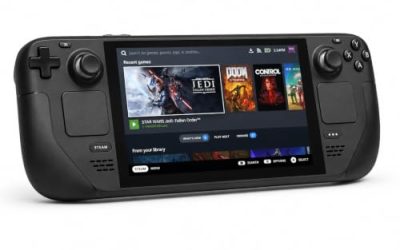
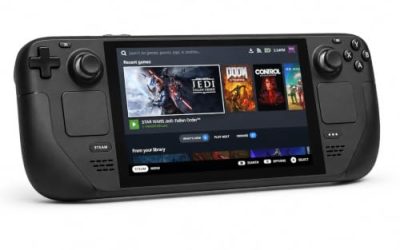
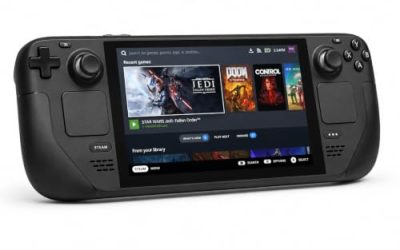
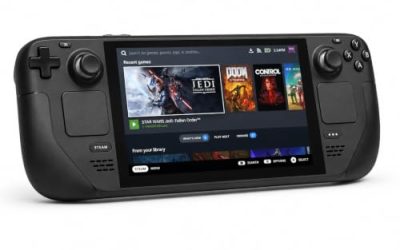
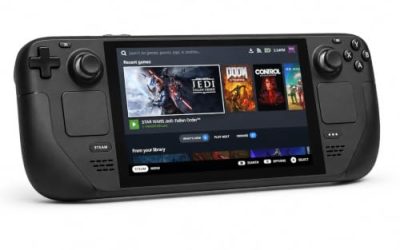
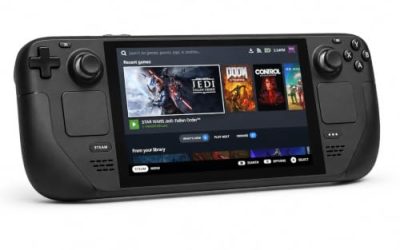
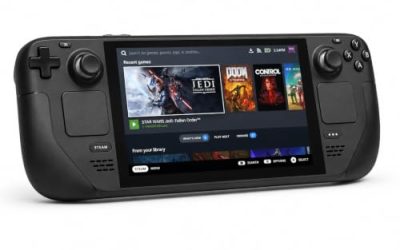
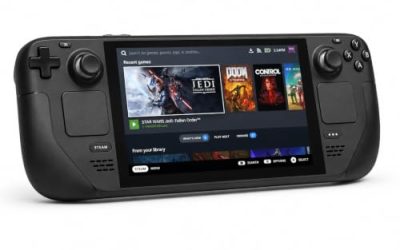
Valve Steam Deck OLED 512GB
- Display: 7.4-inch HDR OLED, 1280 by 800, up to 90 Hz
- Processor: AMD Zen 2 and RDNA 2 custom APU
- Memory: 16 GB LPDDR5
- Storage: 512 GB NVMe, plus a microSD slot
The handheld the Verified badge was written for. The game’s requirements are modest next to the Deck’s APU, and Valve’s sheet gives the Windows build a clean pass; saves stay on the Deck.
8BitDo Ultimate 2 Bluetooth Controller
- Connectivity: Bluetooth wireless and USB-C wired
- Joysticks: TMR electromagnetic, anti-drift design
- Triggers: Hall effect, with mode switching
- Extras: two remappable back buttons, motion control
The first pad pick for a two-player brawler: modern sticks and triggers, back buttons for repeated inputs, and a dock that keeps it charged between runs.
Xbox Wireless Controller, Carbon Black
- Connectivity: Xbox Wireless and Bluetooth
- Port: USB-C for wired play
- Controls: hybrid D-pad, dedicated Share button
- Power: AA batteries or optional rechargeable pack
The second-player standard: universal Steam Input support, the glyphs most games display, and Bluetooth or its own wireless for couch co-op.
Logitech G502 HERO
- HERO optical sensor, up to 25,600 DPI
- 11 programmable buttons
- Adjustable weight system
- Wired USB connection
For desktop sessions, a precise wired mouse covers the token shop, unlocks and menus between stages, with eleven programmable buttons for repeated inputs.
Samsung T9 Portable SSD 2TB
- Capacity: 2 TB portable SSD
- Interface: USB 3.2 Gen 2×2, USB-C connector
- Maker-rated speeds: up to 2,000 MB per second read, 1,950 MB per second write
- Features: Dynamic Thermal Guard, maker-rated drop resistance
For carrying a game library between machines or keeping offline installer backups, a fast USB-C drive is the simple answer. The headline speed needs a Gen 2×2 host port; on a lesser port the drive runs at that ceiling.
How to choose
Choose the Steam copy: it is the only PC edition on sale. On desktop or laptop, install and leave the compatibility tool at its default; the record says that path delivers the Windows build under Proton, and the Platinum file reports it working out of the box. On Deck, the Verified badge means install and launch, with saves staying on the device they were made on. For input, buy pads first: this two-player co-op brawler’s record promises full controller support, and a second pad is the upgrade it is designed around. Treat the depot as a curiosity, not a reason to buy.
Who should skip
Skip this one if you buy native or nothing: whatever sits in the package, Steam sells and serves it as a Windows title, and no storefront sells a Linux edition. Skip it if you want a DRM-free offline installer, because no GOG edition exists. Skip it if a seven-report ProtonDB file is too thin to reassure you, however unanimous its medal. And skip the two-machine plan if you expected one save to follow you between desktop and Deck: saves do not cross platforms here.
FAQ
Is Double Dragon Gaiden native on Linux?
Not as sold. Steam’s flags read Windows only, no Linux client icon is registered, and Valve tested the game under Proton. A genuine Linux depot, 2.55 GiB on the current build, sits inside the sold package, but no store text mentions it and Steam’s default path ignores it.
Why does ProtonDB call it natively supported?
Its heading is generated from the Linux requirements field, which is populated — with the Windows text pasted into it. The depot census and Valve’s Proton-based Deck test are stronger evidence, and this article follows them.
Is Double Dragon Gaiden Steam Deck Verified?
Yes. Valve’s record gives the game its top category, Verified, with all four checks passing and SteamOS separately Compatible. The test dates from launch day in July 2023 and used Proton 8.0-3, so the badge certifies the Windows build under Proton on a superseded build.
Final verdict
Double Dragon Gaiden is a Windows purchase with a Linux build riding inside its package. Buy it as what it is: a Deck Verified, Platinum-rated Proton game with full controller support and two-player co-op, on a thin but unanimous community file. The depot makes the record fascinating; it does not make the game a native Linux release. The verdict follows the served path, not the cargo.
Product and ASIN Reference
| Product | ASIN |
|---|---|
| Valve Steam Deck OLED 512GB | B0CQ3RWQQZ |
| 8BitDo Ultimate 2 Bluetooth Controller | B0F194QFT2 |
| Xbox Wireless Controller, Carbon Black | B08DF248LD |
| Logitech G502 HERO | B07GBZ4Q68 |
| Samsung T9 Portable SSD 2TB | B0CHFS9K14 |