- Top Pick: beyerdynamic DT 770 PRO, 250 Ohm, Closed Back, Over Ear, Wired Professional Studio Headphones, Audio Monitors, Audiophile, 3m Coiled Cable, Black with Limited Edition Black Velour Ear Pads
- Best Value: beyerdynamic DT 770 Pro (250 Ohm), Closed-Back Studio Headphones, Black
- Premium Choice: Beyerdynamic DT 770 Pro 250 ohm Professional Studio Headphones (Limited Black Edition) (Renewed)
The Beyerdynamic DT 770 PRO 250 ohm is the studio-reference version of Beyerdynamic’s well-loved closed-back monitor — the higher-impedance sibling of the 80-ohm DT 770 that is specifically engineered to be driven by a proper headphone amp or audio interface, not a phone or laptop. It pairs a 45mm dynamic driver with a closed-back chassis, a 250-ohm impedance that genuinely needs an amp, and a fixed coiled cable for around $179. This Beyerdynamic DT 770 PRO 250 ohm review covers the sound signature, comfort, the closed-back use case, amp requirements, who they suit and a verdict.
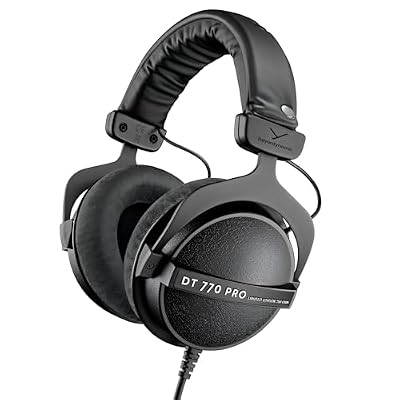
beyerdynamic DT 770 PRO, 250 Ohm, Closed Back, Over Ear, Wired Professional Studio Headphones, Audio Monitors, Audiophile, 3m Coiled Cable, Black with Limited Edition Black Velour Ear Pads





As an Amazon Associate we earn from qualifying purchases. Product prices and availability are accurate as of the date/time indicated.
🛒 Best Price Today on Amazon
Prime members get fast, free shipping on everything above, plus member-only deals. New members get a 30-day free trial — cancel anytime.
As an Amazon Associate we earn from qualifying purchases.


Beyerdynamic DT 770 PRO 250 Ohm at a Glance
| Specification | Detail |
|---|---|
| Type | Closed-back over-ear |
| Driver size | 45mm dynamic |
| Impedance | 250 ohm |
| Frequency response | 5 Hz – 35 kHz |
| Sensitivity | 96 dB SPL/mW |
| Wired / Wireless | Wired only |
| Connection | 3.5mm with screw-on 6.35mm adapter (fixed coiled cable) |
| Weight | Approx. 270 g |
| Approx. price | Around $179 |
Sound Signature & Tonality
Before getting into the specifics of this set it is worth a short refresher on the realities that shape every studio-headphone review. The headline distinction is open-back versus closed-back. A closed-back design seals the ear cup with a solid outer shell, isolating the listener from external noise and stopping the music from leaking outward — that is what you want for a noisy office, a podcast booth or any environment where a microphone is open near your head. An open-back design replaces the solid shell with a grille or perforated cup; sound flows in both directions, you hear the room, the room hears you, but the trade-off is a far more spacious, three-dimensional presentation that audiophiles and mixing engineers prize. Semi-open designs split the difference and are less common.
The second reality is impedance, measured in ohms. Most consumer headphones sit between 16 and 50 ohms and run loud from a phone or laptop without help. Professional studio cans push higher — 80, 250, even 600 ohms — because higher-impedance drivers are easier for an amplifier to drive cleanly and are designed to be fed by a proper amp or audio interface, not a phone jack. The well-known Beyerdynamic DT 770 PRO at 250 ohms, for instance, sounds noticeably quiet and lifeless straight from a laptop; pair it with an entry-level USB DAC or headphone amp and the same set comes alive with authority. Lower-impedance 80- or 32-ohm versions of the same headphone are the right choice if you only have a phone or a basic laptop output.
Finally tonality and use case. Studio monitor headphones are tuned to be honest rather than flattering — the Sony MDR-7506, the Audio-Technica M-series and the Beyerdynamic DT 770 are all designed so that an engineer can hear exactly what is in a mix, including its flaws. That same honesty makes them excellent for gaming directional cues and dialogue intelligibility, less obviously thrilling for casual music listening compared to consumer cans with boosted bass. Audiophile open-back sets like the Sennheiser HD 599 or Beyerdynamic DT 990 PRO trade isolation for soundstage and air; they are wonderful at a quiet desk and frustrating on a train. Pick the set that matches your real environment, not the one with the prettiest graph.
The 250-ohm DT 770 PRO is the version that working studios overwhelmingly choose, and the reasons are subtle but real. Driven by a proper amp the headphone delivers a more refined, controlled bass response than the 80-ohm sibling — tighter, faster transients and a slightly less weighty but more accurate low-end character that mixing engineers prefer for reference work. The clear and informative treble remains, the midrange is balanced and the closed-back design preserves the Beyerdynamic family character that earned the DT 770 line its reputation. For pure mixing reference, mastering work and serious tracking sessions, the 250-ohm version is the version to choose — provided you have the amp to drive it. For the wider mixing-focused category see our best headphones for mixing guide.
Comfort & Weight Over Long Sessions
The 250-ohm DT 770 PRO shares the long-session comfort that made the entire DT 770 line famous — the same plush velour earpads, the same sprung-steel headband, the same well-distributed 270-gram weight. The velour pads breathe well and stay cool even on multi-hour mixing sessions, which is the closed-back design’s secret weapon against rivals with pleather pads that warm up quickly. The clamp pressure is modest. The fixed coiled cable adds weight at the cup but is part of the durable German-engineered build buyers value. For mixing engineers and tracking sessions that may run all day, comfort is genuinely class-leading among closed-back monitors at this price.
Open vs Closed – Use Case
The DT 770 PRO is closed-back, and the design is fundamental to its place in the studio. The closed cup isolates the listener from the control-room or tracking-room environment and stops sound leaking into a live microphone — essential for vocalists and instrumentalists tracking with open mics in the room. The cup engineering preserves more sense of soundstage than typical closed-back monitors, which is one reason mastering engineers tolerate the closed design when they would normally prefer an open-back. The trade-off versus an open DT 990 is real but smaller than on most closed sets. For pure soundstage open-back is still the answer; for closed alternatives see our best closed-back headphones guide.
Amp Requirements & Impedance
At 250 ohms the DT 770 PRO genuinely requires a headphone amp, USB DAC or quality audio-interface headphone output to deliver its full performance — this is not a headphone for the buyer who wants to plug into a phone or basic laptop output. Driven from a weak source the 250-ohm version sounds noticeably quiet and lifeless; paired with even a modest amp the same headphone becomes a different instrument with proper dynamic snap and weight. Beyerdynamic specifically engineered the 250-ohm version for the studio environment where every desk already has an audio interface; if you are buying without that infrastructure, choose the 80-ohm DT 770 PRO instead. For amp and DAC guidance our best headphone DACs guide is the right starting point.
Best For – Gaming / Mixing / Casual
The 250-ohm DT 770 PRO is the right pick for the buyer who already owns a proper amp or audio interface, and who specifically wants the most refined, reference-style version of the DT 770 line for serious mixing, mastering or tracking. It is also a genuinely strong closed-back gaming choice for the FPS player with a desktop DAC or amp who values the wide soundstage and directional cues a well-driven Beyerdynamic delivers. It is not the right pick for the buyer who wants to plug into a phone, laptop or Switch headphone jack — the 80-ohm DT 770 PRO is the answer for that buyer. For the studio-equipped serious user, the 250-ohm version is one of the finest closed-back monitors at the price. The wider category is in our best studio headphones guide.
Verdict
At around $179 the Beyerdynamic DT 770 PRO 250 ohm is the studio-reference version of one of the most respected closed-back monitor lines in the world — but the amp requirement is a real cost that must be factored in. Buyers without an amp should choose the 80-ohm version for similar character with broad source compatibility; buyers chasing open-back soundstage should choose the DT 990 PRO; buyers seeking a more flattering all-rounder should choose the Audio-Technica M50X. For the buyer with a proper amp or interface who wants the most refined closed-back Beyerdynamic for serious studio work, the 250-ohm DT 770 PRO is one of the finest options on the market. See also our best headphones for gaming guide for the gamer-creator perspective and our best gaming headsets guide for headset alternatives.
Frequently Asked Questions
Do the DT 770 PRO 250 ohm need an amp?
Yes. At 250 ohms with 96 dB sensitivity they genuinely require a proper headphone amp, USB DAC or audio-interface headphone output to deliver their full performance. Driven directly from a phone or laptop they sound quiet and lifeless. The 80-ohm version is the right choice for amp-free use.
How do the 80 ohm and 250 ohm DT 770 PRO compare?
The 80 ohm is the practical, broader-compatibility choice that runs well from phones and laptops. The 250 ohm is the studio reference version, engineered for desktops with a proper amp or interface, and slightly more refined when driven properly.
Are the DT 770 PRO 250 ohm good for mixing?
Yes, very. They are one of the most trusted closed-back mixing references at the price, with a refined bass response, clear treble and the comfortable Beyerdynamic build that suits long sessions.
Are the DT 770 PRO 250 ohm closed-back or open-back?
Closed-back. The solid outer cup isolates the listener from the room and prevents sound leaking outward — essential for tracking sessions, podcast production and any environment with an open microphone.
More Studio Headphone Reviews
- OneOdio Wired Studio Monitor Headphones Review: Sub-$40 Closed-Back
- Audio-Technica ATH-M50X Review: Industry Standard Studio Monitor
- Sony MDR-7506 Review: Classic Broadcast Studio Headphone
- Audio-Technica ATH-M20x Review: Entry-Level Studio Monitor
- Beyerdynamic DT 990 PRO 250 Ohm Review: Open-Back Studio Classic
- Beyerdynamic DT 770 PRO 80 Ohm Review: Closed-Back Studio Standard
- Audio-Technica ATH-M40x Review: Mid-Tier Studio Monitor
- Sennheiser Momentum 4 Wireless Review: Consumer Audiophile ANC
Affiliate Disclosure: As an Amazon Associate, we earn from qualifying purchases. If you click a link and make a purchase, we may earn a small commission at no extra cost to you. Prices and availability are accurate as of publication and may change.