A thousand dollars is a generous monitor budget. At the top of that range you can reach genuinely premium territory — 4K resolution at high refresh rates, expansive ultrawide canvases, and the deep contrast of OLED or mini-LED backlighting. In other words, under $1000 you are not forced to compromise; you have the headroom to prioritise whichever quality matters most to you, whether that is pixel density, motion clarity, screen real estate or image-quality technology. This guide frames what that ceiling unlocks, then rounds up six dependable panels that deliver real value well beneath it.
- Best Monitors under $1000 at a Glance
- 1. HP Series 3 27 inch FHD Monitor, IPS Panel 1300:1
- 2. Sceptre 24-inch Prime Thin 1080p, 99% sRGB
- 3. Sceptre Curved 24-inch Gaming Monitor 1080p R1500, 98% sRGB
- 4. Sceptre Curved 27-inch Prime up to 100Hz 1080p, 99% sRGB
- 5. SANSUI 24-inch 100Hz Monitor, FHD 1080P with FreeSync
- 6. KOORUI 22-inch Monitor FHD 1080P 120Hz VA Panel
- How to Choose a Monitor When You Have up to $1000
- Frequently Asked Questions
- Related Guides
- Related Articles
Our picks were chosen on a simple basis: image quality and color for the money, resolution and refresh, build and inputs, and overall value. Crucially, every monitor here costs a small fraction of the $1000 cap — from around $70 to around $178 — which is the point. Spending up to $1000 is one strategy; spending a fraction of it on a solid, color-accurate panel and putting the rest toward your GPU, desk or peripherals is often the smarter one. Below you will find an at-a-glance comparison, then a closer look at each display and a buyer’s guide covering what really separates a great monitor from an ordinary one when budget is no object up to four figures.
As an Amazon Associate we earn from qualifying purchases at no extra cost to you.




🛒 Best Price Today on Amazon
Prime members get fast, free shipping on everything above, plus member-only deals. New members get a 30-day free trial — cancel anytime.
Best Monitors under $1000 at a Glance
| Monitor | Best For | Standout Spec | Approx Price |
|---|---|---|---|
| Sceptre 24-inch Prime 99% sRGB | Color-accurate everyday desktop | 99% sRGB, dual HDMI plus VGA | around $103 |
| HP Series 3 27-inch FHD IPS | Premium-feel productivity at low cost | 27-inch IPS, 1300:1 contrast | around $178 |
| Sceptre Curved 24-inch 98% sRGB | Immersive curved value pick | R1500 curve, 98% sRGB | around $80 |
| KOORUI 22-inch 120Hz VA | Compact high-refresh secondary | 120Hz VA, ultra-slim | around $70 |
| Sceptre Curved 27-inch up to 100Hz | Larger curved canvas | 27-inch curve, 99% sRGB | around $98 |
| SANSUI 24-inch 100Hz FreeSync | Smooth tear-free all-rounder | 100Hz, FreeSync, FHD | around $80 |
1. HP Series 3 27 inch FHD Monitor, IPS Panel 1300:1
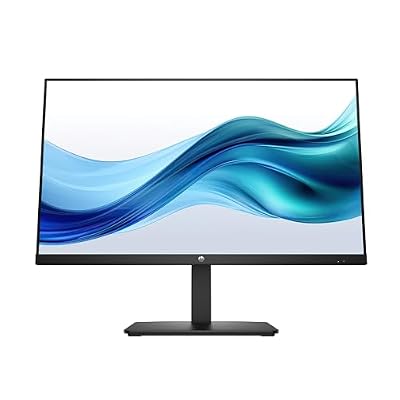
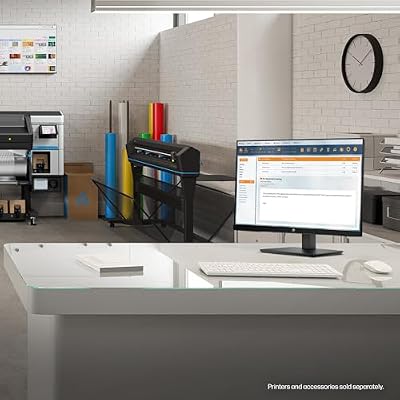
HP Series 3 27 inch FHD Monitor, Full HD Display (1920 x 1080), IPS Panel, 1300:1 Contrast Ratio, 250 Nits, Eye Ease with Eyesafe Certification, Black, 327se (2025)



As an Amazon Associate we earn from qualifying purchases. Product prices and availability are accurate as of the date/time indicated.
When you have up to $1000 to spend, the temptation is to chase the biggest spec sheet — but the HP Series 3 27-inch leads this list because it shows how little a polished, premium-feeling display actually costs. It is a 27-inch Full HD IPS panel with a strong 1300:1 contrast ratio and HP’s clean, modern styling, the kind of monitor that looks at home on any desk. At around $178 it leaves the vast majority of a four-figure budget untouched.
This is the pick to anchor a premium desk without overspending. The IPS panel delivers wide viewing angles and consistent color, the 27-inch size gives comfortable room for documents, spreadsheets and browsing side by side, and the higher-than-typical contrast adds depth to everyday content. It is Full HD rather than 4K, which keeps it affordable; if your priority is a refined, large, color-consistent screen for work and media with money left over for the rest of your setup, the HP Series 3 is the sensible flagship of this group.
Pros: Large 27-inch IPS panel, strong 1300:1 contrast, refined design, leaves budget for other gear.
Cons: Full HD rather than 4K; not a high-refresh gaming panel.
2. Sceptre 24-inch Prime Thin 1080p, 99% sRGB

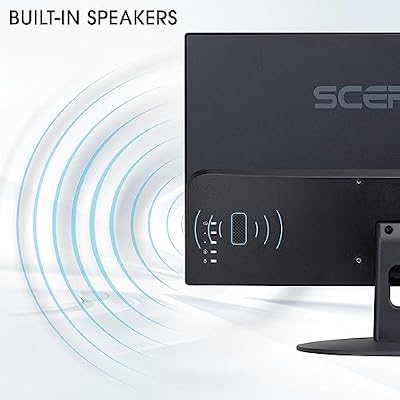
Sceptre 24-inch Prime Monitor Thin 1080p LED Monitor 99% sRGB 2X HDMI VGA Build-in Speakers, Machine Black (E248W-19203R 2025 Series)



As an Amazon Associate we earn from qualifying purchases. Product prices and availability are accurate as of the date/time indicated.
The Sceptre 24-inch Prime is the color-accurate everyday pick. Its standout figure is 99% sRGB coverage — excellent for a panel at this price — on a thin 1080p LED display with dual HDMI and VGA inputs and built-in speakers. At around $103 it reproduces nearly the full sRGB gamut, the color space most web, office and design work targets, for a tiny slice of a $1000 budget.
This is the monitor for a desk where accurate color and a tidy footprint matter more than sheer size. The 99% sRGB coverage means what you see closely matches what your audience sees on standard screens, the slim build looks neat, and the dual HDMI inputs let you connect a PC and a console or laptop at once. With four figures available you could spend far more, but for a clean, color-faithful 24-inch panel that simply gets the job done, the Prime is outstanding value.
Pros: Strong 99% sRGB coverage, slim design, dual HDMI plus VGA, built-in speakers.
Cons: 1080p on a 24-inch panel; standard 60Hz refresh.
3. Sceptre Curved 24-inch Gaming Monitor 1080p R1500, 98% sRGB

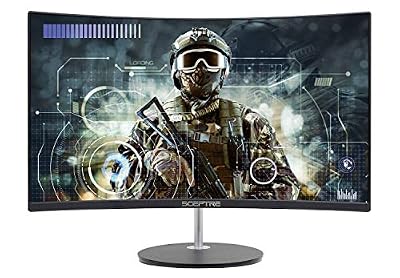
Sceptre Curved 24-inch Gaming Monitor 1080p R1500 98% sRGB HDMI x2 VGA Build-in Speakers, VESA Wall Mount Machine Black (C248W-1920RN Series)



As an Amazon Associate we earn from qualifying purchases. Product prices and availability are accurate as of the date/time indicated.
The Sceptre Curved 24-inch adds immersion to the value equation. It wraps a 1080p panel in a gentle R1500 curve, pairs it with 98% sRGB coverage and dual HDMI plus VGA inputs, and includes built-in speakers. At around $80 it is one of the most affordable ways to get a curved, color-capable screen, and it spends almost none of a four-figure ceiling.
This is the pick for someone who wants the enveloping feel of a curved display on a tight portion of the budget. The R1500 curve draws the edges of the screen slightly toward you for a more immersive sit at a desk, the 98% sRGB coverage keeps colors faithful for everyday and creative tasks, and the gaming styling suits a battlestation. If a curved 24-inch panel that punches above its modest price appeals more than chasing flagship specs, this Sceptre is an easy recommendation.
Pros: Immersive R1500 curve, 98% sRGB coverage, dual HDMI plus VGA, very affordable.
Cons: 1080p resolution; refresh and HDR are basic.
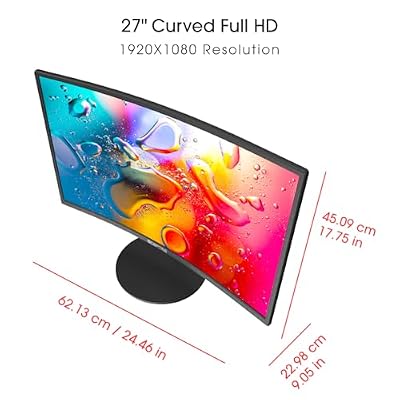
4. Sceptre Curved 27-inch Prime up to 100Hz 1080p, 99% sRGB
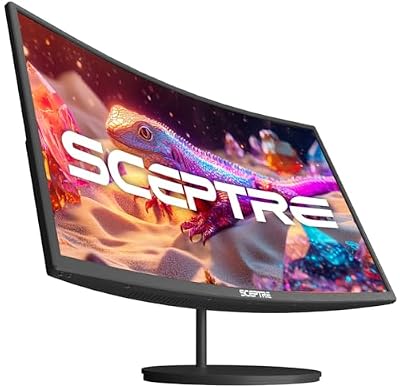
Sceptre Curved 27-inch Prime Monitor up to 100Hz 1080p, HDMI x2, VGA, 99% sRGB, Built-in Speakers, R1500, Machine Black 2025 (C275W-1920RN Series)



As an Amazon Associate we earn from qualifying purchases. Product prices and availability are accurate as of the date/time indicated.
The Sceptre Curved 27-inch Prime scales the curved value formula up to a larger canvas. It is a 27-inch curved 1080p panel with 99% sRGB coverage, an up-to-100Hz refresh rate for smoother motion, and dual HDMI plus VGA inputs. At around $98 it gives you more screen and a touch more speed while still barely denting a $1000 budget.
This is the monitor for the user who finds 24 inches cramped and wants a bigger, immersive workspace without leaving the value tier. The larger 27-inch curve makes spreadsheets, timelines and multiple windows easier to manage, the 99% sRGB coverage keeps color faithful, and the up-to-100Hz refresh adds fluidity to everyday motion and casual gaming over a standard 60Hz panel. For a larger curved screen that still comes in under a hundred dollars, it is a standout.
Pros: Larger 27-inch curved canvas, excellent 99% sRGB, up to 100Hz refresh, great value.
Cons: Still 1080p on 27 inches; pixel density is modest.
5. SANSUI 24-inch 100Hz Monitor, FHD 1080P with FreeSync

SANSUI Monitor 24 inch 100Hz Computer Monitor丨FHD 1080P PC Monitor丨HDMI丨FreeSync丨HDR丨Earphone Jack丨 Ergonomic Tilt for Home and Office




As an Amazon Associate we earn from qualifying purchases. Product prices and availability are accurate as of the date/time indicated.
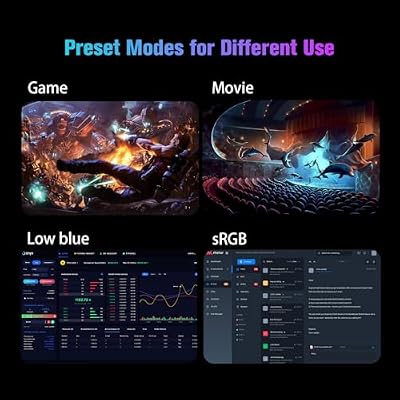
The SANSUI 24-inch is the smooth, tear-free all-rounder. It pairs a Full HD 1080p panel with a 100Hz refresh rate and FreeSync adaptive sync, plus HDMI connectivity, to keep motion fluid and free of tearing during fast content. At around $80 it is an affordable way to add adaptive-sync smoothness to a desk, with the rest of a four-figure budget left intact.
This is the pick for the user who wants noticeably smoother motion than a basic 60Hz screen without paying for a high-end gaming display. The 100Hz refresh makes scrolling, cursor movement and casual gaming feel crisp, FreeSync synchronises the panel with a compatible GPU to eliminate tearing, and the flat 24-inch FHD panel suits a tidy setup. For a dependable, tear-free 100Hz all-rounder at a low price, the SANSUI delivers.
Pros: 100Hz refresh, FreeSync adaptive sync, tear-free motion, affordable FHD all-rounder.
Cons: 1080p resolution; not a color-coverage standout.
6. KOORUI 22-inch Monitor FHD 1080P 120Hz VA Panel

KOORUI 22 Inch Computer Monitor FHD 120Hz VA VESA Low Blue Light, E2212H | Adaptive Sync, 4000:1 Contrast Ratio, Ultra-Slim Display, HDMI 1.4/VGA, Tilt Adjust, Compact for Dorms, Study and Office


As an Amazon Associate we earn from qualifying purchases. Product prices and availability are accurate as of the date/time indicated.
Rounding out the list is the KOORUI 22-inch, the compact high-refresh secondary pick. It is a 22-inch Full HD VA panel with a 120Hz refresh rate and an ultra-slim profile, delivering fast, smooth motion in a small footprint. At around $70 it is the cheapest screen here and barely registers against a $1000 budget, making it ideal as a fast second display or a space-saving primary.
This is the monitor for a small desk, a dual-monitor flank, or anyone who values a high refresh rate over size. The 120Hz VA panel keeps motion fluid and offers the strong contrast VA is known for, the compact 22-inch size fits tight spaces and pairs neatly beside a larger screen, and the slim build looks modern. If you are spreading a generous budget across multiple monitors or want an affordable fast panel, the KOORUI is a smart, low-cost addition.
Pros: Fast 120Hz VA panel, strong contrast, ultra-slim, lowest price here.
Cons: 22-inch is small for a primary; 1080p only.
How to Choose a Monitor When You Have up to $1000
With up to $1000 available, the first decision is which premium quality you value most, because a four-figure budget can buy the best of any one of them. Resolution gives you sharpness — 4K packs four times the pixels of Full HD for crisp detail and more workspace. Refresh rate gives you motion clarity — 120Hz and beyond make fast games and even everyday scrolling feel dramatically smoother. Image-quality technology like OLED or mini-LED gives you contrast and color depth that lift every kind of content. Decide what matters most to you before you spend, because chasing all of it at once is where budgets disappear.
Screen size and format are the next premium consideration. A four-figure ceiling comfortably covers large 32-inch-and-up panels and immersive ultrawide formats that replace a dual-monitor setup with one seamless canvas. Bigger is not automatically better, though: pixel density still matters, so a high resolution on a large screen keeps detail sharp, while a lower resolution stretched across a big panel looks softer. Match the size and aspect ratio to your desk and your work, and remember that a curve can make a very wide screen more comfortable to take in.
Here is the counterpoint this guide is built around: you rarely need to spend the whole thousand. Every panel on this list costs a small fraction of the cap while still delivering faithful color, smooth motion or a comfortable size. A color-accurate 99% sRGB panel like the Sceptre Prime, a refined 27-inch IPS like the HP Series 3, or a 100Hz FreeSync screen like the SANSUI covers the needs of most users superbly. The money you save can go toward a stronger GPU, a second monitor, a better desk or a quality chair — often a bigger upgrade to your overall experience than a single flagship display.
Finally, match inputs and features to your gear and set a real target within the budget. Check that the monitor has the connections you need — multiple HDMI inputs to run a PC and a console, or USB-C if you want single-cable laptop use — and confirm whether you want adaptive sync like FreeSync to pair with your graphics card. Then decide honestly whether your use case justifies spending toward $1000 or whether a dependable value panel like those here, plus smarter spending elsewhere, gets you a better result. The best monitor under $1000 is the one that fits your real priorities — not the one with the highest price tag the budget allows.
Frequently Asked Questions
What can you actually get for under $1000 in a monitor?
A lot. Under $1000 the market includes 4K high-refresh panels, large 32-inch-plus displays, immersive ultrawides, and OLED or mini-LED screens with premium contrast. That headroom means you can prioritise whichever quality matters most to you. Equally, as this guide shows, dependable color-accurate and high-refresh panels cost far less — so you can spend a fraction of the cap and put the rest toward the rest of your setup.
Is it worth spending the full $1000 on a monitor?
Only if your use case genuinely benefits. For competitive gaming, professional content work or a large premium desk, a higher-end 4K, ultrawide or OLED panel can be worth it. For most people, a solid value monitor like the HP Series 3 27-inch or a 99% sRGB Sceptre panel covers their needs for well under $200, freeing budget for a better GPU, chair or second screen — often a larger real-world upgrade.
Do I need 4K, or is Full HD fine for this budget?
It depends on screen size and how close you sit. On panels up to about 24 to 27 inches, Full HD like the Sceptre and HP picks here looks clean and keeps the price low. 4K shines on larger screens and for detailed creative work where extra sharpness and workspace pay off. With up to $1000 you can choose 4K freely, but Full HD remains a perfectly sensible, money-saving choice for many setups.
Should I buy one premium monitor or two cheaper ones?
If you multitask, two screens often beat one. A four-figure budget could buy a single flagship or a pair of capable panels like the KOORUI 22-inch alongside a larger Sceptre or HP display, giving you more total workspace for the money. For immersive single-screen gaming or color-critical work, one quality monitor wins; for productivity and flexibility, a dual-monitor setup from this list is frequently the smarter spend.
Related Guides
- Best Monitors
- Best 4K Monitors
- Best Ultrawide Monitors
- Best Gaming Monitors
- Best Gaming PC Builds
- Best Monitor Arms for Your Desk
Affiliate Disclosure: As an Amazon Associate, we earn from qualifying purchases. If you click a link and make a purchase, we may earn a small commission at no extra cost to you. Prices and availability are accurate as of publication and may change.