- Top Pick: FIFINE AmpliGame AM8T XLR/USB Gaming Microphone Set, Dynamic PC Mic
- Best Value: Webcam Streaming Kit for Gaming Setup–1080P HD Camera, RGB USB Microphone & LED Light, All-in-One Streaming Accessories for Twitch, YouTube, Zoom, WFH. PC/Mac Compatible (Capture Card Needed for PS5)
- Premium Choice: Gaming Microphone for PC: USB Mic for Podcasts Videos & Streaming – Condenser Mic with Quick Mute & Pop Filter – RGB Microphone Gift for Gamer boys – Compatible with PS4/5 & Computer & Laptop
Turning your gameplay into a watchable stream takes more than a fast PC. The right camera, microphone, lighting, and control gear separate a rough first broadcast from a professional-looking channel. This guide covers the best streaming gear for gaming in 2026, helping you build a setup that looks and sounds great without breaking the bank.
As an Amazon Associate I earn from qualifying purchases.
As an Amazon Associate we earn from qualifying purchases at no extra cost to you.
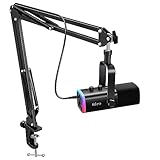
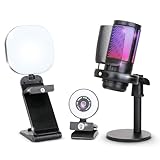
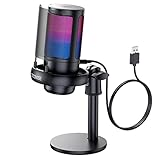


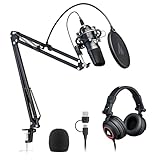
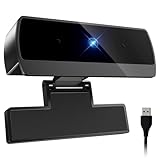
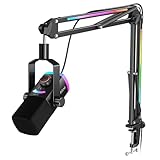


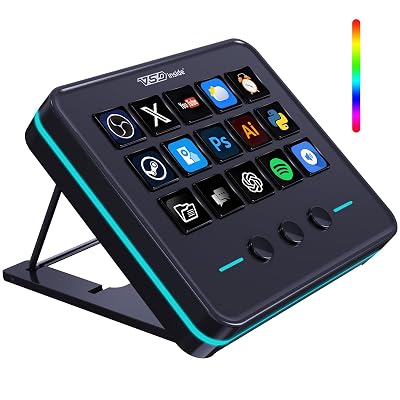

We focus on the essentials that make the biggest visible and audible difference, plus a few upgrades to grow into as your channel expands. Everything here is chosen for reliability and value. If you are just getting started, our first stream setup guide walks through the basics.
🛒 Best Price Today on Amazon
Prime members get fast, free shipping on everything above, plus member-only deals. New members get a 30-day free trial — cancel anytime.
Best Streaming Gear for Gaming at a Glance
| Product | Best For | Standout Feature | Rating |
|---|---|---|---|
| Elgato Stream Deck MK.2 | Scene control | Customizable LCD keys | 4.8/5 |
| Shure MV7+ | Broadcast voice | Hybrid USB and XLR | 4.8/5 |
| Logitech Brio 500 | Face cam | Sharp 1080p with auto-framing | 4.6/5 |
| Elgato Key Light Air | Lighting | App-controlled brightness | 4.7/5 |
| Elgato Cam Link 4K | DSLR capture | Turns cameras into webcams | 4.7/5 |
Building Your Streaming Gear Setup Step by Step
Prioritize audio first, then lighting, then camera. Viewers forgive average video far more readily than bad sound, so a good microphone is the highest-impact upgrade. Lighting comes next because it makes any camera look better. Once those are handled, a dedicated camera and control gear polish the presentation. The picks below follow that order of importance.
Elgato Stream Deck MK.2
The Stream Deck is mission control for your broadcast, letting you switch scenes, trigger sound effects, and toggle sources with a single tap of its customizable LCD keys. It removes the frantic alt-tabbing that plagues new streamers and keeps you focused on your game. As your channel grows, its automation possibilities grow with it.
Pros: Huge workflow boost, endlessly customizable. Cons: Learning curve to configure. See setups in our stream control guide.
Shure MV7+ Microphone
Audio makes or breaks a stream, and the MV7+ delivers rich, broadcast-quality voice with both USB and XLR outputs. That hybrid design means you can start simple over USB and later expand into a mixer setup without buying a new mic. Its close-mic design rejects room noise nicely, keeping your voice front and center.
Pros: Excellent voice quality, USB and XLR, good noise rejection. Cons: Needs a boom arm for best results. Compare mics in our microphone guide.
Logitech Brio 500 Webcam
The Brio 500 offers crisp 1080p video with auto-framing that keeps you centered as you move. Its light-correction handles typical room lighting well, and the magnetic mount makes positioning easy. For streamers who want a strong face-cam without stepping up to a mirrorless camera, it is a reliable, fuss-free choice.
Pros: Sharp 1080p, auto-framing, easy mount. Cons: No 4K, average low-light.
Elgato Key Light Air
Good lighting instantly elevates your on-camera look, and the Key Light Air provides soft, adjustable illumination controlled from an app or Stream Deck. Its edge-lit panel avoids harsh shadows, and you can tune brightness and color temperature to match your room. It is the simplest way to look professional on camera.
Pros: Soft even light, app control, compact. Cons: Stand is basic. Learn placement in our lighting setup guide.
Elgato Cam Link 4K
When you are ready to upgrade from a webcam, the Cam Link 4K turns a DSLR or mirrorless camera into a high-quality streaming source over USB. The jump in image quality and depth of field is dramatic. It is a popular step-up purchase for streamers who already own a capable camera and want cinematic video.
Pros: Pro-level video, simple plug-in capture. Cons: Requires a compatible camera.
Boom Arm and Pop Filter Combo
A sturdy boom arm keeps your microphone positioned perfectly and off your desk, reducing thumps and clutter, while a pop filter smooths out harsh plosive sounds. Together they are an inexpensive upgrade that noticeably improves audio quality and desk ergonomics. Pair them with any of the microphones above for a cleaner, more professional sound.
Pros: Better mic placement, cleaner audio, tidy desk. Cons: Requires desk clamp space.
Optimizing Your Stream Beyond the Gear
Great gear is only half the battle. Configure your streaming software with sensible bitrate and resolution settings for your internet connection, and test everything before going live. Treat your room acoustics with soft furnishings to reduce echo, and frame your shot so your face and overlays are balanced. Our streaming software guide covers encoder settings in depth.
Finally, upgrade gradually. Start with a solid mic and lighting, learn your software, then add a camera and control surface as your channel grows. Spreading purchases over time keeps costs manageable and lets you refine your setup based on real experience rather than guesswork.
Frequently Asked Questions
What streaming gear should I buy first?
Start with a good microphone, because viewers tolerate imperfect video far more than poor audio. Next, add lighting, which improves how any camera looks. Then invest in a webcam or capture card and a control surface like a Stream Deck. Building in this order maximizes the impact of each purchase and keeps your early spending focused on what matters most.
Do I need a capture card to stream PC games?
For streaming a single PC’s gameplay, you usually do not need a capture card because software like OBS captures your screen directly. Capture cards become useful for streaming console gameplay or running a dual-PC setup that separates gaming and encoding. If you only stream from one gaming PC, skip the capture card and invest elsewhere first.
Is a dedicated microphone better than a headset mic for streaming?
Generally yes. A dedicated USB or XLR microphone captures richer, clearer voice than most headset mics and gives you more control over sound. Headset mics are convenient and fine for casual play, but for a polished stream a standalone mic on a boom arm delivers noticeably better results and helps your channel sound professional.
How much does a good starter streaming setup cost?
A capable starter setup covering a quality microphone, a key light, and a webcam is achievable for a moderate budget, with control surfaces and capture cards as optional add-ons. You can begin with just a good mic and your existing webcam, then expand over time. Prioritizing audio and lighting first keeps early costs reasonable while still looking professional.
Ready to decide? Our #1 pick for 2026 is the Elgato Stream Deck MK.2.
Live price & availability on Amazon.