🛒 Best Price Today on Amazon
Prime members get fast, free shipping on everything above, plus member-only deals. New members get a 30-day free trial — cancel anytime.
- Top Multitasking Cpus Picks for 2026
- Best Multitasking CPUs at a Glance
- 1. AMD Ryzen 7 5700X 8-Core, 16-Thread Unlocked Desktop Processor
- 2. AMD Ryzen 7 5800X 8-Core, 16-Thread Unlocked Desktop Processor
- 3. AMD Ryzen 7 5700G 8-Core, 16-Thread Processor with Radeon Graphics
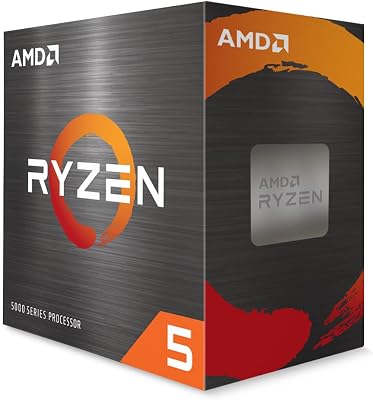
- 4. AMD Ryzen 5 5600X 6-Core, 12-Thread Unlocked Desktop Processor
- 5. AMD Ryzen 5 5500 6-Core, 12-Thread Unlocked Processor with Wraith Stealth
- 6. AMD Ryzen 3 3200G 4-Core Processor with Radeon Graphics
- How to Choose a Multitasking CPU
- Frequently Asked Questions
- Related Guides
- Related Articles
Top Multitasking Cpus Picks for 2026
Here are our current top multitasking cpus picks, compared on real Amazon owner reviews, price, and features. Live prices update below.
As an Amazon Associate we earn from qualifying purchases at no extra cost to you.





Multitasking is where core and thread count earns its keep. When you keep many applications open at once — a game plus a browser, a stream plus chat, an editing timeline plus background renders, dozens of tabs alongside productivity apps — the CPU’s ability to handle many simultaneous threads is what keeps the whole system feeling smooth instead of stuttering. That makes core count, and especially thread count, the headline spec for a multitasking processor. This guide rounds up the best multitasking CPUs in 2026 from AMD’s proven Ryzen lineup, leading with the higher core-and-thread chips that handle heavy workloads best.
Our picks were chosen on what genuinely drives multitasking: core and thread count first, then per-core speed, platform value, and whether integrated graphics are included. We have used approximate prices from around $48 up to around $248, and we are honest that the eight-core, sixteen-thread chips here handle heavy simultaneous workloads far better than the four-core option, which we flag clearly. The list leads with the strongest multitaskers and works down to lighter and value picks. Below is an at-a-glance comparison of all six, then a closer look at each and a buyer’s guide built around cores, threads and integrated graphics — the criteria that actually matter for multitasking.
Best Multitasking CPUs at a Glance
| CPU | Best For | Standout Spec | Approx Price |
|---|---|---|---|
| AMD Ryzen 7 5700X | Heavy multitasking value | 8 cores / 16 threads | around $248 |
| AMD Ryzen 7 5800X | High-performance multitasking | 8 cores / 16 threads, high clocks | around $210 |
| AMD Ryzen 7 5700G | Multitasking with integrated graphics | 8 cores / 16 threads + Radeon | around $208 |
| AMD Ryzen 5 5600X | Balanced six-core multitasking | 6 cores / 12 threads | around $180 |
| AMD Ryzen 5 5500 | Budget multitasking | 6 cores / 12 threads, value | around $84 |
| AMD Ryzen 3 3200G | Light multitasking + iGPU | 4 cores + Radeon graphics | around $48 |
1. AMD Ryzen 7 5700X 8-Core, 16-Thread Unlocked Desktop Processor

As an Amazon Associate we earn from qualifying purchases. Product prices and availability are accurate as of the date/time indicated.
The AMD Ryzen 7 5700X is the multitasking value pick of this list. With eight cores and sixteen threads, it has the parallel horsepower to juggle a long list of simultaneous tasks — gaming while streaming, editing with background renders, or dozens of apps and tabs at once — while running efficiently. As an unlocked AM4 chip it drops into a huge range of affordable motherboards. At around $248 it is a strong all-round multitasking processor.
This is the pick for the user who runs a lot at once and wants ample threads without paying flagship money. Sixteen threads keep heavy multitasking smooth, so background work does not stall whatever is in the foreground, and the efficient design pairs nicely with mainstream coolers. The mature AM4 platform means cheap, widely available boards and memory. If your priority is comfortable headroom for heavy simultaneous workloads at a sensible price, the Ryzen 7 5700X leads this list for good reason.
Pros: Eight cores and sixteen threads for heavy multitasking, efficient, affordable AM4 platform.
Cons: No integrated graphics — needs a discrete GPU; highest price here.
2. AMD Ryzen 7 5800X 8-Core, 16-Thread Unlocked Desktop Processor


As an Amazon Associate we earn from qualifying purchases. Product prices and availability are accurate as of the date/time indicated.
The AMD Ryzen 7 5800X is the high-performance multitasking pick. It shares the eight-core, sixteen-thread layout that makes for excellent multitasking, but runs at higher clock speeds and a higher power target, giving it stronger per-core performance for demanding foreground tasks on top of all those threads. At around $210 it pairs flagship-class Zen 3 multitasking with snappier responsiveness.
This is the pick for the power user who multitasks heavily and also wants strong single-task speed — for example gaming at high frame rates while streaming and running background apps, or heavy creative work with no patience for lag. The sixteen threads handle the simultaneous load, while the higher clocks keep the active application feeling fast. It runs hotter than the 5700X, so pair it with a capable cooler. For top-tier AM4 multitasking with extra responsiveness, the 5800X is the standout.

Pros: Eight cores and sixteen threads with high clocks, excellent multitasking plus strong per-core speed.
Cons: Runs hotter and needs a good cooler; no integrated graphics.
3. AMD Ryzen 7 5700G 8-Core, 16-Thread Processor with Radeon Graphics

AMD Ryzen™ 7 5700G 8-Core, 16-Thread Desktop Processor with Radeon™ Graphics


As an Amazon Associate we earn from qualifying purchases. Product prices and availability are accurate as of the date/time indicated.
The AMD Ryzen 7 5700G is the multitasking pick with integrated graphics built in. It offers the same eight cores and sixteen threads as the other Ryzen 7 chips here, but adds Radeon graphics on the die, so it can drive a display and handle everyday and light gaming workloads without a separate GPU. At around $208 it is a versatile choice for a capable system that does not need a discrete graphics card.
This is the pick for the user who wants strong multitasking and the flexibility of onboard graphics — a productivity or home-office build, a compact system, or a PC that will run while you wait to add a GPU later. The sixteen threads keep many apps running smoothly at once, and the integrated Radeon graphics handle desktop work, media and lighter games on their own. For heavy multitasking in a build that can skip a discrete card, the 5700G is the clear, well-rounded choice.
Pros: Eight cores and sixteen threads plus integrated Radeon graphics, no discrete GPU required.
Cons: Integrated graphics are not for demanding gaming; less cache than the 5700X/5800X.
4. AMD Ryzen 5 5600X 6-Core, 12-Thread Unlocked Desktop Processor

AMD Ryzen 5 5600X 6-core, 12-thread unlocked desktop processor with Wraith Stealth cooler

As an Amazon Associate we earn from qualifying purchases. Product prices and availability are accurate as of the date/time indicated.
The AMD Ryzen 5 5600X is the balanced six-core multitasking pick. With six cores and twelve threads it handles everyday multitasking comfortably — a game plus a browser, common productivity apps, light streaming — while offering excellent per-core speed and including a Wraith Stealth cooler in the box. At around $180 it is a popular, well-rounded mainstream processor.
This is the pick for the user with moderate multitasking needs who wants a responsive, efficient chip and a tidy package. Twelve threads are plenty for typical simultaneous workloads, and the strong single-core performance keeps the active task quick. The bundled cooler keeps the build simple and saves money. It does not match the eight-core chips for the heaviest simultaneous loads — be realistic if you stream and edit while gaming — but for balanced, everyday multitasking it is a smart, value-conscious choice.

Pros: Six cores and twelve threads, strong per-core speed, includes a cooler, efficient.
Cons: Fewer threads than the Ryzen 7 chips; less ideal for the heaviest simultaneous workloads.
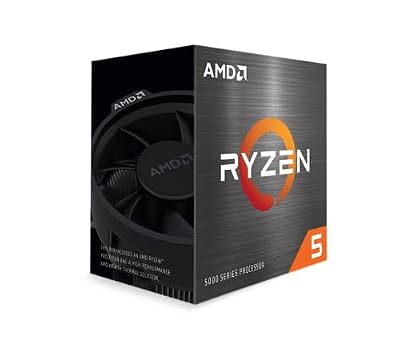
5. AMD Ryzen 5 5500 6-Core, 12-Thread Unlocked Processor with Wraith Stealth

AMD Ryzen 5 5500 6-Core, 12-Thread Unlocked Desktop Processor with Wraith Stealth Cooler


As an Amazon Associate we earn from qualifying purchases. Product prices and availability are accurate as of the date/time indicated.
The AMD Ryzen 5 5500 is the budget multitasking pick. It provides six cores and twelve threads — genuinely capable parallel performance for the money — and ships with a Wraith Stealth cooler, all for around $84. For a budget build that still needs to handle several tasks at once, it delivers a lot of multitasking capability per dollar.
This is the pick for the cost-conscious builder who wants more than entry-level multitasking without spending much. Twelve threads handle everyday simultaneous workloads — a game alongside a browser and chat, or general productivity multitasking — far better than a four-core chip, and the included cooler keeps total cost down. It has less cache and lower clocks than the 5600X, so it is a step below in outright speed, but as an affordable twelve-thread multitasker, the Ryzen 5 5500 is excellent value.
Pros: Six cores and twelve threads at a low price, includes a cooler, strong value for multitasking.
Cons: Less cache and lower clocks than the 5600X; no integrated graphics for gaming.
6. AMD Ryzen 3 3200G 4-Core Processor with Radeon Graphics
As an Amazon Associate we earn from qualifying purchases. Product prices and availability are accurate as of the date/time indicated.
Rounding out the list is the AMD Ryzen 3 3200G, the light-multitasking pick with integrated graphics. It is a four-core chip with Radeon graphics built in, making it a complete, GPU-free starting point for a basic system, and at around $48 it is by far the cheapest option here. It is best understood as an entry-level, light-duty processor rather than a heavy multitasker.
This is the pick for a genuinely budget build, a basic home or office PC, or a first system where light multitasking and integrated graphics matter more than raw thread count. The four cores handle web browsing, office work and a handful of apps at once, and the onboard Radeon graphics drive a display and light gaming with no discrete card. Be honest about its limits, though: with only four cores it is not built for heavy simultaneous workloads like gaming while streaming — for that, step up to one of the six- or eight-core chips above. As an affordable, all-in-one light multitasker, it does its job.
Pros: Affordable four-core chip with integrated Radeon graphics, complete GPU-free entry build.
Cons: Only four cores — not for heavy multitasking; clearly the lightest-duty CPU here.
How to Choose a Multitasking CPU
For multitasking, core and thread count is the spec that matters most. Threads are the number of simultaneous tasks the CPU can actively work on, so more threads mean smoother handling when many applications run at once. The eight-core, sixteen-thread Ryzen 7 chips here — the 5700X, 5800X and 5700G — lead precisely because they have the most threads, while the six-core, twelve-thread Ryzen 5 chips handle moderate multitasking well and the four-core Ryzen 3 3200G is best kept to light duty. Match the thread count to how heavily you actually multitask.
Per-core speed still matters, because the application in the foreground benefits from fast individual cores even while threads handle the background. The Ryzen 7 5800X stands out here, pairing sixteen threads with higher clocks for snappier active-task performance, while the 5600X offers strong per-core speed in a six-core package. If you multitask heavily but also want the foreground task to feel fast, weigh clock speed alongside thread count rather than chasing cores alone.
Integrated graphics are a key branching decision. The Ryzen 7 5700G and Ryzen 3 3200G include Radeon graphics on the die, so they can run a complete system without a discrete GPU — ideal for productivity builds, compact PCs, or systems waiting on a graphics card. The 5700X, 5800X, 5600X and 5500 have no integrated graphics and require a separate GPU. Decide whether you need onboard graphics before you choose, since it narrows the field considerably.
Finally, weigh platform value and your budget. All these chips use AMD’s mature AM4 platform, which means a wide choice of affordable motherboards and DDR4 memory — a genuine cost advantage. Several Ryzen 5 chips include a cooler, saving more. Set your budget, decide how many threads your multitasking really needs and whether you want integrated graphics, and pick the CPU on this list that fits — leaning toward the eight-core chips for the heaviest workloads and the six-core chips for balanced everyday multitasking.
Frequently Asked Questions
How many cores and threads do I need for multitasking?
For heavy multitasking — gaming while streaming, editing with background renders, many apps at once — an eight-core, sixteen-thread chip like the Ryzen 7 5700X, 5800X or 5700G gives the most headroom. For moderate everyday multitasking, a six-core, twelve-thread Ryzen 5 such as the 5600X or 5500 is plenty. The four-core Ryzen 3 3200G suits only light multitasking. More threads handle more simultaneous tasks smoothly, so match the count to your workload.
Which of these CPUs have integrated graphics?
The AMD Ryzen 7 5700G and the Ryzen 3 3200G include Radeon graphics on the die, so they can run a complete system and handle light gaming without a discrete GPU. The Ryzen 7 5700X, Ryzen 7 5800X, Ryzen 5 5600X and Ryzen 5 5500 have no integrated graphics and need a separate graphics card. If you want a GPU-free build, choose the 5700G for strong multitasking or the 3200G for a light, budget system.
Is the Ryzen 5 5600X or the Ryzen 7 5700X better for multitasking?
For multitasking specifically, the Ryzen 7 5700X is the stronger choice because its sixteen threads handle more simultaneous tasks than the 5600X’s twelve. The 5600X counters with excellent per-core speed and an included cooler at a lower price, so it is the better value for moderate multitasking and responsive foreground performance. Pick the 5700X for heavy simultaneous workloads and the 5600X for balanced everyday use.
Is the Ryzen 3 3200G good enough for multitasking?
Only for light multitasking. With four cores it comfortably handles web browsing, office work and a handful of apps at once, and its integrated graphics make it a complete budget build. But it is not designed for heavy simultaneous workloads like gaming while streaming — for that you want a six- or eight-core chip. Be honest about your needs: as an affordable, all-in-one light multitasker it is fine, but it is the lightest-duty CPU on this list.
Related Guides
- Best CPUs for Gaming
- Best CPUs for Streaming
- Best Budget CPUs
- Best CPU Coolers
- Best RAM for Gaming
- Best Gaming PC Builds
Affiliate Disclosure: As an Amazon Associate, we earn from qualifying purchases. If you click a link and make a purchase, we may earn a small commission at no extra cost to you. Prices and availability are accurate as of publication and may change.