

- Top Pick: First Alert Hardwire Combination Smoke & Carbon Monoxide Alarm | SMICO100-AC, 9V Battery Backup
- Best Value: SITERWELL Hardwired Interconnected Smoke and Carbon Monoxide Detector, 10 Year Product Life Alarm Smoke Carbon Monoxide Detectors with 2 AA Batteries Back Up, Smoke and CO Detector (5 Packs)
- Premium Choice: Kidde Hardwired Smoke & Carbon Monoxide Detector, 10-Year Battery Backup, Voice Alerts, Interconnectable LED Warning Light Indicators, 4 Pack
The word that matters most in this search is “hardwired.” A plug-in or battery-only alarm can be fixed to a ceiling in minutes, but a hardwired combination detector connects to your home’s 120-volt circuit, keeps a battery as backup, and can link with other alarms so that a fire in the basement sounds in the bedrooms. If you are replacing an existing ceiling unit, you are mostly choosing among brands whose mounting plates, connectors, and battery types differ. If you are adding units in a renovation, you are also choosing how many alarms to buy at once.
This guide is for homeowners, landlords, and renovators who want smoke and carbon monoxide detection in a single hardwired unit instead of two separate devices. It compares nine models on listed features: interconnect capability, backup battery type, voice alerts, and certifications. One smoke-only alarm from the same search was left out because it lacks carbon monoxide sensing. Local code and your electrician decide where alarms must go, and installation of mains-wired equipment belongs to a qualified person, so use this guide to narrow the model, not to skip the professional. Check your jurisdiction’s rules in 2026 before you order, since requirements for placement and replacement intervals vary by region.
Quick Picks
As an Amazon Associate we earn from qualifying purchases at no extra cost to you.
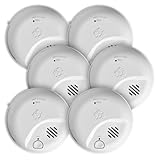

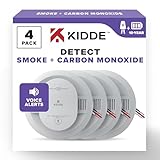


| Product | Best for | Key spec from the title |
|---|---|---|
| First Alert SMICO100-AC | Single-unit swap | Hardwire combo, 9V battery backup |
| SITERWELL 5-Pack | Whole-house kit | Interconnected, 10-year life, 2 AA backup |
| Kidde 4-Pack Voice | Four-room setup | 10-year battery backup, voice alerts, LED indicators |
| First Alert BRK SC9120B-6 | Large homes | 6-pack, battery backup |
| Kidde 2-Pack AA Backup | Small homes and apartments | AA backup, voice alerts, interconnectable |
| Kidde 30CUA10-V | Single replacement | 10-year battery backup, 85 dB, voice and LED |
| SITERLINK 5-Pack | Multi-room kit with voice | Wired interconnected, battery, voice alert |
| Kidde 30CUA10 3-Pack | Three-bedroom homes | Hardwired, 10-year battery, interconnect |
| 911 EverGuard | Certification-minded buyers | UL 217 and UL 2034, ETL listed, photoelectric |
How to Choose
Confirm the standards on the label
Smoke alarms are evaluated to UL 217 and carbon monoxide alarms to UL 2034 in the United States. Listings that name both, as the 911 EverGuard title does, are easier to compare. Many titles skip certifications entirely, so look for a listing mark on the product page or box before you pay for any alarm, and be cautious of copy that only says “approved” without naming a standard.
Choose the backup battery system
Hardwired alarms keep running during a power cut on a backup battery. Some use a 9V cell, some use two AA cells, and some use a sealed 10-year battery that cannot be replaced. A sealed unit means no battery chirps, but you replace the whole alarm at the end of its life. A replaceable cell lets you keep the alarm but means periodic swaps. Choose based on how often you want to climb a ladder, and on whether you prefer paying attention to a replaceable cell or to a fixed end date.
Look at interconnect and alert style
Interconnected alarms trigger one another so every unit sounds at once, which matters in a two-story house. Check whether the connection is wired and whether mixing brands is supported; in general, keep units in one home on the same brand and series. Voice alerts announce the hazard in words, which helps children and visitors tell smoke from carbon monoxide. LED indicators show status at a glance. A listed 85 dB sound level is a common figure for alarm horns, and it gives a concrete number when the rest of the copy is vague. Bedroom doors, thick walls, and heavy sleepers all affect how well a horn carries.
Match pack size to your floor plan
Bedrooms, hallways outside sleeping areas, and each level of a home typically need coverage, which can add up fast. Count the rooms before choosing a 2-pack, 4-pack, or 6-pack, and confirm that your existing wiring and mounting bracket suit the new model. Some brands include adapter plates, while others expect you to reuse the old base, so read the fitment notes. Ignore marketing about being “smart” unless the title says how the feature works, and watch that budget multipacks do not trade away certifications for volume.
The 9 Best Options
First Alert SMICO100-AC
A hardwired smoke and carbon monoxide combination alarm with a 9V battery backup, sold as a single model. It suits a homeowner replacing one worn unit with a recognizable brand, particularly when the old alarm used the same First Alert style of mounting and the goal is a quick swap rather than a redesign of the whole system.
- Strength: combined smoke and CO sensing in one hardwired body.
- Strength: 9V backup is easy to source and swap.
- Trade-off: the title does not mention voice alerts or an interconnect feature.
Skip it if you need several linked alarms in one purchase.
SITERWELL 5-Pack
This kit is described as hardwired and interconnected with a 10-year product life and two AA batteries as backup. Five units can cover a typical multi-bedroom layout in one order, and the 10-year product life named in the title sets a clear replacement horizon for the whole kit.
- Strength: interconnected design across five units.
- Strength: AA backup cells are common household batteries.
- Trade-off: the brand is less established than the major alarm makers.
Skip it if you only need to replace one or two alarms.
Kidde 4-Pack Voice
A four-unit kit with a 10-year battery backup, voice alerts, interconnectable operation, and LED warning indicators. It fits a three-bedroom house where hallway and bedroom coverage matter, and spoken warnings help in a household with young children who may not recognize a beeping pattern.
- Strength: voice alerts clearly announce the hazard.
- Strength: the 10-year battery backup means long gaps between battery changes.
- Trade-off: a long-life battery usually means replacing the whole alarm when it runs out.
Skip it if you prefer replaceable batteries.
First Alert BRK SC9120B-6
A six-pack of hardwired smoke and CO detectors with battery backup in white. The count suits larger homes and renovation projects that need many alarms in one go, such as a full rewire where every bedroom and landing receives a new unit.
- Strength: six units covers multi-level homes.
- Strength: backup battery keeps the units active during outages.
- Trade-off: the title does not specify backup battery type or voice features.
Skip it if your home needs only two or three alarms.
Kidde 2-Pack AA Backup
A pair of hardwired combination alarms with AA battery backup, voice alerts, interconnect ability, and LED indicators. A good size for a small home or apartment, where one alarm near the bedrooms and one on the main living level may be all the layout calls for.
- Strength: voice alerts and interconnect at a small pack size.
- Strength: replaceable AA batteries extend the unit’s life.
- Trade-off: periodic battery swaps mean more maintenance.
Skip it if you want no battery maintenance for ten years.
Kidde 30CUA10-V
A single hardwired unit listing a 10-year battery backup, voice alerts, LED indicators, and an 85 dB sound level. It is a tidy one-off replacement for a single failed unit, and the stated sound level gives a number to compare against other alarms.
- Strength: long-life battery backup and voice alerts in one unit.
- Strength: the 85 dB figure is stated in the title.
- Trade-off: it is sold alone, so a full home needs several orders.
Skip it if you want a multi-pack for the whole house.
SITERLINK 5-Pack
A five-unit kit of wired interconnected smoke and CO alarms with a battery and voice alert. It is aimed at homes that want interconnect and spoken warnings in a larger quantity, so a hallway alarm and a bedroom alarm can announce the same event.
- Strength: voice alert across five units.
- Strength: wired interconnection links the alarms.
- Trade-off: the title does not state the battery type or certifications.
Skip it if certifications must be visible in the title.
Kidde 30CUA10 3-Pack
A three-unit pack described as hardwired with a 10-year battery, wired interconnect capability, and no battery replacements, aimed at homes and apartments, where fewer maintenance tasks are a selling point for landlords and busy owners alike.
- Strength: no battery replacements across the pack.
- Strength: interconnect capability links all three alarms.
- Trade-off: sealed batteries mean replacing the unit at end of life.
Skip it if you need a pack of five or more.
911 EverGuard
A hardwired 120V AC combination detector with a photoelectric smoke sensor, 10-year battery backup, interconnection, and ETL listing, with UL 217 and UL 2034 named in the title. The mix of photoelectric sensing, 120V AC power, and named standards makes it the most documented listing in this group.
- Strength: standards and listing are named in the title.
- Strength: photoelectric sensing and interconnect in one unit.
- Trade-off: the title does not mention voice alerts.
Skip it if spoken alerts matter more than listed certifications.
Which One Fits Your Situation
Replacing a single ceiling unit
The First Alert SMICO100-AC or the Kidde 30CUA10-V works, depending on whether you prefer a replaceable 9V backup or a sealed 10-year cell.
Outfitting a three-bedroom home
The Kidde 30CUA10 3-Pack or the Kidde 4-Pack Voice covers bedrooms and hallways with interconnected units, and the 4-pack adds spoken alerts.
Wiring a larger or multi-level home
The SITERWELL 5-Pack, SITERLINK 5-Pack, or First Alert BRK SC9120B-6 six-pack gives enough units for several floors.
Prioritizing named standards
The 911 EverGuard title names UL 217, UL 2034, and ETL listing, which makes it the easiest to verify.
Common Mistakes
- Mixing brands in an interconnected chain without confirming compatibility.
- Choosing by pack size alone and overlooking certifications, which are not named in many of the titles.
- Forgetting that sealed 10-year units must be replaced entirely at end of life.
- Installing mains-wired alarms without a qualified electrician.
- Placing alarms in kitchens or bathrooms where cooking steam can cause false alarms, instead of in the hallway nearby.
Related guides
- Battery Operated Smoke And Carbon Monoxide Detectors
- Combination Smoke And Carbon Monoxide Detectors
- Aio Liquid Coolers For High Performance Gaming
Frequently Asked Questions
Why choose hardwired over battery-only?
Hardwired alarms draw mains power and link to each other, so an alert in one room sounds in all. That matters most at night, when the unit nearest the problem may be far from the bedrooms. The backup battery keeps them running during a power cut.
Does the sensor type matter?
Many fire safety groups point to photoelectric sensing for smoldering fires. Check the listing, since several titles here do not specify the sensor type, and the 911 EverGuard is the one that names photoelectric sensing outright.
How long do these alarms last?
Several listings cite a 10-year life or backup battery. Check the date printed on the alarm and replace the whole unit by the date the maker states.
Can homeowners install them without help?
Mains wiring carries risk. Local rules often require a licensed electrician, so confirm before touching the circuit, and always switch off the breaker feeding the old alarm before removing it.







