🛒 Best Price Today on Amazon
Prime members get fast, free shipping on everything above, plus member-only deals. New members get a 30-day free trial — cancel anytime.
- Top Gpus High Core Count Picks for 2026
- Best GPUs with High Core Count at a Glance
- 1. PNY NVIDIA RTX PRO 5000 Blackwell 48GB GDDR7 Graphics Card
- 2. ASUS Prime GeForce RTX 5080 OC Edition 16GB GDDR7 Graphics Card
- 3. ASUS Prime RTX 5070 Ti OC 16GB GDDR7 GPU, PCIe 5.0
- 4. PNY NVIDIA GeForce RTX 5070 Epic-X ARGB OC Triple Fan 12GB GDDR7
- 5. GIGABYTE Radeon RX 9060 XT Gaming OC 16G Graphics Card, PCIe 5.0, 16GB GDDR6
- 6. Gigabyte Radeon RX 9060 XT Gaming OC 16G, 16GB GDDR6, 128-bit, PCIe
- How to Choose a GPU by Core Count
- Frequently Asked Questions
- Related Guides
- Related Articles
Top Gpus High Core Count Picks for 2026
Here are our current top gpus high core count picks, compared on real Amazon owner reviews, price, and features. Live prices update below.
As an Amazon Associate we earn from qualifying purchases at no extra cost to you.






When a GPU’s parallel processing power is what you are after, core count is the headline number to watch. NVIDIA calls them CUDA cores and AMD calls them stream processors, but the principle is the same: more cores means more parallel work done at once, which translates into higher performance in demanding games, 3D rendering, video effects and GPU compute. This guide rounds up the best GPUs with high core count in 2026, from a workstation-class professional card with an enormous core array down to capable mainstream cards — and it is honest about which here truly sit at the top tier and which are strong mid-range options.
Our picks were chosen on what matters when core count is the priority: the scale of the CUDA or stream-core array, VRAM capacity and type, generation and architecture, and value at each tier. We have avoided quoting invented benchmark or FPS numbers — instead we explain where each card fits and who it is for, with prices spanning from around $460 to a professional card at over $4,800. To be clear up front: the RTX PRO 5000, RTX 5080 and RTX 5070 Ti lead this list on core count, while the RX 9060 XT cards are strong mid-range options with fewer cores, included as accessible high-value picks. Below is an at-a-glance comparison, then a closer look at each and a buyer’s guide.
Best GPUs with High Core Count at a Glance
| GPU | Best For | Standout Spec | Approx Price |
|---|---|---|---|
| PNY RTX PRO 5000 Blackwell 48GB | Maximum cores, pro compute | 48GB GDDR7, workstation-class | around $4,820 |
| ASUS Prime RTX 5080 OC 16GB | Top-tier gaming core count | 16GB GDDR7, high CUDA count | around $1,500 |
| ASUS Prime RTX 5070 Ti OC 16GB | High cores, great 4K value | 16GB GDDR7, PCIe 5.0 | around $1,450 |
| PNY RTX 5070 Epic-X 12GB | Mainstream high-core pick | 12GB GDDR7, strong core count | around $633 |
| GIGABYTE RX 9060 XT Gaming OC 16G | Value 1440p stream cores | 16GB GDDR6, PCIe 5.0 | around $460 |
| Gigabyte RX 9060 XT Gaming OC 16G | Alternate value 16GB card | 16GB GDDR6, 128-bit | around $460 |
1. PNY NVIDIA RTX PRO 5000 Blackwell 48GB GDDR7 Graphics Card

PNY Technology VCNRTXPRO6000BQ-PB NVIDIA RTX PRO 6000 Blackwell Max-Q Workstation Graphics Card
As an Amazon Associate we earn from qualifying purchases. Product prices and availability are accurate as of the date/time indicated.
The PNY RTX PRO 5000 Blackwell is the maximum core count pick by a wide margin — a professional, workstation-class card built on NVIDIA’s latest Blackwell architecture with an enormous CUDA core array and a massive 48GB of GDDR7 memory on a 384-bit bus. At over $4,800 it is in a different league entirely from the gaming cards here, aimed squarely at professionals who need raw parallel horsepower.
This is the card for serious GPU compute, large-scale 3D rendering, AI work, scientific computing and professional content creation where core count and VRAM are everything. The huge core count chews through massively parallel workloads, and the 48GB of memory holds enormous scenes, datasets and models that would overwhelm a gaming card. It is overkill — and over-budget — for pure gaming, but if your work genuinely demands the highest core count and memory capacity available, the RTX PRO 5000 is the uncompromising answer.
Pros: Enormous CUDA core array, 48GB GDDR7, latest Blackwell architecture, workstation-class compute.
Cons: Professional-class price far beyond gaming; overkill for games alone.
2. ASUS Prime GeForce RTX 5080 OC Edition 16GB GDDR7 Graphics Card

The ASUS Prime RTX 5080 OC is the top-tier gaming core count pick. It is a high-end Blackwell-generation GeForce card with a large CUDA core count and 16GB of fast GDDR7 memory, factory overclocked and cooled by an ASUS triple-fan design. At around $1,500 it sits near the top of the consumer stack, delivering the kind of parallel power that high-refresh 4K gaming and heavy creative work demand.
This is the card for the enthusiast who wants one of the highest core counts available in a gaming-class GPU. The large CUDA array drives demanding titles at high resolutions and powers GPU-accelerated rendering and effects work, while 16GB of GDDR7 provides ample memory for high-resolution textures and creative projects. The Prime OC cooler keeps it running cool and quiet under sustained load. For top-tier gaming and serious creation without crossing into professional-card pricing, the RTX 5080 is the standout high-core choice.

Pros: High CUDA core count, 16GB GDDR7, factory OC, strong triple-fan cooling, top-tier gaming.
Cons: Premium price; 16GB VRAM is generous for gaming but below pro cards.
3. ASUS Prime RTX 5070 Ti OC 16GB GDDR7 GPU, PCIe 5.0

ASUS Prime RTX 5070 Ti OC 16GB GDDR7 GPU, PCIe 5.0, HDMI 2.1b, 3X DP 2.1b, High FPS 4K Gaming, Creator PC, AI Creation, Video Editing, 3D Rendering, Streaming, Local AI, with GPU Holder




As an Amazon Associate we earn from qualifying purchases. Product prices and availability are accurate as of the date/time indicated.
The ASUS Prime RTX 5070 Ti OC is the high-core-count value champion for high-resolution gaming. It packs a generous CUDA core count and 16GB of GDDR7 on a modern PCIe 5.0 interface with HDMI 2.1b and DisplayPort 2.1b outputs, factory overclocked and triple-fan cooled. At around $1,450 it offers much of the 5080’s high-core capability for a little less, making it a compelling step down from the flagship.
This is the card for the gamer or creator who wants a high core count and strong 4K performance with better value than the top flagship. The substantial CUDA array handles demanding games at high resolutions and accelerates creative workloads, the 16GB of GDDR7 keeps high-res textures and projects comfortable, and the latest display and PCIe standards keep it future-ready. It sits just below the 5080 on core count but represents one of the best balances of high-core performance and price on this list.
Pros: Generous CUDA core count, 16GB GDDR7, PCIe 5.0 and modern outputs, excellent high-end value.
Cons: Still a premium purchase; slightly fewer cores than the RTX 5080.
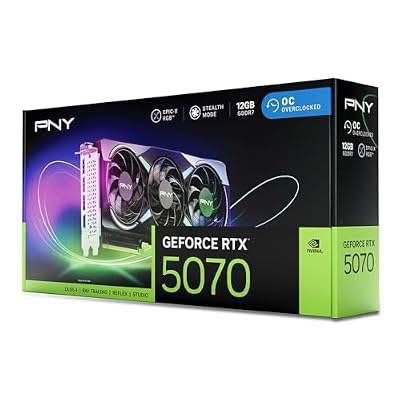
4. PNY NVIDIA GeForce RTX 5070 Epic-X ARGB OC Triple Fan 12GB GDDR7

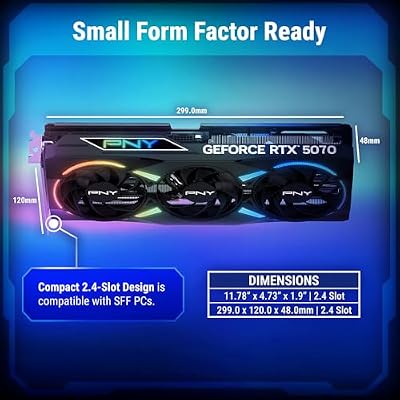
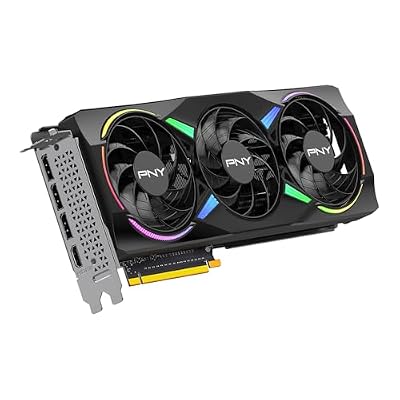
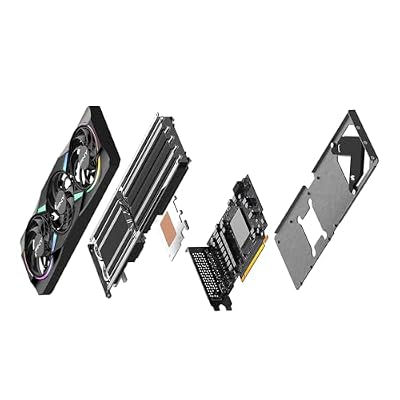
PNY NVIDIA GeForce RTX™ 5070 EPIC-X RGB® OC Triple-Fan Graphics Card | 12GB GDDR7, 192-bit, Boost: 2685 MHz, SFF-Ready, PCIe® 5.0, HDMI®/DP 2.1, 2.4-Slot, NVIDIA Blackwell Architecture, DLSS 5






As an Amazon Associate we earn from qualifying purchases. Product prices and availability are accurate as of the date/time indicated.
The PNY RTX 5070 Epic-X is the mainstream high-core pick. It brings a strong CUDA core count from the Blackwell generation to a more attainable price, paired with 12GB of GDDR7 memory, ARGB lighting and a triple-fan cooler. At around $633 it is the most affordable NVIDIA card here and the entry point into genuinely high core counts for mainstream buyers.
This is the card for the gamer who wants a high core count and modern Blackwell features without stretching to flagship money. The substantial CUDA array delivers excellent performance at 1440p and is capable at 4K, while GPU-accelerated creative apps benefit from the core power too. The 12GB of GDDR7 is a step below the 16GB cards but ample for high-detail gaming, and the ARGB triple-fan design looks and runs the part. For high-core performance at a mainstream price, the RTX 5070 is a smart, well-judged choice.

Pros: Strong CUDA core count, 12GB GDDR7, ARGB triple-fan cooling, most affordable NVIDIA pick here.
Cons: 12GB VRAM trails the 16GB cards; fewer cores than the 5070 Ti and 5080.
5. GIGABYTE Radeon RX 9060 XT Gaming OC 16G Graphics Card, PCIe 5.0, 16GB GDDR6
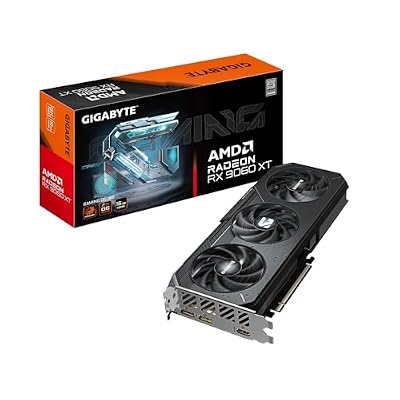
GIGABYTE Radeon RX 9060 XT Gaming OC 16G Graphics Card, PCIe 5.0, 16GB GDDR6, GV-R9060XTGAMING OC-16GD Video Card




As an Amazon Associate we earn from qualifying purchases. Product prices and availability are accurate as of the date/time indicated.
The GIGABYTE RX 9060 XT Gaming OC is the value stream-core pick, and an honest note belongs here: it is a strong mainstream card rather than a top-tier high-core monster. It uses AMD’s RDNA stream processors with 16GB of GDDR6 on a PCIe 5.0 interface, factory overclocked with a Gaming OC cooler. At around $460 it is the most affordable card on this list and a generous-VRAM value option.
This is the card for the 1440p gamer who wants plenty of memory and solid stream-core performance without spending big. The 16GB of GDDR6 is unusually generous at this price and helps with high-resolution textures and future titles, while the RDNA stream processors deliver capable 1440p gaming. Its core count and class sit below the high-end NVIDIA cards here — it is included as an accessible value pick rather than a peak-core contender — but for affordable, memory-rich 1440p gaming, the RX 9060 XT is excellent value.
Pros: Generous 16GB GDDR6, capable RDNA stream cores, PCIe 5.0, lowest price here, great 1440p value.
Cons: Mid-range core count, not top tier; GDDR6 rather than the GDDR7 of NVIDIA picks.
6. Gigabyte Radeon RX 9060 XT Gaming OC 16G, 16GB GDDR6, 128-bit, PCIe
This is an alternate listing of the Gigabyte RX 9060 XT Gaming OC 16G, the same value-oriented 16GB card, and the same honest framing applies: it is a capable mainstream GPU rather than a high-core flagship. It pairs AMD’s RDNA stream processors with 16GB of GDDR6 on a 128-bit memory interface over PCIe, with a factory overclock and a Gaming OC cooler. At around $460 it matches the other 9060 XT as the most affordable option here.
This is the card to consider for the same audience as its sibling listing — 1440p gamers who prize a large 16GB frame buffer and dependable stream-core performance at a low price. The generous memory eases high-resolution textures and multitasking, and the RDNA cores handle mainstream gaming comfortably. As with the other RX 9060 XT, its core count places it below the top-tier NVIDIA cards on this list, so treat it as a strong value choice rather than a peak-core performer. For memory-rich, affordable 1440p gaming, it delivers.

Pros: 16GB GDDR6 frame buffer, capable RDNA stream cores, factory OC, affordable 1440p value.
Cons: 128-bit bus and mid-range core count; not a top-tier high-core card.
How to Choose a GPU by Core Count
Core count — CUDA cores on NVIDIA, stream processors on AMD — is the headline measure of a GPU’s parallel horsepower, but it is most meaningful within a single architecture and generation. More cores on the same generation means more work done in parallel, which is why the RTX 5080 outpaces the RTX 5070 here. Comparing raw core numbers across different brands or generations is less reliable, since architecture, clocks and efficiency all change what each core delivers, so use core count as a guide within a family rather than an absolute cross-brand score.
Match the class of card to what you actually do, and be honest about it. A workstation card like the RTX PRO 5000, with its enormous core array and 48GB of memory, is built for professional compute, large-scale rendering and AI — it is wasted on gaming alone. Top-tier gaming cards like the RTX 5080 and 5070 Ti offer the highest consumer core counts for high-refresh 4K play and serious creation, while the RX 9060 XT cards are mid-range options: strong value, but fewer cores. Buy the tier that fits your workload and resolution.
VRAM capacity and type ride alongside core count and matter for high-resolution and creative work. The 16GB GDDR7 of the 5080 and 5070 Ti, and the 16GB GDDR6 of the RX 9060 XT cards, give comfortable headroom for high-res textures and multitasking, while the RTX PRO 5000’s 48GB is a professional-tier capacity for huge scenes and datasets. The RTX 5070’s 12GB is ample for high-detail gaming but the smallest here. Faster GDDR7 also feeds high-core GPUs more effectively than GDDR6, so weigh memory amount and speed together.
Finally, balance core count against price, platform and your real goals. The RX 9060 XT cards prove you can get plenty of cores and generous VRAM affordably for 1440p, the RTX 5070 and 5070 Ti step up core count and features for higher resolutions, the 5080 leads consumer gaming, and the RTX PRO 5000 stands apart for professionals. All use modern PCIe interfaces, so confirm your power supply and case clearance suit the card you choose. Decide whether you are gaming, creating or computing, set your budget, and pick the GPU on this list whose core count genuinely matches the job — without overpaying for cores you will never use.
Frequently Asked Questions
What is GPU core count and why does it matter?
Core count is the number of parallel processing units on a GPU — CUDA cores on NVIDIA cards, stream processors on AMD. More cores let the GPU do more work simultaneously, which boosts performance in demanding games, 3D rendering, video effects and GPU compute. It is most meaningful within one architecture, as on the RTX 5080 versus the RTX 5070 here, where more cores in the same generation directly means more power.
Do I need a high core count GPU just for gaming?
Not necessarily. For gaming, even mainstream high-core cards like the RTX 5070 or value RX 9060 XT deliver excellent results at 1440p and beyond. The highest core counts — the RTX 5080 for top-tier gaming, or the workstation RTX PRO 5000 — are aimed at high-refresh 4K, professional rendering, AI and compute. Match the core count to your resolution and workload rather than buying the biggest array available.
Are the RX 9060 XT cards high core count GPUs?
Honestly, they are strong mid-range cards rather than top-tier high-core performers. We included the two RX 9060 XT listings as accessible, memory-rich value picks for 1440p gaming — they offer 16GB of GDDR6 and capable RDNA stream cores at the lowest prices here. If your priority is the absolute highest core count, the NVIDIA RTX 5080, 5070 Ti or the professional RTX PRO 5000 lead this list instead.
Is the RTX PRO 5000 worth it over a gaming card?
Only for the right user. The RTX PRO 5000 is a professional, workstation-class card with an enormous core array and 48GB of memory, built for large-scale rendering, AI, scientific computing and demanding content creation. For those workloads its core count and VRAM are transformative. For pure gaming it is expensive overkill — a card like the RTX 5080 or 5070 Ti delivers top-tier gaming performance for a fraction of the price.
Related Guides
- Best Graphics Cards
- Best GPUs for 4K Gaming
- Best GPUs for Rendering and Creation
- Best Power Supplies
- Best PC Cases
- Best Budget Gaming Setup
Affiliate Disclosure: As an Amazon Associate, we earn from qualifying purchases. If you click a link and make a purchase, we may earn a small commission at no extra cost to you. Prices and availability are accurate as of publication and may change.