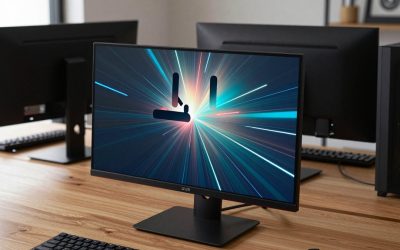
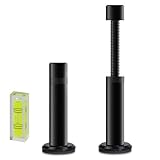
- Top Pick: Graphics Card GPU Brace Support, Video Card Sag Holder Bracket, Heavy Duty GPU Stand GPU Support Bracket Black (L: 75-122mm)
- Best Value: GinTai 16AWG 12VHPWR 4x8Pin to 16Pin (12+4) GPU Power Cable for NVIDIA RTX
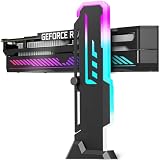
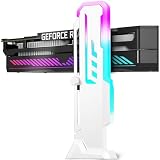
- Premium Choice: GPU Support Bracket, GSCOLER Universal GPU Anti Sag Bracket, 60-163mm Adjustable GPU Stand for Heavy-Duty Graphics Card Support, 16.8M RGB Modes GPU Brace with Magnet & Non-Slip Base for Video Cards
🛒 Best Price Today on Amazon
Prime members get fast, free shipping on everything above, plus member-only deals. New members get a 30-day free trial — cancel anytime.
- Top Gpus Heavy Duty Picks for 2026
- Best Heavy-Duty GPUs at a Glance
- 1. PNY NVIDIA RTX PRO 6000 Blackwell Max-Q Workstation GPU
- 2. PNY NVIDIA RTX PRO 5000 Blackwell 48GB GDDR7 Graphics Card
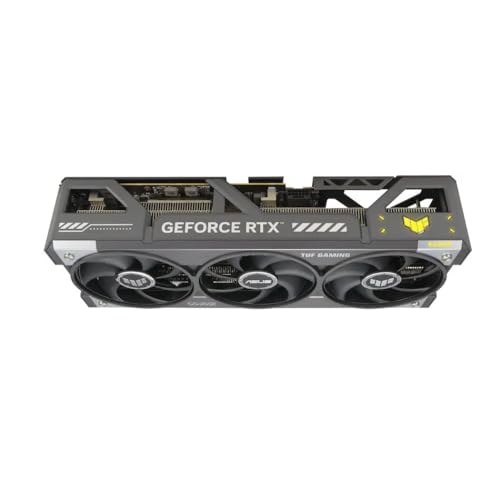
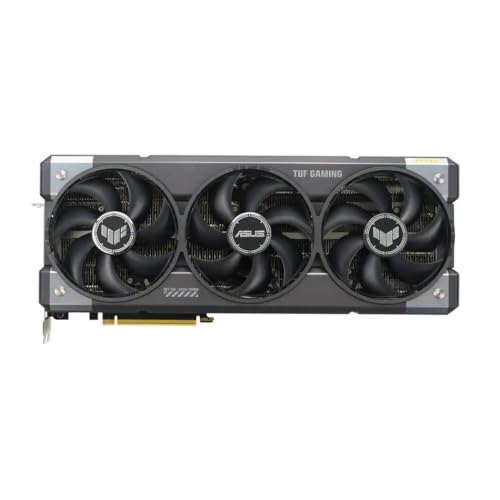
- 3. ASUS TUF Gaming GeForce RTX 5090 Triple Fan, 32GB GDDR7
- 4. NVIDIA RTX PRO 4000 SFF Blackwell 24GB GDDR7 ECC, Low-Profile PCIe 5.0 x8
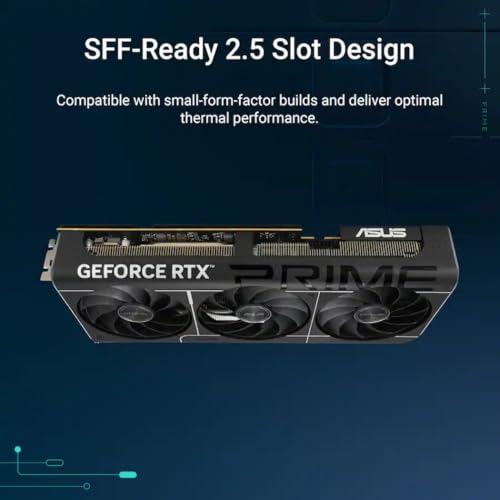
- 5. ASUS Prime GeForce RTX 5080 OC Edition Triple Fan, 16GB GDDR7
- 6. MSI Gaming GeForce RTX 3060 12GB GDDR6, 192-Bit, PCIe 4.0 Twin Fan
- How to Choose a Heavy-Duty GPU
- Related Guides
- Frequently Asked Questions
- Related Guides
- Related Articles
- Related Guides
Top Gpus Heavy Duty Picks for 2026
Here are our current top gpus heavy duty picks, compared on real Amazon owner reviews, price, and features. Live prices update below.
As an Amazon Associate we earn from qualifying purchases at no extra cost to you.


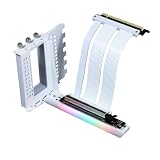


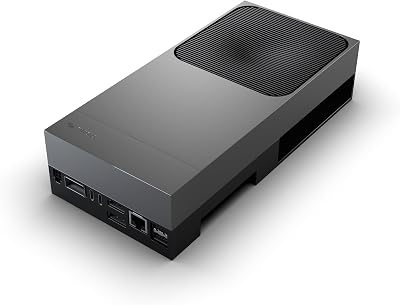
Heavy-duty GPU work is defined by two things above all: how much memory the card has, and how much sustained compute it can deliver. AI training and inference, 3D rendering, scientific compute and large professional scenes are often gated by VRAM — if the model or scene does not fit in memory, raw speed barely matters — and then by the card’s compute throughput and power budget. This guide ranks the best GPUs for heavy duty in 2026 through that lens first, leading with the highest-VRAM professional cards and being honest about which pick is really an entry-level part dressed up for the list.
The shortlist spans NVIDIA’s professional Blackwell workstation cards and two high-end consumer GPUs, and we have ordered it strictly by heavy-duty suitability rather than what most gamers would buy. The RTX PRO 6000 Blackwell and RTX PRO 5000 (48GB) lead on sheer memory and professional compute; the consumer RTX 5090 (32GB) and the compact RTX PRO 4000 SFF (24GB ECC) follow as serious heavy-duty options; the RTX 5080 (16GB) is a strong card with a memory caveat; and the RTX 3060 (12GB) is included with a frank flag as the entry-level pick here. Prices range enormously, from around $399 to around $12,700, reflecting how different these tiers are. Below is an at-a-glance comparison, then each card in detail and a buyer’s guide to VRAM, compute and power.
Best Heavy-Duty GPUs at a Glance
| GPU | Best For (heavy-duty fit) | Standout Spec | Approx Price |
|---|---|---|---|
| PNY NVIDIA RTX PRO 6000 Blackwell Max-Q | Largest-memory pro workloads | Blackwell workstation, Max-Q efficiency | around $12,700 |
| PNY NVIDIA RTX PRO 5000 Blackwell 48GB | Big-memory AI & rendering | 48GB GDDR7, 384-bit | around $4,820 |
| ASUS TUF RTX 5090 32GB | Top consumer compute card | 32GB GDDR7, very high power | around $4,150 |
| NVIDIA RTX PRO 4000 SFF Blackwell 24GB | Compact ECC workstation | 24GB GDDR7 ECC, low-profile, PCIe 5.0 x8 | around $2,047 |
| ASUS Prime RTX 5080 16GB | High-end consumer — 16GB caveat | 16GB GDDR7, Blackwell | around $1,500 |
| MSI GeForce RTX 3060 12GB | Entry-level — LIMITED for heavy work | 12GB GDDR6, 192-bit, PCIe 4.0 | around $399 |
1. PNY NVIDIA RTX PRO 6000 Blackwell Max-Q Workstation GPU
Prime
PNY Technology VCNRTXPRO6000BQ-PB NVIDIA RTX PRO 6000 Blackwell Max-Q Workstation Graphics Card
In Stock
As an Amazon Associate we earn from qualifying purchases. Product prices and availability are accurate as of the date/time indicated.
The PNY NVIDIA RTX PRO 6000 Blackwell Max-Q is the uncompromising heavy-duty pick and the most capable card on this list by a wide margin. As a professional Blackwell-generation workstation GPU, it pairs an enormous memory pool with top-tier compute, and the Max-Q variant is engineered for efficiency and thermals in workstation chassis. At around $12,700 it is unambiguously a professional tool, priced for organisations whose work depends on it.
This is the card for the most demanding AI, rendering and scientific workloads — the kind that overwhelm consumer GPUs on memory alone. Its huge VRAM lets you load very large models and scenes that simply will not fit elsewhere, its Blackwell compute accelerates training, inference and rendering, and the Max-Q design keeps it viable in a professional workstation’s power and cooling envelope. For a studio, lab or enterprise where capability trumps cost, the RTX PRO 6000 Blackwell is the definitive heavy-duty GPU here.
Pros: Largest memory and top professional Blackwell compute here, Max-Q efficiency for workstation chassis.
Cons: Extremely expensive (around $12,700); strictly a professional/enterprise purchase, overkill for most users.
2. PNY NVIDIA RTX PRO 5000 Blackwell 48GB GDDR7 Graphics Card
Prime
PNY VCNRTXPRO5000B-PB NVIDIA RTX PRO 5000 Blackwell 48GB GDDR7 384B Graphic Card – Black
In Stock
As an Amazon Associate we earn from qualifying purchases. Product prices and availability are accurate as of the date/time indicated.
The PNY NVIDIA RTX PRO 5000 Blackwell is the big-memory professional pick a step below the flagship. Its headline is 48GB of GDDR7 on a wide 384-bit interface — a vast memory pool that comfortably holds large AI models, complex 3D scenes and big datasets that strain consumer cards. At around $4,820 it is a serious professional GPU for memory-bound heavy-duty work without the very top card’s price.
This is the card for AI developers, 3D artists and researchers whose workloads are limited by VRAM more than anything else. The 48GB capacity lets you train or run larger models and render bigger scenes in a single card, the GDDR7 on a 384-bit bus feeds the GPU with high bandwidth, and the professional Blackwell architecture delivers reliable compute for sustained jobs. When your bottleneck is memory and you need professional-class capacity below flagship pricing, the RTX PRO 5000 48GB is an outstanding heavy-duty choice.
Pros: 48GB GDDR7 on a 384-bit bus for memory-bound AI and rendering, professional Blackwell compute.
Cons: Still a costly professional card (around $4,820); priced well beyond gaming budgets.
3. ASUS TUF Gaming GeForce RTX 5090 Triple Fan, 32GB GDDR7

14
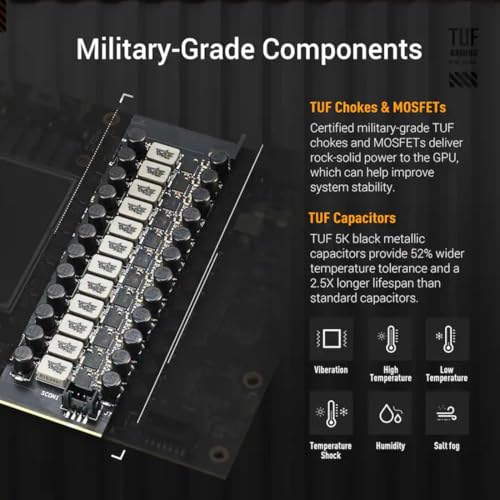
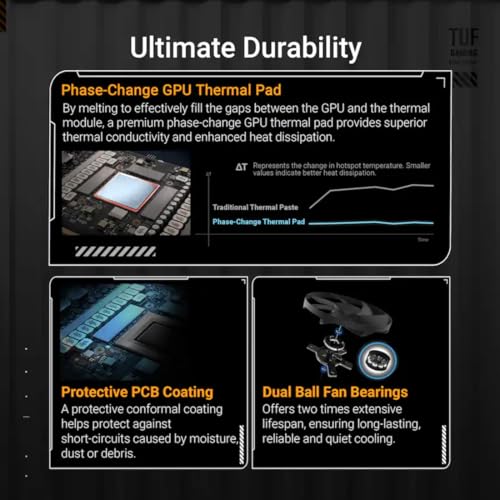
ASUS TUF Gaming GeForce RTX 5090 Triple Fan GPU, 32GB GDDR7, 3352 AI Tops, 28 Gbps, 512-bit, DLSS 4, AI Content Creation, Local LLM Inference, DP 2.1b x3, HDMI 2.1b x2, with GPU Holder
In Stock


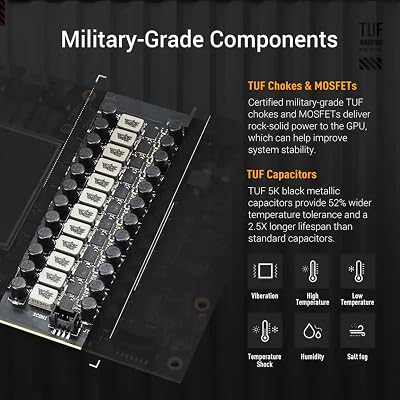




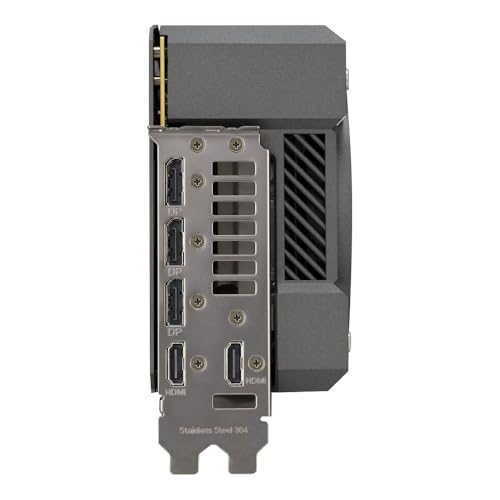
As an Amazon Associate we earn from qualifying purchases. Product prices and availability are accurate as of the date/time indicated.
The ASUS TUF GeForce RTX 5090 is the top consumer card for heavy duty and a genuine compute powerhouse. With 32GB of GDDR7 and the full might of NVIDIA’s consumer Blackwell flagship, it offers more memory and raw throughput than any other GeForce card, making it a serious tool for rendering, AI and content creation as well as gaming. At around $4,150 it sits between consumer and professional pricing for good reason.
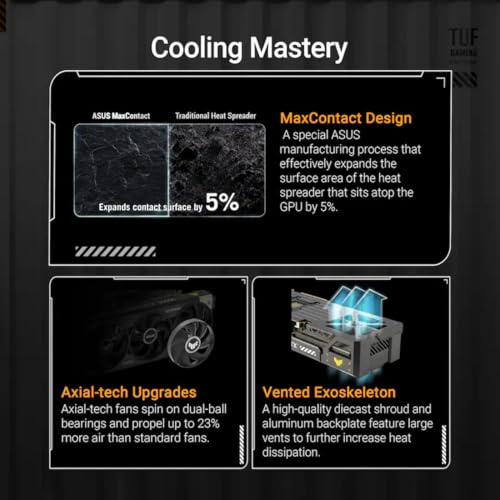
This is the card for the creator, researcher or enthusiast who wants professional-class capability through the consumer ecosystem. The 32GB of VRAM handles large scenes and sizeable AI models that would choke smaller cards, the flagship Blackwell compute accelerates rendering and training, and the robust ASUS TUF triple-fan cooler helps it sustain high power without throttling. It draws a lot of power and needs a strong PSU, but for the best heavy-duty performance you can get in a GeForce card, the RTX 5090 is the standout.
Pros: 32GB GDDR7 and flagship consumer Blackwell compute, excellent for rendering, AI and creation, strong cooler.
Cons: Very high power draw needs a beefy PSU and cooling; pricey for a consumer card (around $4,150).
4. NVIDIA RTX PRO 4000 SFF Blackwell 24GB GDDR7 ECC, Low-Profile PCIe 5.0 x8

7
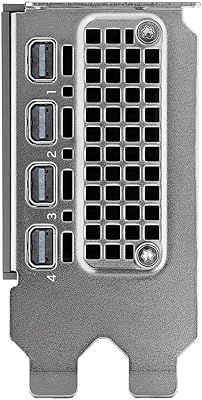
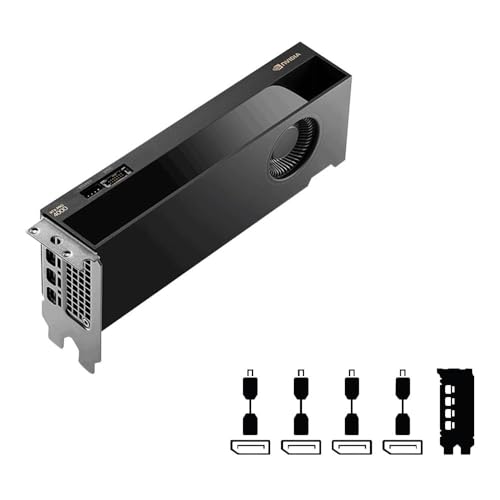
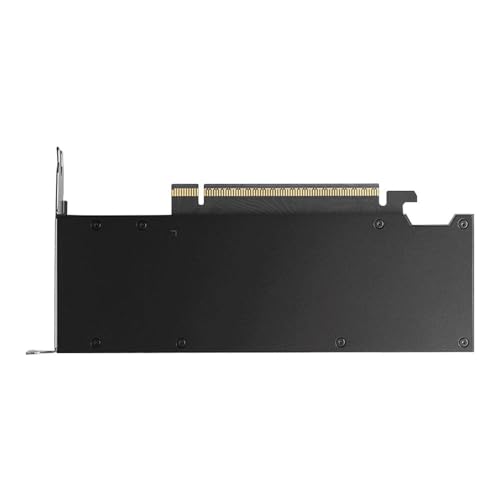
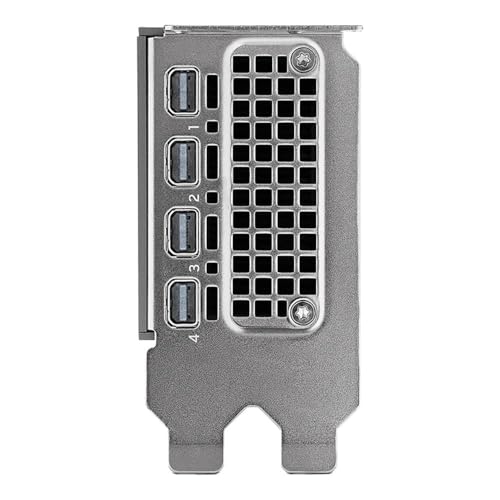
NVIDIA RTX PRO 4000 SFF Blackwell 24GB GDDR7 ECC – PCIe 5.0×8, 4X mDP 2.1b, Low-Profile Dual-Slot AI Workstation GPU Retail
In Stock


As an Amazon Associate we earn from qualifying purchases. Product prices and availability are accurate as of the date/time indicated.
The NVIDIA RTX PRO 4000 SFF Blackwell is the compact professional pick, proving heavy-duty capability does not always need a giant card. It packs 24GB of GDDR7 with ECC (error-correcting) memory into a low-profile, small-form-factor design that fits compact and dense workstations, connecting over PCIe 5.0 x8 with multiple Mini DisplayPort outputs. At around $2,047 it is the pick for professional reliability in tight spaces.
This is the card for a small-form-factor workstation, a dense multi-card chassis, or any professional setting where ECC memory and a low-profile footprint matter. The 24GB of ECC VRAM gives both capacity and data-integrity assurance for long, critical compute and rendering jobs, the Blackwell architecture brings modern professional compute, and the SFF design slots in where full-size cards cannot. For dependable, memory-protected heavy-duty work in a compact build, the RTX PRO 4000 SFF is a smart, specialised choice.
Pros: 24GB GDDR7 with ECC, low-profile SFF design for compact/dense workstations, professional Blackwell compute.
Cons: PCIe 5.0 x8 (not x16) and a power-limited SFF design cap peak throughput versus larger cards.
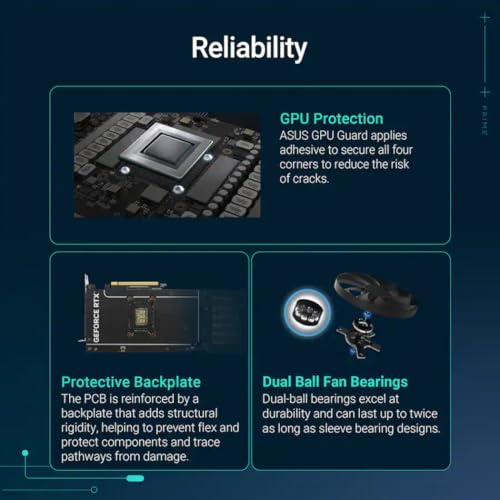
5. ASUS Prime GeForce RTX 5080 OC Edition Triple Fan, 16GB GDDR7

14
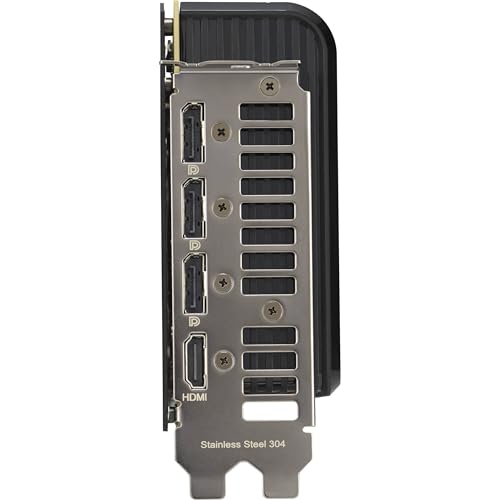
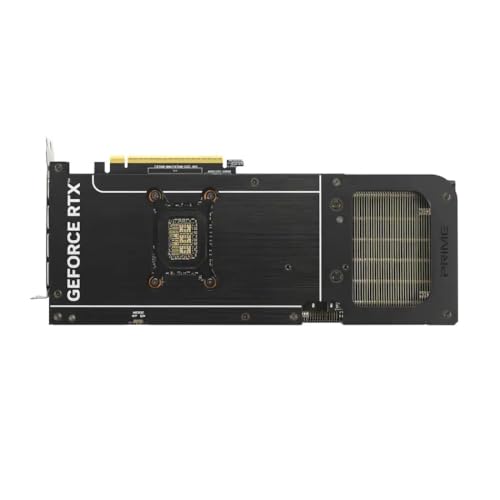
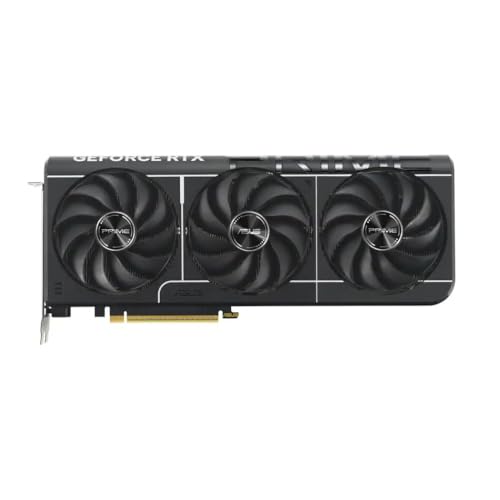
ASUS Prime GeForce RTX 5080 OC Edition Triple Fan Graphics Card, 16GB GDDR7, 1827 AI Tops, 5th Gen Tensor Cores, DLSS 4, PCIe 5.0, DP 2.1b x3, HDMI 2.1b, with GPU Holder
In Stock



As an Amazon Associate we earn from qualifying purchases. Product prices and availability are accurate as of the date/time indicated.
The ASUS Prime GeForce RTX 5080 is a strong high-end consumer card — but for heavy duty we flag its memory plainly. It uses the Blackwell architecture with fast 16GB GDDR7 and a capable triple-fan cooler, delivering excellent compute for rendering and AI within that memory budget. At around $1,500 it is far more affordable than the cards above, with the honest caveat that 16GB is modest for the largest memory-bound workloads.
This is the card for someone doing real but mid-sized heavy-duty work — content creation, moderate 3D scenes, and AI models that fit comfortably in 16GB — who wants Blackwell-class speed without flagship pricing. The fast GDDR7 and strong compute make it quick for tasks that stay within its memory, and the ASUS Prime cooler keeps it stable. The honest limit is capacity: if your models or scenes exceed 16GB you will want the 32GB RTX 5090 or a high-memory professional card. Within its memory budget, though, the RTX 5080 is a fast, sensible value pick.
Pros: Fast 16GB GDDR7 and Blackwell compute, strong for mid-sized rendering and AI, well priced versus the pro cards.
Cons: 16GB VRAM is a real limit for the largest memory-bound heavy-duty jobs; step up for bigger models or scenes.
6. MSI Gaming GeForce RTX 3060 12GB GDDR6, 192-Bit, PCIe 4.0 Twin Fan

msi Katana 15 15.6” 165Hz QHD Gaming Laptop: Intel Core i7-13620H, NVIDIA Geforce RTX 4070, 16GB DDR5, 1TB NVMe SSD, Cooler Boost 5, Win 11: Black B13VGK-2000US
In Stock
As an Amazon Associate we earn from qualifying purchases. Product prices and availability are accurate as of the date/time indicated.
Rounding out the list is the MSI GeForce RTX 3060 12GB — and we include it with a frank flag as the entry-level pick here. It is a previous-generation card with 12GB of GDDR6 on a 192-bit bus over PCIe 4.0, and while that 12GB is respectable for a budget card, its compute throughput and bandwidth are well below everything else on this list. At around $399 it is by far the cheapest, and it shows in heavy-duty capability.
We list it for transparency and for genuinely light heavy-duty use rather than as a serious recommendation for demanding work. The 12GB of VRAM lets it load smaller AI models and modest 3D scenes, and it can dabble in CUDA-accelerated tasks, but its older architecture, narrower 192-bit bus and lower compute mean long renders and large models will be slow or simply will not fit. If your heavy-duty needs are real, choose one of the higher cards; if you only occasionally touch GPU compute on a tight budget, the RTX 3060 is the honest entry point that closes the list.
Pros: Affordable 12GB GDDR6, capable of light CUDA tasks and small models, lowest price here.
Cons: LIMITED for heavy duty: older architecture, narrow 192-bit bus and far lower compute than the other cards.
How to Choose a Heavy-Duty GPU
For heavy-duty GPU work, VRAM capacity is the first thing to check, because it is often a hard wall rather than a slider. AI models and 3D scenes that exceed the card’s memory either run dramatically slower or do not load at all, so a 48GB professional card like the RTX PRO 5000, the 32GB RTX 5090, or a 24GB ECC RTX PRO 4000 opens doors that a 16GB or 12GB card cannot. Size your VRAM to the largest model or scene you actually need to fit, then worry about speed — capacity comes first for this kind of work.
Compute throughput and architecture decide how fast the work finishes once it fits in memory. The Blackwell-generation cards here, both professional and consumer, bring modern compute that accelerates training, inference and rendering well beyond the older RTX 3060, whose previous-generation design is the slowest on the list. For frequent, time-sensitive heavy-duty jobs, favour a current-architecture card with high throughput; the difference between generations on long renders and large models is substantial.
Decide between professional and consumer cards based on your needs for memory ceiling, ECC and reliability. Professional cards like the RTX PRO 6000, PRO 5000 and PRO 4000 offer the largest memory pools, ECC (error-correcting) memory for data integrity on critical jobs, and certified reliability — at a steep premium. Consumer flagships like the RTX 5090 deliver outstanding capability for far less, but without ECC and with consumer support. If your work is mission-critical or memory-bound beyond 32GB, pay for professional; otherwise a consumer flagship often delivers more value.
Finally, plan for power, cooling and physical fit, then set your budget honestly. High-end heavy-duty cards like the RTX 5090 draw substantial power and need a strong PSU and good case airflow, while compact options like the RTX PRO 4000 SFF trade some throughput for a low-profile, power-limited design that fits dense or small builds. Prices on this list span from around $399 to around $12,700, so be realistic: match VRAM and compute to your real workload, confirm your system can power and cool the card, and avoid both overpaying for capacity you will not use and underbuying a card that cannot fit your work.
Frequently Asked Questions
How much VRAM do I need for heavy-duty GPU work?
As much as your largest model or scene requires to fit in memory — capacity is often a hard limit. Large AI models and complex 3D scenes need the 48GB of the RTX PRO 5000, the 32GB of the RTX 5090, or the 24GB ECC of the RTX PRO 4000. 16GB (RTX 5080) suits mid-sized work, while the 12GB RTX 3060 only fits smaller models and scenes. Size VRAM to your workload first, then consider speed.
Do I need a professional GPU or will a consumer card work?
A consumer flagship like the 32GB RTX 5090 delivers excellent heavy-duty compute for far less than the professional cards and is ideal for many creators and researchers. Professional cards (RTX PRO 6000, PRO 5000, PRO 4000) add the largest memory pools, ECC for data integrity, and certified reliability for mission-critical or very memory-bound work — at a steep premium. Choose pro only if you genuinely need those guarantees or that capacity.
Is the RTX 3060 good enough for AI and rendering?
Only for light, occasional use. Its 12GB of VRAM can load smaller models and modest scenes, but its older architecture, narrow 192-bit bus and lower compute make it the weakest card here for heavy-duty work — long renders and large models will be slow or will not fit. For serious or frequent GPU compute, step up to one of the higher cards; the 3060 is best treated as an entry point.
What does ECC memory on the RTX PRO 4000 actually do?
ECC (error-correcting code) memory detects and corrects certain memory errors on the fly, which protects long, critical compute and rendering jobs from rare data corruption. On the RTX PRO 4000 SFF, the 24GB of ECC GDDR7 gives both capacity and data-integrity assurance in a compact, professional package — valuable for workstations running important workloads where a silent memory error would be costly.
Related Guides
- Best GPUs for Your Build
- Best GPUs for AI and Machine Learning
- Best Workstation GPUs
- Best Power Supplies
- Best PC Cases for Airflow
- Best Gaming and Workstation PCs
Affiliate Disclosure: As an Amazon Associate, we earn from qualifying purchases. If you click a link and make a purchase, we may earn a small commission at no extra cost to you. Prices and availability are accurate as of publication and may change.