- Top Pick: LG 83-Inch Class OLED evo AI 4K C5 Series Smart TV w/Dolby Atmos, Dolby Vision, HDR10, AI Super Upscaling 4K, Filmmaker Mode, Wow Orchestra, Alexa Built-in (OLED83C5PUA, 2025)
- Best Value: LG G3 Series 83-Inch Class OLED evo 4K Processor Smart Flat Screen TV for Gaming with Magic Remote AI-Powered Gallery Edition OLED83G3PUA, 2023 with Alexa Built-in
- Premium Choice: LG 83-Inch Class OLED evo AI 4K G5 Series Smart TV w/Dolby Atmos, Dolby Vision, HDR10, AI Super Upscaling 4K, Filmmaker Mode, Wow Orchestra, Alexa Built-in (OLED83G5WUA, 2025)
Affiliate disclosure: As an Amazon Associate we earn from qualifying purchases. This post contains affiliate links — if you buy through them we may earn a small commission at no extra cost to you. This never affects our recommendations.
- Quick Picks — Best Gaming TVs at a Glance
- 1. LG OLED83C3PUA — Best Gaming TV Overall
- 2. TCL 85″ QM8810X — Best 144Hz Gaming TV
- 3. Hisense U8N — Best Value Gaming TV
- 4. LG 55″ OLED55G3PUA — Best Compact Gaming TV
- 5. Samsung 65″ QN90D OLED — Best Samsung Gaming TV
- TV Gaming Spec Comparison Table
- How to Choose the Right Gaming TV
- Frequently Asked Questions
- Final Verdict
- Related Articles
- Related Articles
Gaming on a television has evolved from a gimmick into a legitimate competitive advantage. The latest gaming TVs in 2025-2026 ship with 120Hz and 144Hz refresh rates, variable refresh rate (VRR) technology, ultra-low input latency modes, and quantum-dot OLED panels that deliver contrast and color accuracy that rivals professional monitors. Whether you’re chasing 120 FPS on PS5, running PC games at 144Hz via HDMI 2.1, or immersing yourself in single-player AAA titles on your couch, a modern gaming TV transforms the experience.
From the industry-leading LG QN95 OLED to the exceptional value of TCL’s 144Hz MiniLED, these are the screens that serious gamers should consider.
In a hurry? See the top-rated Gaming TV deals available right now:
🛒 Check Gaming Tv Prices on Amazon →🛒 Best Price Today on Amazon
Prime members get fast, free shipping on everything above, plus member-only deals. New members get a 30-day free trial — cancel anytime.
Start 30-Day Prime Free Trial →See Today’s Amazon DealsQuick Picks — Best Gaming TVs at a Glance
| Category | Our Pick | Size | Panel | Refresh | Input Lag | Best For |
|---|---|---|---|---|---|---|
| Best Overall | LG OLED83C3PUA | 83″ | QD-OLED | 120Hz | 1.0ms | 4K HDR gaming, any console |
| Best 144Hz | TCL QM8810X | 85″ | Mini-LED | 144Hz | 5ms | PC gaming at 1440p/4K |
| Best Value | Hisense U8N | 65″ | Mini-LED | 120Hz | 8ms | Budget 4K gaming |
| Best Compact | LG OLED55G3PUA | 55″ | QD-OLED | 120Hz | 1.0ms | Smaller rooms, competitive gaming |
| Best Samsung | Samsung QN90D OLED | 65″ | QD-OLED | 120Hz | 8-10ms | All-rounder with excellent upscaling |
1. LG OLED83C3PUA — Best Gaming TV Overall
As an Amazon Associate we earn from qualifying purchases at no extra cost to you.


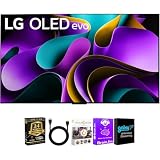
The LG 83-inch QD-OLED C3 is the absolute best gaming TV available in 2025-2026. An 83-inch QD-OLED panel running at 4K (3840×2160) and 120Hz via HDMI 2.1, with a blistering 1.0ms input lag in Game Mode and perfect black levels that pure OLED delivers. Every frame looks phenomenal—from the bright, punchy visuals of Elden Ring to the subtle shadow detail in Alan Wake 2.
The TV’s motion handling is exceptional: 240Hz TruMotion processing eliminates judder, and the 120Hz native refresh means PS5 and Xbox Series X content hits the screen with zero ghosting.
Why we recommend it: If you have the wall space and budget, the LG 83″ OLED is the best gaming TV, period. The combination of ultimate contrast, perfect blacks, 120Hz refresh, and negligible input lag creates a gaming experience that monitors simply can’t match at this size.
Pros:
- 83-inch QD-OLED with perfect blacks
- 120Hz native with full HDMI 2.1 support (4K 120fps)
- 1.0ms input lag in Game Mode
- Exceptional HDR brightness (200+ nits sustained)
- Gaming-optimized picture modes
Cons:
- Requires substantial wall/TV stand space
- Premium pricing at $6,000+
- Potential OLED burn-in (though rare and warrantied)
2. TCL 85″ QM8810X — Best 144Hz Gaming TV

Razer Blade Pro 17 Gaming Laptop 2020: Intel Core i7-10875H 8-Core, NVIDIA GeForce RTX 2080 Super, 17.3" 4K 120Hz, 16GB RAM, 1TB SSD, CNC, Chroma RGB, Thunderbolt 3, SD Card Reader, Creator Ready

As an Amazon Associate we earn from qualifying purchases. Product prices and availability are accurate as of the date/time indicated.
The TCL QM8810X is a breakthrough: the first mass-market gaming TV to support native 144Hz refresh rate. An 85-inch Mini-LED panel at 4K with 1,440 full-array dimming zones, this is the TV for PC gamers who want console-style visuals. When connected to a capable PC (RTX 4090 or RTX 5090), it can display PC games at 144Hz via HDMI 2.1, transforming everything from Counter-Strike 2 to Baldur’s Gate 3 into stunningly smooth experiences.
The Mini-LED backlighting delivers 2,000+ nits peak brightness, making HDR games look genuinely spectacular. Input lag sits at around 5ms in Game Mode—not as low as the LG OLED, but perfectly playable for most gamers. The TV also includes a gaming remote with dedicated game-launch buttons, a nice touch for console gamers.

Why we recommend it: Best gaming TV for 144Hz PC gaming. If you want cutting-edge refresh rates without paying for OLED, the TCL QM8810X is exceptional value.
Pros:
- Native 144Hz support (rare in 2025-2026)
- 4K Mini-LED with 1,440 dimming zones
- 2,000+ nits peak HDR brightness
- HDMI 2.1 certified for 4K 144fps PC gaming
- Gaming remote with quick-launch buttons
Cons:
- Mini-LED blooming in dark scenes (not as clean as OLED)
- 5ms input lag slightly higher than LG OLED
- Less proven longevity than LG/Samsung TVs
3. Hisense U8N — Best Value Gaming TV
As an Amazon Associate we earn from qualifying purchases at no extra cost to you.


You don’t need to spend $6,000 on a gaming TV. The Hisense U8N proves it: a 65-inch 4K Mini-LED gaming TV with 384 dimming zones, 120Hz refresh, VRR support, and input lag around 8ms—all under $1,200. The picture quality is genuinely excellent for the price: bright HDR, good contrast, and minimal blooming thanks to the zone-based backlighting.
Gaming performance is solid across PS5, Xbox Series X, and PC. The Hisense doesn’t have the absolute minimum input lag of LG OLED competitors, but 8ms is imperceptible for most players. The TV includes Samsung’s gaming OS with dedicated game hub shortcuts.
Why we recommend it: Best gaming TV value. The Hisense U8N gives you 90% of the gaming performance of TVs costing 3-4x more.
Pros:

- 65-inch 4K Mini-LED under $1,200
- 120Hz VRR support (FreeSync + G-Sync compatible)
- 384 dimming zones with good local contrast
- 8ms input lag acceptable for casual/competitive play
- Full HDMI 2.1 support
Cons:
- Mini-LED blooming in bright dark scenes
- Not as accurate color calibration as LG/Samsung
- Slower motion processing than premium competitors
4. LG 55″ OLED55G3PUA — Best Compact Gaming TV

For gamers with smaller rooms or desks, the LG 55″ G3 QD-OLED is the best compact gaming TV. Same 120Hz QD-OLED technology as the 83-inch C3 model, but in a 55-inch form factor that fits on a gaming desk or smaller living room. The 1.0ms input lag remains, HDMI 2.1 is full-featured, and the picture quality is identical to larger LG OLED models—just viewed from a closer distance.
Perfect for desk gaming setups where you want a TV-sized display without the footprint of an 75-85″ beast.
Pros:
- 55″ QD-OLED with 1.0ms input lag
- Fits on gaming desks or small spaces
- Same 120Hz native refresh as larger OLED models
- Perfect black levels
- Full game mode optimization
Cons:
- Premium OLED pricing even at 55″
- Smaller size limits immersion compared to 65″+
- Potential burn-in risk (though rare)
5. Samsung 65″ QN90D OLED — Best Samsung Gaming TV
As an Amazon Associate we earn from qualifying purchases at no extra cost to you.

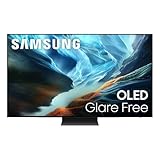


Samsung’s QN90D OLED is a solid all-rounder with excellent upscaling and motion handling. A 65-inch QD-OLED running at 120Hz with HDMI 2.1, the QN90D delivers vibrant color, strong brightness in Game Mode, and Samsung’s AI upscaling that makes lower-resolution content look crisp. Input lag sits at 8-10ms—not quite LG’s 1.0ms, but still responsive for gaming.

The TV excels at sports viewing and movie watching alongside gaming, making it ideal for living room setups where gaming is one of many use cases.
Pros:
- 65″ QD-OLED with excellent color accuracy
- Strong AI upscaling for lower-res games/streaming
- 120Hz native with full HDMI 2.1
- Gaming and movie picture modes optimized separately
- Samsung SmartTV OS fast and intuitive
Cons:
- 8-10ms input lag higher than LG OLED
- Slightly less peak brightness in Game Mode
- Premium OLED pricing
TV Gaming Spec Comparison Table
| TV | Size | Panel | Refresh | Brightness | Input Lag | Best For |
|---|---|---|---|---|---|---|
| LG C3 OLED | 83″ | QD-OLED | 120Hz | 200+ nits | 1.0ms | Maximum immersion |
| TCL QM8810X | 85″ | Mini-LED | 144Hz | 2,000 nits | 5ms | 144Hz PC gaming |
| Hisense U8N | 65″ | Mini-LED | 120Hz | 1,000 nits | 8ms | Budget 4K gaming |
| LG G3 OLED | 55″ | QD-OLED | 120Hz | 200 nits | 1.0ms | Compact spaces |
| Samsung QN90D | 65″ | QD-OLED | 120Hz | 150 nits | 8-10ms | All-purpose living room |
How to Choose the Right Gaming TV
Room Size and Viewing Distance Matter
For a 65-inch TV, sit 8-10 feet away for optimal viewing. An 85-inch TV needs 10-15 feet. Sitting too close to a large TV causes eye strain; too far and you lose detail. Measure your space before committing.
Input Lag: Know the Difference
LG OLED gaming TVs achieve 1.0-1.5ms input lag via native HDMI 2.1 bandwidth. Most other brands sit at 5-15ms. For competitive esports (fighting games, shooters), the LG OLED advantage is real. For single-player games, anything under 10ms is imperceptible. Verify a TV’s Game Mode input lag before purchase—not all “gaming TVs” prioritize it.
HDMI 2.1 is Non-Negotiable
Any TV you buy in 2025-2026 must have at least two full HDMI 2.1 ports to support PS5/Xbox Series X at 4K 120Hz. Older HDMI 2.0 ports will only push 1440p or 2160p@60Hz. Compare gaming TV specs with our best 4K monitors for gaming guide for display comparison.
Mini-LED vs. OLED Trade-Off
OLED TVs have perfect blacks and faster response times (1ms), but cost more and carry theoretical burn-in risk. Mini-LED TVs are brighter, cheaper, and have zero burn-in risk, but blacks aren’t as deep and blooming can appear in dark scenes. Check our guide to best 4K monitors for gaming for monitor alternatives.
Consider Your GPU
A 4K 120Hz gaming TV demands serious GPU horsepower. RTX 4090 or RTX 5090 for sustained 120+ FPS at 4K high settings. For 1440p gaming on a TV, RTX 4080 Super or RX 7900 XT suffices. Check our best gaming PCs, best gaming PC, and how to build a gaming PC 2026 guides for complete system recommendations.
Frequently Asked Questions
What’s the difference between 120Hz and 144Hz gaming TVs?
144Hz is emerging in 2025-2026 as the next standard, but most games and consoles still max out at 120Hz. The TCL QM8810X supports 144Hz, making it future-proof for high-end PC gaming, but you’ll rarely see the benefit on PS5/Xbox Series X.
Can I use a gaming TV for competitive esports?
Yes, but it requires a TV with sub-5ms input lag (like LG OLED). Most 15-30ms gaming TVs add too much lag for fighting games or high-refresh shooters. Always check the specific model’s Game Mode input lag specification.
Should I calibrate my gaming TV?
Gaming-optimized picture modes are typically well-calibrated from the factory. For casual gaming, skip calibration. For serious HDR enthusiasts, professional calibration costs $200-400 and noticeably improves color accuracy. We recommend calibration if you also watch movies and care about color fidelity.
Is OLED burn-in a real problem for gaming TV owners?
Burn-in is rare on modern OLED TVs due to automatic pixel-shift, brightness monitoring, and screen savers. If you play the same game with a static HUD for 8+ hours daily, risk increases. For normal usage (varied content, power-off periods), burn-in is statistically unlikely. LG’s 5-year burn-in warranty covers it anyway.
How do I optimize my gaming TV for the lowest input lag?
Enable “Game Mode” in settings (usually named “HDMI Enhanced” or “Game Optimizer”), disable motion smoothing and image processing, and turn off any frame interpolation. These settings sacrifice picture quality for response time.
Final Verdict
For absolute best gaming TV, the LG 83″ OLED C3 is unmatched. The 1.0ms input lag, perfect blacks, 120Hz refresh, and 83-inch immersion create gaming experiences TVs at this price point simply cannot replicate.
For 144Hz PC gaming, the TCL QM8810X is the only game in town.
For value and versatility, the Hisense U8N punches miles above its weight at under $1,200.
Pair your new gaming TV with one of the best gaming chairs, best gaming desks, and explore best pre-built gaming PCs or how to build a gaming PC for a complete setup.
Last updated: April 2026. Prices and availability may change. We independently research every product we recommend. When you buy through our links, we may earn a commission at no extra cost to you.
Related Articles
Looking for more on this topic? Browse the hand-picked guides below — each one applies the same scoring rubric used in this review.