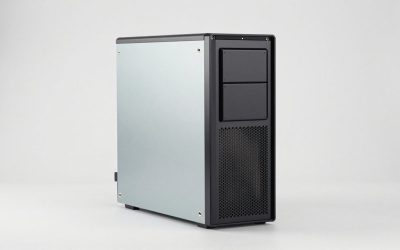
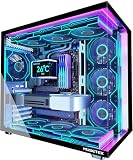
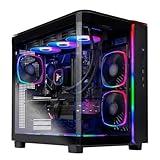
- Top Pick: Skytech Gaming King 95 Gaming PC, Ryzen 7 9800X3D, RTX 5070 Ti
- Best Value: STORMCRAFT Phantom RTX 5080 Gaming PC Ryzen 7 9800X3D 32GB DDR5 2TB SSD
- Premium Choice: Skytech Gaming Crystal Gaming PC, AMD Ryzen 7 7700 3.8GHz, NVIDIA RTX 5060 Ti 8GB VRAM, 1TB NVMe SSD, 32GB DDR5 RAM 5600, 650W Gold PSU, Wi-Fi, Win 11, Desktop
Affiliate disclosure: As an Amazon Associate we earn from qualifying purchases. This post contains affiliate links — if you buy through them we may earn a small commission at no extra cost to you. This never affects our recommendations.
As an Amazon Associate we earn from qualifying purchases at no extra cost to you.



If you’re serious about PC gaming but not willing to spend $1,200+ on a rig, the $700–$800 range is exactly where you want to be. In 2026, that budget comfortably lands you a system capable of 60–120+ FPS at 1080p High settings in virtually every modern title — no compromises required.
The GPU market has matured significantly. AMD’s RDNA 3.5 lineup and NVIDIA’s Ada Lovelace generation both offer excellent price-to-performance at the $200–$300 GPU price point, and DDR5 memory prices have dropped enough that pairing with a modern AM5 or LGA1700 platform no longer feels like a premium tax.
What you get at $800: smooth 1080p gaming, PCIe 4.0 NVMe storage, 16GB of fast RAM (32GB if you stretch slightly), and a platform with real upgrade headroom. What you don’t get: overkill CPU power for 1440p, or a GPU that handles 4K. That’s fine — this guide isn’t about future-proofing into infinity. It’s about maxing out your dollar for the monitor most gamers actually own.
This guide covers five complete component combos — CPU, GPU, RAM, motherboard, and storage — ranked by use case, not just price. Each build is priced based on street pricing as of mid-2026.
In a hurry? See the top-rated Gaming PC Build Under $800 deals available right now:
🛒 Check Gaming Pc Build Under $800 Prices on Amazon →🛒 Best Price Today on Amazon
Prime members get fast, free shipping on everything above, plus member-only deals. New members get a 30-day free trial — cancel anytime.
Start 30-Day Prime Free Trial →See Today’s Amazon DealsQuick Comparison Table
| Build | CPU | GPU | RAM | Storage | Est. FPS @ 1080p High |
|---|---|---|---|---|---|
| AMD Budget King | Ryzen 5 7600 | RX 7600 XT | 16GB DDR5 | 500GB NVMe | 85–110 FPS |
| Intel Balanced | Core i5-14600K | RTX 4060 | 16GB DDR5 | 1TB NVMe | 90–120 FPS |
| AMD Mid-Range | Ryzen 5 7600X | RX 7700 | 32GB DDR5 | 1TB NVMe | 100–130 FPS |
| Intel Budget Combo | Core i5-13400F | RTX 4060 | 16GB DDR4 | 500GB NVMe | 88–115 FPS |
| AMD 1440p Capable | Ryzen 5 7600 | RX 7700 XT | 16GB DDR5 | 1TB NVMe | 95–125 FPS (1440p: 60–80 FPS) |
Build Reviews
1. AMD Budget King — Ryzen 5 7600 + RX 7600 XT
Component List:
- CPU: AMD Ryzen 5 7600 (~$175)
- GPU: AMD Radeon RX 7600 XT 16GB (~$250)
- RAM: 16GB DDR5-5200 (~$55)
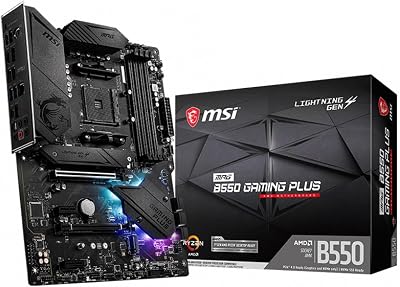
- Motherboard: ASRock B650M Pro RS or MSI B650-P (~$120)
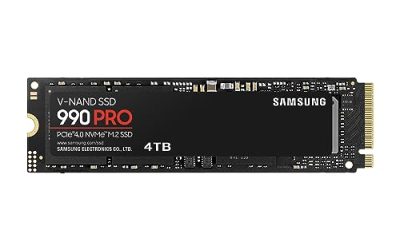
- Storage: 500GB PCIe 4.0 NVMe (~$55)
- Total: ~$655 (leaves budget for cooler, case, PSU)
Expected Performance:
The RX 7600 XT is the star here. The 16GB VRAM framebuffer is a genuine differentiator at this price point — no other GPU in this range matches it — and it delivers consistent 85–110 FPS in titles like Cyberpunk 2077, Hogwarts Legacy, and Call of Duty at 1080p High. The Ryzen 5 7600 is a no-brainer: six cores, 12 threads, 65W TDP, and enough IPC headroom to not bottleneck any GPU you’d pair it with at this budget.
Pros:
- 16GB VRAM future-proofs against texture-heavy workloads
- Ryzen 5 7600 runs cool on stock cooler, no aftermarket needed
- AM5 platform supports future Ryzen 9000 CPU drop-ins
- Lowest total cost of the five builds
Cons:
- AMD FSR 3 vs. NVIDIA DLSS 3 — FSR quality slightly behind at equivalent settings
- 500GB storage fills up quickly; budget in a second drive later
- B650 boards have fewer PCIe lanes than X670
Who It’s For: First-time PC builders on a strict budget who want a complete, capable system with room to upgrade the CPU later. Best pure value in this guide.
Buy RX 7600 XT on Amazon
2. Intel Balanced Build — Core i5-14600K + RTX 4060
Component List:
- CPU: Intel Core i5-14600K (~$225)
- GPU: NVIDIA GeForce RTX 4060 8GB (~$280)
- RAM: 16GB DDR5-5600 (~$55)
- Motherboard: MSI PRO B760M-A or Gigabyte B760 DS3H (~$110)
- Storage: 1TB PCIe 4.0 NVMe (~$70)
- Total: ~$740
Expected Performance:

The i5-14600K is a 14-core (6P+8E) chip with strong single-threaded performance and excellent compatibility with existing Intel tooling. Paired with the RTX 4060, DLSS 3 Frame Generation becomes available — which pushes effective frame rates well beyond raw rasterization numbers in supported titles. In practice, this combo runs Fortnite, Apex Legends, and Valorant at 120+ FPS without issue, and handles more demanding titles like Alan Wake 2 at 60–80 FPS with DLSS Quality enabled.
Pros:
- DLSS 3 Frame Generation is a real-world advantage in supported titles
- 1TB storage included out of the box
- i5-14600K is a genuinely strong CPU with unlocked multiplier
- Widest software ecosystem (Intel QuickSync, NVENC encoder)
Cons:
- 8GB VRAM is a known limitation — will matter more by 2027
- i5-14600K runs hot; aftermarket cooler recommended (~$30–$40 extra)
- LGA1700 is Intel’s final generation on this socket — no CPU upgrade path
Who It’s For: Content creators who also game (NVENC + QuickSync), streamers who benefit from DLSS-powered frame rate boosts, and anyone already familiar with the Intel ecosystem.
3. AMD Mid-Range — Ryzen 5 7600X + RX 7700 + 32GB DDR5
Component List:
- CPU: AMD Ryzen 5 7600X (~$195)
- GPU: AMD Radeon RX 7700 12GB (~$280)
- RAM: 32GB DDR5-5200 (~$90)
- Motherboard: MSI B650 Gaming Plus WiFi (~$140)
- Storage: 1TB PCIe 4.0 NVMe (~$70)
- Total: ~$775 (slightly over $800 depending on sales)
Expected Performance:
This build stretches the budget slightly but delivers the most well-rounded experience on the list. The RX 7700 with 12GB VRAM handles 1080p effortlessly and starts to show its range at 1440p medium-high settings. The 7600X brings higher boost clocks than the base 7600, and 32GB DDR5 makes this the best build for multitasking — gaming while streaming, video editing on the side, heavy browser loads. Expect 100–130 FPS in most titles at 1080p High.
Pros:
- 32GB RAM eliminates memory as a bottleneck entirely
- 12GB VRAM handles modern textures without stuttering
- 7600X overclocks well on mid-range B650 boards
- Strong AMD ecosystem: Radeon Software, FSR 3, AV1 encode
Cons:
- Exceeds $800 at MSRP without sales; requires deal-hunting
- 7600X runs hotter than 7600 — stock cooler borderline; budget Thermalright Assassin X120 (~$25)
- No DLSS; FSR 3 in supported titles is good but not identical
Who It’s For: Power users who want the most complete 1080p build with headroom into 1440p, and plan to keep this rig for 3+ years without touching it again.
4. Intel Budget Combo — Core i5-13400F + RTX 4060 + 16GB DDR4
Component List:

- CPU: Intel Core i5-13400F (~$170)
- GPU: NVIDIA GeForce RTX 4060 8GB (~$280)
- RAM: 16GB DDR4-3200 (~$35)
- Motherboard: Gigabyte B760M DS3H DDR4 (~$100)
- Storage: 500GB PCIe 4.0 NVMe (~$55)
- Total: ~$640 — cheapest on this list
Expected Performance:
The i5-13400F is a 10-core (6P+4E) chip without an unlocked multiplier — but you’re not buying it to overclock. At stock, it delivers performance nearly identical to the 13600K for gaming, and it runs cool enough to use with a budget air cooler. The DDR4 platform choice keeps costs low without sacrificing gaming performance meaningfully — the bandwidth difference between DDR4-3200 and DDR5-5200 is negligible at 1080p with the RTX 4060. Expect 88–115 FPS at 1080p High across the board.
Pros:
- Lowest total build cost on this list — more budget for case, PSU, peripherals
- DDR4 is mature, cheap, and readily available
- RTX 4060 brings DLSS 3, AV1 hardware encode, NVENC streaming
- i5-13400F runs cool without premium cooling
Cons:
- DDR4 platform is a dead end — no meaningful upgrade path
- 500GB fills up fast; plan for a second drive within 6 months
- 8GB VRAM increasingly stressed by 2026 AAA titles
- No onboard graphics — dead if GPU fails
Who It’s For: The strictest-budget build on the list. Perfect for someone upgrading from a console or older PC who wants maximum gaming performance right now at the lowest entry cost, and is okay with upgrading sooner rather than later.
5. AMD 1440p Capable — Ryzen 5 7600 + RX 7700 XT
Component List:
- CPU: AMD Ryzen 5 7600 (~$175)
- GPU: AMD Radeon RX 7700 XT 12GB (~$310)
- RAM: 16GB DDR5-5200 (~$55)
- Motherboard: ASRock B650M Pro RS (~$120)
- Storage: 1TB PCIe 4.0 NVMe (~$70)
- Total: ~$730
Expected Performance:
The RX 7700 XT is where the budget 1080p ceiling starts to look like the 1440p floor. At 1080p, this card is genuinely overkill — you’ll hit 100+ FPS in essentially every title without trying. The real story is what happens when you plug in a 1440p monitor: 60–80 FPS in demanding AAA games, 100+ FPS in esports titles. The Ryzen 5 7600 keeps up without bottlenecking, and the 12GB VRAM buffer handles high-resolution texture packs that trip up the 8GB competition.
Pros:
- Genuine dual-purpose 1080p/1440p GPU
- 12GB VRAM is a meaningful advantage over RTX 4060’s 8GB
- AM5 CPU upgrade path is the best long-term value on this list
- 1TB NVMe included
Cons:
- Most expensive GPU on the list; requires careful component budgeting
- AMD’s ray tracing performance still trails NVIDIA at equivalent price
- No DLSS — FSR 3 in supported games is solid but less universal
Who It’s For: Gamers who currently own a 1080p monitor but plan to upgrade to 1440p within 12 months, and want a single GPU purchase that covers both.
How to Build a Gaming PC for Under $800
Budget PC building is about prioritizing correctly. These are the rules that actually matter.
GPU First — Always
The graphics card is the single biggest determinant of gaming performance. A $280 GPU with a $150 CPU will outperform a $150 GPU with a $280 CPU in every game. If you’re cutting anywhere, cut on storage capacity or RAM speed before you downgrade the GPU tier. Every build in this guide allocates 35–45% of the total component budget to the GPU — that ratio is intentional.
RAM: 16GB Minimum, Speed Matters Less Than You Think
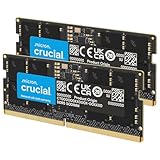
16GB DDR5 is the floor for 2026 gaming. At 1080p, the difference between DDR5-4800 and DDR5-6000 is 2–4 FPS in most titles — not worth paying a premium for. What matters: two sticks (not one) to enable dual-channel mode, which can swing 8–12% performance. A single 16GB stick running in single-channel mode is worse than two 8GB sticks at lower speed. All five builds above use dual-channel configurations.
SSD, Not HDD — No Exceptions
A mechanical hard drive in 2026 is a false economy. Load times 3–5x longer, shader compilation stutters, texture streaming issues — HDDs create problems that no GPU can fix. Even a budget 500GB PCIe 3.0 NVMe ($40–$50) is night and day versus a 1TB HDD. Start with 500GB and add a secondary drive later if needed.
Where to Splurge
- GPU: Every dollar here returns the highest gaming performance gains.
- Motherboard quality tiers: Don’t go bottom-of-barrel on VRMs if you’re pairing with a K/X series CPU. Mid-range B650/B760 boards from MSI, Gigabyte, and ASRock hit the right balance.
- PSU: Not covered in component pricing above, but budget $60–$80 for an 80+ Bronze or Gold 650W unit. Skimp here and risk the rest of your build.
Where to Save
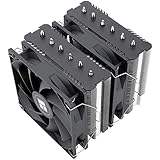
- CPU cooler: Stock coolers on 7600 and 13400F are adequate. Spend $25 on a Thermalright Assassin or ID-Cooling SE-214 only if you choose a 7600X or 14600K.
- RAM speed: 5200 MHz is plenty. Don’t pay for 6000+ unless you’re on the AMD Mid-Range build with the 7600X.
- Case: A $50–$70 case from Fractal, Lian Li LANCOOL, or Montech gets you proper airflow. Don’t pay $120+ for RGB panels.
Final Verdict
Best Overall Build: AMD Budget King (Ryzen 5 7600 + RX 7600 XT)
The combination of a 65W Ryzen 5 7600, the 16GB VRAM RX 7600 XT, and AM5 upgrade headroom makes this the most defensible all-around choice. It’s not the fastest build on this list, but it’s the most complete package at the lowest cost — and the upgrade path to Ryzen 9000 series CPUs keeps it relevant for years.
Best Budget Pick: Intel Budget Combo (Core i5-13400F + RTX 4060)
If your goal is maximum gaming performance for minimum spend right now, the i5-13400F + RTX 4060 on a B760 DDR4 board gets you there for roughly $640 in components. DLSS 3 access and mature Intel software make it a capable daily driver. Accept the limitations (8GB VRAM, dead-end platform) and it’s hard to beat.
Best for Future Upgrades: AMD 1440p Capable (Ryzen 5 7600 + RX 7700 XT)
AM5 has a long road ahead, and the RX 7700 XT’s 12GB VRAM gives this build genuine longevity. If you plan to upgrade your monitor to 1440p and want the GPU to make that transition without another hardware purchase, this is your build. Pair it with a Ryzen 7 9700X in 12–18 months and you’ll have a mid-range powerhouse at a fraction of the rebuild cost.
Related Articles
Looking for more on this topic? Browse the hand-picked guides below — each one applies the same scoring rubric used in this review.
Frequently Asked Questions
What is the best gaming pc build 800 in 2026?
The best gaming pc build 800 depends on your budget and how you plan to use it. The options compared above are our top-rated picks based on real customer ratings, build quality, and overall value — start with the highest-rated model that fits your budget.
How much should I expect to spend on a gaming pc build 800?
Prices vary by brand and features. Budget options cover the essentials, while mid-range and premium models add durability, performance, and extra features. Compare the prices in the list above to find the best value for your needs.
What should I look for when buying a gaming pc build 800?
Focus on what matters most for your use case — build quality, compatibility, performance, warranty, and verified customer reviews. Every pick above is selected to balance these factors.
Are budget gaming pc build 800 options worth it?
Yes. For most people a well-reviewed budget or mid-range gaming pc build 800 delivers excellent value. You only need to spend more if you specifically require premium materials or top-tier performance.
How did we choose these gaming pc build 800 picks?
We compare current Amazon ratings, review counts, key features, and price to surface the options with the best real-world value. The list is refreshed as ratings and availability change.