- Top Pick: Skytech Gaming King 95 Gaming PC, Ryzen 7 9800X3D, RTX 5070 Ti
- Best Value: Mantis V2 – RTX 5080, Ryzen 9 9950X3D, 32GB DDR5 RAM, 2TB NVMe Gen4 SSD, Windows 11 Pro, 3 Year Warranty, HDMI + DisplayPort, RGB Keyboard+Mouse, Internal WiFi 6E + BT, Prebuilt Gaming Desktop PC
- Premium Choice: Build Redux Gaming Desktop PC – AMD Ryzen 7 9700X CPU, NVIDIA GeForce RTX 5070 GPU, 16GB DDR5 RAM, 1TB NVMe M.2 SSD, 240mm Liquid CPU Cooler, Windows 11 Home, High-Performance Computer
Affiliate disclosure: As an Amazon Associate we earn from qualifying purchases. This post contains affiliate links — if you buy through them we may earn a small commission at no extra cost to you. This never affects our recommendations.
As an Amazon Associate we earn from qualifying purchases at no extra cost to you.




In a hurry? See the top-rated Gaming PC Build Under $1500 deals available right now:
🛒 Check Gaming Pc Build Under $1500 Prices on Amazon →🛒 Best Price Today on Amazon
Prime members get fast, free shipping on everything above, plus member-only deals. New members get a 30-day free trial — cancel anytime.
Start 30-Day Prime Free Trial →See Today’s Amazon DealsIntroduction: Why $1500 Is the 1440p Sweet Spot in 2026
If you’re serious about PC gaming in 2026, the $1500 budget is where the math finally works in your favor. Below $800, you’re making real compromises — last-gen GPUs, DDR4 platforms on their way out, or CPUs that bottleneck modern titles. Above $2000, the returns diminish fast: you’re paying a premium for marginal frame gains that most displays can’t even show.
At $1500, you get access to AMD’s Ryzen 9000 series and Intel’s 14th Gen processors, paired with genuinely powerful GPUs like the RX 9070 XT and RTX 5070. These cards aren’t budget stopgaps — they’re built for sustained 1440p at 100+ fps in demanding titles, with enough headroom to push 4K in less intensive games. Add 32GB of DDR5, fast NVMe storage, and a properly rated PSU, and you have a machine that won’t need touching for three to four years.
What separates this tier from an $800 build comes down to three things: GPU tier (RX 9070 XT and RTX 5070 vs. RX 7600 and RTX 4060), memory bandwidth (DDR5 vs. DDR4), and platform longevity (AM5 and LGA1700 support future CPU drops without a board swap). This guide breaks down five specific builds at this price point, explains the tradeoffs, and tells you exactly who each one is for.
Quick Comparison Table
| Build | CPU | GPU | RAM | Storage | Target |
|---|---|---|---|---|---|
| AMD 1440p Champion | Ryzen 7 9700X | RX 9070 XT | 32GB DDR5-6000 | 2TB NVMe | 1440p / 165+ fps |
| Intel 1440p Builder | Core i5-14600K | RTX 5070 | 32GB DDR5 | 2TB NVMe | 1440p / 144+ fps |
| AMD Future-Proof | Ryzen 7 9800X3D | RX 9070 | 32GB DDR5 | 1TB NVMe | 1440p / 165+ fps |
| Intel Value 4K-Ready | Core i7-14700K | RTX 5070 | 32GB DDR5 | 2TB NVMe | 1440p–4K / 60–100 fps |
| AMD Budget Stretch | Ryzen 5 9600X | RX 9070 XT | 32GB DDR5 | 2TB NVMe | 1440p / 144+ fps |
Build Reviews
Build 1: AMD 1440p Champion — Ryzen 7 9700X + RX 9070 XT
Components
| Part | Spec |
|---|---|
| CPU | AMD Ryzen 7 9700X |
| GPU | AMD Radeon RX 9070 XT |
| RAM | 32GB DDR5-6000 (2x16GB) |
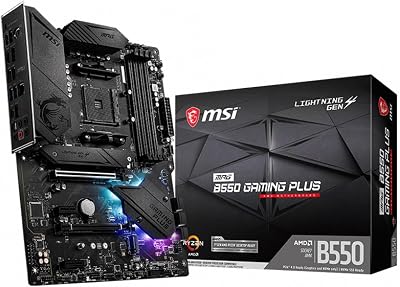
| Motherboard | AMD B850 |
| Storage | 2TB NVMe PCIe 4.0 |
| PSU | 850W 80+ Gold |
Expected Performance
The Ryzen 7 9700X is a strong all-rounder on the Zen 5 architecture — 8 cores, 16 threads, and a substantial IPC uplift over Zen 4. Paired with the RX 9070 XT, this is comfortably the fastest AMD GPU in the sub-$600 range. In 1440p, expect 120–165 fps in titles like Cyberpunk 2077, Alan Wake 2, and Hogwarts Legacy on high settings. In lighter competitive titles (CS2, Valorant, Apex), you’re pushing well past 200 fps. FSR 4 support on the 9070 XT also adds meaningful upscaling quality when you want it.
The DDR5-6000 is the sweet spot for AM5 — the Infinity Fabric runs at 3000 MHz in dual-channel at this speed, which means you’re not leaving CPU performance on the table. The 850W PSU gives you adequate headroom for the 9070 XT’s power draw and any overclocking ambitions.
Pros
- Best rasterization performance in the AMD sub-$1500 stack
- 2TB storage keeps you covered for a large game library
- B850 board supports PCIe 5.0 and DDR5 overclocking
- FSR 4 adds quality upscaling without a frame-rate tax
Cons
- No 3D V-Cache — falls slightly behind the 9800X3D in cache-sensitive games
- RX 9070 XT runs warm under load; case airflow matters
- AMD’s ray tracing still trails Nvidia at equivalent price points
Who It’s For
The 1440p gamer who wants AMD’s best GPU performance at this budget without paying the 9800X3D premium. If you play a wide variety of titles and want strong rasterization in everything, this is the balanced pick.
Build 2: Intel 1440p Builder — Core i5-14600K + RTX 5070
Components
| Part | Spec |
|---|---|
| CPU | Intel Core i5-14600K |
| GPU | Nvidia GeForce RTX 5070 |
| RAM | 32GB DDR5 |
| Motherboard | Intel Z790 |
| Storage | 2TB NVMe PCIe 4.0 |
| PSU | 750W 80+ Gold |
Expected Performance
The i5-14600K is one of the most efficient gaming CPUs Intel has released — 14 cores (6P+8E), and it punches well above its price class in both gaming and productivity tasks. The RTX 5070 is the real story here: Nvidia’s Blackwell architecture delivers excellent 1440p performance with DLSS 4 multi-frame generation support. In ray-traced titles, the RTX 5070 leads the RX 9070 XT by a meaningful margin. Expect 130–170 fps in demanding 1440p titles with quality DLSS enabled, and 60–80 fps at native 4K in many games.
The 750W PSU is correctly sized for this pairing — the RTX 5070 is more power-efficient than previous-gen equivalents, and the i5-14600K doesn’t draw excessively at stock. Z790 boards are mature and well-supported, with PCIe 5.0 slots and solid VRM implementations across the mid-range.

Pros
- RTX 5070’s DLSS 4 with multi-frame generation is class-leading upscaling
- Strong ray tracing performance vs. AMD at similar prices
- i5-14600K is excellent value — handles streaming and content creation alongside gaming
- Mature Z790 platform with broad board selection
Cons
- Intel LGA1700 socket is end-of-life — no future CPU upgrade path on this board
- DDR5 speeds matter more on AMD’s platform; Intel sees smaller gains above DDR5-5600
- RTX 5070 MSRP can be hard to find at launch; watch for AIB pricing
Who It’s For
The gamer who prioritizes ray tracing and Nvidia’s DLSS ecosystem. If you play titles like Alan Wake 2, Cyberpunk 2077, or Indiana Jones and want the best image quality at 1440p, the RTX 5070 + i5-14600K combination is hard to argue with.
Build 3: AMD Future-Proof — Ryzen 7 9800X3D + RX 9070
Components
| Part | Spec |
|---|---|
| CPU | AMD Ryzen 7 9800X3D |
| GPU | AMD Radeon RX 9070 |
| RAM | 32GB DDR5 |
| Motherboard | AMD B850 |
| Storage | 1TB NVMe PCIe 4.0 |
| PSU | 850W 80+ Gold |
Expected Performance
The 9800X3D is built around AMD’s 3D V-Cache technology — an additional layer of cache stacked directly on the CPU die. The result is a massive boost in gaming workloads that benefit from large L3 caches, which is most modern AAA titles. The 9800X3D frequently outperforms CPUs that are nominally faster in raw clock speed when gaming is the priority.
The RX 9070 (non-XT) is a step down from the 9070 XT but still a strong 1440p card. Where this build shines is CPU-bound scenarios: in games like Microsoft Flight Simulator, Star Citizen, or heavily modded Skyrim, the 9800X3D maintains frame rates that other CPUs simply can’t match. You’re trading a bit of GPU peak performance for a CPU that will remain the best gaming processor on the AM5 platform for the foreseeable future.
Storage is trimmed to 1TB to fund the CPU premium — factor in an additional drive later if your library grows.
Pros
- 9800X3D is the best gaming CPU available; future-proofed for years
- AM5 platform guarantees future CPU upgrade support through at least Zen 6
- Outstanding in CPU-limited workloads and open-world titles
- 3D V-Cache advantage grows as games get more CPU-intensive
Cons
- 1TB storage is limiting; plan to add a second drive
- RX 9070 (non-XT) leaves some GPU performance on the table at 1440p
- 9800X3D sells at a premium; watch for price drops post-launch
- Overkill CPU for players who primarily run GPU-bound titles
Who It’s For
Builders who want the CPU that will age the best. If you’re on AM5 long-term and plan to upgrade the GPU in 2–3 years, the 9800X3D is the anchor investment. Also the best pick for simulation, strategy, and heavily modded games where cache size matters most.
Build 4: Intel Value 4K-Ready — Core i7-14700K + RTX 5070
Components

| Part | Spec |
|---|---|
| CPU | Intel Core i7-14700K |
| GPU | Nvidia GeForce RTX 5070 |
| RAM | 32GB DDR5 |
| Motherboard | Intel Z790 |
| Storage | 2TB NVMe PCIe 4.0 |
| PSU | 850W 80+ Gold |
Expected Performance
Swapping to the i7-14700K gives you 20 cores (8P+12E) and meaningfully better multi-threaded performance vs. the i5-14600K. The gaming delta between the two is smaller than the spec sheet implies — most titles don’t use more than 8 to 10 threads effectively — but the i7 earns its place in workloads like streaming, video editing, and running background applications while gaming.
Paired with the RTX 5070, this build approaches 4K viability in many titles: native 4K in less demanding games, DLSS 4 Performance mode in demanding ones. At 1440p, you’re consistently above 144 fps in most titles. The 850W PSU is appropriate here given the i7-14700K’s higher power budget under sustained load.
Pros
- Best multi-threaded performance in this roundup
- RTX 5070 + DLSS 4 opens the door to 4K gaming
- 2TB storage + 20-core CPU makes this a capable productivity machine too
- Strong streaming performance for content creators who game
Cons
- LGA1700 is end-of-life; same upgrade path concern as Build 2
- Gaming FPS gains over i5-14600K are marginal — you’re paying for non-gaming tasks
- i7-14700K runs hot; requires a 240mm or 360mm AIO cooler (budget accordingly)
- Highest total draw of all five builds; 850W is the floor
Who It’s For
The gamer-streamer or creator who wants a single machine that handles gaming at high frame rates and production work without compromise. If you record, edit, or livestream alongside gaming, the i7-14700K’s core count justifies the premium over the i5.
Build 5: AMD Budget Stretch — Ryzen 5 9600X + RX 9070 XT
Components
| Part | Spec |
|---|---|
| CPU | AMD Ryzen 5 9600X |
| GPU | AMD Radeon RX 9070 XT |
| RAM | 32GB DDR5 |
| Motherboard | AMD B850 |
| Storage | 2TB NVMe PCIe 4.0 |
| PSU | 750W 80+ Gold |
Expected Performance
The core philosophy here: save money on the CPU to put the best possible GPU in the build. The Ryzen 5 9600X is a 6-core, 12-thread Zen 5 processor — a very capable gaming chip that handles the vast majority of titles without bottlenecking the 9070 XT. The savings vs. the 9700X go directly into maintaining the 9070 XT GPU tier, which is the right call for a GPU-limited 1440p workload.
In GPU-bound 1440p titles — which is where most of your gaming time happens — you will not see a measurable difference between this build and Build 1. The 9600X only shows a gap in CPU-limited scenarios (massive open worlds, simulation titles) and multi-threaded tasks like video rendering. For the dedicated gamer who doesn’t stream or edit video, this is a smart allocation of the $1500 budget.
Pros
- Best GPU-per-dollar allocation in this roundup
- 9600X is genuinely fast in GPU-bound workloads — no bottleneck at 1440p
- AM5 platform means you can upgrade to a 9700X or 9800X3D later
- 2TB storage at a lower CPU price point
- 750W PSU adequate for this pairing
Cons
- 6 cores show a gap in heavily threaded tasks vs. 8-core options
- Not recommended for streaming or video production workloads
- Falls behind in CPU-limited titles (simulation, large open worlds with many NPCs)
- Less multi-tasking headroom if you run demanding background apps
Who It’s For
The pure gamer who wants the most GPU performance possible within $1500 and doesn’t need the machine to double as a workstation. This build treats the CPU as a supporting player and correctly bets everything on GPU throughput.
How to Build a Gaming PC for Under $1500
AMD vs Intel Platform Choice
In 2026, the platform choice is sharper than it’s been in years. AMD’s AM5 socket has a confirmed roadmap through Zen 6, meaning a B850 board you buy today will accept future Ryzen chips. Intel’s LGA1700 (Raptor Lake Refresh) is end-of-life — the Z790 platform is excellent, but you won’t drop in an Arrow Lake or Lunar Lake successor without a board change.
For long-term builds where you plan to upgrade the CPU in two to three years, AM5 is the correct choice. For builds where you’re locking in the full system and won’t touch it for four or more years, the platform end-of-life matters less — you’ll upgrade everything by then anyway.
3D V-Cache: Is It Worth the Premium?
AMD’s 3D V-Cache (V-Cache) stacks additional L3 cache on the CPU die, dramatically reducing latency for memory-bound workloads. In gaming, this translates to measurable fps gains in titles that stress the CPU — typically large open-world games, strategy titles, and simulations. In GPU-bound 1440p gaming (which is most of your playtime at this budget), the advantage shrinks.
The 9800X3D commands a $100 to $150 premium over the 9700X. If your primary use case is gaming and you play titles like Flight Simulator, Starfield, or heavily modded games, the premium is justified. If you play predominantly GPU-bound titles at 1440p — shooters, action-RPGs, racing games — you’ll see minimal difference and are better served by allocating that money to GPU tier.
PSU Wattage for New GPUs
The RX 9070 XT and RTX 5070 both draw more power than their price-equivalent predecessors. AMD recommends 850W systems for the 9070 XT under overclocking scenarios; 750W is the safe floor for stock configurations. The RTX 5070 is more power-efficient due to Blackwell’s process node improvements — 750W is adequate for most configurations.
Key rule: never undersize the PSU to save $20. A quality 850W 80+ Gold unit costs $70 to $90 and protects a $1500 system. Avoid no-name PSUs entirely — poor ripple suppression damages GPUs over time.
DDR5 Sweet Spot for Both Platforms
For AM5, DDR5-6000 is the documented sweet spot: the Infinity Fabric runs at 3000 MHz in 1:1 mode, maximizing memory bandwidth without requiring manual tuning. Kits running at this speed are widely available, and most B850 boards support EXPO profiles that apply the correct timings automatically.
For Intel Z790, the gains from fast DDR5 are smaller but present. DDR5-5600 to DDR5-6000 is the practical range — above that, the latency increases from tighter kits start to offset bandwidth gains. Prioritize a reputable kit with tight primary timings (CL30 or lower at DDR5-6000) over raw MHz numbers.
In both cases, 32GB (2x16GB) dual-channel is the correct configuration for 2026. Single-rank kits often clock higher; dual-rank kits can offer better sustained throughput in some workloads. Either works — the capacity and dual-channel configuration matter more than rank count at this budget.
Final Verdict
Best Overall: Build 1 — AMD 1440p Champion (Ryzen 7 9700X + RX 9070 XT)
This is the most balanced build in the roundup. The 9700X handles everything from gaming to light production work, the RX 9070 XT delivers the strongest AMD rasterization performance at 1440p, and the 2TB drive means you won’t be deleting games to make room. The B850 platform ensures a future upgrade path. If you can only build one system and need it to do everything well, this is the pick.
Best for Future Upgrades: Build 3 — AMD Future-Proof (Ryzen 7 9800X3D + RX 9070)
The 9800X3D is the CPU that ages best. As game engines continue pushing more work onto the CPU side and cache-sensitive workloads multiply, V-Cache becomes more valuable over time — not less. Pair this with the AM5 platform’s confirmed longevity and you have a system where you can swap in a Zen 6 CPU in three years, then upgrade the GPU, and be effectively running a next-gen machine on the same board. The 1TB storage is the only real trade-off to plan around.
Best Bang for Buck: Build 5 — AMD Budget Stretch (Ryzen 5 9600X + RX 9070 XT)
If pure gaming performance per dollar is the metric, Build 5 wins. The 9600X does not hold back the 9070 XT in GPU-bound 1440p gaming — which is the workload that matters most at this resolution. You get the best GPU in the roundup, 2TB of storage, and a future CPU upgrade path on AM5, all while staying comfortably under $1500. For the gamer who isn’t streaming or editing, this is the most honest allocation of the budget.
Related Articles
Looking for more on this topic? Browse the hand-picked guides below — each one applies the same scoring rubric used in this review.
Frequently Asked Questions
What is the best gaming pc build 1500 in 2026?
The best gaming pc build 1500 depends on your budget and how you plan to use it. The options compared above are our top-rated picks based on real customer ratings, build quality, and overall value — start with the highest-rated model that fits your budget.
How much should I expect to spend on a gaming pc build 1500?
Prices vary by brand and features. Budget options cover the essentials, while mid-range and premium models add durability, performance, and extra features. Compare the prices in the list above to find the best value for your needs.
What should I look for when buying a gaming pc build 1500?
Focus on what matters most for your use case — build quality, compatibility, performance, warranty, and verified customer reviews. Every pick above is selected to balance these factors.
Are budget gaming pc build 1500 options worth it?
Yes. For most people a well-reviewed budget or mid-range gaming pc build 1500 delivers excellent value. You only need to spend more if you specifically require premium materials or top-tier performance.
How did we choose these gaming pc build 1500 picks?
We compare current Amazon ratings, review counts, key features, and price to surface the options with the best real-world value. The list is refreshed as ratings and availability change.
Ready to decide? Our #1 pick for 2026 is the Build.
Live price & availability on Amazon.