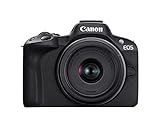
- Top Pick: KODAK PIXPRO FZ55 16MP Compact Digital Camera, 5X Optical Zoom, Black | 1080p Full HD Video, 28mm Wide Angle Lens, 2.7 Inch LCD, Point and Shoot, Vlogging Camera, Li-Ion Battery
- Best Value: KODAK PIXPRO FZ45 16MP Compact Digital Camera, 4X Optical Zoom, AA, Black | 1080p Full HD Video, 27mm Wide Angle Lens, 2.7 Inch LCD, Point and Shoot, Digicam, Travel and Family Photos
- Premium Choice: Panasonic Lumix DMC-ZS25K 16.1 MP Compact Digital Camera with 40x Intelligent Zoom (Black)
Phones are excellent until the subject is far away. A child on a stage, a bird on a fence, a landmark across a river: these are the moments where a pocket camera with a real lens reach earns its place. The decision behind a search for compact zoom cameras is how much reach you need and how much body you are willing to carry, because the gap between a slim pocket model and a long-lens bridge camera is large.
This guide is for travelers, parents, and casual hobbyists who want more reach than a phone without moving to interchangeable lenses. It compares eight models using only listing facts, such as optical zoom range, wide-angle starting point, sensor size, video resolution, and screen. Entering 2026, the market still splits into simple 1080p point-and-shoots, a premium 1-inch-sensor travel zoom, a long-reach bridge model, and a group of 4K-labeled budget cameras whose zoom claims need careful reading.
Quick Picks
As an Amazon Associate we earn from qualifying purchases at no extra cost to you.

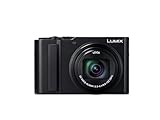


| Product | Best for | Key spec from the title |
|---|---|---|
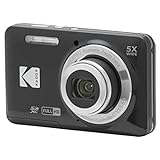
| Kodak PIXPRO FZ55 | Simple pocket zoom | 5X optical zoom, 28mm wide angle, 1080p |
| Kodak PIXPRO FZ45 | AA-powered family camera | 4X optical zoom, 27mm wide angle, AA batteries |
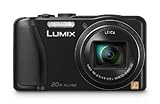
| Panasonic Lumix DMC-ZS25K | Long reach in a compact body | 16.1MP, 40x intelligent zoom |
| Panasonic LUMIX ZS300 | Premium travel zoom | 1-inch sensor, 15x optical, 24-360mm, 4K |
| COONYES 4K | Entry-level selfie framing | 16X zoom, 180-degree flip screen, 32GB card |
| LeuLix 7X Optical | Optical zoom plus WiFi | 7X optical, 4K, 5-axis anti-shake |
| Kodak PIXPRO AZ528 | Maximum reach | 52x optical zoom, 24mm wide, optical stabilization |
| Duluvulu 4K | Spare-battery outings | 48MP, 2 batteries, 16X zoom |
How to Choose
Know the zoom number you are buying
Optical zoom comes from real lens movement and keeps detail intact. Digital or “intelligent” zoom stretches the image and loses sharpness. A 4X to 5X optical lens is comfortable for family snapshots, 15X covers travel scenes from street to skyline, and 50X reaches distant wildlife. Check whether a listing says optical; two titles here give optical figures, others only a bare multiplier.
Check the wide end as well
The wide-angle starting point, quoted in millimeters, decides how much of a room or landscape fits in the frame. Figures of 24mm to 28mm are typical, with 24mm being wider. A camera that zooms far but starts at a narrow field of view frustrates indoor and group shots. The 24-360mm range on the ZS300 shows the full span clearly.
Sensor size and stabilization matter
A 1-inch sensor, as on the ZS300, gathers more light than the small sensors found in most budget compacts, which helps at dusk and indoors. Stabilization, whether optical or multi-axis, keeps long zoom shots from shaking. Resolution labels like 4K are less important than sensor size and lens quality, so treat them as an extra rather than the reason to buy.
Power, screen, and where budget models cut corners
AA batteries are easy to replace on the road, while a Li-Ion pack lasts longer but needs a charger. Look for a screen of at least 2.7 inches. Lower-tier models often skimp on lens quality, slow down in low light, and rely on large megapixel claims to impress. Ignore the number of megapixels; look at zoom type, sensor size, and stabilization instead, because those decide how the camera behaves once you leave bright daylight, climb a hill, or stand at the back of a crowded hall.
It also helps to picture a typical day. If you mostly photograph people at arm’s length, a short optical range with a wide start is plenty. If your shots involve a stage, a trail, or a sports field, favor optical reach and stabilization above everything else. And if you travel by train or flight with only a small bag, body size becomes the deciding factor, which is why the slim Kodak and Panasonic models sit apart from the long-lens bridge design in this comparison.
The 8 Best Options
Kodak PIXPRO FZ55
The FZ55 pairs a 16MP sensor with 5X optical zoom, a 28mm wide-angle lens, 1080p video, a 2.7-inch LCD, and a Li-Ion battery. It is positioned as a point-and-shoot that doubles as a casual vlogging camera for beginners, which makes it a gentle first step for someone moving up from a phone. The 28mm start is wide enough for a table of friends or a hotel room, and the rechargeable pack avoids a battery run.
- Real optical zoom, no stretched digital claims
- Rechargeable Li-Ion battery
- Trade-off: only 5X reach, so distant subjects stay small
Skip it if you need to photograph far-off wildlife or stage performances.
Kodak PIXPRO FZ45
The FZ45 has 16MP, 4X optical zoom, a 27mm wide-angle lens, 1080p video, and a 2.7-inch LCD, and it runs on AA batteries. The listing pitches it for travel and family photos, a use case where swapping in store-bought cells can keep a trip going when a charger is not nearby. Its 4X range is modest, but it covers portraits, landmarks, and children across a room without fuss.
- AA batteries are easy to find anywhere
- 27mm wide angle suits groups and rooms
- Trade-off: the shortest optical zoom in this list
Skip it if you want longer reach or a rechargeable pack.
Panasonic Lumix DMC-ZS25K
This compact lists 16.1MP and a 40x intelligent zoom. That term usually blends optical and digital reach, and the title does not split the two, so it is wise to confirm the optical portion before relying on the full figure. Buyers drawn to the big multiplier should also check the screen and video details on the full listing, since the title leaves them out.
- Large zoom multiplier in a compact body
- Established Panasonic Lumix line
- Trade-off: no video resolution or screen size in the title
Skip it if you want complete specs up front.
Panasonic LUMIX ZS300
The premium option, with a 1-inch sensor, 20.1MP, 15x optical zoom covering 24-360mm, and 4K video. A larger sensor is the best answer to indoor and evening shooting in a travel zoom body, and the 24mm start suits scenery. For city breaks where you want one camera that handles streets, interiors, and distant rooftops, the stated range answers most of those needs without a lens bag.
- 1-inch sensor and 4K video
- 24-360mm range is clearly stated
- Trade-off: it sits at the top tier, so confirm it fits your plan
Skip it if you only want a basic snapshot camera.
COONYES UHD 4K Digital Camera
A point-and-shoot with a 2.8-inch 180-degree flip screen, 16X zoom, anti-shake, 4K labeling, and a 32GB card. The flip screen and bundled card make it a ready-to-go choice for teens, though the zoom type is not specified. It is best viewed as a casual, shareable camera for school trips and weekend fun rather than a serious long-lens tool.
- Flip screen for self-framing
- Card included
- Trade-off: the 16X figure is probably digital, so expect softer zoomed shots
Skip it if image quality at full zoom matters.
LeuLix 7X Optical Zoom Camera
A rare budget title that states optical zoom: 7X, with 4K, WiFi, 5-axis anti-shake, a 2.8-inch touchscreen, a 32GB card, and two batteries. That combination makes it a flexible travel companion for beginners who want to share clips. Because the optical figure is spelled out, buyers know what the lens does, and the extra battery supports a full day out.
- Stated optical zoom plus 5-axis stabilization
- WiFi, card, and two batteries included
- Trade-off: the 4K label comes from an unnamed brand
Skip it if you prefer an established maker.
Kodak PIXPRO AZ528
A bridge camera: 16MP, 52x optical zoom, WiFi, 1080p video, 24mm wide angle, a 3-inch LCD, optical stabilization, and 6fps burst. It brings the longest optical reach here and is the pick for wildlife, birding, and sports from the sidelines. The WiFi mention helps with sharing, and a bridge body typically gives a firmer grip than a slim compact.
- 52x optical zoom with optical stabilization
- 24mm wide start gives a wide span
- Trade-off: a larger body than pocket models
Skip it if you need something that fits in a jacket pocket.
Duluvulu 4K Digital Camera
A 48MP-labeled, 4K autofocus camera with a 3-inch 180-degree flip screen, 16X zoom, and two batteries plus an SD card. The spare battery is its main practical edge, and the flip screen makes it simple to frame yourself at a landmark. Treat the megapixel and 4K labels as marketing and judge the output when it arrives.
- Two batteries and a card included
- Flip screen for selfies
- Trade-off: zoom type is not stated
Skip it if reach and sharpness are priorities.
Which One Fits Your Situation
You want pocketable travel with great low light
The Panasonic LUMIX ZS300 is the pick, with its 1-inch sensor and 24-360mm lens. It covers a hotel room, a street scene, and a distant monument without a bag of gear, and the 4K video option is a bonus for travel clips.
You photograph wildlife or sports
Go with the Kodak PIXPRO AZ528 for 52x optical reach and optical stabilization. The 6fps burst mentioned in the listing is helpful for moving subjects, and the larger body gives a steadier hold at long focal lengths.
You want something simple for family photos
Take the Kodak PIXPRO FZ55 or FZ45. Both offer real optical zoom and a wide start; the FZ45 adds AA batteries for easy swaps, while the FZ55 uses a rechargeable pack and reaches a little farther. Either is a calm, uncomplicated companion for holidays and birthdays.
You like WiFi and a touchscreen
Try the LeuLix 7X, which pairs a stated optical lens with stabilization and wireless transfer. The touchscreen also makes menus familiar to anyone used to a phone, so setup is quick.
Common Mistakes
- Comparing zoom numbers without checking whether they are optical.
- Forgetting the wide-angle end and ending up unable to fit a group in the frame.
- Focusing on megapixels rather than sensor size and lens quality.
- Choosing a pocket model for distant subjects, or a bridge camera for pocket carry.
- Skipping a spare battery or card for a long trip, then discovering the one you have is full by the second afternoon.
Related guides
- Combination Smoke And Carbon Monoxide Detectors
- Aio Liquid Coolers For High Performance Gaming
- Graphics Cards For Low Wattage Power Supplies
Frequently Asked Questions
What is a good optical zoom for travel?
Around 10X to 15X covers most scenes from streets to skylines. Anything over 40X is for distant subjects and usually means a larger body.
Is digital zoom worth using?
Occasionally, for quick framing. It crops the image, so detail suffers, and optical reach is the better measure.
Do I need 4K video?
Not for casual use. Good 1080p footage from a quality lens beats questionable 4K from a tiny sensor, and 1080p files are smaller, so cards and phones fill up more slowly during a long trip.
Are bridge cameras compact?
Not really. They are larger than pocket models but still lighter than a bag of interchangeable lenses, and the long fixed lens means there is nothing to swap, clean, or lose while you are traveling.