- Top Pick: TOMLOV DM9 7" Digital Coin Microscope 1200X, Soldering Scope for Adults | Metal Base, Ultra-Precise Focus, 12MP Photo/1080P Video, 10 LEDs, Error Coin View, PCB Repair, for Collectors, PC View, 16GB
- Best Value: Wireless Digital Microscope, Skybasic 50X-1000X Magnification WiFi Portable Handheld Microscopes with Adjustable Stand HD USB Microscope Camera Compatible with iPhone Android iPad Windows Mac Computer
- Premium Choice: Andonstar AD246S-M 3 Lens 2160P HDMI Digital Microscope 2000x for Adults | 7 Inch LCD Soldering Microscope for Electronics Repair, Error Coins, Pro Boom Arm Stand, Windows Compatible
Hobbyists rarely need a microscope that resolves cells. They need one that lets them see a mint mark on a coin, a cold solder joint on a circuit board, or the tooth of a stamp perforation, and then keep both hands free to work. That changes the shopping question. Instead of chasing the biggest magnification number on the box, hobbyists should ask how the screen, stand and lighting will hold up during an hour at the bench.
This guide ranks ten digital microscopes for collectors, repairers and curious tinkerers. Some have built-in screens for standalone use, some stream to a phone or computer, and one is a traditional stereo microscope with a camera port. Each description relies only on what the listing states, such as screen size, listed resolution, lighting and connection type. If you mostly look at coins, favor a stand with a wide base. If you mostly solder, favor a screen with an HDMI output and a working distance that leaves room for a soldering iron.
Quick Picks
As an Amazon Associate we earn from qualifying purchases at no extra cost to you.




| Product | Best for | Key spec from title |
|---|---|---|
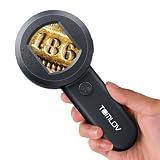
| TOMLOV DM9 | Coin and solder work on a metal base | 7″ screen, 1200X, 12MP/1080P, 10 LEDs |
| Skybasic Wireless WiFi | Phone-based viewing on a stand | 50X-1000X, WiFi, adjustable stand |
| Andonstar AD246S-M | Electronics repair with HDMI | 3 lens, 2160P HDMI, 7″ LCD, 2000x |
| TOMLOV DM4W Max | Coin collectors who weigh finds | 7″ screen, 2K, weighing scale, 0.1g |
| Elikliv EDM4 | Compact bench screen with PC option | 4.3″ LCD, 1000x, 8 LEDs |
| TOMLOV P10 | Pocket inspection and USB viewing | 2″ screen, 16MP, 100X |
| Teslong USB-C | Direct USB-C viewing on phones and laptops | 10X-200X, 8 LEDs, rotating metal stand |
| Elikliv EM4K-AF | Autofocus soldering and coin work | 8″ IPS screen, 4K, 2000X, 52MP, HDMI |
| AmScope SW-3T24-FRL-5MT | Stereo depth with camera capture | Trinocular, 5MP CMOS, 0.5X reduction lens |
| Jiusion 4K Handheld | Wireless or wired mobile viewing | 50-1000x, 4K, WiFi/USB, 8 LEDs |
How to Choose
Decide between a screen, a computer or a phone
A built-in screen, like the 7-inch and 8-inch panels in this list, lets you work without booting a computer. USB models send video to a laptop or phone and are cheaper per feature, but you need a device nearby and a program that handles the feed. WiFi handhelds trade cable clutter for a slight delay and a phone app. Pick the workflow you will actually repeat.
Treat magnification numbers with caution
Figures such as 1000X or 2000X depend on screen size and digital zoom. A realistic target for coins is the 10X to 200X range that the Teslong lists, with higher figures useful only if the optics and stand stay steady. Look for the listed sensor resolution, such as 12MP, 16MP or 52MP, rather than just the magnification label.
Check lighting and stand quality
Coins and metal parts reflect glare, so adjustable LEDs, side lights or several LED rings help. A metal base is heavier and reduces vibration at high zoom. Soldering work needs space between the lens and the board, so favor stands with adjustable height and a stage that stays out of the way.
Know where budget models cut corners
Lower-cost handhelds usually lack autofocus, use small screens and rely on plastic stands that wobble at high magnification. Those trade-offs are acceptable for casual coin checks but frustrating for repair. If you plan to share video, confirm that the listed resolution applies to the recorded video and not only the sensor.
The 10 Best Options
TOMLOV DM9 Digital Coin Microscope
This is a bench-style model that combines a 7-inch screen, 1200X listed magnification, a metal base and 10 LEDs. The title promises 12MP photos, 1080P video and focus control aimed at error coin inspection and soldering.
- Strength: A metal base and 10 LEDs suit stable viewing of shiny coins.
- Strength: The title lists both photo and video capture, handy for documenting finds.
- Trade-off: Screen-based models take desk space compared with pocket scopes.
Skip it if you want portability or a stand-alone handheld scope.
Skybasic Wireless WiFi Microscope
A handheld camera that connects over WiFi, with a magnification range of 50X to 1000X and an adjustable stand. It suits people who would rather view the image on a phone or tablet than carry a separate screen.
- Strength: Wireless connection avoids cord clutter around a small workspace.
- Strength: The adjustable stand frees up both hands.
- Trade-off: The image depends on a phone link and a viewing app.
Skip it if you need a built-in screen or an HDMI output for a bigger display.
Andonstar AD246S-M
Aimed squarely at electronics repair, this unit lists a 3-lens design, 2160P output over HDMI, a 7-inch LCD and 2000x magnification. The listing names soldering and error coin inspection as uses.
- Strength: HDMI output allows a larger monitor for fine board work.
- Strength: The title lists a 3-lens setup for different working distances.
- Trade-off: A feature-rich desk scope costs more than pocket USB options.
Skip it if you only look at coins occasionally and do not need repair-grade tools.
TOMLOV DM4W Max Coin Microscope
This one is unusual because it adds a weighing scale with 0.1g accuracy to a 7-inch digital microscope with a 2K full-view image and LED lights. Collectors who log both look and weight benefit most.
- Strength: The built-in scale saves moving a coin between devices.
- Strength: A 2K image on a 7-inch screen supports detailed review.
- Trade-off: The scale only matters for coin work, not for repair.
Skip it if you do not collect coins or tokens. It is aimed at someone who sorts a bag of mixed finds on a Sunday afternoon and wants one device to magnify, photograph and weigh each piece.
Elikliv EDM4 Coin Microscope
A compact desktop scope with a 4.3-inch LCD, 1000x listed magnification, 8 adjustable LED lights and PC viewing for Windows. It fits a small desk and a first-time buyer.
- Strength: Adjustable LEDs help control glare on coins.
- Strength: PC viewing for Windows adds a bigger display option.
- Trade-off: A 4.3-inch screen is small for long soldering sessions.
Skip it if you use a Mac or prefer a large display.
TOMLOV P10 Handheld Microscope
The pocket-scale option. A handheld coin magnifier with a light, a 2-inch screen, a 16MP camera and a 100X digital magnification, plus USB PC viewing.
- Strength: Small enough to carry to a flea market or show.
- Strength: Light and 16MP camera help with quick checks of coins.
- Trade-off: A 2-inch screen limits fine detail and long sessions.
Skip it if you need a stand and high magnification for repair. It is best as a second scope for travel, a gift for a young collector or a quick checker kept in a coin album bag.
Teslong USB-C Digital Microscope
This compact handheld has a USB-C connection, 10X to 200X magnification, 8 LEDs and a rotating metal stand. The title names coin and electronics inspection and compatibility with iPhone and other devices.
- Strength: USB-C connection works directly with modern phones and laptops.
- Strength: A rotating metal stand holds the camera in position.
- Trade-off: Maximum 200X is modest next to the screen-based models.
Skip it if you want a built-in screen or very high magnification.
Elikliv EM4K-AF Autofocus Microscope
The flagship screen model in this list. It pairs 4K autofocus, an 8-inch IPS screen, 2000X listed magnification, 52MP output, HDMI and side lights for soldering and coin work.
- Strength: Autofocus reduces refocusing while you reposition a part.
- Strength: Large IPS screen and HDMI help with detailed work.
- Trade-off: It sits at the premium end of hobbyist gear.
Skip it if you want a small, pocket-sized scope or a tight budget.
AmScope SW-3T24-FRL-5MT Trinocular Stereo
This is a traditional stereo microscope with a trinocular head, WH10x eyepieces, a 5MP CMOS sensor with USB 2.0 and a 0.5X reduction lens. It gives genuine depth perception, which suits dissection of circuit boards, mineral specimens and small mechanical parts.
- Strength: Stereo viewing gives natural depth when handling small parts.
- Strength: The camera port allows capture without losing eyepiece use.
- Trade-off: It is an optical bench instrument, less plug-and-play than screen models.
Skip it if you prefer a standalone screen with no eyepieces.
Jiusion 4K Handheld Digital Microscope
Offers 50X to 1000X magnification, 3840×2160 resolution, wireless and wired viewing, 8 LEDs and a metal stand. It targets iPhone, iPad and Android users.
- Strength: Both wireless and wired connection options.
- Strength: A metal stand and 8 LEDs support steady, lit viewing.
- Trade-off: It still relies on a phone, tablet or computer for the display.
Skip it if you want a built-in screen. It suits phone-first hobbyists who already trust a tablet for photo review and want to share frames in a message after a session.
Which One Fits Your Situation
You collect coins and track weights
The TOMLOV DM4W Max combines a 7-inch view with a scale, while the TOMLOV DM9 offers a metal base and 10 LEDs for inspecting rims and edges.
You fix circuit boards on weekends
The Andonstar AD246S-M and the Elikliv EM4K-AF both list HDMI and soldering use, and the latter adds autofocus.
You want to carry a scope to shows
The TOMLOV P10 fits in a pocket, and the Teslong USB-C is a lightweight phone-connected alternative.
You like stereo depth for small parts and minerals
The AmScope SW-3T24-FRL-5MT gives true depth with eyepieces and a camera port.
One more way to narrow the list: set a budget tier first. Budget buyers should look at the TOMLOV P10, Elikliv EDM4 and the USB or WiFi handhelds. Mid-range shoppers will find the TOMLOV bench models and the Teslong in range, while the Andonstar, the Elikliv autofocus unit and the AmScope sit in the premium group. Moving up a tier typically buys a bigger screen, a steadier stand and cleaner lighting, which are the three things hobbyists notice after the first evening of use.
Common Mistakes
- Choosing the highest magnification number without looking at screen size, lighting and the stand.
- Buying a handheld when the work needs both hands free for soldering or tweezers.
- Ignoring glare control on shiny coins, where adjustable LEDs matter.
- Assuming wireless models are always easier, even though they depend on a phone app.
- Skipping the HDMI or PC view option when sharing images with others matters.
Related guides
- Battery Operated Smoke And Carbon Monoxide Detectors
- Combination Smoke And Carbon Monoxide Detectors
- Aio Liquid Coolers For High Performance Gaming
Frequently Asked Questions
How much magnification do coin collectors need?
Many collectors find 10X to 200X sufficient to read details on a coin face. Higher digital magnification helps only if the stand and optics remain steady.
Is a screen-based scope better than a USB one?
Screen models are easier to start and use. USB scopes cost less per feature, but they depend on a computer or phone to display the image, which suits people who already work at a laptop in 2026.
What does the megapixel number mean?
It describes the camera sensor for photos, not the optical quality. Check whether the listed video resolution is also stated, and treat very high megapixel numbers as an output size rather than a promise of sharper optics.
Do I need a trinocular stereo microscope?
Only if you value true depth and eyepiece viewing. For most hobbyists, a digital scope with a screen is simpler, because there is no eyepiece alignment, and you can share the image with a friend standing next to you.