

AM5 vs LGA1851: Socket, Platform Cost and Gaming Trade-offs Compared
Choosing between an AM5 platform and an LGA1851 platform is really a choice between two motherboard families, two memory setups and two upgrade paths. The processors matter, but the socket decides what you buy around them. AM5 is AMD’s current desktop socket and uses the LGA1718 design. LGA1851 is the socket used by Intel’s Core Ultra 200S desktop chips. Both use DDR5 memory, which makes the comparison simpler than it was in the DDR4 era.
This article is a buying guide and does not present lab results. Gaming differences between the two platforms depend on the specific chips, the graphics card, the memory kit and the cooler. What stays constant is the platform logic: the cost of the board, the upgrade window and the features you can actually use. Check independent review charts for the games you play before you commit.
The listings below were returned for this query. The first is the primary pick and the others are close alternatives. The listing above may not match a specific model you had in mind, so confirm the exact processor, socket and price on the card before ordering.
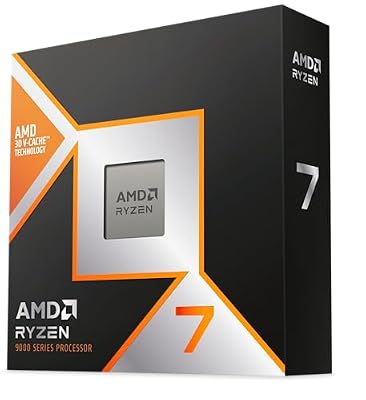


AMD Ryzen 9 9900X3D 12-Core Processor

Intel Core Ultra 7 Desktop Processor 265K - 20 cores (8 P-cores + 12 E-cores) up to 5.5 GHz
The Socket Question: What Each Platform Locks You Into
A socket is a commitment. Once you buy a board, you are choosing the processor families that will fit it, the memory generation it supports and the number of upgrade steps you can take before you must replace the board. That is why the socket matters more than a single chart result.
AM5: A Longer Upgrade Path
AM5 is the socket for AMD’s Ryzen 7000 and 9000 desktop generations, along with compatible later parts. AMD has positioned the platform as a long-lived option, so a buyer who starts with a mid-range chip can often move to a faster processor later without replacing the board. That path is a real advantage for a gaming PC you plan to keep for years. Check the motherboard maker’s BIOS support list before buying, because the list of supported chips depends on the board and firmware version.
LGA1851: Current Intel Platform, Shorter Runway
LGA1851 is tied to the Core Ultra 200S generation. It uses 800-series chipsets such as Z890 and B860 boards, and it supports DDR5 only. For a new build, the platform is current and capable. The concern is the runway. A buyer who wants to swap in a much faster chip in three or four years should confirm Intel’s current statements on socket support before buying a board, because the upgrade window for a single socket is often shorter than the life of the PC.
Gaming Performance: Where the Socket Matters and Where It Does Not
In most games, the socket does not change frame rates directly. The processor does, along with the graphics card and memory. For a wider shortlist, see the best CPU for gaming guide. A socket affects gaming through the chips it can host and the memory and cache behaviour those chips deliver. That is a subtle point, and it is easy to overstate in forum threads.
CPU-Limited Esports and High-Refresh Play
If you play competitive titles at 240Hz or higher, the processor is more likely to be the limit. In that scenario, the AM5 family has the strongest gaming-focused options with large cache, which is why many enthusiasts start there. Read reviews that test CPU-limited scenarios and compare the exact chips you can buy on each platform, rather than assuming the socket alone decides the result. The Counter-Strike 2 CPU guide shows the kind of scenario where processor choice shows up most clearly.
GPU-Limited 1440p and 4K Play
At 1440p and 4K, the graphics card usually sets the frame rate in demanding games. On that setup the difference between an AM5 and LGA1851 build can be small, and the budget is better spent on the GPU, a quality 1440p monitor or a larger SSD. Buyers in this group should pick the platform on upgrade path and total cost, not on a marginal gaming gap.
Platform Cost: Board, Memory and Cooling
Motherboard Pricing and Feature Tiers
Compare boards by the features you need, not by the chipset name alone. A mid-range AM5 board with solid VRMs and a good BIOS may cost less than a comparable LGA1851 board, or the reverse, depending on the model and market. For buyers who want a value board, our notes on AM5 motherboards for gaming and the Intel motherboard guide show the feature trade-offs that matter for gaming builds.
Memory: DDR5 on Both Sides
Both platforms use DDR5, so memory is not a reason to pick one over the other. Your kit choice affects both builds in the same way. A 32GB dual-channel kit from a reputable brand is the practical starting point. If you are weighing speed, the gap between mid-speed and high-speed kits is often modest in gaming, so spend where the value is clearest. The DDR4 vs DDR5 gaming comparison explains why the memory generation question is settled for new builds.
Cooling and Power
Most mid-range processors on either platform run well with a quality tower air cooler. Higher-core chips and high-end parts may justify a larger cooler or a 360mm liquid cooler. Check the cooler’s mounting kit for the socket you choose, since some older brackets do not cover both sockets. A 750W power supply from a reputable maker covers most single-GPU builds on either side.
AMD RYZEN 7 9800X3D 8-Core, 16-Thread Desktop Processor


As an Amazon Associate we earn from qualifying purchases. Product prices and availability are accurate as of the date/time indicated.
Comparison Table: AM5 and LGA1851 Decision Factors
The table compares the decision factors rather than assigning a winner. Use it to match the platform to your budget and plans.
| Factor | AM5 | LGA1851 | Best for |
|---|---|---|---|
| Socket | LGA1718 (AM5) | LGA1851 | Knowing which boards you can buy |
| Memory | DDR5 only | DDR5 only | Reusing no old memory on either side |
| Upgrade runway | Generally longer, check current support | Shorter, confirm Intel roadmap | Buyers planning a later chip swap |
| Board pricing | Check current price | Check current price | Matching total budget |
| Gaming impact at 1440p | Usually GPU-limited | Usually GPU-limited | Spending on the graphics card |
| Hero listing | B0DKFMSMYK | Not applicable | Confirm the exact model on the card |
Pricing cells are deliberately blank of numbers. Board prices move with the market and vary by seller, so use the live listing for the current figure.
AMD Ryzen 9 9900X3D 12-Core Processor


As an Amazon Associate we earn from qualifying purchases. Product prices and availability are accurate as of the date/time indicated.
Which Platform Should You Choose?
Choose AM5 If Upgrade Path Matters Most
If you want to start with a mid-range chip and move up later, AM5 is usually the more flexible choice. It also suits buyers who already own AM5 memory or a board and want to stay in place. For a broader look at AMD options, see the best AMD CPU for gaming guide and the Ryzen CPU buying notes.
Choose LGA1851 If You Want Intel and a Current Platform Today
If you prefer Intel for a specific workload, if you already have Intel-compatible hardware, or if the best-value LGA1851 board and chip combination matches your budget, LGA1851 is a sound choice. Treat the shorter upgrade runway as a planning factor rather than a dealbreaker. The Intel vs AMD gaming overview covers the broader trade-offs.
Frequently Asked Questions
Is AM5 better than LGA1851 for gaming?
Neither socket wins gaming on its own. The processor, graphics card and memory decide frame rates. AM5 usually offers the longer upgrade path, while LGA1851 offers a current Intel platform. For GPU-limited 1440p gaming the difference is often small.
Can I use DDR4 memory on either platform?
No. Both AM5 and LGA1851 use DDR5 only, so you cannot reuse DDR4 memory from an older build. Budget for a new DDR5 kit with any move to either platform.
Which socket is cheaper to build on?
Total cost depends on the board, memory and processor you pick, not the socket name. Compare complete builds with the same memory size and similar board tiers. The cheaper total build can change between markets and over time.
Final Verdict
AM5 and LGA1851 are both current, capable platforms for gaming. The better choice depends on your upgrade plans, existing parts and whether you want Intel or AMD specifically. Buyers planning a long-lived build with room to grow should lean AM5. Buyers who want a current Intel platform and do not plan a major processor swap can choose LGA1851 with confidence. Confirm the exact model and price on the listing card, and check the motherboard’s BIOS support list before you order.







